The Complete Guide to Acne Treatments: Medical, Natural, and In-Clinic Solutions
Quick Answer:
Acne treatments include topical creams, prescription medicines, cleansers, natural home remedies, and clinical procedures. The right treatment for you depends on your skin type and the severity of acne.
The root cause of your acne, how often you experience breakouts, and whether you have concerns such as inflammation or excess sebum production can also influence the treatment that may work for you.
What Are Your Options for Treating Acne?
Acne can be treated in several ways, ranging from everyday skincare to prescription medicines and professional procedures. The way each of these approaches works differs based on the severity of acne and your skin type.
Broadly, these options fall into five categories, depending on how deep the problem runs:
- Skincare
A common starting point for acne treatment is a consistent skincare routine, comprising face washes, cleansers, gels, and creams.
- Natural and home remedies
A lot of people also turn to some natural ingredients to apply to their skin to treat acne. You can also make certain dietary and lifestyle changes to support overall skin health.
- Topical medicines
You can also consult a doctor for prescription creams, gels, or lotions formulated to treat acne.
- Oral medicines
When acne is more widespread or does not respond well to topical treatments, your doctor may prescribe medicines that work from within the body.
- Clinical procedures
For more stubborn acne, dermatologists may recommend clinical procedures such as laser treatment.
What Ingredients Should You Look for in Skincare Products for Acne?
Look for ingredients such as salicylic acid, benzoyl peroxide, retinoids, azelaic acid, and niacinamide when considering skincare for acne. Many products use a combination of these ingredients.
However, these ingredients do not guarantee that they will treat acne. Their concentration and the complete formulation of the product also play a role.
- Alpha Hydroxy Acids
By working on the skin’s surface, alpha hydroxy acids, or AHAs, help remove dead skin cells that can contribute to clogged pores. Glycolic acid and lactic acid are commonly used AHAs.
They can also improve uneven texture and the appearance of post-acne marks. AHAs are gentle in nature and generally safe for those with sensitive skin.
- Beta Hydroxy Acids
Their ability to penetrate into the skin pores allows beta hydroxy acids (BHAs) to manage excess sebum and clogging. Salicylic acid is the most commonly used BHA in acne skincare.
- Azelaic Acid
With its antibacterial and anti-inflammatory properties, azelaic acid can be useful for managing acne. It can also help prevent the clogging of pores.
- Vitamin C
Being an antioxidant, vitamin C also has anti-inflammatory properties that can help in treating acne.
- Niacinamide
A form of vitamin B3, niacinamide can help calm inflammation and redness associated with acne while supporting the skin barrier. It may also help regulate excess oil production.
- Vitamin A
Also an antioxidant, vitamin A can help control the production of excess sebum in the skin, thereby reducing acne breakouts.
- Benzoyl Peroxide
Benzoyl peroxide works against acne-causing bacteria and helps reduce inflammation. It can also help remove excess dead skin cells and is commonly used alongside other acne treatments.
While these ingredients are effective in preventing and treating acne, they may not show the same level of efficacy for everyone. An ingredient that works well for one person may irritate another person’s skin. Its suitability may also vary for each individual.
It is, therefore, better to introduce new ingredients gradually on your skin. Also, before trying new products, always conduct a patch test to determine if it is suitable for your skin.
What Are Some Natural Treatments for Acne?
Natural acne treatments include applying suitable plant-based ingredients and making dietary and lifestyle changes. These approaches may support your skincare routine, but the evidence behind them varies. They should not replace medical treatment when acne is moderate or severe.
Plant-based Topical Treatments
Some plant-based ingredients have properties that may help soothe inflammation or support acne-prone skin.
That said, it’s better to view these options as complementary approaches rather than replacements for medical acne treatments.
- Aloe vera gel
Aloe vera contains salicylic acid and is also known for its soothing properties, which may make it useful for calming irritated, acne-prone skin.
To use it for treating acne:
Scrape fresh aloe vera gel out of aloe vera leaves.
Apply it directly to the skin.
Instead of extracting fresh gel from an aloe vera leaf, you can also purchase packaged gel. Only make sure that it does not contain any unnecessary additives that may irritate the skin.
- Green tea application
A study found that topical green tea application could reduce inflammatory acne lesions, with research suggesting that its anti-inflammatory and antioxidant properties may contribute to these effects.
To try this home remedy:
Brew green tea in boiling water.
Let it cool.
Dip a cotton ball into the tea and dab it onto your skin.
Once it dries, wash your face.
- Turmeric paste
Turmeric contains curcumin, a compound with anti-inflammatory and antibacterial properties. However, evidence specifically supporting homemade turmeric paste as an acne treatment is limited.
You can try using this home remedy by making a turmeric paste.
Mix a teaspoon of turmeric powder with an equal amount of water.
Apply the paste to the affected areas on your skin.
Leave it for 15 minutes, then wash your face.
While these home remedies are popularly used for treating acne, there is limited evidence to support how effective they are. Also, their effectiveness and suitability may vary depending on skin type.
Applying raw or unrefined home ingredients directly to active, open acne lesions can also cause contact dermatitis or bacterial contamination. Some ingredients, like turmeric, may irritate your skin. Before trying these approaches, perform a patch test. After applying, if you feel irritation on your skin, immediately wash your face.
Dietary Approach
Diet can play a role in preventing acne, although it is not the only factor that determines whether you develop breakouts. Research suggests that diets with a lower glycemic load may be associated with fewer acne lesions, while the evidence around individual foods remains more mixed.
So, choosing fibre-rich and lower-glycemic foods can be a practical place to start. You can include foods such as dal, beans, and vegetables in your meals with whole grains.
However, only changing the diet and including or excluding specific foods can not completely cure your acne. It can complement an acne treatment routine, but it may not be enough to treat moderate or severe acne on its own.
What Medical Treatments Are Used for Acne?
Medical acne treatments include prescription topical medicines, oral medicines, and certain in-clinic treatments. They are generally considered when over-the-counter products are not enough or when acne is moderate to severe.
If you’ve tried over-the-counter (nonprescription) acne products for several weeks and they haven’t helped, consult your doctor about prescription medications.
Topical Treatments
Prescription topical treatments are generally applied directly to areas affected by acne. Depending on the medicine, they can help unclog pores, reduce inflammation, control bacteria, or reduce excess oil.
A dermatologist may prescribe one or a combination of these treatments depending on the type and severity of your acne:
| Common Acne Treatment Options | How It Helps |
|---|---|
| Retinoid creams, gels, or lotions | Manages mild to moderate acne by unclogging pores and reducing breakouts. |
| Azelaic acid gels or creams | Removes bacteria that cause breakouts and unclogs pores |
| Salicylic acid cleansers | Exfoliates the skin and clears excess sebum buildup |
| Benzoyl peroxide gels or creams | Reduces acne-causing bacteria and inflammation |
Do not start, stop, or combine prescription acne treatments on your own. These medicines can cause side effects or interact with other products you may be using. Always follow your dermatologist’s instructions on how much to use, how often to apply it, and how long to continue treatment. If you notice any side effects, consult your doctor at the earliest.
Oral Treatments
Oral medicines are generally considered for acne vulgaris when it is more severe, widespread, or resistant to topical treatment. The formulations prescribed depend on factors such as the type of acne, your medical history, and how you have responded to previous treatments.
Depending on those factors, your doctor may consider either of the following options:
- Antibiotics
Your doctor may prescribe an oral antibiotic such as a tetracycline or a macrolide to reduce acne-causing bacteria and inflammation.
- Isotretinoin
Isotretinoin is a vitamin A derivative that may be prescribed for severe acne or acne that has not responded to other treatments.
- Anti-androgens
Anti-androgen medicines may be considered for some women and adolescent girls whose acne is linked to hormonal activity. These medicines work by reducing the effect of androgens on the oil-producing glands. A doctor may prescribe these when other approaches do not work.
As for any medical treatments, do not start, stop, or change any oral acne medication on your own. Always follow your doctor’s prescription, dosage, duration, and other treatment instructions. In case of any side effects, notify your doctor at the earliest.
What Clinical Solutions Are Used for Treating Acne?
Clinical treatments such as laser acne removal, chemical peeling, and steroid injections can help treat acne when skincare and medicines do not produce effective results.
These procedures generally work in one of two ways: by removing or resurfacing damaged layers of skin to encourage the growth of newer, healthier skin, or by reducing the inflammation associated with active acne.
- Chemical peeling
In this procedure, dermatologists clear acne on your skin by using specially formulated acids to remove the dead skin cells that are clogging your pores.
- Laser acne removal
Laser treatments use controlled light or laser energy to heat the collagen beneath the scarred skin. This triggers the skin’s natural healing process, encouraging new collagen production and the growth of healthier, smoother skin.
- Steroid injection
For large, painful acne nodules, a dermatologist may inject a steroid directly into the lesion. This can help reduce inflammation, swelling, and pain.
What Are Acne Scars?
Sometimes, after acne heals, it can leave behind flat, dark marks, or cause permanent changes in the skin’s texture. These changes are commonly referred to as acne scars (although not every post-acne mark is a scar).
What Are Some Acne Scar Removal Treatments?
Acne scar removal depends on the type and severity of the scar. Mild pigmentation and unevenness may respond to topical skincare, while deeper or structural scars may require professional procedures for more noticeable improvement.
Each of those approaches has multiple options that you may find suitable based on the extent:
- Topical Treatment Options for Acne Scars
For treating mild scars and discolouration, you can consider using creams, serums, or gels. Look for the ones containing ingredients such as retinol, niacinamide, hyaluronic acid, and vitamin C.
- Clinical Procedures for Acne Scars
For deeper and more severe scars, you may have to rely on clinical procedures, such as chemical peeling, dermabrasion, laser resurfacing, or skin needling.
Clear Ritual’s Perspective on Acne Treatments
Acne can have different triggers and causes. Relying on a single treatment may help reduce the inflammation and swelling, but it won’t address the root cause of acne.
At Clear Ritual, we believe understanding the root cause of acne and other skin concerns is the first step towards getting healthier skin. By learning what your skin needs, you can choose the right treatment for your skin and its specific needs.
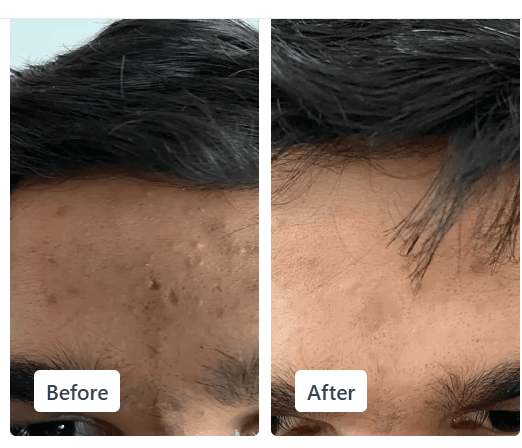
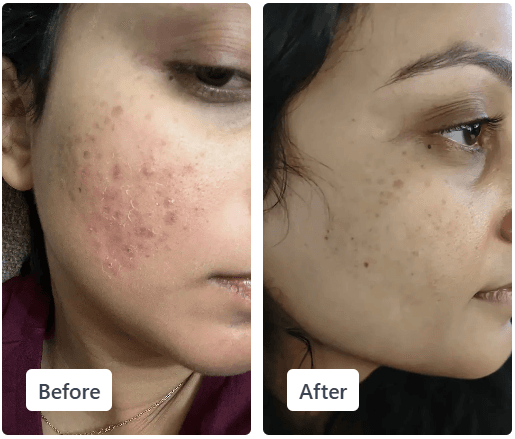
The Clear Ritual Skin Test can help you identify your skin type, its actual concerns, and the root cause of your acne, and get the treatment your skin needs.
Understand Your Acne
Assess your skin type, breakout pattern, sensitivity, oil production, and other skin concerns.
Take the Clear Ritual Skin Test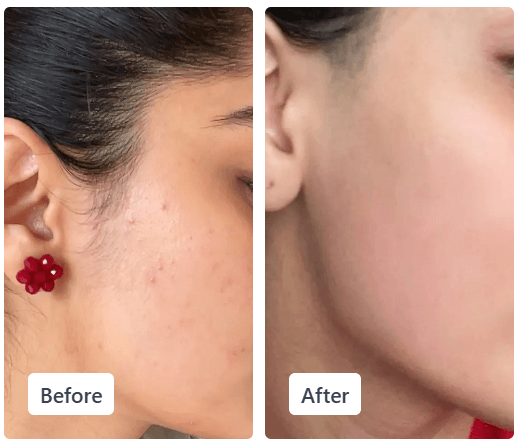
Frequently Asked Questions
Can ice remove acne?
No. Applying ice may temporarily reduce swelling and inflammation, but it does not cure or remove acne.
What is the best face wash for treating acne on oily skin?
A face wash containing salicylic acid or glycolic acid may be useful for oily, acne-prone skin because these ingredients can help remove excess oil and dead skin cells. However, the right cleanser depends on your skin’s sensitivity and the type of acne you have.
Can lack of sleep cause acne?
Yes. A recent study suggests that poor sleep may be associated with acne, although sleep is only one of several factors that can influence breakouts.
What is the best cure for acne?
There is no single cure for acne that works for everyone. The most effective acne treatment depends on factors such as your skin type, the underlying causes of your acne, and the severity of your breakouts.
Will your acne disappear if you eat better?
A healthy, balanced diet may help support acne management, particularly when it includes more lower-glycemic foods. However, diet alone may not clear acne completely, and you may still need medical treatment, particularly if you have persistent or moderate-to-severe acne.
References
Woolery-Lloyd, H., Baumann, L., & Ikeno, H. (2010). Sodium L-ascorbyl-2-phosphate 5% lotion for the treatment of acne vulgaris: A randomized, double-blind, controlled trial. Journal of Cosmetic Dermatology, 9(1), 22–27. DOI: 10.1111/j.1473-2165.2010.00480.x.https://onlinelibrary.wiley.com/doi/abs/10.1111/j.1473-2165.2010.00480.x
Kim, S., Park, T. H., Kim, W. I., Park, S., Kim, J. H., & Cho, M. K. (2021). The effects of green tea on acne vulgaris: A systematic review and meta-analysis of randomized clinical trials. Phytotherapy Research, 35(1), 374–383. DOI: 10.1002/ptr.6809.https://onlinelibrary.wiley.com/doi/abs/10.1002/ptr.6809
Raza, Q., Hina, R.-E., Nawaz, S., Safdar, M., Imran, K., Ashraf, U., & Imran, M. S. (2024). Effect of a Low-Glycemic-Load Diet and Dietary Counseling on Acne Vulgaris Severity Among Female Patients Aged 15 to 35 Years. Cureus, 16(11), e72886. DOI: 10.7759/cureus.72886.https://pmc.ncbi.nlm.nih.gov/articles/PMC11611413/
Kontochristopoulos, G., & Platsidaki, E. (2017). Chemical peels in active acne and acne scars. Clinics in Dermatology, 35(2), 179–182. DOI: 10.1016/j.clindermatol.2016.10.011.https://pubmed.ncbi.nlm.nih.gov/28274356/
American Academy of Dermatology. (n.d.). Acne: Diagnosis and treatment. American Academy of Dermatology.https://www.aad.org/public/diseases/acne/derm-treat/treat
Samaniego, M., Alonso, M., Sohail, N., & Mostaghimi, L. (2025). Sleep Disturbances and Acne: A Comprehensive Review. Dermatology Practical & Conceptual, 15(4), e20255530. DOI: 10.5826/dpc.1504a5530.https://pmc.ncbi.nlm.nih.gov/articles/PMC12615111/
Disclaimer
This article is intended for general informational purposes and is not a substitute for personalised medical advice, diagnosis, or treatment. Consult a qualified dermatologist if your acne is persistent, severe, painful, or causing scars.
Editorial Standards
Clear Ritual has Strict sourcing guidelines to ensure our content is accurate and current. We rely on peer-reviewed studies, academic research institutions, and medical associations. We strive to use primary sources and refrain from using tertiary references. See a mistake? Learn More about our Editorial Standards.
Related Articles
Acne After Waxing: Why Skin Breaks Out After Hair Removal
Published 16 July 2026
Acne Around the Mouth: Causes, Triggers and Treatment Options
Published 16 July 2026
Acne During Menopause: Why Breakouts Start Later in Life
Published 16 July 2026
Acne Breakout: Why It Happens All at Once and How to Calm It
Published 8 August 2026