Microneedling for Acne Scars: Procedure & Recovery
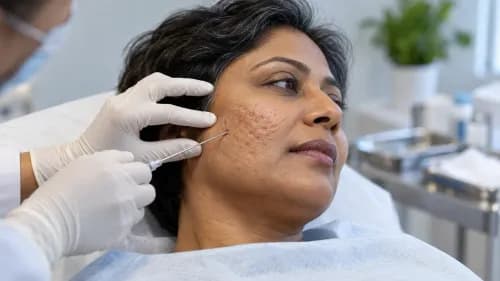
Microneedling treats acne scars by creating controlled micro-injuries that trigger collagen remodeling, gradually softening atrophic scars over multiple sessions. Most people need 3 to 6 sessions spaced 4 to 6 weeks apart, with each session followed by 3 to 5 days of redness, swelling, and mild peeling. Visible texture improvement begins around 4 to 6 weeks and continues developing for up to 6 months as new collagen matures. Microneedling is not recommended for active acne, keloid-prone skin, or certain skin conditions.
- Best suited for atrophic (depressed) acne scars, especially rolling scars
- Typically requires 3 to 6 sessions, spaced 4 to 6 weeks apart
- Recovery includes 3 to 5 days of redness and swelling, with full results appearing over 4 to 6 months
What Microneedling Does to Acne Scars
Acne scars form when inflammatory acne lesions damage the dermal layer beneath the skin's surface. When your body attempts to repair this damage, it often produces either too little collagen (creating depressed scars) or too much (forming raised scars). The majority of acne scars are atrophic, meaning the tissue sits below the surrounding skin level.
Microneedling addresses this by deliberately creating tiny punctures in the scar tissue. Your skin interprets these micro-injuries as damage requiring repair, which activates fibroblasts to produce fresh collagen and elastin. This new structural protein gradually fills in depressed areas and softens rigid scar tissue, improving overall skin texture.
The process essentially tricks your skin into repairing what it previously left incomplete. Unlike ablative laser treatments that remove entire layers of skin, microneedling preserves the epidermis while targeting the deeper dermal layers where scar tissue resides.
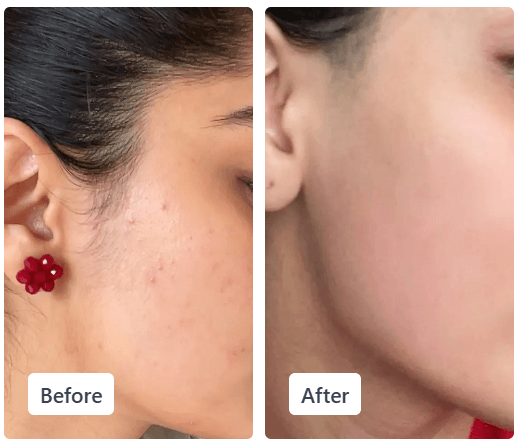
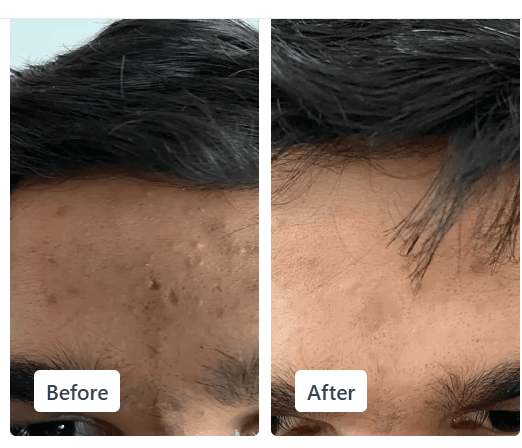
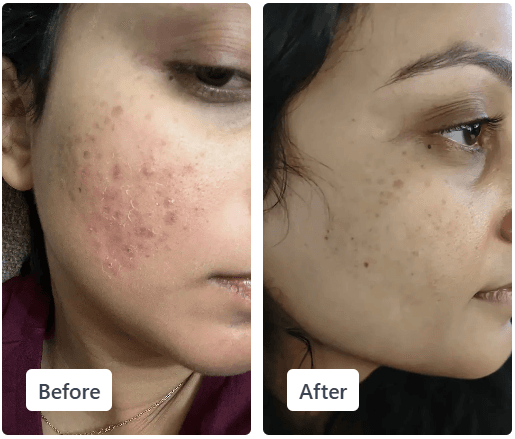
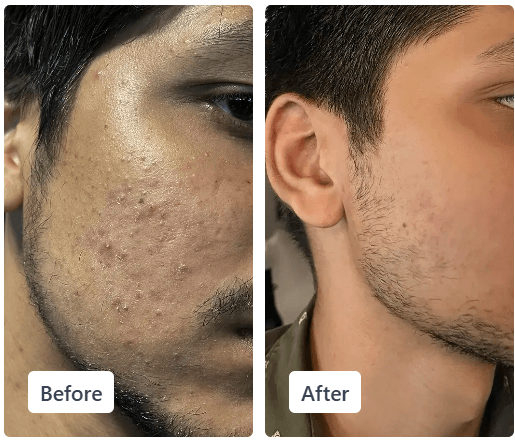
See real results, then start your own
Take the free Clear Ritual Skin Test and get a personalized routine built for your skin's unique patterns.
Understanding the Procedure
Professional vs At-Home Devices
Professional microneedling uses needles ranging from 0.5mm to 2.5mm in depth, depending on scar severity and skin thickness. Dermatologists and licensed aestheticians can legally use devices that penetrate deeper into the dermis where collagen remodeling occurs.
At-home rollers typically feature needles no longer than 0.25mm to 0.3mm. These devices may improve product absorption and provide minor surface benefits, but they cannot reach the dermal depth necessary for significant scar remodeling. The difference in penetration depth directly correlates with treatment effectiveness for acne scars.
What Happens During Treatment
Before the procedure begins, your provider cleanses your skin thoroughly and applies topical numbing cream. This anesthetic sits on your skin for 20 to 40 minutes to minimize discomfort during needling.
Once the area is numb, your provider uses either a microneedling pen (motorized device) or derma-roller (manual roller) to create controlled punctures across the treatment area. The pen delivers rapid vertical needle penetration, while rollers create slightly angled punctures due to their rolling motion. Most practitioners prefer pens for facial acne scars because they offer better precision and consistency.
The actual needling takes 15 to 30 minutes depending on the treatment area size. You'll feel pressure and mild scratching sensations despite the numbing cream. Your skin will look red and feel warm immediately after, similar to a moderate sunburn.
Many providers apply serums containing growth factors, hyaluronic acid, or peptides immediately post-treatment. The thousands of micro-channels allow these ingredients to penetrate deeper than they would on intact skin, potentially enhancing healing and collagen production.
Depth Selection Matters
Scar depth determines needle length selection. Shallow boxcar scars may respond to 0.5 to 1mm needling, while deep icepick or rolling scars often require 1.5 to 2.5mm penetration. Your provider assesses scar morphology before deciding on appropriate needle depth.
Deeper needling produces more dramatic collagen remodeling but requires longer recovery time and carries slightly higher risks of complications. Most people start with moderate depths and increase gradually if needed for stubborn scarring.
The Recovery Timeline
Immediate Aftermath (Day 0 to 1)
Your skin will appear bright red or pink immediately after microneedling, with possible pinpoint bleeding spots where needles penetrated deeper. This redness typically peaks within the first 6 to 12 hours and begins subsiding by the next morning.
Tightness and mild swelling are normal, especially around the cheeks and jawline where skin is thinner. Some people experience minor bruising if needles hit surface capillaries, though this is less common with experienced practitioners.
Your skin barrier is temporarily compromised during this phase. The micro-channels remain open for several hours, making your skin more vulnerable to irritation and infection. Avoid touching your face unnecessarily and keep everything that contacts your skin scrupulously clean.
Days 2 to 3
Redness transitions from bright red to pink or light brown depending on your natural skin tone. Your skin may feel rough or sandpapery as the top layer of damaged cells begins to shed. This texture change is normal and temporary.
Dryness and flaking often appear during this phase as your epidermis accelerates cell turnover. The temptation to pick at peeling skin is strong, but doing so can introduce bacteria into healing channels and potentially worsen scarring.
Some people notice temporary breakouts during this window. The purging occurs because microneedling can bring congestion to the surface faster than it would naturally emerge. This is different from an infection and typically resolves within a week.
Days 4 to 7
Most visible recovery signs fade during this period. Redness diminishes to subtle pinkness that's easily concealed with makeup. The rough texture smooths as new skin cells replace damaged ones.
Your skin may still feel slightly sensitive to touch and reactive to certain products. The deeper dermal healing continues even after surface symptoms resolve, so treating your skin gently remains important.
Weeks 2 to 4
Surface recovery completes, but the real work happens beneath. Fibroblasts continue producing collagen in response to the controlled injury. You won't see dramatic changes yet because collagen remodeling progresses slowly.
Your skin might appear slightly plumper or more luminous as hydration levels normalize and inflammation fully resolves. This temporary "glow" is common but doesn't represent the final scar improvement results.
Months 2 to 6
Gradual scar softening becomes noticeable as new collagen matures and contracts slightly. Depressed scars may appear less deep, and overall skin texture typically looks smoother. Results continue developing throughout this period, with maximum improvement usually visible around 6 months post-treatment.
Most acne scars require multiple sessions because one treatment cannot generate enough collagen to completely fill significant depressions. Providers typically space sessions 4 to 6 weeks apart to allow complete healing between treatments.
See real results, then start your own
Take the free Clear Ritual Skin Test and get a personalized routine built for your skin's unique patterns.
Recovery Care Guidelines
First 24 Hours
Keep your skin clean but minimize contact. Your provider will likely recommend a gentle cleanser and specify when you can first wash your face, usually 6 to 12 hours post-treatment. Use only lukewarm water and pat dry rather than rubbing.
Sleep with your head elevated on clean pillowcases to reduce swelling. Avoid sweating, exercise, hot showers, saunas, and steam rooms, as heat and moisture can increase infection risk while channels remain open.
Skip all active ingredients including retinoids, acids, vitamin C, and benzoyl peroxide. Your compromised skin barrier cannot handle these ingredients during early healing.
First Week
Apply only products your provider specifically approves. Most recommend basic, fragrance-free moisturizers and gentle cleansers. Some protocols include healing ointments or growth factor serums for the first few days.
Sun exposure is particularly damaging during this period. Your skin lacks its normal protective capacity, and UV exposure can trigger post-inflammatory hyperpigmentation that's difficult to resolve. Physical sunscreens with zinc oxide or titanium dioxide are preferable to chemical filters, which can irritate healing skin.
Avoid makeup for at least 24 to 48 hours, longer if possible. When you do resume makeup, ensure all brushes and sponges are freshly cleaned to prevent bacterial introduction.
Weeks 2 to 4
Gradually reintroduce active ingredients if your skin tolerates them. Start with lower concentrations and observe how your skin responds. Some temporary sensitivity to products you previously used without issue is normal.
Continue diligent sun protection. The new collagen forming in your dermis is vulnerable to UV damage, and protecting it optimizes your final results.
What Influences Results
Scar Type Response Rates
Rolling scars typically respond best to microneedling because these scars have tethered fibrous bands pulling skin downward. Needling releases these bands while stimulating collagen production, addressing both aspects of the problem.
Boxcar scars with sloped edges respond moderately well. Shallow boxcar scars improve more dramatically than deep ones because less collagen is needed to achieve visible filling.
Icepick scars respond least favorably to microneedling alone. These narrow, deep scars require substantial collagen production in a very small area. Many dermatologists combine microneedling with other techniques like TCA CROSS (chemical spot treatment) for optimal icepick scar improvement.
Skin Biology Factors
Your natural collagen production capacity affects results. Younger skin generally produces collagen more robustly in response to injury. However, people in their 40s and 50s still achieve meaningful improvement, though they may need additional sessions.
Smoking significantly impairs wound healing and collagen synthesis. Nicotine constricts blood vessels, reducing oxygen and nutrient delivery to healing tissue. Smokers typically experience slower recovery and less dramatic results.
Nutrition plays a supporting role in collagen production. Your body needs adequate protein, vitamin C, zinc, and copper to synthesize collagen efficiently. While supplements won't transform poor results into excellent ones, deficiencies can impair optimal healing.
Sleep deprivation elevates cortisol and impairs cellular repair processes. Your skin does most of its regenerative work during deep sleep, so chronic sleep disruption can slow the collagen remodeling process.
Treatment Technique Variables
Needle depth, session frequency, and the number of passes over each area influence outcomes. More aggressive treatment isn't always better, excessive trauma can trigger scarring rather than controlled remodeling.
The specific device used matters less than operator skill. An experienced provider achieves better results with consistent needle depth and appropriate treatment density.
Potential Complications and Warning Signs
Most people experience straightforward recovery without complications, but problems occasionally occur.
Infection Signs
Increasing redness, warmth, and tenderness after the first 48 hours can indicate infection. Pus, yellow crusting, or foul odor are clear warning signs requiring immediate medical attention. Infection risk increases with poor aftercare hygiene or touching your face with unclean hands.
Post-Inflammatory Hyperpigmentation
Darker skin tones face higher risk of developing dark spots after microneedling. This happens when inflammation triggers excess melanin production. Aggressive treatment depths, inadequate sun protection, and treating skin with active inflammation (including active acne) increase this risk.
If you notice darkening beyond normal post-procedure pinkness, contact your provider promptly. Early intervention with appropriate treatments can prevent temporary darkening from becoming persistent.
Prolonged Redness
Redness lasting beyond two weeks may indicate excessive inflammation or sensitivity reaction. This occurs more commonly in people with rosacea, sensitive skin, or thin skin. While usually benign, extended redness warrants provider evaluation.
Scarring from Treatment
Though rare, microneedling can occasionally worsen scarring or create new scars. This typically results from excessive depth, treating over active acne, or infection during healing. Keloid-prone individuals face higher risk and often should avoid microneedling entirely.
Who Should Avoid Microneedling
Microneedling isn't appropriate for everyone with acne scars. Active acne needs treatment and clearance before addressing scars, as needling over inflamed lesions spreads bacteria and can worsen inflammation.
People with active skin infections, including cold sores in the treatment area, must postpone treatment. Needling can spread viral or bacterial infections across the face.
Keloid scarring history represents a contraindication. If your body responds to injury by producing excessive scar tissue, microneedling's controlled injuries may trigger keloid formation.
Blood clotting disorders or blood thinner medications increase bruising and bleeding risks. Discuss your medical history thoroughly with your provider before proceeding.
Certain autoimmune conditions and skin disorders require careful evaluation. Providers may modify protocols or recommend alternative treatments depending on your specific situation.
Pregnancy and breastfeeding typically warrant postponement, primarily because topical numbing agents cross into bloodstream in small amounts.
Realistic Expectation Setting
Microneedling improves acne scar appearance but rarely achieves complete scar elimination. Most people experience 30 to 50% improvement in scar depth and texture after a full treatment series. This visible softening often significantly improves overall complexion appearance and texture.
Deep, extensive scarring requires more sessions for noticeable change. Some severe scars improve only modestly despite multiple treatments, particularly old, established scars with significant collagen loss.
Combining microneedling with other treatments sometimes enhances results. Your provider might suggest chemical peels, laser therapy, subcision (releasing tethered scars), or filler injections as complementary approaches for stubborn scarring.
Maintenance sessions every 6 to 12 months may help sustain results, though this varies individually. Your skin continues aging and responding to environmental factors after treatment completion, and collagen naturally degrades over time.
How Clear Ritual Supports Personalized Skincare Decisions
Clear Ritual understands that acne scarring is more than a surface issue. It is shaped by genetics, skin renewal cycles, environmental factors, and the products you use.
Because acne scarring forms when acne lesions damage the dermal layer and trigger uneven collagen production, generic solutions rarely bring lasting improvement. Clear Ritual combines traditional wisdom, Ayurveda, modern dermatology, and advanced skin science, to address the underlying causes of acne scarring, including the hormonal fluctuations, excess sebum production, bacterial overgrowth, and inflammatory responses that drive breakouts, along with habits like harsh cleansing, picking lesions, and delayed acne treatment that can worsen scarring risk.
The Clear Ritual Skin Test analyses your skin's unique patterns and daily influences to help identify the best routine for supporting healthy skin and reducing acne scar recurrence.
See real results, then start your own
Take the free Clear Ritual Skin Test and get a personalized routine built for your skin's unique patterns.
Conclusion
Microneedling offers a proven way to soften atrophic acne scars by triggering the skin's natural collagen remodeling process, though it requires multiple sessions and several months for full results to appear. Recovery typically involves a short period of redness and sensitivity followed by gradual texture improvement, with the best outcomes seen in rolling and boxcar scars. Because results depend on scar type, skin biology, and technique, working with an experienced provider and following aftercare guidance closely helps maximize improvement while minimizing risks like hyperpigmentation or infection.
Frequently Asked Questions
How painful is microneedling for acne scars?
With topical numbing cream, most people describe the sensation as moderate pressure with occasional scratching or stinging. Discomfort is tolerable for most patients and lasts only during the 15 to 30 minute procedure. Deeper needle penetration for severe scars creates more sensation than shallow treatment.
Can I wear makeup after microneedling?
Wait at least 24 hours before applying makeup, preferably 48 to 72 hours. Micro-channels remain open for several hour
Editorial Standards
Clear Ritual has Strict sourcing guidelines to ensure our content is accurate and current. We rely on peer-reviewed studies, academic research institutions, and medical associations. We strive to use primary sources and refrain from using tertiary references. See a mistake? Learn More about our Editorial Standards.
Related Articles
Chemical Peels for Acne Scar Reduction
Published 17 July 2026
Subcision for Acne Scars: How It Works, Results, Cost & What to Expect
Published 16 September 2026
Retinol in Acne Scar Management
Published 17 July 2026
Does Vitamin C Really Help Acne Scars? Here's the Honest Answer
Published 15 September 2026