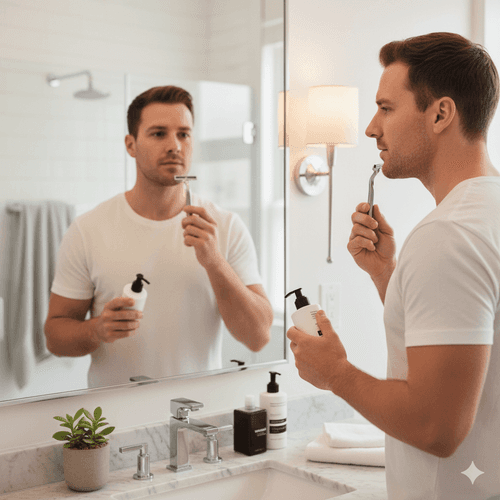
Dermatologist-Approved Blackhead Removal Routine: 7 Steps That Actually Work
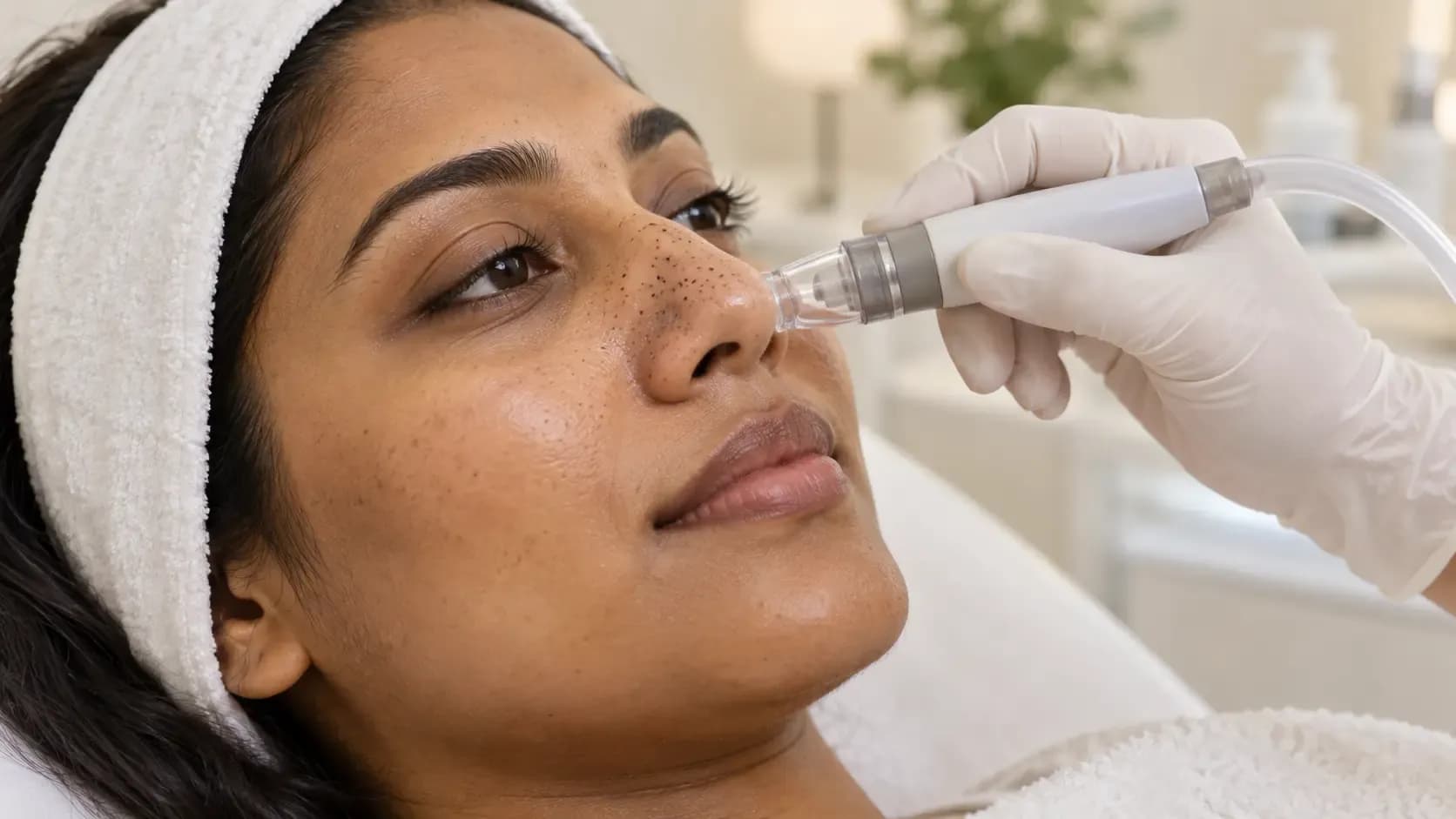
No single product clears blackheads for good , not the pore strip, not the charcoal mask, not even the dermatologist's extraction tool. What works is a consistent, layered blackhead removal routine that addresses three root causes simultaneously: excess oil production, dead skin cell buildup, and a disrupted skin barrier.
A blackhead removal routine is a daily and weekly skincare system combining gentle cleansing, chemical exfoliation, targeted active treatments, and barrier-repair moisturisation to dissolve existing blackheads and prevent new ones from forming. According to Clear Ritual's dermatology team, consistency , not aggressive squeezing or over-cleansing , is what keeps pores clear long term.
What Are Blackheads and Why Do They Keep Coming Back?
Blackheads , medically called open comedones , form when excess sebum (skin oil) and dead keratinocytes clog a hair follicle. Because the clog sits at the surface with the follicle opening exposed to air, the trapped sebum oxidises and turns dark. That dark colour is oxidisation, not dirt , which is why scrubbing harder does not remove blackheads and often makes them worse.
Blackheads return repeatedly because most people only treat the visible plug, not the environment that created it. The three root causes that keep them coming back are:
- Excess sebum production , driven by genetics, hormones, or a stripped skin barrier that overcompensates with oil
- Irregular skin cell shedding , dead keratinocytes accumulate inside the follicle instead of shedding normally
- A damaged skin barrier , caused by harsh cleansers, physical scrubs, or over-exfoliation, which triggers rebound oiliness
Blackhead removal at home is possible for most mild to moderate cases. However, deep or persistent blackheads , particularly those on the nose or chin that do not respond to eight to twelve weeks of topical treatment , may require dermatologist blackhead removal through professional extraction or prescription retinoids.
Understanding this cycle is the first step. The seven-step routine below addresses all three root causes at the same time.
Step 1: Cleanse Gently With a pH-Balanced, Sulfate-Free Formula
Cleansing is the foundation of every effective blackhead removal routine. The goal is to remove excess oil, debris, and surface impurities without stripping your skin's natural barrier. A pH-balanced, sulfate-free cleanser maintains the acid mantle while preventing pore congestion.
Why this matters: Foaming cleansers with strong sulfates lower skin pH and remove too much sebum, triggering rebound oil production. This makes blackheads worse, not better.
Dermatologist-recommended cleansing ingredients for blackhead removal:
- Salicylic acid (BHA) at 0.5–2% , oil-soluble, penetrates into sebum-filled follicles and dissolves the keratin plug
- Zinc PCA , regulates sebum production at the follicle level
- Tea tree oil , provides antibacterial benefits to reduce bacterial load inside pores
- PHA (gluconolactone) , delivers gentle surface exfoliation suitable for sensitive skin types
Cleansing frequency and formula guide by skin type:
| Skin Type | Best Cleanser Format | Key Ingredients | Frequency |
|---|---|---|---|
| Oily / acne-prone | Gel cleanser | Salicylic acid, Zinc PCA | Twice daily |
| Dry / sensitive | Cream or milk cleanser | PHA, ceramides | Once or twice daily |
| Normal / combination | Gel or foam | Salicylic acid or PHA | Twice daily |
According to Clear Ritual's skincare formulation team, the single most common mistake in blackhead removal at home is using a cleanser that is too harsh , which paradoxically increases oil production and worsens pore congestion within two to three weeks.
Step 2: Exfoliate With Chemical Exfoliants , Not Physical Scrubs
Exfoliation is where most blackhead removal routines go wrong. Physical scrubs , including walnut shell powders, sugar granules, and rough-textured pads , create micro-tears in the skin and generate a low-grade inflammatory response that impairs barrier function over time. A 2021 review in the British Journal of Dermatology confirmed that physical exfoliants produce measurable micro-inflammation that chemical exfoliants at appropriate concentrations do not.
Chemical exfoliants dissolve the bonds between dead skin cells and the follicle lining , clearing congestion without mechanical damage.
Why chemical exfoliation is more effective for blackhead removal:
- BHAs (salicylic acid) , oil-soluble; penetrate directly into the sebum-filled follicle and dissolve the plug from inside the pore
- AHAs (glycolic acid, lactic acid) , water-soluble; break bonds between dead corneocytes on the skin surface; gentler for dry or sensitive skin
- AHA + BHA combination , addresses both surface cell buildup and deep follicle congestion; ideal for stubborn blackheads on the nose and chin
Recommended frequency: 2–3 times per week. Using exfoliants daily is one of the most common causes of barrier damage and rebound oiliness in people managing blackheads.
Common exfoliation mistakes to avoid:
- Over-exfoliating beyond three sessions per week
- Layering strong actives in one application (e.g., retinoids and acids on the same night)
- Skipping moisturiser after exfoliation , this is non-negotiable for barrier integrity
- Using a blackhead removal mask with exfoliating actives on already-irritated skin
Clear Ritual recommends introducing one chemical exfoliant at a time and assessing skin tolerance over two weeks before adding a second active.
Step 3: Steam or Warm Compress to Prep Pores (Optional but Effective)
Steaming is an optional but clinically logical prep step before blackhead extraction or application of a blackhead removal mask. Heat softens the keratin plug inside the follicle, allows pores to relax, and helps chemical exfoliants penetrate more effectively immediately afterward.
How to steam safely before blackhead removal at home:
- Boil water and transfer to a bowl, or use a facial steamer set to a low temperature.
- Drape a towel over your head to contain the steam.
- Keep your face 15–20 cm away from the steam source , closer risks capillary damage.
- Limit steaming to 5–7 minutes maximum.
- Pat skin dry gently with a clean towel immediately afterward.
- Apply your chemical exfoliant or proceed to extraction within two to three minutes.
What to avoid during steaming: Do not squeeze with fingernails directly after steaming. The softened skin is more vulnerable to tearing and scarring. Use a clean comedone extractor or allow a professional to handle stubborn or deep blackheads.
Steaming is particularly useful as a prep step before a blackhead removal facial or a clay-based blackhead removal mask, as both benefit from slightly open, softened pores.
Step 4: Safe Extraction , How to Do It Without Causing Damage
Extraction is the mechanical removal of the blackhead plug from the follicle. When done correctly, it provides immediate clearance. When done incorrectly , with fingernails, unsterilised tools, or excessive force , it pushes follicle contents deeper into the dermis, triggering inflammation, scarring, and post-inflammatory hyperpigmentation.
DIY vs professional extraction , an honest comparison:
| Method | Effectiveness | Risk Level | Cost | Best For |
|---|---|---|---|---|
| DIY with comedone tool | Moderate for superficial blackheads | Low if done correctly | Negligible | Small, visible blackheads on the nose and chin |
| Professional dermatologist blackhead removal | High for deep and stubborn blackheads | Low in clinical setting | ₹1,500–₹5,000 per session | Deep, firm, or cystic blackheads |
| Blackhead removal strips / nose strip blackhead removal | Low; removes sebaceous filaments only | Low | Low | Not recommended by dermatologists for true blackheads |
Safe DIY extraction protocol:
- Cleanse skin thoroughly with a BHA cleanser.
- Steam for 5–7 minutes.
- Pat skin dry with a clean towel.
- Sterilise a comedone extractor with 70% isopropyl alcohol.
- Centre the loop over the blackhead and apply slow, even, downward pressure.
- Release immediately if the blackhead does not yield , do not increase force.
- Apply a calming toner or niacinamide serum to the area after extraction.
Dermatologist guidance from Clear Ritual's clinical team: "If it doesn't come out with gentle, even pressure, it is not ready. Forcing extraction can damage the follicle wall, cause scarring, and enlarge the pore permanently."
A note on blackhead removal strips and nose strip blackhead removal: Pore strips and nose strips for blackhead removal are widely available and appear to work because they remove visible material from the skin surface. However, the American Academy of Dermatology has confirmed that pore strips primarily remove sebaceous filaments , normal, healthy follicular contents , not true open comedones. They do not change the follicular environment and do not reduce blackhead recurrence. Dermatologists consistently advise against relying on blackhead removal strips as a primary treatment strategy.
Step 5: Targeted Treatments to Clear Existing Blackheads and Prevent New Ones
Post-cleansing and post-exfoliation, active treatment ingredients regulate oil production, normalise skin cell turnover, and prevent follicle congestion from restarting. This step separates a blackhead removal routine from a basic skincare routine.
Key active ingredients for blackhead removal treatment:
- Adapalene 0.1% (retinoid) , normalises the skin cell renewal cycle inside the follicle; prevents dead cells from clumping. A 2019 meta-analysis in the Journal of the American Academy of Dermatology found that topical retinoids reduce total comedone count by 40–70% after 12 weeks of nightly use.
- Tretinoin 0.025–0.05% (prescription retinoid) , stronger than adapalene; appropriate for persistent blackheads that do not respond to OTC options after 12 weeks
- Niacinamide 4–10% , reduces sebum excretion at the follicle level and strengthens the skin barrier; does not remove blackheads directly but reduces the raw material that forms them
- Clay masks (kaolin, bentonite) , absorb excess sebum from the pore surface; suitable as a blackhead removal mask used once per week; complement rather than replace chemical exfoliation
- Benzoyl peroxide 2.5% , primarily antibacterial; relevant when blackheads are beginning to transition to inflammatory pimples; not first-line for pure non-inflammatory blackheads
Layering order for active treatment:
- Cleanse
- Exfoliate (on exfoliation days)
- Apply targeted treatment (niacinamide in AM; adapalene in PM)
- Moisturise
- SPF (morning only)
Blackhead removal cream options: A blackhead removal cream containing either adapalene or a BHA+niacinamide combination is more effective than a standalone blackhead removal cream with only kaolin or charcoal. Clear Ritual's formulation guidelines specify that the most effective blackhead removal creams include at minimum one follicle-normalising ingredient, not just an absorbing agent.
Step 6: Hydration and Barrier Repair , The Step Most People Skip
Hydration is consistently underestimated in blackhead care. Dehydrated skin increases sebum production to compensate for lost moisture , creating exactly the excess oil that feeds new blackhead formation. A 2006 double-blind trial in the International Journal of Dermatology found that topical niacinamide significantly reduced casual sebum excretion rate over four weeks, supporting the role of barrier repair in oil control.
What to look for in a non-comedogenic moisturiser for blackhead-prone skin:
- Hyaluronic acid , draws moisture into the skin without adding oil
- Ceramides , repair the lipid barrier and reduce transepidermal water loss
- Squalane , lightweight plant-derived emollient that balances oil levels without clogging follicles
- Glycerin , humectant that maintains skin hydration throughout the day
What to avoid: Heavy mineral oils, coconut oil, cocoa butter, and isopropyl myristate , all of which are comedogenic and will worsen blackhead formation on acne-prone skin.
Always look for "oil-free" and "non-comedogenic" on the label. A blackhead removal facial or clay blackhead removal mask session should always be followed by a ceramide-rich moisturiser to restore the barrier.
According to Clear Ritual, skipping moisturiser after using active ingredients is one of the five most common reasons blackhead removal routines fail , the resulting barrier damage triggers the rebound oiliness that keeps blackheads returning.
Step 7: SPF and Lifestyle Maintenance to Keep Pores Clear Long Term
UV exposure accelerates sebum oxidation and worsens existing blackhead density. It also degrades the skin barrier over time, increasing the likelihood of follicle congestion. Daily SPF is not optional in a blackhead removal routine , it is a prevention tool.
Daily maintenance protocol:
- Morning: Cleanse → Niacinamide serum → Non-comedogenic moisturiser → SPF 30 or higher
- Evening: Cleanse → (Exfoliant 2–3x/week) → Adapalene → Ceramide moisturiser
- Weekly: Clay blackhead removal mask once per week to manage excess sebum
Weekly and monthly habits that support blackhead prevention:
| Frequency | Action | Why It Helps |
|---|---|---|
| Daily | Change pillowcase or use a clean towel | Reduces bacterial and oil transfer to skin overnight |
| Daily | Clean phone screen | Phone screens carry sebum and bacteria that transfer to the chin and cheek area |
| Weekly | Clay blackhead removal mask | Absorbs excess sebum between exfoliation sessions |
| Weekly | Dietary audit , reduce high-glycaemic foods and dairy | A 2020 systematic review in Nutrients linked high-glycaemic diets to increased sebum production and comedone formation |
| Monthly | Dermatologist blackhead removal or professional facial | Addresses deep or stubborn blackheads that topical treatment cannot fully clear |
Pore-clogging habits to eliminate:
- Sleeping with makeup on
- Using heavy facial oils (argan, coconut, rosehip) on blackhead-prone zones
- Applying a heavy occlusive sunscreen as a final step without checking comedogenicity rating
- Ignoring sunscreen entirely , UV exposure worsens sebum oxidation and uneven skin texture
Best Ingredients for Blackhead Removal: What the Evidence Shows
The ingredient you choose matters more than the product format. Clear Ritual's dermatology team consistently recommends the same five active ingredients because each targets a different step in the comedone formation process.
Salicylic Acid (BHA) , First-Line for Blackhead Removal
Salicylic acid is the most evidence-backed ingredient for blackhead removal. It is oil-soluble, which means it penetrates into the sebum-filled follicle rather than sitting on the skin surface. At concentrations of 0.5–2%, it dissolves the keratin plug and reduces the stickiness of dead skin cells so they shed normally. A 2014 randomised controlled trial in the Journal of Dermatological Treatment found that a 2% salicylic acid wash reduced open and closed comedone count by 47% after eight weeks, compared to 34% reduction with a 4.5% benzoyl peroxide wash , with a significantly lower irritation rate.
Adapalene , For Long-Term Blackhead Prevention
Adapalene 0.1% is the only retinoid available over the counter in most countries and has the strongest evidence for comedonal acne. A 2019 meta-analysis in the Journal of the American Academy of Dermatology reviewing 31 randomised controlled trials found that adapalene 0.1% gel reduced total comedone count by approximately 60% after 12 weeks of nightly use.
Niacinamide , The Supporting Ingredient
Niacinamide (vitamin B3) does not remove blackheads directly. It earns its place in a blackhead removal routine by reducing sebum production at the follicle level and strengthening the skin barrier , reducing the raw material for new blackheads. Concentrations of 4–10% are effective; higher concentrations do not appear to add benefit.
AHAs (Glycolic Acid, Lactic Acid) , Surface Clearance
AHAs work on the skin surface by loosening bonds between dead skin cells and improving uneven texture. They do not penetrate oil-filled follicles as effectively as salicylic acid, so they are usually better suited to surface buildup than blackhead removal alone. Avoid layering an AHA, salicylic acid, and a retinoid in the same routine unless a dermatologist has advised it.
Clay Masks, Temporary Oil Absorption
Clay masks can absorb surface oil and make pores look cleaner temporarily, but they do not dissolve the full follicular plug. Use them as an optional weekly step rather than the foundation of a blackhead routine, and stop if the skin becomes tight or irritated.
How Long Does a Blackhead Removal Routine Take to Work?
| Timeframe | What You May Notice |
|---|---|
| Weeks 1 to 2 | Oiliness may feel more manageable, but most existing plugs remain visible |
| Weeks 3 to 6 | Some blackheads begin loosening and skin texture may feel smoother |
| Weeks 8 to 12 | More noticeable reduction in recurring congestion with consistent use |
| After 12 weeks | Persistent blackheads may need routine adjustment or professional assessment |
The exact timeline depends on congestion severity, product tolerance, consistency, and whether pore-clogging products or habits continue.
When Should You See a Dermatologist for Blackheads?
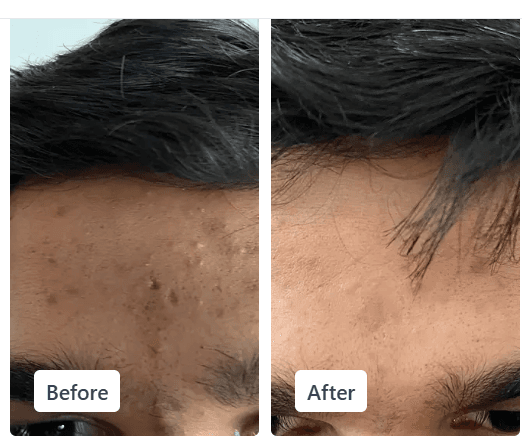
Consider professional assessment if dense blackheads remain despite eight to twelve weeks of consistent care, home extraction has caused injury, or the bumps are painful, inflamed, or leaving marks.
A dermatologist can confirm whether the bumps are open comedones, sebaceous filaments, milia, or another concern. Professional extraction and prescription retinoids may be considered when suitable.
Clear Ritual's Perspective on Blackhead Removal
Blackhead care works best when it targets the conditions that create follicular plugs rather than repeatedly removing what is visible. A consistent routine can support normal cell shedding, manage excess oil, and reduce new congestion without damaging the skin barrier.
At Clear Ritual, we believe the routine should reflect your skin's oil production, sensitivity, current actives, and breakout pattern. More exfoliation is not automatically better, especially when irritation makes the routine difficult to maintain.
Build a Routine for Your Blackhead Pattern
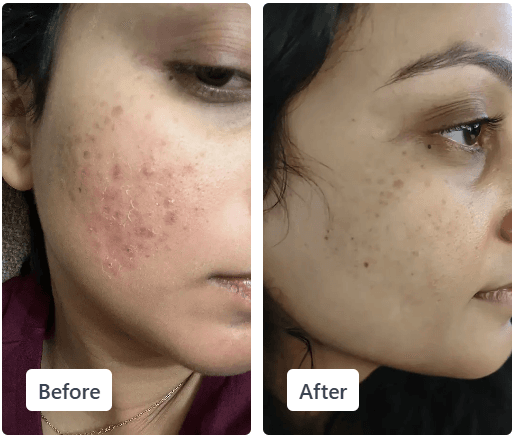
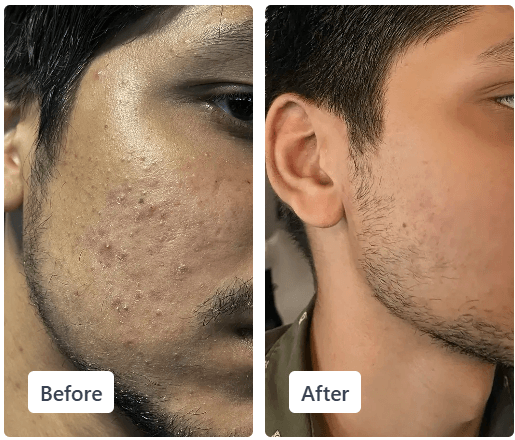
Take the Clear Ritual Skin Test to understand your congestion, oil levels, and skin sensitivity before choosing active ingredients.
Take the Skin Test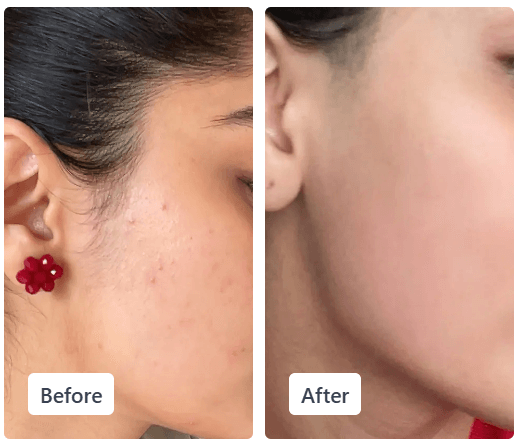
Frequently Asked Questions
1. What is the best routine for removing blackheads?
A consistent routine with gentle cleansing, salicylic acid, suitable moisturisation, daily sun protection, and a gradually introduced retinoid when appropriate can help reduce blackheads.
2. Can you permanently remove blackheads?
Blackheads can return because follicles continue producing oil and shedding cells. Ongoing maintenance is usually needed even after visible plugs improve.
3. Should you squeeze blackheads?
No. Squeezing can damage the follicle, cause inflammation, and increase the risk of marks. Persistent plugs are safer to address through suitable skincare or professional extraction.
4. How often should you use salicylic acid for blackheads?
Frequency depends on the formulation and your skin's tolerance. Start gradually according to the product directions and reduce use if dryness, burning, or irritation develops.
5. Are pore strips effective for blackheads?
Pore strips may remove some surface material temporarily, but they do not change oil production or cell buildup inside the follicle, so blackheads can return.
References
- American Academy of Dermatology: Blackheads and whiteheads
- American Academy of Dermatology: Acne diagnosis and treatment
- NICE: Acne vulgaris management recommendations
- DermNet: Comedonal acne
Disclaimer
This article is intended for general informational purposes and is not a substitute for personalised medical advice, diagnosis, or treatment. Consult a qualified dermatologist if blackheads are persistent, inflamed, painful, or causing scarring.
Editorial Standards
Clear Ritual has Strict sourcing guidelines to ensure our content is accurate and current. We rely on peer-reviewed studies, academic research institutions, and medical associations. We strive to use primary sources and refrain from using tertiary references. See a mistake? Learn More about our Editorial Standards.