Medical Treatments for Pimples
Medical treatments for pimples target the root causes of acne, clogged pores, bacteria, inflammation, and excess oil, using prescription-strength topicals, oral medications, and in-office procedures. A dermatologist matches treatment to acne type, severity, and skin sensitivity, and most approaches need 6 to 12 weeks of consistent use before visible improvement appears.
- Topical retinoids, antibiotics, and azelaic acid for mild to moderate acne
- Oral antibiotics, hormonal medications, or isotretinoin for severe or hormonal acne
- Chemical peels, extractions, light therapy, and corticosteroid injections as in-office options
Pimples develop when hair follicles become clogged with oil and dead skin cells, leading to bacterial growth and inflammation. Medical treatments target this process through ingredients that unclog pores, reduce bacteria, control oil production, or calm inflammation, offering faster and more consistent results than over-the-counter options alone.
What Makes Medical Treatments Different
Medical treatments for pimples go beyond surface-level care. While drugstore products contain lower concentrations of active ingredients, prescription-strength formulas penetrate deeper into the skin's layers where acne actually forms. These treatments are backed by clinical research and tailored to your specific acne type, whether that involves comedones, inflammatory papules, pustules, or nodular cysts.
The key difference lies in potency and precision. A dermatologist can prescribe exact concentrations that match your skin's tolerance and acne severity. They also monitor your progress and adjust the regimen as your skin responds, something impossible with self-treatment alone.
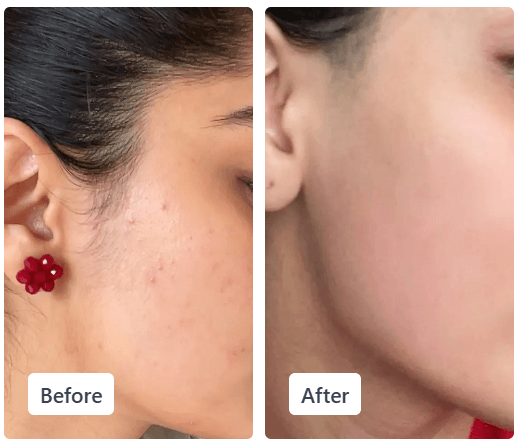
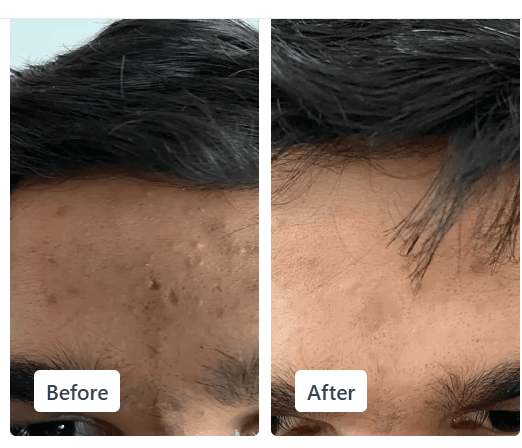
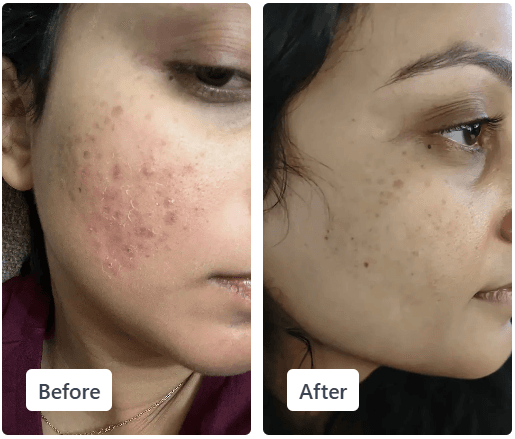
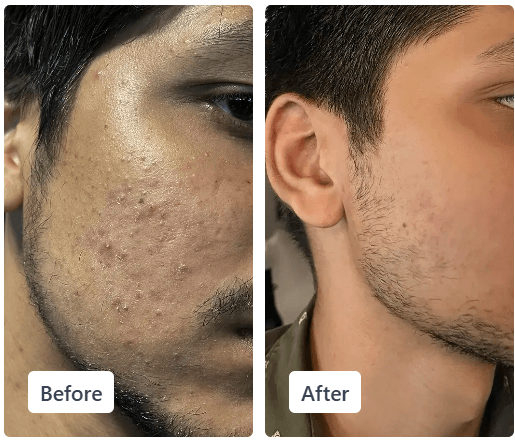
See real results, then start your own
Take the free Clear Ritual Skin Test and get a personalized routine built for your skin's unique patterns.
How Pimples Form: Understanding the Target
Before exploring treatments, it helps to understand what happens beneath the skin's surface. Each hair follicle contains a sebaceous gland that produces sebum, an oily substance that normally protects and moisturizes skin. When dead skin cells aren't shed properly, they mix with sebum and create a plug inside the follicle opening.
This environment becomes ideal for Cutibacterium acnes bacteria to multiply rapidly. As bacterial populations grow, your immune system responds with inflammation, sending white blood cells to the area. This immune response causes the redness, swelling, and pain associated with inflamed pimples. Hormonal fluctuations, stress-related cortisol spikes, dietary factors, and disrupted skin barrier function can all amplify this process.
Topical Prescription Treatments
Retinoids
Prescription retinoids like tretinoin, adapalene, and tazarotene are vitamin A derivatives that work at the cellular level. They speed up skin cell turnover, preventing dead cells from accumulating inside follicles. This prevents new clogs from forming while clearing existing ones.
Retinoids also reduce inflammation and improve how skin cells mature and shed. The skin barrier gradually becomes more organized, and over time, pore walls strengthen. Users typically notice improvement after 8 to 12 weeks, though initial dryness and mild irritation are common as skin adjusts.
Because retinoids increase photosensitivity, evening application is standard. Starting with lower concentrations and gradually increasing frequency helps minimize irritation. These medications require consistent use, stopping treatment often leads to acne returning.
Topical Antibiotics
Clindamycin and erythromycin are common topical antibiotics prescribed to reduce Cutibacterium acnes populations on the skin. By decreasing bacterial counts, these treatments lower the inflammatory response that creates red, painful pimples.
Dermatologists rarely prescribe topical antibiotics alone due to antibiotic resistance concerns. Instead, they're typically combined with benzoyl peroxide or retinoids. This combination approach targets multiple acne factors simultaneously while reducing the risk of resistant bacterial strains developing.
Azelaic Acid
This naturally occurring acid works through multiple mechanisms, it unclogs pores, reduces inflammation, kills bacteria, and fades post-inflammatory hyperpigmentation. Prescription-strength azelaic acid (typically 15 to 20%) is particularly helpful for patients who cannot tolerate retinoids or who struggle with dark spots left behind after pimples heal.
The ingredient is generally well-tolerated across different skin tones and causes less irritation than many other prescription options. It works gradually, with visible improvements emerging after several weeks of consistent application.
Benzoyl Peroxide (Prescription Strength)
While available over-the-counter, prescription formulations contain higher concentrations or specialized delivery systems. Benzoyl peroxide releases oxygen inside follicles, creating an environment where Cutibacterium acnes cannot survive. It also has mild exfoliating properties that help prevent pore blockages.
This ingredient can be drying and may bleach fabrics, so careful application matters. It's frequently combined with other medications to enhance effectiveness.
See real results, then start your own
Take the free Clear Ritual Skin Test and get a personalized routine built for your skin's unique patterns.
Oral Medications
Oral Antibiotics
When topical treatments aren't sufficient, oral antibiotics like doxycycline, minocycline, or azithromycin may be prescribed for moderate to severe inflammatory acne. These systemic medications reduce bacterial populations throughout the body and have anti-inflammatory effects beyond just killing bacteria.
Treatment courses typically last 3 to 6 months. Dermatologists monitor patients closely because long-term antibiotic use carries risks including digestive upset, photosensitivity, and antibiotic resistance. Oral antibiotics are transitional treatments, once acne improves, patients usually switch to topical maintenance therapy.
Hormonal Treatments
For individuals with hormonal acne patterns, breakouts around the jawline, chin, and lower face that worsen with menstrual cycles, hormonal medications may help. Birth control pills containing estrogen and progestin can regulate hormones that trigger excess oil production.
Spironolactone, an androgen blocker, reduces the effects of male hormones on sebaceous glands. It decreases oil production and can significantly improve hormonal acne, though it requires several months to show full effects. These medications require ongoing monitoring by healthcare providers.
Isotretinoin
For severe, scarring, or treatment-resistant acne, isotretinoin represents the most powerful option available. This oral retinoid dramatically reduces sebaceous gland size and oil production, prevents follicles from clogging, reduces inflammation, and alters skin cell development patterns.
Treatment courses typically last 4 to 6 months, with many patients experiencing long-term remission or permanent improvement. However, isotretinoin requires careful medical supervision due to potential side effects including severe dryness, photosensitivity, mood changes, and birth defects if taken during pregnancy. Regular blood tests and pregnancy prevention measures are mandatory.
In-Office Procedures
Chemical Peels
Medical-grade chemical peels use acids like salicylic, glycolic, or trichloroacetic acid at concentrations far higher than home products. These treatments exfoliate the skin's outer layers, unclog pores, reduce oil buildup, and stimulate cellular renewal.
Multiple sessions spaced several weeks apart typically yield the best results. Peels complement medication by addressing surface-level congestion while prescriptions work deeper within follicles.
Extractions
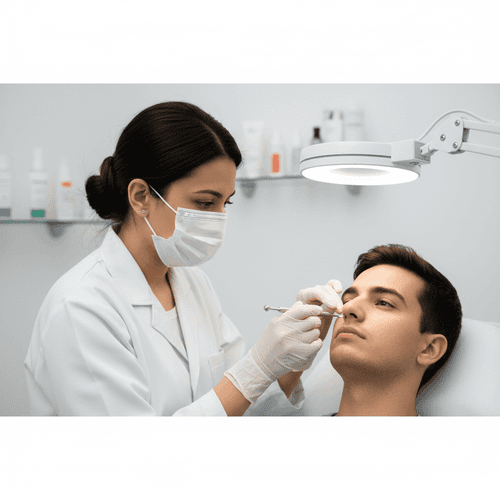
Dermatologists use specialized tools to safely remove stubborn comedones and clear blocked pores. Professional extraction prevents the scarring and infection risk that comes with picking or squeezing at home. This procedure works best when combined with medications that prevent new clogs from forming.
Light and Laser Therapies
Certain wavelengths of light can kill acne-causing bacteria, reduce inflammation, and shrink sebaceous glands. Blue light targets bacteria, while red light addresses inflammation. Laser treatments may improve scarring and reduce oil production, though multiple sessions are typically needed.
Corticosteroid Injections
For large, painful cystic pimples, dermatologists can inject diluted corticosteroids directly into the lesion. This rapidly reduces inflammation and pain, often flattening the cyst within 24 to 48 hours. This treatment prevents the prolonged inflammation that leads to scarring.
What to Expect During Treatment
Medical acne treatments require patience and consistency. Most topical prescriptions need 6 to 12 weeks before visible improvement occurs. Some people experience an initial "purge" where existing clogs surface as active pimples before skin clears, this is actually a sign the treatment is working.
Side effects vary by treatment but commonly include dryness, peeling, redness, and increased sun sensitivity. Starting slowly and gradually increasing application frequency helps skin adjust. Using gentle, non-comedogenic moisturizers and daily broad-spectrum sunscreen is essential during treatment.
Your dermatologist will schedule follow-up appointments to assess progress and adjust your regimen as needed. Communication about side effects, concerns, and lifestyle factors helps optimize your treatment plan.
Factors That Influence Treatment Selection
Dermatologists consider multiple factors when recommending treatments:
| Factor | Impact on Treatment Choice |
|---|---|
| Acne type | Comedonal, inflammatory, cystic, or mixed determines medication class |
| Severity | Mild acne may respond to topicals alone; severe cases need systemic treatment |
| Skin sensitivity | Determines starting concentrations and product formulations |
| Previous treatments | History reveals what worked, failed, or caused adverse reactions |
| Medical history | Certain conditions or medications affect prescription safety |
| Pregnancy status | Many acne medications are contraindicated during pregnancy |
Your lifestyle patterns also matter. High stress levels elevate cortisol, which stimulates oil production. Poor sleep disrupts skin barrier repair and immune function. Diets high in refined sugars and dairy can worsen inflammatory processes in some individuals. Dermatologists often address these factors alongside medication.
Supporting Your Treatment Plan
While medical treatments address biological acne causes, certain habits support better outcomes. Gentle cleansing removes surface oil and debris without stripping the skin barrier, harsh scrubbing actually triggers more oil production as skin tries to compensate. Using non-comedogenic products prevents additional pore clogging from cosmetics or moisturizers.
Managing stress through adequate sleep, physical activity, or mindfulness practices helps regulate cortisol levels. Staying hydrated supports overall skin function and helps medications work more effectively. Some people notice improvements when reducing high-glycemic foods or dairy, though responses vary individually.
Touching your face transfers bacteria and triggers inflammation. Friction from helmets, masks, or phone screens can worsen breakouts in contact areas. Changing pillowcases regularly reduces bacterial exposure during sleep.
When to See a Dermatologist
Over-the-counter products work for occasional mild breakouts, but medical evaluation becomes important when:
- Pimples persist despite 8 to 12 weeks of consistent drugstore treatment
- Acne leaves dark marks or scars
- Large, painful cysts develop beneath the skin
- Breakouts affect self-esteem or quality of life
- Acne appears suddenly in adulthood without previous history
- Breakouts worsen around menstrual cycles
- Multiple family members have acne scarring
Early intervention prevents scarring and reduces the time you struggle with persistent breakouts. Dermatologists have tools and medications that can significantly improve outcomes compared to self-treatment alone.
Understanding Long-Term Management
Acne is a chronic condition for many people, requiring ongoing management rather than one-time treatment. Even after clearing, maintenance therapy often continues to prevent new breakouts. This might involve lower-strength retinoids, periodic chemical peels, or adjusted skincare routines.
Understanding your individual patterns helps predict when breakouts might occur. Some people need to adjust treatments seasonally, higher humidity increases oil production during summer, while indoor heating depletes moisture in winter. Hormonal fluctuations, stressful periods, or dietary changes may require temporary treatment modifications.
How Clear Ritual Supports Personalized Skincare Decisions
While medical treatments effectively target acne mechanisms like bacteria, inflammation, and clogged pores, pimples often stem from multiple interacting factors, hormonal imbalances, stress responses, sleep quality, nutritional patterns, skin barrier disruption, and genetic predisposition. Prescriptions manage symptoms and prevent new lesions, but understanding your specific internal and external triggers creates the foundation for lasting skin stability. Clear Ritual combines Ayurveda, modern dermatology, and advanced skin science to identify individual trigger patterns through a comprehensive skin assessment. This integrated approach recognizes that two people with similar-looking acne may have completely different underlying causes. Understanding these personalized patterns allows for more targeted long-term management alongside any medical treatments your dermatologist prescribes.
See real results, then start your own
Take the free Clear Ritual Skin Test and get a personalized routine built for your skin's unique patterns.
Conclusion
Medical treatments for pimples work by targeting the underlying causes of acne, clogged pores, bacteria, inflammation, and excess oil, through topical prescriptions, oral medications, and in-office procedures. Results typically take 6 to 12 weeks to appear, and a dermatologist tailors the approach based on acne type, severity, and individual factors like sensitivity, medical history, and pregnancy status. Supporting habits like gentle cleansing, stress management, and sun protection help these treatments work more effectively, while ongoing maintenance therapy prevents breakouts from returning after initial improvement.
Frequently Asked Questions
How long do medical pimple treatments take to work?
Most topical prescription treatments require 6 to 12 weeks of consistent use before visible improvement appears. Oral medications may show results slightly faster, within 4 to 8 weeks. Patience is essential, stopping treatment early prevents you from seeing full benefits.
Editorial Standards
Clear Ritual has Strict sourcing guidelines to ensure our content is accurate and current. We rely on peer-reviewed studies, academic research institutions, and medical associations. We strive to use primary sources and refrain from using tertiary references. See a mistake? Learn More about our Editorial Standards.
Related Articles
How to Reduce Pimple Redness Fast: Safe Ways to Calm Skin
Published 19 October 2026

How to Treat Pimples at Home Safely
Published 17 July 2026
Whiteheads in Men: Causes, Shaving Triggers & Skincare Tips
Published 17 July 2026
Professional Whitehead Extraction: When You Should See a Dermatologist
Published 17 July 2026