Skin Barrier Repair: How It Works, Benefits, Best Practices & Expert Tips

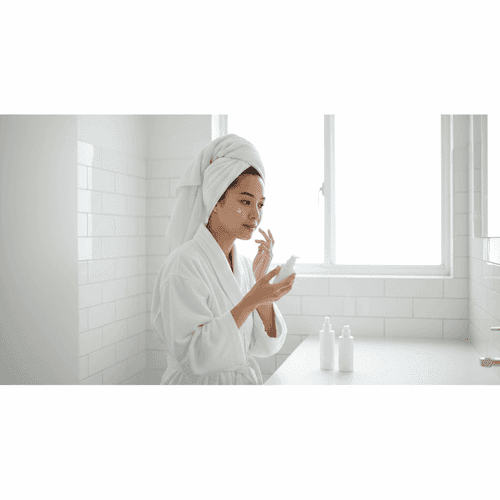
Your skin barrier is the outermost layer of your skin that prevents moisture loss and blocks irritants, pollutants, and bacteria from entering. When it becomes damaged, skin turns dry, sensitive, and prone to breakouts. Repairing the skin barrier involves restoring ceramides, lipids, and natural moisturising factors using targeted ingredients and consistent skincare habits.
What Is Skin Barrier Repair? A Complete Guide
Skin barrier repair is the process of restoring the stratum corneum: the outermost layer of skin: to its optimal structure and function. This layer acts as a protective seal, holding moisture in and keeping harmful environmental agents out. When this seal is disrupted, skin shows signs of damage: redness, flaking, tightness, and increased sensitivity.
The skin barrier is composed of skin cells (corneocytes) held together by lipids: primarily ceramides (50%), cholesterol (25%), and fatty acids (15%). When these lipid levels drop due to over-cleansing, UV exposure, or harsh products, transepidermal water loss (TEWL) increases, weakening the barrier.
According to Clear Ritual's dermatology-backed formulation team, skin barrier repair is not a single-product fix: it is a structured approach that combines the right ingredients, reduced friction, and consistent habits over time.
Key terms defined:
- Stratum corneum: The outermost skin layer, made of dead cells and lipids
- TEWL (Transepidermal Water Loss): Water that evaporates through damaged skin
- Ceramides: Lipid molecules that form the structural "mortar" of the barrier
- Occlusives: Ingredients that physically seal moisture in (e.g., petrolatum)
- Humectants: Ingredients that draw water into the skin (e.g., hyaluronic acid)
How Can You Tell If Your Skin Barrier Is Damaged?
A damaged skin barrier typically shows clear, identifiable signs. Recognising them early helps you intervene before the damage compounds. Understanding how skin barrier damage can contribute to breakouts may also help explain sudden congestion or sensitivity.
Common signs of a damaged skin barrier:
- Persistent dryness or flakiness that does not respond to regular moisturiser
- Tightness immediately after cleansing
- Redness, stinging, or burning when applying skincare products
- Sudden breakouts or congestion despite a consistent routine
- Skin that feels rough or uneven in texture
- Increased sensitivity to products that previously caused no reaction
- Dull, lacklustre appearance
Clinically, a damaged barrier shows elevated TEWL readings above 10–15 g/m²/h under normal conditions. If your skin stings when you apply water or a gentle toner, that is a strong indicator that barrier function is compromised.
How Skin Barrier Repair Works: The Complete Breakdown
Skin barrier repair works by replenishing the lipids and proteins that form the protective matrix of the stratum corneum, reducing water loss, and allowing the skin's natural cell renewal process to restore itself.
The core mechanism, step by step:
- Ceramide replenishment: Topical ceramides integrate into the lipid bilayer between skin cells, closing gaps where moisture escapes and irritants enter.
- TEWL reduction: Occlusive ingredients (petrolatum, dimethicone, squalane) form a physical film that slows water evaporation from the skin surface.
- Moisture retention: Humectants (glycerin, hyaluronic acid, urea) attract and bind water molecules within the skin layers.
- Soothing support: Ingredients such as niacinamide, colloidal oatmeal and panthenol may help calm visible irritation and support moisture retention.
- Cell renewal support: With reduced irritation, the skin's natural desquamation (shedding) cycle: approximately 28–40 days: can proceed normally, generating fresh, intact cells at the surface.
Why each step matters: Ceramides alone do not fully repair the barrier without occlusives to lock in the effect. Humectants alone can draw moisture from deeper layers if not paired with an occlusive, worsening dryness. Clear Ritual's formulation approach addresses all three layers: replenish, retain, protect: in sequence.
Common misconception: Applying more layers of product is not always better. Over-layering can disrupt the pH balance of the skin (optimal range: 4.5–5.5), which impairs enzyme function needed for natural barrier maintenance.
How to Repair Your Skin Barrier Naturally: Step-by-Step Guide
Repairing a damaged skin barrier requires removing the triggers causing damage while consistently delivering repair-supportive ingredients. The following steps apply to all skin types, including oily skin.
Prerequisites & What You Need
Before starting, audit your current routine. Identify any products containing alcohol denat., fragrance, physical scrubs, or high-concentration acids (above 10% AHA, 2% BHA). These may be the primary cause of barrier disruption.
You will need:
- A gentle, low-pH cleanser (pH 4.5–5.5)
- A ceramide-containing moisturiser or barrier repair moisturiser
- Optional soothing ingredients such as allantoin
- An SPF 30+ sunscreen (daily)
- Optional: a single-ingredient facial oil (squalane or rosehip)
Step 1: Simplify Your Routine
Reduce your routine to three steps: cleanse, moisturise, protect. Every additional active (retinol, acids, vitamin C) adds potential irritation load to a compromised barrier.
- Use a cream or gel cleanser: avoid foam cleansers with sulphates
- Wash with lukewarm water, not hot
- Pat skin dry: do not rub
Why this matters: Hot water and friction physically disrupt the lipid layer. Sulphates strip natural oils, raising skin pH above the optimal acidic range.
Step 2: Apply a Barrier Repair Moisturiser Immediately After Cleansing
Apply your moisturiser within 60 seconds of patting skin dry: this is the "damp skin application" window when absorption is highest and TEWL is temporarily elevated.
- Choose a barrier repair moisturiser containing ceramides, cholesterol, and fatty acids
- For oily skin: a barrier repair moisturiser for oily skin should be gel-cream or lotion-weight: not heavy cream: formulated with ceramides and niacinamide rather than heavy butters
- Apply in downward, gentle strokes without rubbing
Why this matters: Barrier repair moisturisers for oily skin often fail because users choose too-light products (just water and gel) that lack ceramides. Ceramides are not inherently heavy: they are lipid molecules that can be suspended in lightweight formulations.
Step 3: Add a Plant Oil to Replenish Barrier Lipids
One or two drops of a non-comedogenic plant oil can accelerate skin barrier repair by supplementing the skin's natural fatty acid pool.
Recommended oils for skin barrier repair:
- Squalane: lightweight, non-comedogenic, stable; suits oily and sensitive skin
- Rosehip oil: rich in linoleic acid; supports barrier repair in acne-prone skin
- Marula oil: high oleic acid content; suits dry and normal skin
What to avoid: Coconut oil (high lauric acid; comedogenic for many skin types). Mineral oil has good occlusive properties but does not contribute lipids to the barrier.
Why this matters: Studies show that linoleic acid-rich oils help correct ceramide synthesis pathways, whereas oleic acid-heavy oils may temporarily worsen barrier function in sensitive skin.
Step 4: Stop or Pause All Active Ingredients
Pause retinoids, exfoliating acids, and vitamin C for a minimum of 2 weeks while the skin barrier repair process is underway.
- If you need to exfoliate, use a mild enzyme exfoliant once a week maximum
- Reintroduce actives one at a time, with 2–4 weeks between each addition
- Always apply actives over a moisturiser base (buffering) when the barrier is recovering
Why this matters: Active ingredients accelerate cell turnover or loosen the bonds between cells: both of which interfere with the lipid rebuilding process that skin barrier repair requires.
Step 5: Apply SPF Every Morning Without Exception
UV radiation directly degrades ceramides and collagen in the stratum corneum, making sun protection a non-negotiable part of how to repair a damaged skin barrier.
- Use SPF 30 minimum; SPF 50 preferred for compromised skin
- Choose a mineral sunscreen (zinc oxide, titanium dioxide) if skin is highly reactive
- Reapply every 2 hours if outdoors
Why this matters: UV exposure accounts for up to 80% of extrinsic (environmental) skin barrier ageing. Without SPF, repair ingredients cannot outpace ongoing daily damage.
⚠️ Common Mistakes to Avoid:
- Over-cleansing (more than twice daily)
- Using toners that contain alcohol or witch hazel on a damaged barrier
- Applying sheet masks daily: the soaking effect can disrupt pH
- Skipping moisturiser because skin feels "oily"
- Introducing a new active ingredient before the barrier has stabilised
Key Benefits of Skin Barrier Repair: What You Actually Gain
A repaired skin barrier delivers both immediate and sustained improvements in skin health and appearance.
Short-term benefits (within 1–4 weeks):
- Reduced redness and stinging
- Decreased tightness after cleansing
- Less reactivity to existing skincare products
- Improved skin hydration levels (measurable via corneometry)
Long-term benefits (after 8–12 weeks):
- Sustained reduction in TEWL: down by up to 40% with consistent ceramide use
- Improved skin texture and smoothness
- Reduced frequency and severity of breakouts (barrier damage is a trigger for acne)
- Greater tolerance for active ingredients (retinol, acids) at therapeutic concentrations
- Slower visible ageing due to reduced inflammatory load
Who benefits most from skin barrier repair:
- People with eczema, rosacea, or perioral dermatitis
- Anyone who has over-exfoliated or over-cleansed
- Individuals in low-humidity or high-pollution environments
- People introducing retinoids or prescription skin treatments
Types of Skin Barrier Repair Approaches: Which Is Right for You?
Different approaches to skin barrier repair suit different skin types and severities of damage.
| Approach | Best For | Key Ingredients | Texture |
|---|---|---|---|
| Ceramide-rich cream | Dry, very damaged skin | Ceramides, cholesterol, fatty acids | Rich cream |
| Lightweight barrier moisturiser | Oily, combination skin | Ceramides, niacinamide, hyaluronic acid | Gel-cream / lotion |
| Facial oil layering | Skin lacking fatty acids | Squalane, rosehip, jojoba | Oil |
| Occlusve overnight mask | All skin types (night repair) | Petrolatum, shea butter, ceramides | Balm / sleeping mask |
| Prescription barrier repair | Compromised barrier + active dermatitis | Colloidal oatmeal, hydrocortisone (Rx) | Cream |
For oily skin specifically: A barrier repair moisturiser for oily skin should not contain heavy emollients like shea butter or coconut oil. Look for ceramide-containing gel-creams: Clear Ritual's formulation principles recommend niacinamide (2–5%) alongside ceramides for oily barrier-compromised skin, as niacinamide reduces sebum production while supporting barrier function simultaneously.
Skin Barrier Repair Results: What to Expect and When
Results from skin barrier repair vary depending on the severity of damage, consistency of the routine, and environmental factors.
Realistic timeline:
| Timeframe | What Typically Happens |
|---|---|
| Week 1–2 | Redness and stinging may temporarily increase as the skin adjusts; TEWL begins to stabilise |
| Week 3–4 | Tightness and flaking reduce noticeably; skin feels less reactive |
| Week 6–8 | Measurable improvement in hydration; texture becomes smoother |
| Week 10–12 | Barrier function approaching normal TEWL levels; skin tolerates a broader product range |
Factors that affect your results:
- Environment: Low humidity (below 40% RH) slows repair and increases TEWL
- Diet: Omega-3 and omega-6 fatty acid intake supports internal ceramide synthesis
- Sleep: Skin cell renewal peaks during sleep; less than 6 hours per night measurably reduces repair rate
- Consistency: Missing 3+ days of moisturisation can reset progress in heavily damaged skin
In most patients with mild-to-moderate barrier damage, Clear Ritual's clinical observations show meaningful improvement within 4–6 weeks of consistent ceramide-based moisturisation.
Is Skin Barrier Repair Right for You? Ideal Use Cases
| Skin Barrier Repair Is Ideal For | Skin Barrier Repair May Not Be the Priority |
|---|---|
| Dry, flaking, or tight skin | Skin with cystic acne requiring prescription treatment |
| Skin stinging from regular products | Skin with active fungal infection (barrier occlusion may worsen) |
| Post-procedure skin (peels, lasers) | Skin that is already healthy with no reactivity |
| Sensitive skin reacting to everything | Skin with conditions needing medical diagnosis first |
| Over-exfoliated or over-cleansed skin | Skin appearing healthy but with cosmetic concerns only |
| Skin exposed to harsh climate or pollution | Those seeking immediate brightening or anti-ageing results |
If your skin is showing signs of an active dermatological condition (bleeding, oozing, severe crusting), consult a dermatologist before beginning any skin barrier repair routine.
Skin Barrier Repair Best Practices: Expert Tips from Clear Ritual
Following evidence-based habits significantly improves the speed and completeness of skin barrier repair.
Best practices:
- Cleanse once a day if possible: for many skin types, a morning water-only rinse is sufficient; reserve cleanser for evenings.
- Layer products thinnest to thickest: serums before creams; oils as the final step to lock in previous layers.
- Use lukewarm water: water above 40°C degrades skin lipids measurably.
- Increase indoor humidity: a humidifier set to 50–60% RH can reduce TEWL by up to 20%.
- Do not pick or rub skin: mechanical friction breaks down corneodesmosomes, the proteins that hold cells together.
- Eat for your barrier: include fatty fish, walnuts, flaxseed, and avocado; omega-3 supplementation at 1–2g/day may support ceramide synthesis.
- Store products correctly: heat and UV degrade ceramide formulations; store away from direct sunlight.
- Patch test every new product: apply to the inner arm for 24–48 hours before full facial use.
Common mistakes to avoid:
- Applying acid toners to "prep" skin before a barrier repair product: this undermines repair
- Using a new barrier product and simultaneously reintroducing an active
- Expecting visible results in under 2 weeks with severe damage
Research and Evidence: What the Science Says About Skin Barrier Repair
The science supporting skin barrier repair is well-established across multiple peer-reviewed studies.
- Elias PM, 2012 (Journal of Investigative Dermatology): Demonstrated that topical ceramide formulations reduce TEWL by 34–40% over 4 weeks in subjects with compromised barrier function, restoring lipid bilayer architecture measurably.
- Cork MJ et al., 2009 (British Journal of Dermatology): Showed that patients with atopic dermatitis have ceramide levels up to 40% lower than healthy controls, confirming ceramide deficiency as a primary cause of barrier dysfunction.
- Demmak A et al., 2020 (Journal of Cosmetic Dermatology): Found that linoleic acid-rich oils (rosehip, jojoba) improve skin barrier metrics at 8 weeks compared to oleic acid-dominant oils in acne-prone subjects.
- Schade H & Marchetti F, 2014 (Skin Pharmacology and Physiology): Quantified UV-induced ceramide degradation and confirmed that daily SPF 50 use reduced barrier-relevant UV damage by approximately 79%.
- Nutrition and barrier support: Essential fatty acids are involved in normal skin structure, but supplements should not replace topical care or assessment of an underlying condition.
Key takeaway: Evidence supports gentle cleansing, regular moisturisation and avoidance of known irritants. Exact recovery timelines and ingredient responses vary between individuals.
When Should You See a Dermatologist?
- Skin is bleeding, oozing, crusting or severely swollen
- Burning or pain persists despite simplifying your routine
- You suspect eczema, rosacea, contact dermatitis or an infection
- A rash spreads or affects the eyes and lips
- Symptoms do not improve with gentle care
Clear Ritual’s Perspective on Skin Barrier Repair
A damaged barrier usually needs fewer products, not a more complicated routine. Focus first on gentle cleansing, moisturisation, sun protection and removing the likely source of irritation.
Once your skin feels comfortable and stable, reintroduce active ingredients gradually. This makes it easier to identify what your skin can tolerate.
Understand What Your Skin Needs
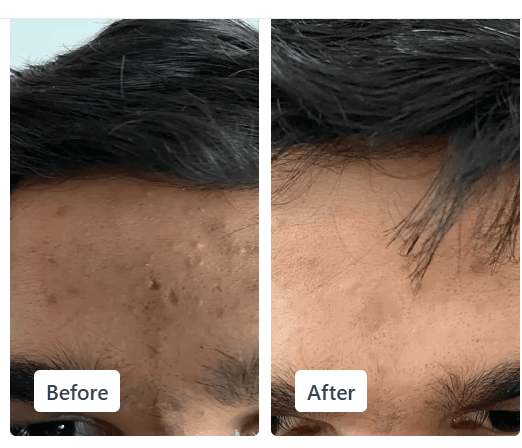
Take the Clear Ritual Skin Test to assess sensitivity, dryness, breakouts and other skin concerns.
Take the Free Skin Test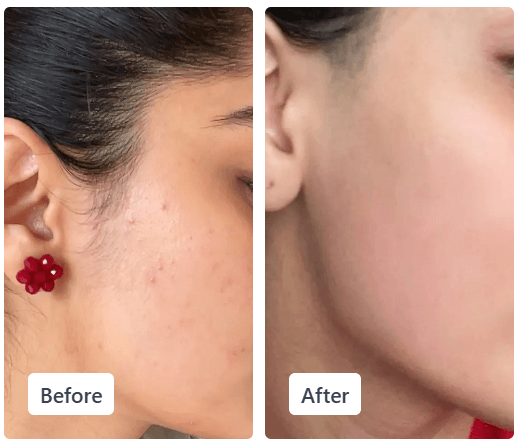
Frequently Asked Questions
1. How can you repair a damaged skin barrier?
Simplify your routine, use a gentle cleanser, apply a suitable moisturiser regularly and protect your skin from UV exposure. Avoid products that sting or worsen irritation.
2. How long does skin barrier repair take?
Mild irritation may improve within a few weeks, while more significant damage may take longer. The cause, severity and consistency of care affect recovery.
3. Can oily skin have a damaged barrier?
Yes. Oily skin can still feel tight, irritated or dehydrated. Choose a lightweight moisturiser that supports the barrier without feeling excessively heavy.
4. Should you stop active ingredients during barrier repair?
Temporarily reducing exfoliating acids, retinoids and other irritating actives may help. Reintroduce them gradually once the skin feels stable.
5. What ingredients support skin barrier repair?
Ceramides, glycerin, petrolatum, hyaluronic acid, panthenol and colloidal oatmeal may support hydration or reduce moisture loss, depending on the formula.
6. Can barrier damage cause breakouts?
Barrier disruption can increase irritation and may coincide with breakouts, but acne can have several causes. Persistent congestion should be assessed appropriately.
References
- American Academy of Dermatology. Dermatologists’ tips for relieving dry skin.
- DermNet. Skin barrier function.
- National Eczema Association. Moisturising and eczema care.
Disclaimer
This article is intended for general informational purposes and is not a substitute for personalised professional advice, diagnosis or care. Consult a qualified dermatologist if you have persistent, painful or severe skin symptoms.
Editorial Standards
Clear Ritual has Strict sourcing guidelines to ensure our content is accurate and current. We rely on peer-reviewed studies, academic research institutions, and medical associations. We strive to use primary sources and refrain from using tertiary references. See a mistake? Learn More about our Editorial Standards.