Best Skincare Routine for Whitehead-Prone Skin

The best skincare routine for whitehead-prone skin is gentle, consistent, and focused on keeping pores clear while protecting the skin barrier, rather than aggressive acne treatment. It combines mild cleansing, lightweight hydration, daily sunscreen, and controlled exfoliation two to three nights a week. Most people notice smoother texture within 4 to 8 weeks with consistent care.
- Use a mild, low-foam cleanser morning and night
- Moisturise daily, even if skin is oily
- Apply sunscreen every morning
- Exfoliate with salicylic acid (BHA) 2 to 3 nights per week only
Why whitehead-prone skin needs a different approach
Whiteheads are closed comedones, meaning oil and dead skin are trapped under the surface. Over-scrubbing, harsh actives, or skipping moisturiser often make them worse.
An effective routine should:
- Prevent pore blockage
- Support even skin cell turnover
- Maintain a healthy skin barrier
- Work consistently in humid or polluted environments
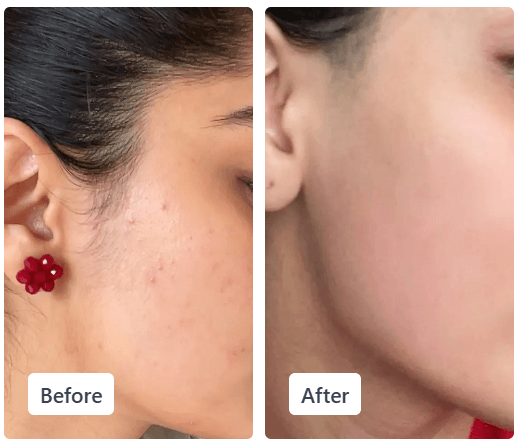
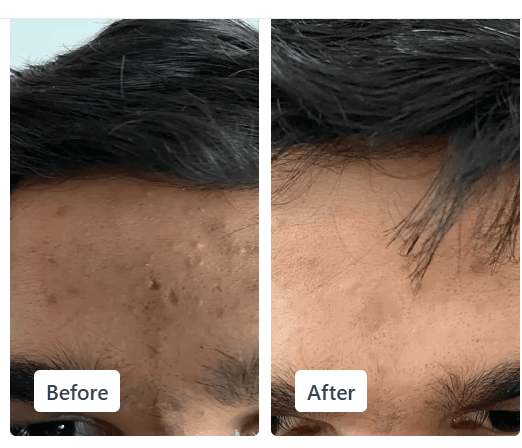
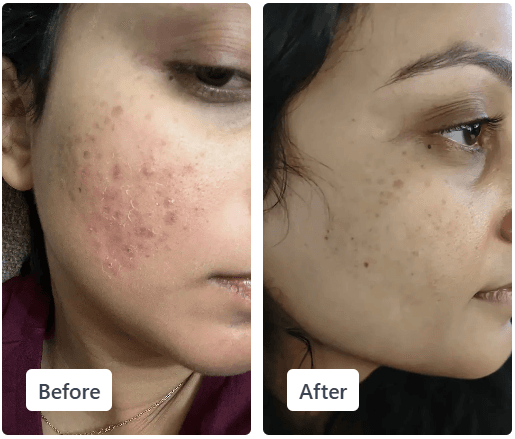
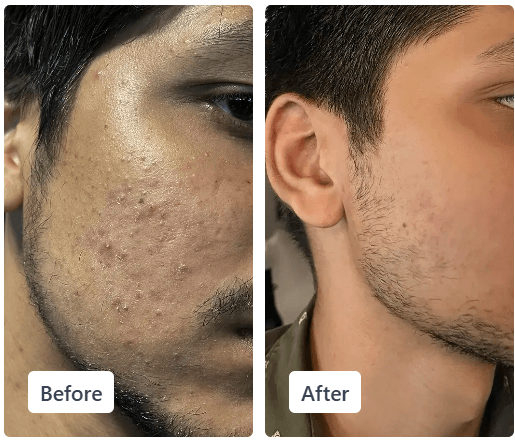
See real results, then start your own
Take the free Clear Ritual Skin Test and get a personalized routine built for your skin's unique patterns.
Morning skincare routine for whitehead-prone skin
1. Gentle cleanser
Start with a mild, low-foam cleanser to remove overnight oil without stripping the skin.
- Cleanse once in the morning
- Avoid harsh or drying formulas
- Do not scrub textured areas
2. Lightweight hydration (optional but helpful)
If your skin feels tight or dehydrated, use a lightweight hydrating layer.
This helps prevent oil rebound, which can worsen whiteheads later in the day.
3. Moisturiser (yes, even for oily skin)
Skipping moisturiser can weaken the skin barrier and increase oil production.
Choose:
- Gel or lotion textures
- Non-greasy, fast-absorbing formulas
4. Sunscreen (essential)
Daily sun exposure can thicken the outer skin layer over time, making pores easier to clog.
- Use sunscreen every morning
- Prefer lightweight, non-occlusive textures
- Apply evenly, especially on the forehead and nose
Evening skincare routine for whitehead-prone skin
1. Gentle cleansing (again)
Cleanse at night to remove sunscreen, sweat, and pollution.
Avoid double cleansing unless you wear heavy makeup, as over-cleansing can irritate the skin.
2. Targeted exfoliation (2-3 nights per week)
Chemical exfoliation helps prevent whiteheads by loosening dead skin buildup inside pores.
- Use ingredients like salicylic acid (BHA)
- Apply only on congested areas if needed
- Do not use daily unless advised by a professional
3. Barrier-supporting moisturiser
Night-time moisturisation supports skin repair and recovery.
Look for moisturisers that help calm and strengthen the barrier, especially if you use exfoliating ingredients.
See real results, then start your own
Take the free Clear Ritual Skin Test and get a personalized routine built for your skin's unique patterns.
Weekly care for whitehead-prone skin
- Limit exfoliation to avoid irritation
- Avoid physical scrubs
- Change pillowcases regularly
- Keep hair oils and styling products off the face
Habits that quietly worsen whiteheads
- Over-washing the face
- Switching products too frequently
- Using thick creams on congested areas
- Picking or squeezing bumps
These habits disrupt the skin barrier and make whiteheads more persistent.
How long does it take to see results?
Whiteheads form slowly under the skin and also resolve slowly. With a consistent routine, many people notice smoother texture in 4-8 weeks.
Patience and consistency matter more than adding more products.
When to adjust or seek professional advice
Consider a dermatologist consultation if:
- Whiteheads persist despite consistent care
- They frequently turn inflamed
- You suspect hormonal or medical triggers
How Clear Ritual Supports Personalized Skincare Decisions
Clear Ritual understands that whitehead-prone skin is more than a surface issue. It is shaped by genetics, skin renewal cycles, environmental factors, and the products you use.
Because whiteheads form when oil and dead skin cells become trapped beneath the skin's surface, creating closed comedones that worsen with over-scrubbing, harsh actives, or skipping moisturiser, generic solutions rarely bring lasting improvement. Clear Ritual combines traditional wisdom and modern science to address the underlying causes of whitehead-prone skin.
The Clear Ritual Skin Test analyses your skin's unique patterns and daily influences to help identify the best routine for supporting healthy skin and reducing whitehead recurrence.
See real results, then start your own
Take the free Clear Ritual Skin Test and get a personalized routine built for your skin's unique patterns.
Conclusion
The best skincare routine for whitehead-prone skin is simple, gentle, and consistent. By focusing on barrier health, controlled exfoliation, and daily sun protection, you create an environment where pores are less likely to clog. Calm skin clears better than stressed skin, and whiteheads respond best to balance, not force.
Frequently Asked Questions
What causes whiteheads to form?
Whiteheads are closed comedones, meaning oil and dead skin are trapped under the surface. Over-scrubbing, harsh actives, or skipping moisturiser often make them worse.
How long does it take to see results from a whitehead-focused routine?
Whiteheads form slowly under the skin and also resolve slowly. With a consistent routine, many people notice smoother texture in 4-8 weeks. Patience and consistency matter more than adding more products.
Can I exfoliate every day if I have whiteheads?
No. Targeted exfoliation with ingredients like salicylic acid (BHA) should be used only 2 to 3 nights per week, and only on congested areas if needed. It should not be used daily unless advised by a professional.
Should I still use moisturiser if my skin is oily and whitehead-prone?
Yes. Skipping moisturiser can weaken the skin barrier and increase oil production. Choose gel or lotion textures that are non-greasy and fast-absorbing.
When should I seek professional advice for whiteheads?
Consider a dermatologist consultation if whiteheads persist despite consistent care, they frequently turn inflamed, or you suspect hormonal or medical triggers.
Editorial Standards
Clear Ritual has Strict sourcing guidelines to ensure our content is accurate and current. We rely on peer-reviewed studies, academic research institutions, and medical associations. We strive to use primary sources and refrain from using tertiary references. See a mistake? Learn More about our Editorial Standards.