Body Wash and Soap Options for Back Acne Care
The best body washes for back acne contain salicylic acid, benzoyl peroxide, or glycolic acid to unclog pores and reduce bacteria, while avoiding harsh bar soaps that disrupt the skin's protective barrier. Gentle, pH-balanced formulas with ceramides or niacinamide help manage breakouts without stripping skin. Leaving treatment washes on for one to two minutes before rinsing improves effectiveness, and heavily fragranced or overly moisturizing body washes should be avoided since they can clog pores.
- Salicylic acid, benzoyl peroxide, and glycolic acid target different acne mechanisms
- Bar soaps often disrupt skin pH and worsen breakouts
- Gentle, pH-balanced cleansers protect the skin barrier while treating acne
- Leave treatment washes on for one to two minutes before rinsing for best results
Back acne forms when sweat, oil, and dead skin cells trap inside hair follicles on your back, creating an environment where acne-causing bacteria thrive. The right body wash can help manage breakouts by gently removing excess oil and buildup without stripping your skin's protective barrier, which would trigger even more oil production and inflammation.
What Happens Inside the Skin When Back Acne Forms
Your back has more sebaceous glands than many other body areas, producing higher amounts of sebum. When this oil combines with dead skin cells, the mixture can plug hair follicles. Add sweat from exercise or heat, and you create the perfect environment for Cutibacterium acnes bacteria to multiply rapidly.
The trapped bacteria trigger your immune system to respond with inflammation. White blood cells rush to the site, creating the redness, swelling, and sometimes painful bumps you see on your back. This process happens beneath the skin surface before you even notice a breakout.
The skin on your back is thicker than facial skin, which means breakouts can go deeper and take longer to heal. Dead skin cells also accumulate more readily because this area is harder to exfoliate naturally through daily facial movements.
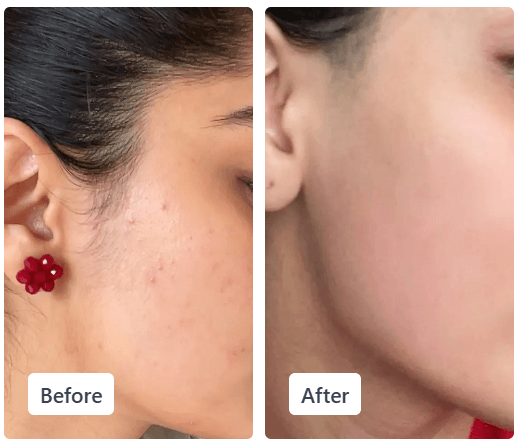
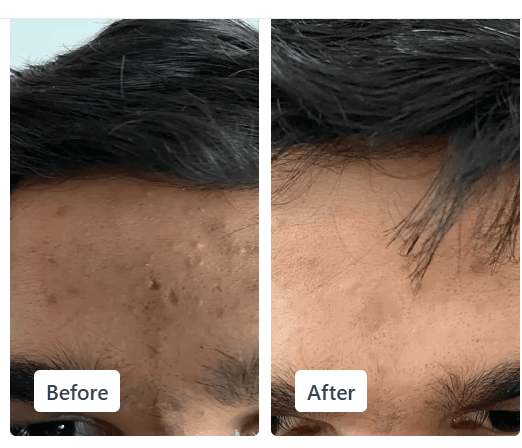
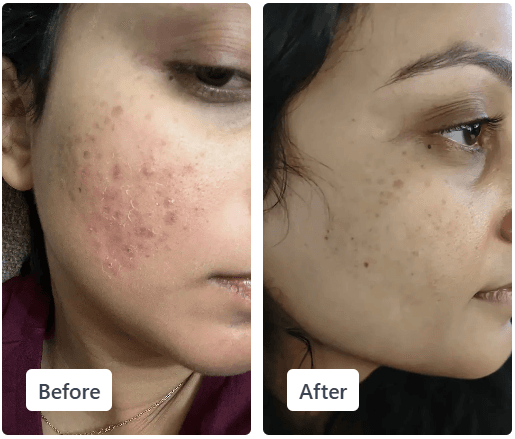
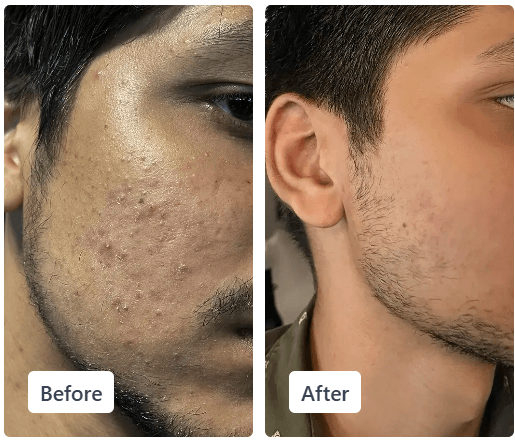
See real results, then start your own
Take the free Clear Ritual Skin Test and get a personalized routine built for your skin's unique patterns.
Why Regular Soap Often Makes Back Acne Worse
Traditional bar soaps typically have an alkaline pH between 9 and 10, while healthy skin maintains a slightly acidic pH around 4.5 to 5.5. This pH difference disrupts your skin's acid mantle, a protective film made of sebum and sweat that defends against harmful microorganisms.
When you strip away this protective layer with harsh soap, several things happen. Your skin loses moisture rapidly through a process called transepidermal water loss. Your sebaceous glands respond by producing even more oil to compensate. The skin barrier becomes compromised, allowing irritants and bacteria to penetrate more easily.
Many bar soaps also contain ingredients that leave residue on the skin. This residue can mix with your natural oils and create a film that clogs pores. The situation worsens when you consider that most people cannot reach all areas of their back effectively during showering, leaving cleanser residue behind.
Active Ingredients That Target Back Acne Mechanisms
Salicylic Acid
This beta-hydroxy acid penetrates into oil-filled pores because it is lipid-soluble. Once inside the follicle, salicylic acid dissolves the bonds holding dead skin cells together, helping clear out the plug. It also has anti-inflammatory properties that calm redness and swelling.
Salicylic acid works best at concentrations between 0.5% and 2% for body washes. Lower concentrations provide gentle daily maintenance, while higher concentrations offer more intensive treatment for active breakouts. The acid continues working even after you rinse, though leaving it on your skin for one to two minutes before rinsing increases effectiveness.
Benzoyl Peroxide
This ingredient works through oxidation, releasing oxygen molecules that kill Cutibacterium acnes bacteria. These bacteria cannot survive in oxygen-rich environments. Benzoyl peroxide also helps remove excess oil and dead skin cells from the follicle opening.
Body washes with 2.5% to 10% benzoyl peroxide effectively manage back acne. Starting with lower concentrations reduces the risk of excessive dryness or irritation. One important consideration: benzoyl peroxide bleaches fabric, so use white towels and wear old clothing after application until your skin is completely dry.
Glycolic Acid
As an alpha-hydroxy acid, glycolic acid works on the skin surface to dissolve the bonds between dead skin cells. This promotes faster cell turnover and prevents the accumulation of dead cells that contribute to clogged pores. Glycolic acid also stimulates collagen production, which can help fade post-acne marks over time.
Body washes typically contain 5% to 10% glycolic acid. This ingredient can increase sun sensitivity on treated areas, though your back usually receives less direct sun exposure than your face.
See real results, then start your own
Take the free Clear Ritual Skin Test and get a personalized routine built for your skin's unique patterns.
Choosing Body Wash Formulations That Support Skin Barrier Function
The best body washes for back acne balance acne-fighting ingredients with skin barrier protection. Look for formulations that include ceramides, which are lipid molecules that help maintain the protective barrier between skin cells. When your barrier stays intact, your skin retains moisture better and resists bacterial invasion more effectively.
Niacinamide is another valuable ingredient that reduces inflammation while regulating oil production. It supports the skin barrier by increasing the production of ceramides and other protective lipids. Unlike some acne treatments, niacinamide calms irritation rather than causing it.
Avoid body washes labeled as "moisturizing" or "creamy" when dealing with back acne. These formulations often contain oils, butters, or heavy emollients that can clog pores on acne-prone skin. Similarly, heavily fragranced products may contain ingredients that irritate already inflamed skin.
How Your Washing Technique Affects Treatment Results
Even the best body wash fails if you apply it incorrectly. Water temperature matters more than most people realize. Hot water feels soothing but strips away natural oils aggressively, triggering rebound oil production. Lukewarm water cleans effectively without compromising your skin barrier.
Apply your treatment body wash to your back after shampooing and conditioning your hair. Hair products often contain oils, silicones, and other ingredients that can run down your back and clog pores. Cleansing your back last ensures you remove any residue from hair care products.
Use a long-handled brush or textured cloth to reach all areas of your back. Gentle circular motions help the cleanser penetrate without causing mechanical irritation that worsens inflammation. Leave treatment washes on your skin for at least 60 to 90 seconds before rinsing to allow active ingredients time to work.
Rinse thoroughly, paying special attention to areas along your spine and shoulder blades where cleanser tends to accumulate. Leftover product residue creates a film that traps oil and bacteria against your skin.
Understanding Why Shower Habits Either Help or Harm
Timing your shower matters when managing back acne. Showering within 15 to 30 minutes after sweating prevents the mixture of sweat, oil, and bacteria from sitting on your skin and clogging pores. If immediate showering is not possible, at least change out of sweaty clothing quickly.
The friction from wet workout clothing or swimsuits creates an environment where bacteria multiply rapidly. This combination of moisture, warmth, friction, and occlusion leads to a specific pattern called acne mechanica. Sports bras, tight tank tops, and backpack straps commonly trigger this type of breakout.
Many people shower too frequently or too long, especially those trying to combat acne. Over-washing strips away beneficial bacteria that form part of your skin's microbiome defense system. Once or twice daily is sufficient for most people. If you exercise multiple times per day, a quick rinse with water between full body wash sessions prevents over-cleansing.
Building a Complete Back Care Routine Beyond Cleansing
After washing, your skin needs appropriate follow-up care. Contrary to popular belief, acne-prone skin still requires moisturization. When skin becomes too dry, it produces more oil to compensate, perpetuating the breakout cycle. Choose lightweight, non-comedogenic lotions with ingredients like hyaluronic acid that hydrate without clogging pores.
Chemical exfoliation two to three times weekly helps maintain clear pores between regular cleansing. Products containing lactic acid or salicylic acid work well for this purpose. Physical scrubs with rough particles can create micro-tears in already inflamed skin, so gentle chemical exfoliants prove more effective and safer.
Your clothing choices directly impact back acne. Tight synthetic fabrics trap sweat and heat against your skin. Loose, breathable cotton or moisture-wicking athletic fabrics allow air circulation and help sweat evaporate. Wash workout clothes after each use, as bacteria and dead skin cells accumulate in fabric fibers.
Special Considerations for Different Body Washes
| Body Wash Type | Best For | Potential Drawbacks | Usage Frequency |
|---|---|---|---|
| Salicylic acid | Mild to moderate breakouts, blackheads | May dry skin with overuse | Daily or every other day |
| Benzoyl peroxide | Inflammatory acne, active breakouts | Bleaches fabric, can irritate | Start 3x weekly, increase as tolerated |
| Glycolic acid | Surface congestion, post-acne marks | Increases sun sensitivity | 2 to 3 times weekly |
| Gentle cleansers | Sensitive skin, barrier repair | Limited acne-fighting properties | Daily |
What Your Back Acne Pattern Reveals About Underlying Triggers
Breakouts concentrated along your spine and shoulder blades often relate to hair product residue running down your back during showering. Acne across your upper back and shoulders frequently connects to sports equipment, heavy backpacks, or tight clothing friction.
Widespread back acne covering large areas may indicate hormonal influences, particularly if it worsens around menstrual cycles. Androgens stimulate sebaceous glands to produce more oil, and your back responds dramatically to these hormonal fluctuations.
Sudden onset back acne in adults who never experienced it before sometimes connects to medication side effects, particularly corticosteroids, lithium, or certain supplements. Changes in exercise routines, new laundry detergents, or fabric softeners can also trigger unexpected breakouts.
The Role of Internal Factors in Persistent Back Acne
While proper cleansing helps manage back acne, some cases persist despite excellent topical care. Sleep deprivation elevates cortisol levels, which increases inflammation throughout your body, including your skin. Chronic stress triggers similar hormonal cascades that stimulate oil production and worsen breakouts.
Dietary patterns influence sebum composition and inflammatory responses. High glycemic foods cause rapid blood sugar spikes that trigger insulin release, which then stimulates androgen production. These androgens tell your sebaceous glands to produce more oil. Some people notice their back acne worsens with dairy consumption, possibly due to hormones present in milk or dairy's effect on insulin-like growth factor.
Gut health and skin health share surprising connections through the gut-skin axis. Imbalances in your intestinal microbiome can trigger systemic inflammation that manifests in your skin. Adequate hydration supports your body's natural detoxification processes and helps maintain healthy skin barrier function.
When Body Wash Alone Is Not Enough
You have been using the right body wash consistently for eight to twelve weeks without significant improvement. This timeline allows enough skin cell turnover cycles to evaluate treatment effectiveness.
Your back acne involves deep, painful nodules or cysts rather than surface whiteheads and blackheads. These deep lesions form beneath the reach of topical treatments and often require systemic medication to resolve.
Breakouts leave dark spots or scars that persist long after the active acne heals. Post-inflammatory hyperpigmentation and scarring indicate a need for professional treatment to prevent permanent skin damage.
You experience significant emotional distress or self-consciousness about your back acne. Skin conditions that impact quality of life deserve professional attention, regardless of clinical severity.
How Clear Ritual Supports Personalized Skincare Decisions
Clear Ritual understands that back acne is more than a surface issue. It is shaped by genetics, skin renewal cycles, environmental factors, and the products you use.
Because back acne forms when sweat, oil, dead skin cells, hormonal fluctuations, sebum production variations, and inflammatory responses combine to clog follicles, generic solutions rarely bring lasting improvement. Clear Ritual combines traditional wisdom and modern science, including principles from Ayurveda and modern dermatology, to address the underlying causes of back acne.
The Clear Ritual Skin Test analyses your skin's unique patterns and daily influences to help identify the best routine for supporting healthy skin and reducing back acne recurrence.
See real results, then start your own
Take the free Clear Ritual Skin Test and get a personalized routine built for your skin's unique patterns.
Conclusion
Choosing the right body wash for back acne means balancing active ingredients like salicylic acid, benzoyl peroxide, or glycolic acid with skin barrier support from ceramides and niacinamide, while avoiding harsh bar soaps and heavy moisturizing formulas. Proper washing technique, shower timing, and complementary care such as moisturizing and chemical exfoliation all play a role in managing breakouts. When body wash alone does not resolve back acne after eight to twelve weeks, or when nodules, scarring, or emotional distress are present, professional attention becomes the next step.
Editorial Standards
Clear Ritual has Strict sourcing guidelines to ensure our content is accurate and current. We rely on peer-reviewed studies, academic research institutions, and medical associations. We strive to use primary sources and refrain from using tertiary references. See a mistake? Learn More about our Editorial Standards.