Acne Mechanica: How Friction from Helmets, Masks & Tight Clothing Causes Breakouts
Acne mechanica develops when repeated friction, pressure, or heat from helmets, face masks, sports gear, or tight clothing traps sweat and oil against the skin, blocking pores and triggering inflammation. Unlike hormonal acne, which follows internal cycles, these breakouts appear exactly where equipment or fabric makes contact with the skin, flaring during use and easing during rest.
- Caused by physical friction, pressure, and heat, not hormones or bacteria alone
- Breakouts follow the exact pattern of gear, mask, or clothing contact
- Worsens with trapped moisture and improves once equipment is removed
What Is Acne Mechanica?
Acne mechanica is a specific type of acne triggered by physical forces acting on the skin rather than internal hormonal fluctuations. The term comes from the mechanical nature of its cause: constant rubbing, pressure, heat, or covering of skin areas creates localized inflammation and pore blockage.
This condition appears exactly where friction occurs. Cyclists develop it along the hairline under helmet straps. Healthcare workers notice clusters around the bridge of the nose and chin where N95 masks seal tightly. Football players experience breakouts on shoulders beneath padding. The pattern always matches the equipment.
The skin responds to mechanical stress differently than it does to hormonal signals. When fabric or materials repeatedly drag across the surface, the uppermost layer of dead skin cells doesn't shed normally. Instead, these cells accumulate and mix with sebum, forming plugs inside follicles. Simultaneously, the friction generates low-grade inflammation in surrounding tissue, which attracts immune cells and creates the red, tender bumps characteristic of this acne type.
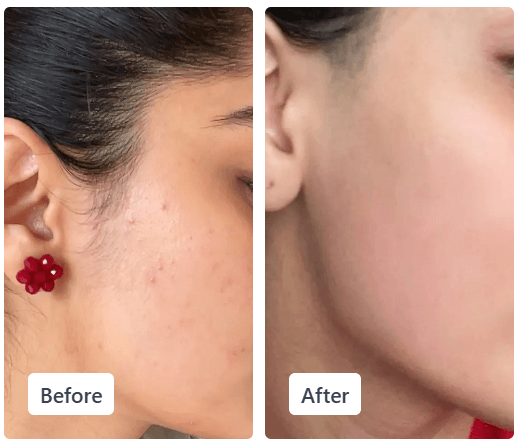
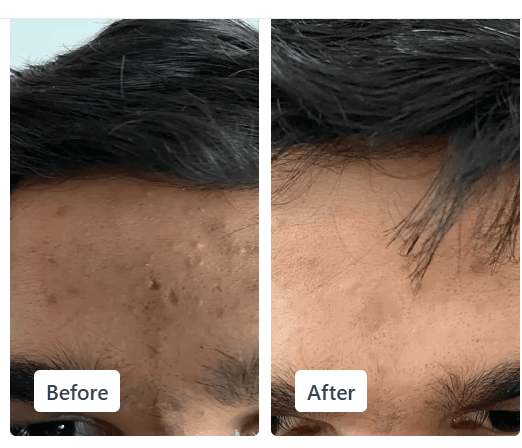
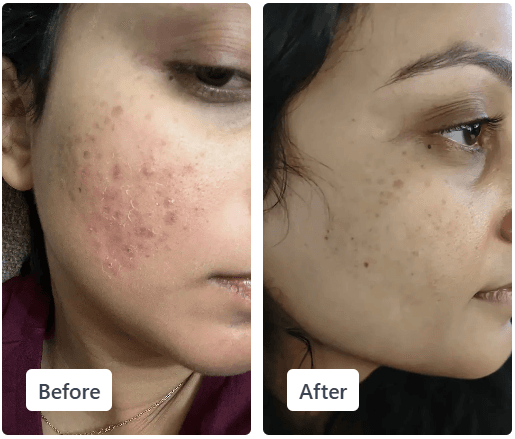
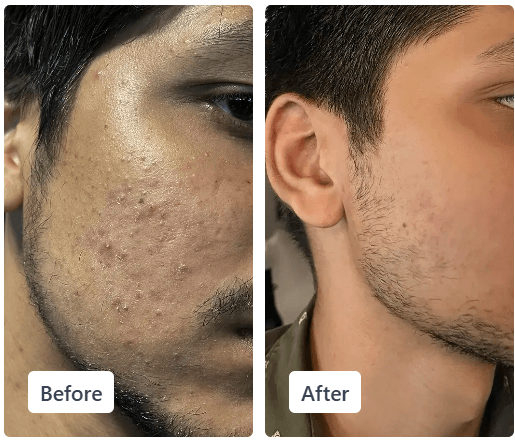
See real results, then start your own
Take the free Clear Ritual Skin Test and get a personalized routine built for your skin's unique patterns.
What Happens Inside the Skin During Friction
Your skin's outermost barrier consists of dead cells held together by lipids [essentially a brick-and-mortar structure designed to keep moisture in and irritants out]. Friction disrupts this architecture. Each time a helmet strap slides across your forehead or a face mask shifts against your cheeks, it physically damages some of these protective lipids.
Once the barrier weakens, transepidermal water loss increases. The skin recognizes this moisture loss as damage and responds by producing more sebum to compensate. Meanwhile, the damaged barrier allows bacteria that normally live harmlessly on the surface to penetrate slightly deeper into follicles.
Heat compounds the problem significantly. Wearing occlusive gear raises local skin temperature by several degrees. Warmer skin produces sebum with a different consistency [more liquid and likely to flow into pores]. The elevated temperature also increases sweating. When sweat cannot evaporate because it's trapped under a mask or helmet, it hydrates the uppermost skin layer excessively. This overhydration causes cells to swell and pore openings to narrow, making blockages more likely.
The combination creates perfect conditions: excess oil production, trapped moisture, disrupted barrier function, and physical pressure that pushes all this material deeper into follicles.
Common Sources of Friction-Related Breakouts
Different activities and equipment create distinct acne mechanica patterns:
Helmets and headgear cause breakouts along the hairline, forehead, temples, and behind ears where straps and padding make continuous contact. Motorcycle riders, cyclists, and construction workers particularly notice this pattern. The interior foam padding absorbs sweat and oils, creating a reservoir of irritants pressed against skin.
Face masks generate breakouts across the nose bridge, cheeks, chin, and jawline. Medical-grade masks with tight seals create more pressure than cloth versions. The sealed environment traps exhaled moisture and heat, raising local humidity to levels that soften skin and expand pores. Healthcare workers often develop a characteristic U-shaped pattern following the mask perimeter.
Sports equipment produces predictable locations based on the gear. Shoulder pads cause acne across upper back and shoulders. Chin straps from football helmets create breakouts along the jawline. Backpack straps generate spots where weight presses fabric against skin during movement.
Tight clothing causes problems when synthetic materials that don't breathe well trap sweat against skin during exercise. Yoga pants waistbands, sports bras, and compression wear create friction zones. The combination of moisture, heat, and repetitive rubbing during movement creates inflammation.
Musical instruments held against the face, like violins pressed under the chin and jaw, create one-sided breakout patterns that musicians recognize immediately.
See real results, then start your own
Take the free Clear Ritual Skin Test and get a personalized routine built for your skin's unique patterns.
How Acne Mechanica Differs from Other Acne Types
Understanding what makes this condition unique helps explain why typical acne treatments sometimes fail to resolve it completely.
| Feature | Acne Mechanica | Hormonal Acne | Bacterial Acne |
|---|---|---|---|
| Primary Cause | Friction, pressure, heat | Androgen fluctuations | Bacterial overgrowth |
| Distribution | Matches equipment contact | T-zone, jawline, chin | Face, chest, back |
| Timing Pattern | During/after gear use | Follows menstrual cycle | No specific timing |
| Lesion Type | Pustules, papules, comedones | Deep cysts, nodules | Surface pustules |
Hormonal acne follows your internal cycle and appears in zones rich with oil glands regardless of external contact. Acne mechanica ignores hormonal timing entirely [it flares when you wear the triggering equipment and often improves during rest periods].
The lesions themselves tend to be smaller and more uniform in size compared to the deep, painful cysts associated with hormonal imbalances. You'll typically see clusters of small red bumps and whiteheads rather than isolated large nodules. The inflammation stays closer to the surface because the trigger is external pressure rather than internal hormonal signals reaching deep into the dermis.
Why Some People Develop It While Others Don't
Individual susceptibility varies significantly based on several factors that affect how skin responds to mechanical stress.
Baseline sebum production matters considerably. People whose skin naturally produces moderate to high amounts of oil have more material available to create blockages when friction prevents normal shedding. Someone with naturally dry skin might experience irritation from the same helmet but develop fewer actual acne lesions.
Barrier integrity determines how quickly damage occurs. Skin that already has compromised barrier function from over-cleansing, harsh products, or environmental exposure breaks down faster under friction. Each episode of damage takes longer to repair, creating a cycle where the skin never fully recovers between exposures.
Pore structure plays a role that often goes unrecognized. Follicle opening size and shape vary genetically. Narrower follicle openings become blocked more easily when pressure and trapped material are introduced. This explains why siblings using identical equipment may have completely different experiences.
Sweat composition and volume differ between individuals based on genetics and fitness level. Higher sweat production means more moisture trapped against skin under occlusive gear. Some people's sweat contains higher concentrations of certain salts and proteins that contribute to irritation when left in contact with skin.
Microbiome differences affect inflammatory response. The bacterial and fungal communities living on your skin influence how aggressively your immune system reacts to pore blockages. Some bacterial profiles produce more inflammatory compounds when conditions favor their growth.
Environmental and Behavioral Factors That Worsen the Condition
Beyond individual susceptibility, external factors intensify acne mechanica or slow its resolution.
High humidity environments prevent sweat evaporation even when you're not wearing occlusive gear, keeping skin perpetually moist. This baseline overhydration means any additional covering pushes moisture levels into the range where pores narrow and blockages form easily.
Temperature extremes create problems from both directions. Cold weather prompts many people to wear face coverings for warmth, increasing friction exposure time. Hot conditions increase sweating under any gear, amplifying the moisture-trapping effect.
Duration of contact directly correlates with severity. Wearing a helmet for a twenty-minute commute creates less accumulated damage than an eight-hour shift in medical-grade protective equipment. The skin has less opportunity to recover between exposures when gear is worn continuously.
Cleaning frequency of reusable equipment matters more than most people realize. Helmet liners, cloth masks, and sports gear absorb oils, sweat, dead skin cells, and bacteria. Each time you wear the item again, this material transfers back to your skin, introducing irritants and potential pathogens directly into an already compromised barrier. Washing fabric items after every use and regularly cleaning hard equipment surfaces prevents this recontamination.
The timing of skincare relative to gear use influences outcomes. Applying heavy moisturizers or occlusive products immediately before wearing a mask or helmet can worsen blockages by adding another layer of material that cannot escape. Conversely, wearing gear on completely bare skin increases friction damage.
Early Signs and Progression
Recognizing acne mechanica in its earliest stages allows intervention before inflammation becomes established.
The first indication is often textural changes rather than visible breakouts. The skin in friction zones feels slightly rougher or bumpier to the touch before you can see distinct lesions. This texture represents the accumulation of cells that aren't shedding properly due to repeated disruption.
Mild persistent redness in contact areas appears next, indicating low-grade inflammation in response to barrier damage. This redness might fade between equipment uses initially but becomes more persistent with repeated exposure.
Small closed comedones develop as the condition progresses [flesh-colored or white bumps where follicles have become blocked but not yet inflamed]. These form the foundation for later inflammatory lesions.
Inflammatory papules and pustules emerge when bacteria multiply within blocked follicles and trigger immune response. These appear as red bumps and whiteheads clustered in the exact pattern of equipment contact. Unlike hormonal acne that develops deep beneath the surface, these lesions form closer to the skin's outermost layers.
Without intervention, the condition can progress to a chronic state where the skin in affected areas remains perpetually inflamed with ongoing lesion formation. The barrier never fully recovers because each new exposure reinjures tissue before healing completes.
First-Line Approaches to Reduce Friction and Pressure
Addressing acne mechanica requires reducing the mechanical forces triggering the condition while supporting barrier repair.
Modify equipment fit and materials whenever possible. Helmets with adjustable padding allow you to reduce pressure points. Choosing masks with softer edges or different construction minimizes friction. Sports equipment with moisture-wicking liners pulls sweat away from skin rather than trapping it. Even small adjustments to strap tension can significantly decrease mechanical stress on vulnerable areas.
Create barrier protection by applying thin layers of products designed to reduce friction between skin and equipment. Silicone-based products create a slip layer that allows materials to move across skin without dragging. Some athletes use specialized anti-chafe products in areas where equipment makes contact. The goal is protection without adding occlusive layers that trap moisture.
Manage moisture actively during and after equipment use. Absorbent cotton liners in helmets soak up sweat before it accumulates against skin. Taking brief breaks to remove masks when safe allows trapped moisture to evaporate. Patting skin dry with clean material during extended wear periods prevents the excessive hydration that narrows pores.
Cleanse appropriately after exposure without stripping the barrier further. Gentle, non-foaming cleansers remove accumulated sweat, oils, and debris without damaging protective lipids. Harsh scrubbing or strong surfactants worsen barrier damage, increasing vulnerability during the next exposure. The cleansing approach should remove irritants while preserving barrier integrity.
Support barrier repair between exposures using products containing ceramides, fatty acids, and cholesterol [the same lipids that comprise the skin's natural barrier structure]. These ingredients help repair damage from friction episodes, making skin more resilient to the next exposure. Applying these products during rest periods when equipment isn't being worn maximizes absorption and repair.
Allow recovery time when possible. Skin exposed to friction requires several hours to begin repair processes. Continuous all-day wear prevents this recovery, keeping inflammation active. Scheduling breaks from equipment or alternating which areas experience pressure helps prevent chronic inflammation.
Hygiene Practices for Equipment and Skin
The cleanliness of both skin and equipment significantly impacts acne mechanica severity.
Equipment maintenance prevents bacterial accumulation and reinfection. Fabric items like mask inserts, helmet liners, and clothing should follow a wash-after-every-use rule. Bacteria multiply rapidly in the warm, moist environment of worn gear. Machine washing with regular detergent sufficiently removes these contaminants [no special antimicrobial products are necessary and some may irritate skin].
Hard equipment surfaces require regular cleaning with appropriate materials. Helmet interiors can be wiped with gentle cleansers designed for the specific materials. Face shield contact areas benefit from regular alcohol wipes. The frequency should match usage intensity [daily cleaning for daily use].
Skin preparation before wearing equipment should focus on a clean, dry surface without heavy products. A light, quickly absorbed moisturizer maintains barrier function without creating additional occlusion. Avoiding makeup or heavy sunscreens in contact zones reduces the material available for pore blockages, though sun protection remains important for exposed areas.
Post-exposure skin care timing matters for preventing lesion formation. Cleansing within an hour after removing equipment removes accumulated irritants before they can penetrate damaged barriers. Waiting several hours allows material to interact longer with compromised skin, increasing inflammation likelihood.
When the Pattern Changes or Worsens
Certain developments indicate the condition may be evolving beyond straightforward acne mechanica or that additional factors require attention.
Sudden worsening despite consistent management might indicate secondary infection. When bacteria normally present in small numbers multiply extensively within blocked follicles, inflammation intensifies rapidly. Lesions become significantly more painful, develop thick yellow discharge, or spread beyond the original friction pattern.
Lesions that form deep beneath the surface rather than remaining superficial suggest hormonal factors are contributing alongside mechanical triggers. The two types can coexist, requiring attention to both friction reduction and hormonal influences.
Persistent redness, scaling, or texture changes that remain between equipment uses might indicate contact dermatitis rather than acne. Some materials in equipment provoke allergic responses or irritant reactions that mimic or worsen acne mechanica. Identifying and avoiding the specific trigger material becomes necessary.
Development of scarring, especially dark marks or textural changes, indicates inflammation has penetrated deeply enough to affect structural proteins. Early intervention prevents permanent changes that persist after acne resolves.
When to Consult a Dermatologist
Professional evaluation becomes important when self-management strategies don't produce improvement within four to six weeks or when certain warning signs appear.
A dermatologist can differentiate between acne mechanica and conditions that appear similar but require different management, including folliculitis, rosacea, or fungal infections. This distinction matters because treatments appropriate for bacterial acne may worsen fungal conditions.
Prescription treatments become appropriate when inflammation is significant enough to risk scarring or when the condition interferes with necessary activities. Topical antibiotics, retinoids, or other prescription medications can reduce inflammation more effectively than over-the-counter options.
Healthcare workers, athletes, or others who must wear triggering equipment daily benefit from professional guidance on prevention strategies specific to their situation. Dermatologists familiar with occupational skin conditions can recommend specialized protective measures and stronger preventive treatments.
Consultation is essential if you develop signs of infection, including expanding areas of redness, heat, swelling, or systemic symptoms like fever. These indicate bacteria have moved beyond the follicle into surrounding tissue.
How Clear Ritual Supports Personalized Skincare Decisions
Clear Ritual understands that acne mechanica is more than a surface issue. It is shaped by genetics, skin renewal cycles, environmental factors, and the products you use.
Because acne mechanica forms when friction, pressure, and heat disrupt the skin's barrier and trap sweat and oil against blocked follicles, generic solutions rarely bring lasting improvement. Clear Ritual combines traditional wisdom and modern science to address the underlying causes of acne mechanica.
The Clear Ritual Skin Test analyses your skin's unique patterns and daily influences to help identify the best routine for supporting healthy skin and reducing acne mechanica recurrence.
Editorial Standards
Clear Ritual has Strict sourcing guidelines to ensure our content is accurate and current. We rely on peer-reviewed studies, academic research institutions, and medical associations. We strive to use primary sources and refrain from using tertiary references. See a mistake? Learn More about our Editorial Standards.
Related Articles
Acne Conglobata: Symptoms, Causes, Triggers and Advanced Treatment Approaches
Published 17 July 2026
Hormonal Acne vs Regular Acne: Differences in Causes and Pattern
Published 17 July 2026
Acne Scars vs Post-Inflammatory Hyperpigmentation: Explained
Published 17 July 2026
What Is Papules Acne? Causes, Treatment & Prevention Guide
Published 11 September 2026
