Hormonal Acne vs Regular Acne: Differences in Causes and Pattern
Hormonal acne appears in a U-shaped pattern along the jawline, chin, and lower cheeks, and flares cyclically with menstrual cycles or stress-related hormone shifts. Regular acne clusters in the T-zone (forehead, nose, upper cheeks) and responds to external factors like oil buildup and bacteria. Hormonal acne often shows as deep, painful cysts, while regular acne presents as blackheads, whiteheads, and pustules.
- Location: lower face suggests hormonal acne, T-zone suggests regular acne
- Lesion type: deep cysts and nodules versus blackheads, whiteheads, and pustules
- Timing: cyclical flares versus irregular, trigger-dependent breakouts
All acne involves the same basic skin structures: sebaceous glands, hair follicles, and the surrounding skin tissue. The difference between hormonal and regular acne is not the type of lesion you see on the surface, but what happens beneath the skin to trigger the breakout cascade.
Regular acne develops when sebum production increases, dead skin cells accumulate inside pores, and C. acnes bacteria multiply in the oxygen-deprived environment. This process can happen to anyone during periods of increased oil production, especially during puberty, or when external factors disrupt the skin's normal shedding process.
Hormonal acne follows a similar pathway but with a distinct driver: androgens, particularly testosterone and its metabolite dihydrotestosterone (DHT). These hormones bind to receptors in sebaceous glands and signal them to enlarge and produce more sebum. Even normal androgen levels can trigger this response if your sebaceous glands are particularly sensitive to these hormones.
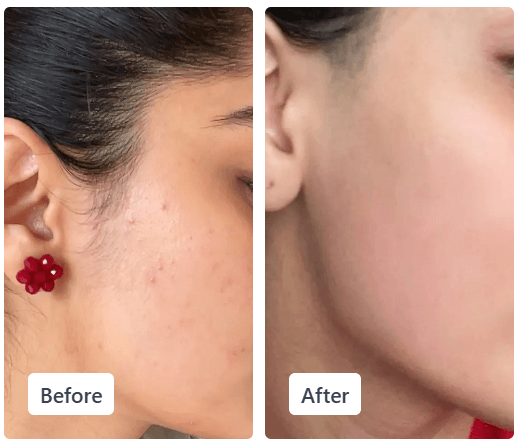
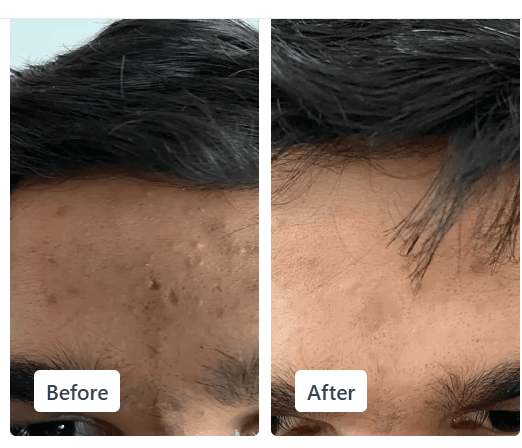
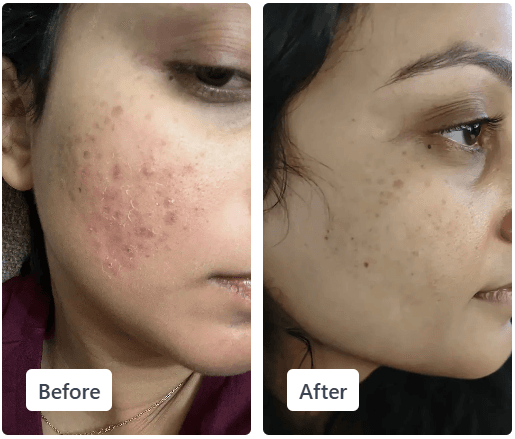
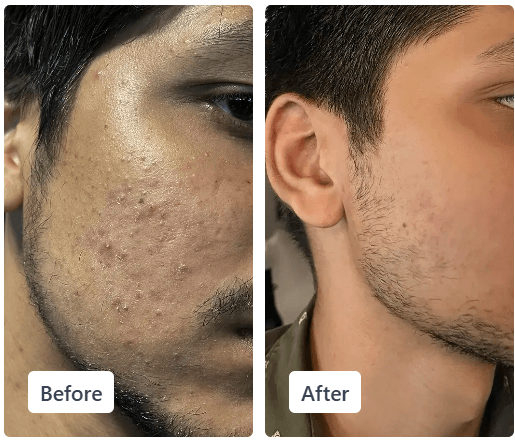
See real results, then start your own
Take the free Clear Ritual Skin Test and get a personalized routine built for your skin's unique patterns.
The Hormonal Acne Pattern: What It Looks Like
The lower face distribution of hormonal acne is not random. The jawline, chin, and lower cheek area contain sebaceous glands with higher concentrations of androgen receptors. When hormone levels fluctuate, these areas respond first and most intensely.
Hormonal breakouts typically emerge as deep, tender nodules or cysts that develop beneath the skin's surface. These lesions form when inflammation occurs deep within the dermis, creating painful bumps that may not develop a visible head for days or weeks. The same spots often break out repeatedly because the glands in these locations remain sensitive to hormonal signals.
The timing provides another clue. Many people notice hormonal acne worsening seven to ten days before menstruation, when estrogen drops and the relative androgen influence increases. The breakouts may partially clear after the period begins, only to return the following month in a predictable cycle.
Regular Acne: The T-Zone Story
Regular acne gravitates toward the forehead, nose, and center of the cheeks, collectively known as the T-zone. This area naturally contains more sebaceous glands per square centimeter than other facial regions, making it vulnerable to oil-related breakouts regardless of hormonal status.
The appearance differs too. Regular acne commonly presents as comedones (blackheads and whiteheads), small inflammatory papules, and pustules with visible white or yellow centers. These lesions develop closer to the skin's surface when pores become blocked by a mixture of sebum and dead keratinocytes.
External factors play a larger role in regular acne patterns. Wearing hats or helmets increases forehead breakouts through friction and occlusion. Heavy hair products migrate onto the forehead during sleep or sweating. Touching your face transfers oils and bacteria from hands to skin. Over-washing strips the lipid barrier, triggering compensatory sebum production that worsens congestion.
See real results, then start your own
Take the free Clear Ritual Skin Test and get a personalized routine built for your skin's unique patterns.
The Science Behind Hormonal Triggers
Androgens do more than increase sebum volume. They also alter sebum composition, making it thicker and more likely to trap dead skin cells inside follicles. This creates the perfect environment for inflammation, even before bacteria enter the picture.
Cortisol, the stress hormone, amplifies this process. Chronic stress keeps cortisol elevated, which stimulates androgen production and increases insulin levels. Higher insulin triggers insulin-like growth factor 1 (IGF-1), another hormone that enlarges sebaceous glands and promotes keratinocyte proliferation. The result is more oil, more dead skin cell buildup, and more inflammation.
Hormonal acne often worsens during life stages marked by hormone fluctuations: puberty, menstrual cycles, pregnancy, perimenopause, and when starting or stopping hormonal contraceptives. Polycystic ovary syndrome (PCOS) creates a state of chronic androgen excess, leading to persistent hormonal acne that resists typical acne treatments.
Why Regular Acne Develops Without Hormonal Shifts
You can have completely normal hormone levels and still experience significant acne if external factors overwhelm your skin's ability to maintain clear pores. Dead skin cells normally shed in an organized process, but certain conditions disrupt this turnover.
Thick, occlusive cosmetics and sunscreens trap sebum inside follicles. Humid environments increase skin hydration, causing the follicle opening to swell shut. Aggressive scrubbing or chemical exfoliation removes too many protective surface cells, triggering faster cell production that leads to more debris inside pores.
The skin's microbiome plays a critical role. C. acnes bacteria exist on everyone's skin, but certain strains produce more inflammatory byproducts than others. When the skin barrier becomes compromised through over-cleansing, harsh products, or environmental damage, the microbial balance shifts toward inflammatory strains.
Diet influences regular acne through inflammation rather than direct hormonal effects. High-glycemic foods cause rapid blood sugar spikes that increase inflammatory signaling throughout the body, including the skin. Dairy products contain bioactive hormones and growth factors that may stimulate sebaceous glands, though the mechanism differs from internal androgen production.
Identifying Your Acne Type: Location and Timing Clues
| Feature | Hormonal Acne | Regular Acne |
|---|---|---|
| Primary Location | Jawline, chin, lower cheeks | Forehead, nose, upper cheeks |
| Lesion Type | Deep cysts, nodules | Blackheads, whiteheads, pustules |
| Timing Pattern | Cyclical, predictable flares | Irregular, trigger-dependent |
| Response to Topicals | Slow or minimal | Usually responsive |
| Age of Onset | Often persists into 30s-40s | Typically peaks in teen years |
Pay attention to when breakouts worsen. If you notice a clear pattern tied to your menstrual cycle, that points toward hormonal influence. If breakouts follow specific activities like wearing makeup, using new hair products, or periods of high stress without cyclical timing, external triggers likely dominate.
The depth of lesions matters. Superficial pimples that develop quickly and resolve within a few days suggest regular acne mechanisms. Painful bumps that linger for weeks beneath the skin without coming to a head indicate deeper, hormonally-driven inflammation.
The Inflammation Connection Both Types Share
Regardless of the initial trigger, all acne involves inflammation. When follicles become blocked, the trapped contents activate the immune system. White blood cells rush to the area and release inflammatory mediators like interleukins and tumor necrosis factor. This inflammatory cascade damages surrounding tissue and creates the redness, swelling, and pain associated with active breakouts.
Chronic inflammation weakens the follicle wall. Eventually, the wall ruptures and spills its contents into the surrounding dermis. This triggers an even larger inflammatory response, creating the deep nodules and cysts characteristic of severe acne. The immune reaction can persist long after the initial blockage clears, which is why acne lesions often leave behind dark marks or scars.
Sleep deprivation amplifies inflammatory signaling throughout the body. Even a few nights of poor sleep increase pro-inflammatory cytokines that make existing acne worse and lower the threshold for new breakouts. The skin also performs most of its repair processes during deep sleep, so chronic sleep disruption impairs healing.
Treatment Approach Differences
Understanding whether hormones drive your acne changes the treatment strategy. Hormonal acne often resists conventional topical treatments because the problem originates from internal signals rather than surface-level factors. Topical retinoids, benzoyl peroxide, and salicylic acid can help manage symptoms by increasing cell turnover and reducing bacteria, but they do not address the androgen activity stimulating sebaceous glands.
Approaches that modulate hormonal influence include oral contraceptives that suppress androgen production, spironolactone that blocks androgen receptors, or other medications that reduce overall androgen levels. These treatments require medical supervision and are not appropriate for everyone.
Regular acne responds more predictably to topical interventions because the primary issues [excess oil, dead skin buildup, and bacterial overgrowth] exist at the skin's surface. Consistent cleansing removes excess sebum without stripping the barrier. Chemical exfoliants containing salicylic acid or glycolic acid dissolve the bonds holding dead cells together, preventing pore blockages. Benzoyl peroxide reduces C. acnes populations.
The skin barrier requires protection regardless of acne type. A compromised barrier increases transepidermal water loss, triggers compensatory oil production, and allows easier penetration of irritants and allergens. Using a lightweight, non-comedogenic moisturizer maintains barrier integrity while treating acne.
Lifestyle Factors That Affect Both Types
Certain habits worsen both hormonal and regular acne by increasing inflammation, disrupting the skin barrier, or altering hormone levels. Recognizing these patterns helps you make changes that support clearer skin.
High sugar intake causes insulin spikes that increase IGF-1 and androgen production while promoting inflammatory pathways. The effect hits hormonal acne particularly hard, but the inflammation also worsens regular acne. Shifting toward lower-glycemic foods [vegetables, whole grains, lean proteins] reduces these spikes.
Chronic stress elevates cortisol continuously rather than in the normal fluctuating pattern. This sustained elevation increases androgen production and impairs skin barrier repair. Stress also disrupts sleep quality, creating a compound effect on inflammation and healing capacity.
Excessive cleansing or aggressive physical exfoliation removes the protective lipid layer on the skin's surface. The skin interprets this as damage and increases sebum production to restore protection. The increased oil production then contributes to more breakouts. Gentle cleansing twice daily with a mild, pH-balanced cleanser cleans adequately without triggering this response.
Picking or squeezing lesions forces bacteria and inflammatory contents deeper into tissue, increasing the risk of scarring and spreading infection to adjacent follicles. The temporary satisfaction of extraction leads to prolonged healing time and worse outcomes.
When Acne Signals Underlying Conditions
Sudden onset of severe acne in adulthood, especially when accompanied by other symptoms, may indicate an underlying hormonal imbalance that requires medical evaluation. Signs that warrant dermatologist consultation include:
-
Acne that appears suddenly after age 25 with no prior history
-
Breakouts accompanied by irregular periods, excessive hair growth, or unexplained weight changes
-
Severe cystic acne that causes scarring
-
Acne that does not improve with consistent treatment over three to four months
-
Widespread acne covering the chest, back, and face simultaneously
PCOS affects up to ten percent of women of reproductive age and often presents with acne alongside irregular menstruation, thinning scalp hair, and dark skin patches. Other hormonal disorders affecting the adrenal glands or thyroid can also manifest with skin changes including acne.
How Clear Ritual Supports Personalized Skincare Decisions
Clear Ritual understands that acne, whether hormonal or regular, is more than a surface issue. It is shaped by genetics, skin renewal cycles, environmental factors, and the products you use.
Because acne forms when androgen fluctuations drive excess sebum and deep inflammation in some cases, while external factors like oil buildup, dead skin cells, and bacteria drive surface breakouts in others, generic solutions rarely bring lasting improvement. Clear Ritual combines traditional wisdom and modern science to address the underlying causes of both hormonal and regular acne.
The Clear Ritual Skin Test analyses your skin's unique patterns and daily influences to help identify the best routine for supporting healthy skin and reducing acne recurrence.
See real results, then start your own
Take the free Clear Ritual Skin Test and get a personalized routine built for your skin's unique patterns.
Conclusion
Hormonal acne and regular acne differ in where they appear, how they look, and what drives them beneath the surface. Hormonal acne follows a cyclical pattern along the jawline, chin, and lower cheeks, often presenting as deep, painful cysts tied to androgen activity, while regular acne clusters in the T-zone as blackheads, whiteheads, and pustules driven by excess sebum, dead skin cells, and bacteria. Recognizing the location, timing, and depth of your breakouts helps clarify which mechanisms are at play, and treatment approaches should reflect that distinction, whether through hormone-modulating options or consistent topical care and barrier support.
Frequently Asked Questions
Can you have both hormonal and regular acne at the same time?
Yes, many people experience a combination of both types. You might have hormonally-driven cysts along your jawline while also dealing with blackheads and small pustules in your T-z
Editorial Standards
Clear Ritual has Strict sourcing guidelines to ensure our content is accurate and current. We rely on peer-reviewed studies, academic research institutions, and medical associations. We strive to use primary sources and refrain from using tertiary references. See a mistake? Learn More about our Editorial Standards.
Related Articles
Acne Scars vs Post-Inflammatory Hyperpigmentation: Explained
Published 17 July 2026
What Is Papules Acne? Causes, Treatment & Prevention Guide
Published 11 September 2026

All About Body Acne: Causes, Prevention, and Treatments
Published 17 September 2026
Fungal Acne vs Acne Vulgaris: Clinical Differences
Published 17 July 2026