How to Choose Body Wash for Body Acne
Choose a body wash for body acne that contains a proven active ingredient, salicylic acid (0.5% to 2%) or benzoyl peroxide (2.5% to 10%), to clear clogged pores and reduce acne-causing bacteria. Avoid sulfates, added fragrances, and heavy oils or butters, since these strip or clog the skin barrier and can worsen breakouts. Match the formula and strength to your skin type, and let the product sit on skin for 30 to 60 seconds before rinsing so the active ingredients have time to work.
- Salicylic acid or benzoyl peroxide are the most effective active ingredients
- Avoid sulfates, fragrances, and heavy oils or butters
- Match strength and formula to your skin type
- Let the product sit on skin for 30 to 60 seconds before rinsing
Body acne forms when sweat, oil, and dead skin cells clog pores on your back, chest, or shoulders. The right body wash helps by removing excess oil and buildup without stripping your skin's protective barrier, which can actually trigger more breakouts when compromised.
What Causes Body Acne
Body acne develops through the same mechanism as facial acne, but the skin on your torso behaves differently. Your back and chest contain more sebaceous glands that produce oil, and these areas also generate more sweat. When oil mixes with dead skin cells inside hair follicles, it creates an environment where acne-causing bacteria multiply rapidly.
The thicker skin on your body means pores can become more deeply clogged. Tight clothing traps sweat against the skin, creating friction that pushes bacteria deeper into follicles. Workout gear that stays damp increases bacterial growth. Even carrying a backpack daily creates consistent pressure and heat that worsens inflammation.
Your body's microbiome plays a significant role here. The skin naturally hosts beneficial bacteria that maintain balance, but disruption from harsh soaps or over-washing allows problem bacteria to dominate. This imbalance triggers the inflammatory response you see as red, painful bumps.
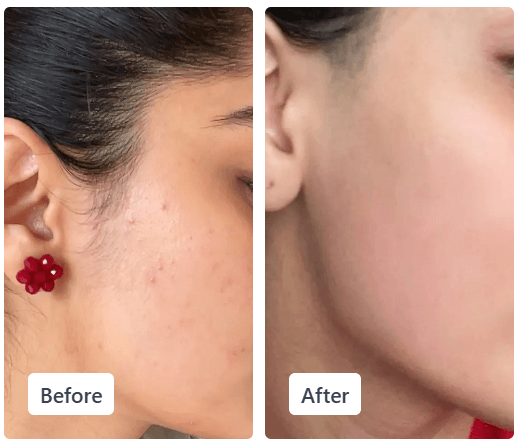
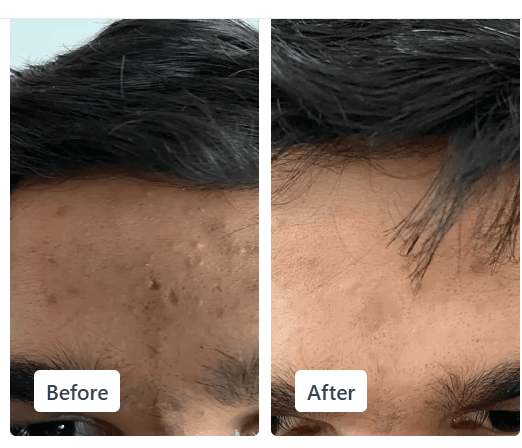
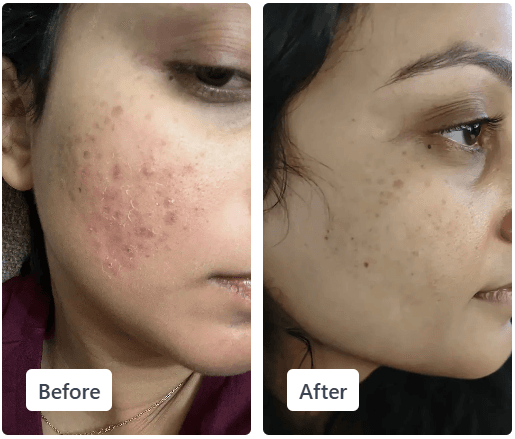
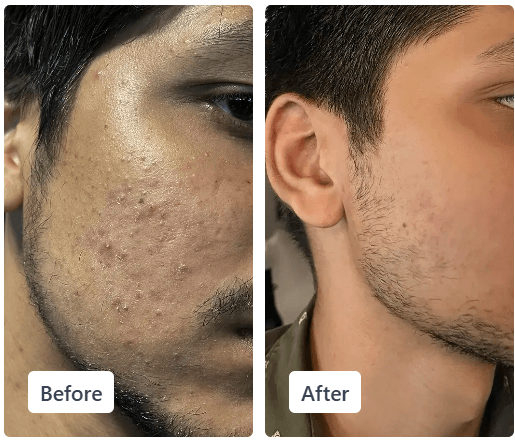
See real results, then start your own
Take the free Clear Ritual Skin Test and get a personalized routine built for your skin's unique patterns.
Active Ingredients That Target Body Acne
Salicylic Acid
This beta hydroxy acid penetrates oil-filled pores because it dissolves in sebum rather than water. Once inside the pore, it breaks apart the bonds holding dead skin cells together, preventing the plugs that start breakouts. Salicylic acid also reduces inflammation directly, calming existing bumps while preventing new ones.
Body washes with 0.5% to 2% salicylic acid work for mild to moderate body acne. The ingredient continues working even after rinsing, though leaving it on skin for one to two minutes before washing off increases effectiveness. This concentration range cleanses without causing the excessive dryness that damages the barrier and paradoxically increases oil production.
Benzoyl Peroxide
Benzoyl peroxide kills the specific bacteria strain that triggers acne inflammation. It releases oxygen into pores, creating an environment where these anaerobic bacteria cannot survive. This ingredient also helps remove dead skin cells and excess oil from the follicle opening.
Body washes containing 2.5% to 10% benzoyl peroxide address more persistent breakouts. Start with lower concentrations to assess your skin's tolerance. Benzoyl peroxide can initially cause dryness or mild peeling as your skin adjusts, but this usually subsides within two weeks of consistent use.
One caution: this ingredient bleaches fabrics. Rinse thoroughly and consider using white towels and wearing old clothing immediately after showering until the product fully absorbs.
Glycolic Acid
This alpha hydroxy acid works on the skin's surface rather than inside pores. It dissolves the upper layer of dead cells that can contribute to clogging, revealing fresher skin underneath. Glycolic acid improves overall skin texture and can help fade the dark marks that remain after breakouts heal.
Concentrations between 5% and 10% in body washes provide gentle exfoliation without irritation for most people. This ingredient works particularly well when body acne appears alongside rough, bumpy texture.
Tea Tree Oil
This natural antimicrobial reduces bacteria on the skin's surface while providing anti-inflammatory effects. Tea tree oil in concentrations around 5% can decrease breakout severity, though it works more slowly than benzoyl peroxide or salicylic acid.
Body washes containing tea tree oil suit those with sensitive skin who cannot tolerate stronger active ingredients. The ingredient supports the skin's beneficial bacterial balance rather than eliminating all microbes indiscriminately.
What to Avoid in Body Wash Formulas
Sulfates
Sodium lauryl sulfate and sodium laureth sulfate create the foaming action most people associate with cleanliness, but these detergents strip the skin's lipid barrier. When you remove the natural oils and ceramides that seal moisture inside skin cells, transepidermal water loss increases dramatically.
Your skin responds to this damage by producing more sebum to compensate, creating an oily rebound effect that worsens acne. The disrupted barrier also becomes more vulnerable to irritants and bacteria, increasing inflammation. Sulfate-free cleansers using gentler surfactants clean effectively without this damage cycle.
Fragrance
Added fragrances, whether synthetic or natural, rank among the most common skin irritants. They provide no cleansing or therapeutic benefit but increase inflammation in acne-prone skin. This inflammation triggers more oil production and slows healing of existing breakouts.
Fragrance ingredients also disrupt the skin's microbiome by affecting beneficial bacteria, allowing acne-causing strains to proliferate. Even "natural" fragrances from essential oils can irritate sensitive or inflamed skin.
Heavy Oils and Butters
Body washes containing coconut oil, cocoa butter, or shea butter might feel luxurious but can worsen body acne. These ingredients are comedogenic, meaning they clog pores by creating a seal over follicle openings. Dead cells and sebum become trapped underneath, forming the plugs that develop into breakouts.
Your body skin already produces sufficient oil. Adding more through cleansing products overwhelms pores, particularly on the back and chest where sebaceous glands are most active.
See real results, then start your own
Take the free Clear Ritual Skin Test and get a personalized routine built for your skin's unique patterns.
Matching Body Wash to Your Skin Type
| Skin Type | Best Active Ingredient | Additional Features | Frequency |
|---|---|---|---|
| Oily, persistent acne | Benzoyl peroxide 5-10% | Gel texture, sulfate-free | Daily |
| Combination, moderate acne | Salicylic acid 2% | Light foam, non-stripping | Daily or alternating |
| Sensitive with breakouts | Tea tree oil or low-dose salicylic acid | Fragrance-free, added soothing agents | Every other day |
| Dry with occasional acne | Glycolic acid 5-8% | Cream-based, contains humectants | 3-4 times weekly |
Oily Skin with Frequent Breakouts
Your skin tolerates stronger active ingredients without excessive dryness. Benzoyl peroxide addresses both the bacterial overgrowth and the excess oil contributing to your breakouts. Gel-based formulas rinse cleanly without leaving residue that could clog pores further.
Even with oily skin, avoid washing more than twice daily. Over-cleansing triggers increased oil production as your skin attempts to restore its protective barrier.
Combination Skin with Moderate Acne
Salicylic acid balances effectiveness with gentleness for skin that's oily in some areas but normal or dry in others. This ingredient targets clogged pores without the potential irritation of benzoyl peroxide.
You might alternate between a treatment body wash and a gentle, hydrating cleanser to prevent dryness in areas not prone to breakouts.
Sensitive Skin Prone to Irritation
Lower concentrations of active ingredients or naturally antimicrobial options like tea tree oil reduce breakouts without triggering redness or stinging. Look for formulas that include soothing ingredients such as colloidal oatmeal or aloe vera alongside the acne-fighting actives.
Your skin barrier may already be compromised, making gentle cleansing essential. Harsh ingredients will increase inflammation and potentially worsen breakouts despite their antibacterial properties.
Dry Skin with Occasional Breakouts
Glycolic acid provides mild exfoliation to prevent clogged pores while improving texture, but cream-based formulas prevent further moisture loss. Your body wash should contain humectants like glycerin that attract water into skin cells.
Consider using a treatment body wash only on affected areas while cleansing the rest of your body with a hydrating formula. This targeted approach prevents unnecessary dryness.
How to Use Body Wash for Maximum Effectiveness
The application method significantly impacts results. Many people apply body wash, create lather, and immediately rinse, giving active ingredients no time to work. For acne treatment, you need contact time between the ingredients and your skin.
Apply the body wash to damp skin and massage it into affected areas for 30 to 60 seconds before rinsing. This allows salicylic acid to penetrate pores and benzoyl peroxide to begin its antibacterial action. Some dermatologists recommend leaving the lather on for two minutes before rinsing for enhanced effectiveness.
Use your hands rather than loofahs or brushes, which harbor bacteria and can spread infection. These tools also create micro-tears in inflamed skin, worsening irritation. If you prefer a tool, opt for a soft silicone scrubber that you can thoroughly clean and dry between uses.
Temperature matters more than most people realize. Hot water feels soothing but strips the skin barrier, increasing dryness and triggering more oil production. Lukewarm water cleanses effectively while maintaining the lipid layer that protects against bacteria and irritation.
Rinse thoroughly, especially when using benzoyl peroxide. Residue left on skin can cause irritation without providing additional benefit.
Supporting Your Skin Barrier While Treating Acne
Treating body acne creates a challenging balance. You need ingredients strong enough to address clogged pores and bacteria, but these same ingredients can damage the protective barrier that prevents infection and maintains hydration.
After showering, apply a lightweight, non-comedogenic moisturizer while skin is still slightly damp. This seals in water and supports barrier repair. Look for products containing ceramides, which are the lipid molecules that form the waterproof seal between skin cells, or niacinamide, which reduces inflammation and regulates oil production without clogging pores.
The compromised barrier in acne-prone skin allows more transepidermal water loss, creating dehydration that your body interprets as a signal to produce more protective oil. This creates a frustrating cycle where treating acne causes dryness that leads to more oil and subsequent breakouts.
Avoid exfoliating scrubs while using active ingredient body washes. You're already chemically exfoliating with salicylic acid or glycolic acid. Adding physical exfoliation damages the barrier further, increases inflammation, and can spread bacteria across the skin.
Lifestyle Factors That Impact Body Acne
Your body wash represents just one piece of the complete picture. Certain daily habits either support or undermine your cleansing efforts.
Shower immediately after sweating. The longer sweat sits on skin mixed with oil and dead cells, the more likely pores will clog. If you cannot shower right away, at least change out of damp workout clothing and wipe affected areas with a gentle cleansing cloth.
Wash your sheets and towels weekly in hot water. These fabrics collect oil, dead skin cells, and bacteria that transfer back onto your clean skin. Pillowcases deserve particular attention since you spend hours pressed against them nightly.
Choose breathable fabrics that allow sweat to evaporate rather than trapping it against your skin. Synthetic athletic wear designed to wick moisture works well, but wash these items after every use since the fabric can harbor bacteria. Cotton allows airflow for everyday clothing.
Your laundry detergent might contribute to breakouts. Fragranced products and fabric softeners leave residue on clothing that contacts your skin all day. Fragrance-free, hypoallergenic detergents reduce this potential trigger.
Consider your hair products as well. Conditioners, styling products, and oils run down your back during showering and can clog pores on your shoulders and upper back. Wash your body after conditioning your hair to remove any residue.
When Body Wash Alone Isn't Enough
Body washes work effectively for mild to moderate body acne, but severe or persistent breakouts require additional intervention. If you've used an appropriate body wash consistently for six to eight weeks without improvement, the issue likely involves factors beyond what topical cleansing can address.
Deep, painful cysts or nodules beneath the skin indicate inflammation occurring in lower skin layers where body wash cannot reach. These breakouts often involve hormonal triggers or bacterial overgrowth requiring systemic treatment.
Widespread breakouts covering large areas of your back, chest, and shoulders may need treatment that stays on the skin rather than rinsing off. Leave-on products containing retinoids or higher concentrations of active ingredients provide extended contact time.
Scarring or significant dark marks from previous breakouts suggest inflammation levels that need professional management to prevent permanent damage.
Sudden onset of severe body acne, especially if accompanied by other symptoms, sometimes indicates underlying health conditions affecting hormone levels or immune function that require medical evaluation.
How Clear Ritual Supports Personalized Skincare Decisions
Clear Ritual understands that body acne is more than a surface issue. It is shaped by genetics, skin renewal cycles, environmental factors, and the products you use.
Because body acne forms when sweat, oil, and dead skin cells clog pores and allow acne-causing bacteria to multiply, generic solutions rarely bring lasting improvement. Clear Ritual combines traditional wisdom and modern science to address the underlying causes of body acne.
The Clear Ritual Skin Test analyses your skin's unique patterns and daily influences to help identify the best routine for supporting healthy skin and reducing body acne recurrence.
See real results, then start your own
Take the free Clear Ritual Skin Test and get a personalized routine built for your skin's unique patterns.
Conclusion
Choosing the right body wash for body acne means looking for proven active ingredients like salicylic acid or benzoyl peroxide while avoiding sulfates, fragrances, and heavy oils that damage the skin barrier. Matching the formula and strength to your skin type, and using proper application technique with adequate contact time, makes a meaningful difference in results. When body wash alone does not resolve severe or persistent
Editorial Standards
Clear Ritual has Strict sourcing guidelines to ensure our content is accurate and current. We rely on peer-reviewed studies, academic research institutions, and medical associations. We strive to use primary sources and refrain from using tertiary references. See a mistake? Learn More about our Editorial Standards.