How to Get Rid of Back Acne Fast at Home
You cannot erase back acne overnight, but you can reduce swelling and stop new breakouts fast by cleansing right after sweating, using salicylic acid to unclog pores, applying benzoyl peroxide to active spots, wearing breathable fabrics, and avoiding picking. Supporting your skin barrier alongside these treatments prevents dryness that can trigger more oil production.
- Rinse with a salicylic acid cleanser soon after sweating
- Apply benzoyl peroxide (2.5% to 5%) to active breakouts
- Wear loose, breathable, natural fabrics and change out of sweaty clothes quickly
- Avoid picking, harsh scrubbing, and hot showers that strip your skin barrier
Back acne develops when hair follicles on your back become clogged with oil, dead skin cells, and bacteria, leading to inflammation. While it takes time for existing breakouts to heal, you can reduce swelling and prevent new spots by improving hygiene, using targeted treatments, reducing friction, and supporting your skin barrier through simple home-based changes.
What Is Back Acne and Why Does It Happen?
Back acne, sometimes called "bacne," appears when pores on your back become blocked. Your back has a high concentration of sebaceous glands that produce sebum, an oily substance meant to protect your skin. When sebum mixes with dead skin cells that haven't shed properly, it creates a plug inside the hair follicle. Bacteria naturally present on your skin, particularly Cutibacterium acnes, multiply in this oxygen-poor environment, triggering an immune response that causes redness, swelling, and sometimes pus-filled bumps.
Unlike facial skin, the skin on your back is thicker and has larger pores, which means blockages can go deeper and take longer to surface. This also explains why back acne can feel more painful and take longer to resolve than facial breakouts.
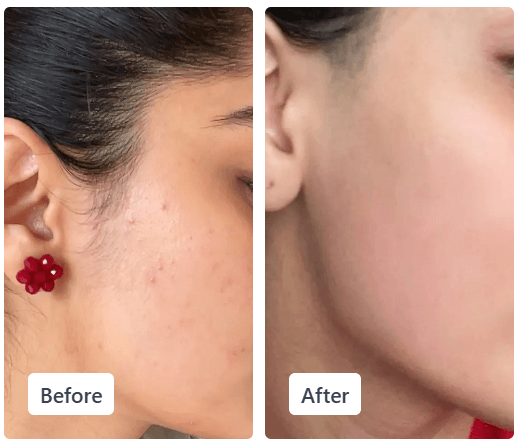
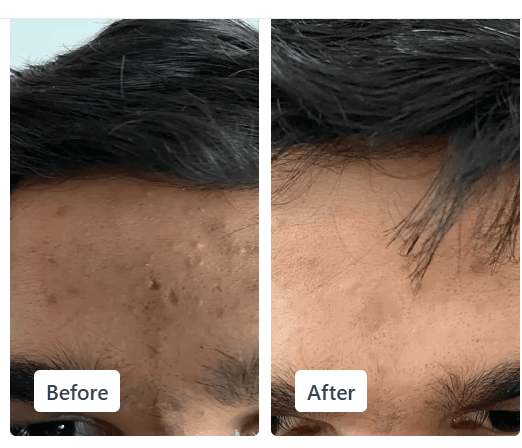
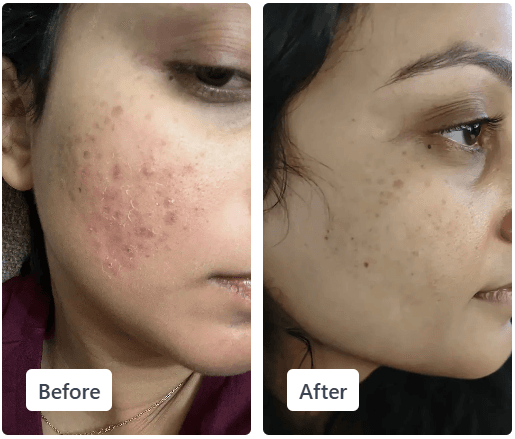
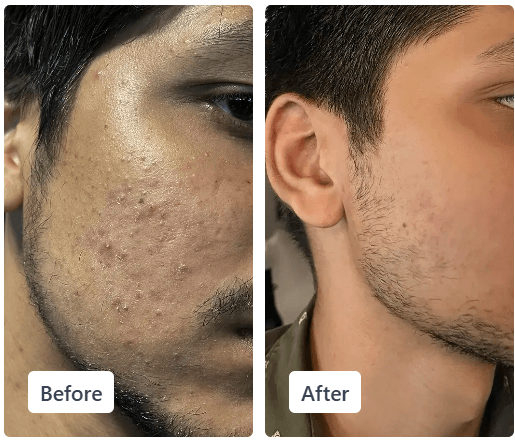
See real results, then start your own
Take the free Clear Ritual Skin Test and get a personalized routine built for your skin's unique patterns.
Why Your Back Breaks Out More Than Other Areas
Several factors make your back particularly prone to acne. The sebaceous glands on your upper back, shoulders, and chest are larger and more active than those on many other body areas. When you sweat during exercise or in hot weather, that moisture sits against your skin under clothing, creating a warm, humid environment where bacteria thrive.
Friction plays a significant role too. Backpacks, tight sports bras, synthetic fabrics, and even bed sheets rub against your skin throughout the day and night. This constant friction irritates hair follicles and pushes bacteria deeper into pores. If you wear workout clothes for extended periods after sweating, the combination of moisture, heat, and occlusion becomes a perfect storm for breakouts.
Hair products present another hidden trigger. When you rinse out conditioner, styling creams, or oils in the shower, these products run down your back. Many contain silicones, heavy oils, or synthetic ingredients that coat the skin and block pores. Even if you don't notice it immediately, repeated exposure builds up over time.
The Immediate Steps That Actually Make a Difference
The fastest improvement comes from removing what's actively clogging your pores and creating inflammation. After any activity that causes sweating, rinse your back with lukewarm water and a gentle cleanser. Waiting even an hour allows sweat, bacteria, and oils to settle into follicles, increasing the likelihood of new breakouts.
Use a cleanser containing salicylic acid, which penetrates into pores to dissolve the mixture of oil and dead skin cells. Salicylic acid is lipophilic, meaning it moves through sebum effectively, making it particularly useful for body acne where oil production runs high. Apply it with clean hands or a soft cloth, let it sit on your skin for 30 to 60 seconds to allow penetration, then rinse thoroughly.
After cleansing, avoid scrubbing aggressively. Harsh exfoliation strips away the protective outer layer of your skin, triggering a rebound effect where your skin produces even more oil to compensate. It also creates micro-tears that allow bacteria to enter more easily.
See real results, then start your own
Take the free Clear Ritual Skin Test and get a personalized routine built for your skin's unique patterns.
Treating Active Breakouts at Home
For existing pimples, benzoyl peroxide works by releasing oxygen into the follicle, creating an environment where acne bacteria cannot survive. Start with a lower concentration, around 2.5% or 5%, to minimize irritation. Apply a thin layer to affected areas after showering when your skin is clean and slightly damp, which helps with absorption.
Benzoyl peroxide can bleach fabrics, so wear old shirts after application or wait until it's fully absorbed before getting dressed. Use it once daily initially, then increase to twice daily if your skin tolerates it without excessive dryness or peeling.
For inflamed, painful spots, a cool compress reduces swelling by constricting blood vessels and slowing the inflammatory response. Wrap ice or a cold pack in a clean cloth and hold it against the area for 10 minutes. This won't make the acne disappear, but it eases discomfort and reduces redness temporarily.
Avoid picking or squeezing back acne. Because the skin on your back is thicker, squeezing often pushes bacteria and inflammatory material deeper rather than expelling it. This increases the risk of scarring and post-inflammatory hyperpigmentation, which can last for months even after the acne heals.
What to Wear and What to Avoid
Clothing choices directly impact how quickly back acne improves. Synthetic fabrics like polyester trap heat and moisture against your skin, while natural fibers like cotton allow airflow and wick sweat away from the surface. Loose-fitting shirts reduce friction, giving inflamed follicles space to heal without constant irritation.
After working out, change out of sweaty clothes immediately. Even if you can't shower right away, switching into dry, clean clothing prevents prolonged exposure to sweat and bacteria. Wash workout clothes after every use, as bacteria and oils embed into fabric and recontaminate your skin with each wear.
If you carry a backpack regularly, consider using one with padded, breathable straps or switch to a crossbody bag temporarily. The constant pressure and friction from backpack straps aggravate existing breakouts and create new ones by damaging the follicle walls.
Adjusting Your Shower Routine
The order in which you cleanse matters more than you might expect. Wash and condition your hair first, then cleanse your back last. This ensures that any residue from hair products gets rinsed away rather than sitting on your skin after you leave the shower.
Use lukewarm water rather than hot. High temperatures strip your skin's natural lipid barrier, the protective layer of fats that keeps moisture in and irritants out. When this barrier is compromised, your skin becomes more vulnerable to inflammation and bacterial invasion. It also responds by increasing oil production, which defeats the purpose of cleansing.
If you use body lotion, choose non-comedogenic formulas that won't clog pores. Many traditional body moisturizers contain heavy oils or butter that sit on the surface and trap debris inside follicles. Look for lightweight, oil-free options with ingredients like hyaluronic acid or glycerin that hydrate without occlusion.
The Role of Exfoliation Done Right
Chemical exfoliation helps remove the buildup of dead skin cells that contribute to clogged pores. Salicylic acid serves double duty here, both as a cleanser and as a leave-on treatment. After your initial cleansing, you can apply a salicylic acid toner or spray designed for body use, which continues working even after you dry off.
Physical exfoliation with brushes or scrubs should be minimal. If you choose to use one, opt for soft bristles and gentle circular motions once or twice a week at most. Over-exfoliating damages the skin barrier and worsens inflammation, creating a cycle where your skin never fully heals.
Another option is a body wash or treatment containing alpha hydroxy acids like glycolic or lactic acid. These work on the skin's surface to loosen the bonds between dead cells, encouraging them to shed naturally rather than accumulating in pores. Use these products two to three times weekly, not daily, to avoid irritation.
Lifestyle Factors That Influence Back Acne
Sleep deprivation elevates cortisol, your body's primary stress hormone. Elevated cortisol increases sebum production and promotes inflammation throughout your body, including your skin. Aim for consistent sleep patterns and adequate rest, as this allows your skin's natural repair processes to function optimally.
Chronic stress has a similar effect. When you're stressed, your body releases inflammatory signaling molecules that worsen existing acne and slow healing. While you can't eliminate stress entirely, practices that regulate your nervous system - like deep breathing, movement, or time outdoors - help moderate these inflammatory responses.
Dehydration affects your skin's ability to shed dead cells properly. When your body lacks adequate water, cell turnover slows, and dead skin accumulates more easily on the surface and inside pores. Drinking enough water supports normal skin function, though it won't cure acne on its own.
Diet plays a more nuanced role. High-glycemic foods like refined sugars and processed carbohydrates cause rapid spikes in blood sugar and insulin, which can increase sebum production and inflammation. Some people also notice worsening acne with dairy consumption, possibly due to hormones naturally present in milk or the way dairy influences insulin-like growth factor. Observing your own patterns helps you identify individual triggers.
When Home Care Isn't Enough
If your back acne is severe, covers large areas, causes pain, or doesn't improve after six to eight weeks of consistent home treatment, professional evaluation becomes important. Dermatologists can assess whether your acne is complicated by factors like hormonal imbalances, bacterial overgrowth, or fungal involvement, which requires different approaches.
Cystic acne, characterized by deep, painful lumps under the skin, often needs prescription treatments because the inflammation occurs too deep for topical products to reach effectively. Similarly, if you're developing dark spots or scars, early intervention prevents permanent changes.
Persistent back acne in adults, especially when it appears suddenly or alongside other symptoms like irregular periods or unwanted hair growth, may signal underlying hormonal issues that benefit from medical investigation.
Supporting Your Skin Barrier While Treating Acne
Aggressive treatment can backfire if it compromises your skin's protective barrier. This barrier, made of lipids and proteins, keeps water in and irritants out. When treatments like benzoyl peroxide or salicylic acid are overused, they can strip away these protective elements, leading to dryness, sensitivity, and paradoxically, more breakouts.
Balance active treatments with barrier support. After applying acne treatments, wait a few minutes for absorption, then apply a lightweight, non-comedogenic moisturizer to areas that feel dry or tight. This doesn't dilute the effectiveness of the treatment; it helps your skin tolerate it better, allowing you to use it consistently.
Look for moisturizers containing ceramides, which are lipids naturally found in healthy skin barriers, or niacinamide, which reduces inflammation and supports barrier repair without clogging pores.
Building a Sustainable Routine
Consistency matters more than intensity. A simple routine followed daily produces better results than elaborate treatments used sporadically. Start with the basics: cleanse after sweating, use one targeted treatment like salicylic acid or benzoyl peroxide, wear breathable clothing, and change sheets regularly.
Give each new product at least four to six weeks before judging its effectiveness. Skin cell turnover takes about 28 days, meaning you won't see the full impact of treatment until dead cells that were already destined to clog pores have worked their way out.
Track your progress with photos rather than relying on memory. Back acne improves gradually, and day-to-day changes are hard to notice. Weekly photos help you see progress you might otherwise miss, which keeps you motivated to maintain your routine.
Common Mistakes That Slow Improvement
Using too many products at once irritates your skin and makes it impossible to identify what actually works. Introduce one new treatment at a time, waiting at least two weeks before adding another.
Inconsistent application undermines results. Using salicylic acid only when you remember or applying benzoyl peroxide randomly won't maintain the steady pressure on acne-causing factors needed for clear skin.
Expecting overnight results leads to frustration and treatment hopping. Even fast-acting approaches take time because existing breakouts need to heal, and prevention requires breaking the cycle of pore-clogging and inflammation.
Ignoring laundry habits allows bacteria and oils to recontaminate your skin. Wash sheets and pillowcases weekly in hot water, and ensure towels are completely dry between uses, as damp towels harbor bacteria.
How Clear Ritual Supports Personalized Skincare Decisions
Clear Ritual understands that back acne is more than a surface issue. It is shaped by genetics, skin renewal cycles, environmental factors, and the products you use.
Because back acne forms when hormonal fluctuations, stress responses, inflammatory pathways, gut health, and genetic predisposition interact with clogged pores and excess oil production, generic solutions rarely bring lasting improvement. Clear Ritual combines traditional wisdom and modern science to address the underlying causes of back acne.
The Clear Ritual Skin Test analyses your skin's unique patterns and daily influences to help identify the best routine for supporting healthy skin and reducing back acne recurrence.
See real results, then start your own
Take the free Clear Ritual Skin Test and get a personalized routine built for your skin's unique patterns.
Conclusion
Back acne forms when clogged pores, excess oil, bacteria, and inflammation combine, and it responds fastest to consistent, gentle care rather than harsh or sporadic treatment. Cleansing promptly after sweating, using salicylic acid and benzoyl peroxide correctly, wearing breathable fabrics, avoiding picking, and supporting your skin barrier all work together to calm existing breakouts and prevent new ones. Give any routine four to six weeks before judging results, and seek professional care if acne is severe, painful, or unresponsive to home treatment.
Frequently Asked Questions
How long does it take to see improvement in back acne with home treatment?
Most people notice some reduction in inflammation and fewer new breakouts within two to four weeks of consistent treatment. Existing pimples take longer to heal completely, often six to eight weeks. Deep or cystic acne may take even longer. Progress depends on severity, consistency of treatment, and whether you've identified and removed triggering factors like friction or pore-clogging products.
Can I use the same acne products on my back that I use on my face?
Generally yes, but consider concentration and formulation. Back skin is thicker and less sensitive than facial skin, so you can often tolerate higher concentr
Editorial Standards
Clear Ritual has Strict sourcing guidelines to ensure our content is accurate and current. We rely on peer-reviewed studies, academic research institutions, and medical associations. We strive to use primary sources and refrain from using tertiary references. See a mistake? Learn More about our Editorial Standards.