Best Moisturizer for Acne-Prone Skin in India: Complete Guide
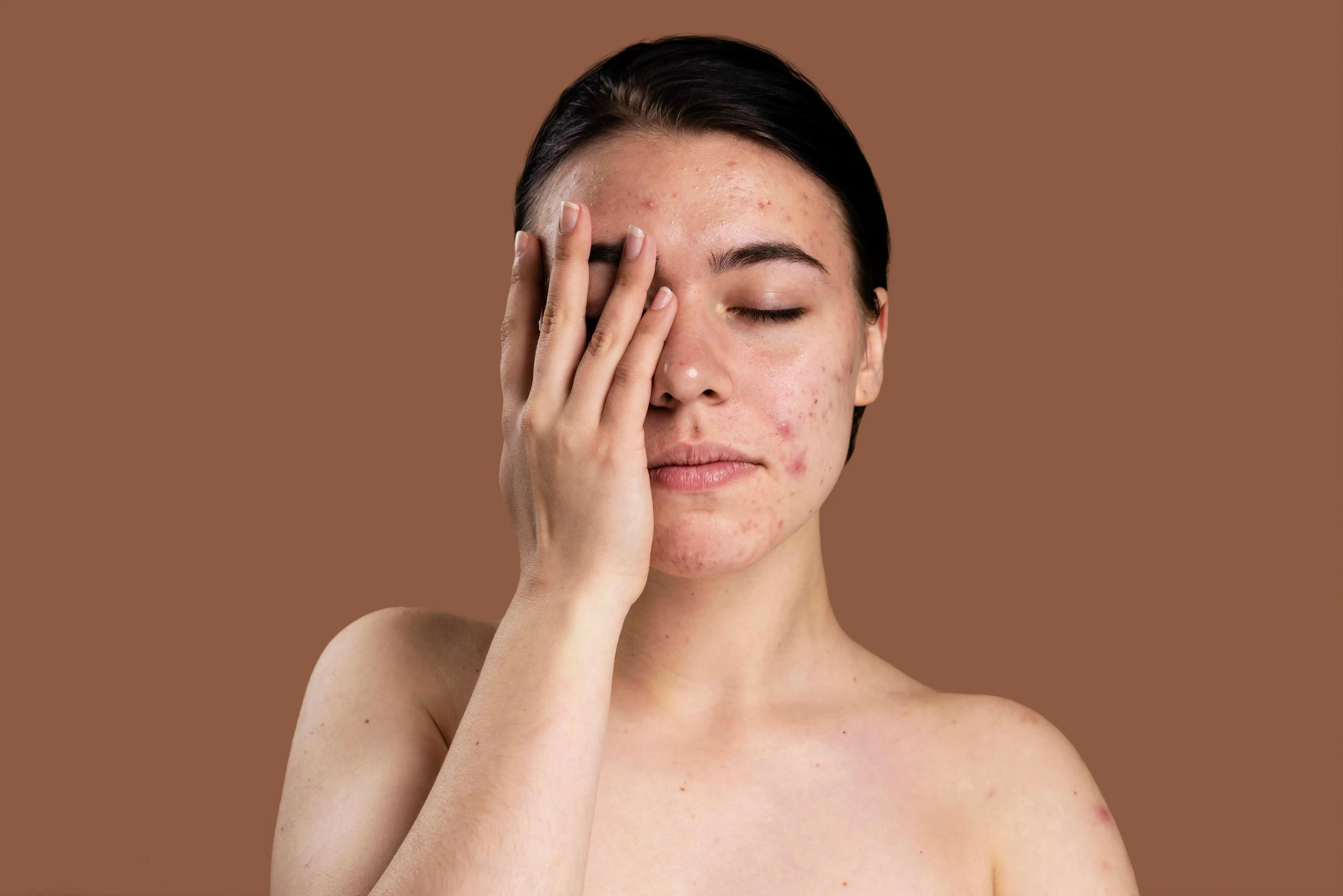
The best moisturizer for acne-prone skin is lightweight, non-comedogenic, and suitable for your skin's current needs. Even oily or acne-prone skin needs hydration, especially when using active treatments. Apply a small amount after cleansing and treatment products, choose a texture that feels comfortable in your climate, and use sunscreen during the day to help protect post-acne marks.
What Is a Moisturizer for Acne-Prone Skin, And Why Does It Matter?
A moisturizer for acne-prone skin is a topical formulation designed to restore and maintain the skin's moisture barrier without contributing to pore congestion or increased sebum production. Unlike standard moisturizers, acne-safe formulas are tested as non-comedogenic, meaning their ingredients are unlikely to block pores.
Acne-prone skin is often dehydrated despite appearing oily. When the skin barrier is compromised, it loses water rapidly and compensates by producing excess sebum. This excess oil mixes with dead skin cells and bacteria, leading to comedones, pustules, and cystic lesions.
Approximately 60-70% of acne cases in Indian patients involve a compromised skin barrier as a contributing factor, making the right moisturizer a clinical necessity, not a cosmetic luxury.
Key terms defined once:
- Non-comedogenic: Will not block pores
- Humectant: Draws water into the skin (e.g., hyaluronic acid, glycerin)
- Emollient: Softens and smooths the skin surface
- Occlusive: Seals moisture in (use sparingly on oily skin)
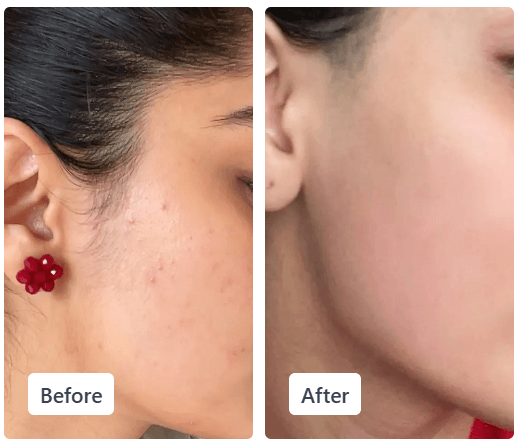
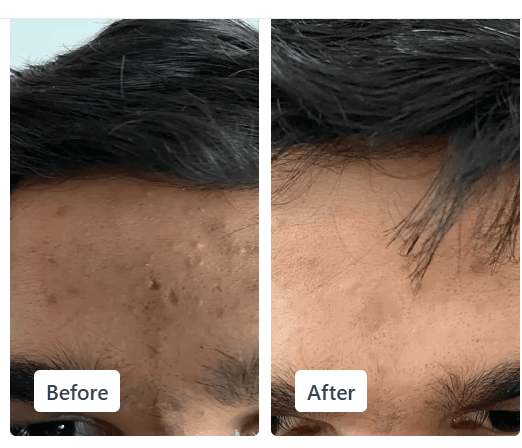
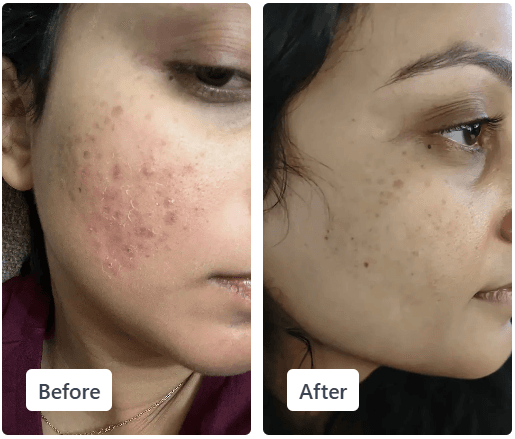
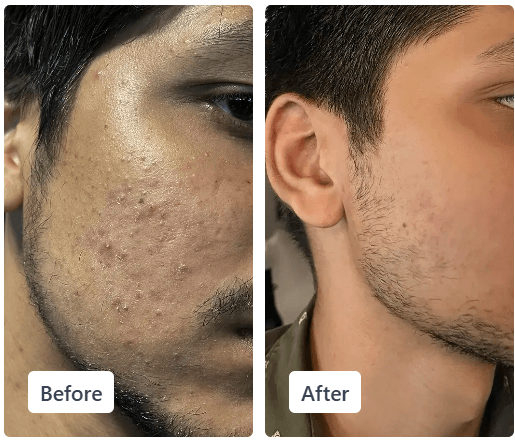
See real results, then start your own
Take the free Clear Ritual Skin Test and get a personalized routine built for your skin's unique patterns.
How Does a Moisturizer for Acne-Prone Skin Actually Work?
A moisturizer for acne-prone skin works by reinforcing the skin's moisture barrier while delivering hydration through mechanisms that do not stimulate oil glands. The distinction from regular moisturizers lies in ingredient selection and texture.
Step-by-step mechanism:
-
Humectants attract water. Ingredients like hyaluronic acid and glycerin pull moisture from the dermis and environment into the outer skin layer (epidermis), reducing transepidermal water loss (TEWL).
-
Emollients fill micro-gaps. Lightweight emollients such as squalane fill spaces between skin cells, improving texture without an occlusive film that traps bacteria.
-
Active ingredients address acne simultaneously. Niacinamide (2-5%) reduces sebum production by up to 52% with consistent use [1]. Salicylic acid (0.5-1%) penetrates the follicle and dissolves dead skin cells, preventing comedone formation.
-
The barrier stabilises. With consistent use, a restored barrier reduces irritation, post-inflammatory hyperpigmentation (PIH), and the skin's oil-compensation response.
-
Inflammation decreases. Ingredients like centella asiatica and panthenol reduce redness and swelling around active lesions.
The Clear Ritual's formulation philosophy is built on this mechanism: hydrate the barrier, regulate sebum, and reduce inflammation, in that order.
Common misconception cleared: Oil-free does not automatically mean non-comedogenic. Some synthetic esters and plant butters used in "oil-free" products can still clog pores. Always verify non-comedogenic testing on the label.
Key Benefits of Using the Right Moisturizer for Acne-Prone Skin
Using a correctly formulated moisturizer for acne-prone skin delivers both immediate and long-term skin health improvements.
Short-term benefits (within 2-4 weeks):
- Reduced skin tightness and flakiness, particularly after acne treatments like benzoyl peroxide or retinoids
- Decreased redness around active lesions
- Improved skin texture and reduced rough patches
- Faster healing of post-acne marks due to better barrier function
Long-term benefits (3-6 months):
- Reduced frequency of breakouts due to regulated sebum production
- Visibly faded post-inflammatory hyperpigmentation (PIH), common in Indian skin tones
- Stronger moisture barrier that is less reactive to environmental triggers (pollution, humidity)
- Improved tolerance to active acne treatments (retinoids, AHAs, BHAs)
Who benefits most from acne-safe moisturizers:
- Teenagers and adults with hormonal acne
- Individuals using prescription acne medication (tretinoin, clindamycin)
- People with combination or oily skin who have been skipping moisturizer
- Those with post-acne marks and PIH on medium-to-deep Indian skin tones
See real results, then start your own
Take the free Clear Ritual Skin Test and get a personalized routine built for your skin's unique patterns.
Types of Moisturizer for Acne-Prone Skin: Which Formula Is Right for You?
Not all moisturizers for acne-prone skin are identical. The correct formula depends on your specific skin type within the acne-prone category.
Gel-Based Moisturizers, Best for Oily Acne-Prone Skin
Gel moisturizers are water-based, absorb rapidly, and leave no residue. They rely primarily on humectants like hyaluronic acid and are the safest option for skin that produces excess sebum. These are ideal for humid Indian climates (Mumbai, Chennai, Kolkata) where heavy creams feel uncomfortable.
Gel-Cream Moisturizers, Best for Combination Acne-Prone Skin
A gel-cream texture provides slightly more emollient content than a pure gel, making it suitable for skin that is oily in the T-zone but normal-to-dry on the cheeks. These formulas balance hydration without causing greasiness.
Lightweight Lotion, Best for Dry Acne-Prone Skin
Dry skin can also be acne-prone, especially when harsh cleansers or acne treatments strip the barrier. A lightweight lotion with ceramides, niacinamide, and a small amount of emollients supports barrier repair without excessive occlusion.
Barrier Repair Cream, Best for Sensitive Acne-Prone Skin
Sensitive acne-prone skin requires fragrance-free, dye-free formulas rich in ceramides, panthenol, and centella asiatica. These calm reactivity while gradually restoring the skin barrier.
| Skin Type | Best Formula | Key Ingredients | Avoid |
|---|---|---|---|
| Oily + Acne-Prone | Gel | Hyaluronic acid, niacinamide | Mineral oil, lanolin |
| Combination + Acne-Prone | Gel-Cream | Niacinamide, glycerin, squalane | Heavy butters, beeswax |
| Dry + Acne-Prone | Lightweight Lotion | Ceramides, hyaluronic acid, panthenol | Alcohol-heavy formulas |
| Sensitive + Acne-Prone | Barrier Cream | Centella asiatica, ceramides, allantoin | Fragrance, essential oils |
Best Moisturizer for Acne-Prone Skin in India vs. Alternatives: An Honest Comparison
Choosing the best moisturizer for acne-prone skin in India requires comparing formulations across texture, ingredient efficacy, price, and suitability for Indian skin tones and climate conditions.
Best Overall: Niacinamide Gel Moisturizer (The Clear Ritual)
Formulated with 5% niacinamide, hyaluronic acid, and centella asiatica. The Clear Ritual's niacinamide gel moisturizer targets sebum regulation, PIH, and barrier repair simultaneously, making it appropriate for the most common acne profile seen in Indian patients: oily, pigmentation-prone, and humid-climate exposed.
- Ideal for: Oily and combination acne-prone skin, ages 15-35
- Price range: ₹400-₹700
- Pros: Targets PIH common in Indian skin, non-comedogenic, fragrance-free
- Cons: May feel slightly tacky in very high humidity
Best for Sensitive Acne-Prone Skin: Centella-Ceramide Moisturizer
A barrier-repair formula suited for skin sensitised by prescription acne treatment. Contains ceramide NP, centella asiatica extract, and panthenol.
- Ideal for: Sensitive or treatment-stressed skin
- Price range: ₹500-₹900
- Pros: Calms redness quickly, minimal ingredient list
- Cons: Not sufficient as a standalone acne treatment
Best for Dry + Acne-Prone Skin: Ceramide Lotion
For skin that is acne-prone but not oily, a ceramide-rich lotion restores lipids lost through aggressive acne treatments without adding comedogenic ingredients.
- Ideal for: Dry, dehydrated acne-prone skin; acne on dry skin types
- Price range: ₹600-₹1,200
- Pros: Strong barrier repair, suitable for post-treatment skin
- Cons: May feel slightly heavier for oily skin types
Best Budget Option: Salicylic Acid Gel Moisturizer
An affordable gel with 0.5% salicylic acid and glycerin. Provides mild exfoliation within the moisturizer step.
- Ideal for: Mild comedonal acne, budget-conscious buyers
- Price range: ₹150-₹350
- Pros: Widely available, dual-action (hydrate + exfoliate)
- Cons: May over-dry skin if used alongside other BHAs
| Product Type | Best For | Price (INR) | Key Ingredient | PIH Benefit |
|---|---|---|---|---|
| Niacinamide Gel (The Clear Ritual) | Oily + Acne-Prone | ₹400-₹700 | 5% Niacinamide | High |
| Centella-Ceramide Cream | Sensitive + Acne-Prone | ₹500-₹900 | Ceramide + CICA | Moderate |
| Ceramide Lotion | Dry + Acne-Prone | ₹600-₹1,200 | Ceramide NP | Low-Moderate |
| Salicylic Gel | Mild Comedonal Acne | ₹150-₹350 | 0.5% Salicylic Acid | Low |
How to Use a Moisturizer for Acne-Prone Skin: Step-by-Step Guide
Applying the best moisturizer for acne-prone skin in the correct sequence and amount maximises efficacy and reduces the risk of irritation.
Prerequisites:
- A gentle, pH-balanced cleanser (pH 4.5-5.5)
- Clean hands or a spatula for application
- Confirmation that the moisturizer is labelled non-comedogenic
Step-by-step routine:
-
Cleanse your face. Use a gentle, sulphate-free cleanser morning and night. Avoid over-cleansing, twice daily is sufficient. Over-cleansing strips sebum and triggers rebound oil production.
-
Apply any treatment serums. If using niacinamide serum, retinol, or salicylic acid, apply these on damp skin before your moisturizer. Serums penetrate more effectively under a moisturizer layer.
-
Apply moisturizer to damp skin. Damp skin (not wet) improves humectant absorption. Use a pea-to-grape sized amount, approximately 0.5 ml, for the full face.
-
Dot and press, do not rub. Press the product gently into the skin using your fingertips. Rubbing causes friction and may spread bacteria from active lesions.
-
Allow full absorption before SPF (morning routine). Wait 60-90 seconds, then apply a non-comedogenic sunscreen. Sun exposure worsens PIH and active acne significantly.
-
Night routine: apply moisturizer last. At night, moisturizer is the final step unless you use a sleeping mask.
Common mistakes to avoid:
- Using too much product, excess product sits on the surface and can clog pores
- Skipping moisturizer on days with active breakouts, this is when the barrier needs the most support
- Using the same moisturizer for face and body, body lotions often contain comedogenic ingredients
- Mixing products with conflicting pH levels without allowing absorption time
What Results to Expect: A Realistic Timeline
Results from using the best moisturizer for acne-prone skin in India depend on your skin type, the severity of existing acne, and whether you are using complementary treatments.
| Timeframe | Expected Change |
|---|---|
| Week 1-2 | Reduced dryness and tightness; skin feels more comfortable after cleansing |
| Week 3-4 | Visible reduction in surface flakiness; fewer stress-triggered breakouts |
| Month 2 | Improved skin texture; reduced frequency of new comedones |
| Month 3 | Measurable reduction in sebum overproduction; early fading of PIH |
| Month 4-6 | Substantially improved barrier strength; significantly reduced breakout frequency; noticeable PIH improvement |
Factors that affect your results:
- Consistency of use (twice daily produces better outcomes than occasional application)
- Complementary use of SPF (essential for PIH improvement, without SPF, PIH cannot fade)
- Diet, stress levels, and hormonal fluctuations continue to influence acne activity
- Climate, Indian summers may require lighter formulas; winters may allow slightly richer textures
Is a Dedicated Moisturizer for Acne-Prone Skin Right for You?
| You Should Use One If... | You May Not Need a Specialist Formula If... |
|---|---|
| Your skin breaks out regularly (weekly or more) | You have fully clear skin with no active acne history |
| You use any prescription acne treatment | Your current moisturizer shows no signs of causing breakouts |
| Your skin is oily but also feels tight or dehydrated |
Editorial Standards
Clear Ritual has Strict sourcing guidelines to ensure our content is accurate and current. We rely on peer-reviewed studies, academic research institutions, and medical associations. We strive to use primary sources and refrain from using tertiary references. See a mistake? Learn More about our Editorial Standards.
Related Articles
Teen Blackhead Skincare Routine: What Actually Works
Published 12 October 2026
Azithromycin for Acne: What It Is, How It Works, and Who It's For
Published 17 July 2026
Cystic Acne Home Remedies, Cure and Natural Treatment
Published 17 July 2026
How to Remove Whiteheads Permanently: Dermatologist-Approved Methods
Published 12 October 2026