Neonatal Acne: What New Parents Need to Know
Neonatal acne, often called baby acne, is a common and temporary skin condition that causes small red, white, or skin-coloured bumps on a newborn's face. It usually appears between 2 and 6 weeks after birth, especially on the cheeks, nose, forehead, and chin. In most cases, it clears on its own within weeks to months and does not leave scars. Gentle cleansing with lukewarm water, avoiding oils and harsh products, and not squeezing the bumps are usually all that is needed. Seek medical advice if your baby has blisters, pus-filled bumps, fever, appears unwell, or develops acne after 6 weeks of age.
What Is Neonatal Acne?
Neonatal acne is a common newborn skin condition that causes small inflamed bumps or pimples, usually on the face. It is also called baby acne and typically develops around 2 to 4 weeks after birth, although it can appear anytime during the first 6 weeks.
The bumps most often appear on the cheeks and nose, but they can also occur on the forehead, chin, scalp, neck, upper back, or chest. Neonatal acne is usually harmless, temporary, and unlikely to leave scars.
Key terms explained:
- Neonatal acne: Acne-like bumps that appear from birth to around 6 weeks of age.
- Infantile acne: Acne that starts after 6 weeks of age, often between 3 and 6 months.
- Milia: Tiny white bumps, usually on the nose and cheeks, caused by blocked skin pores.
- Neonatal cephalic pustulosis: An acne-like newborn rash that may be linked to a normal reaction to yeast on the skin.
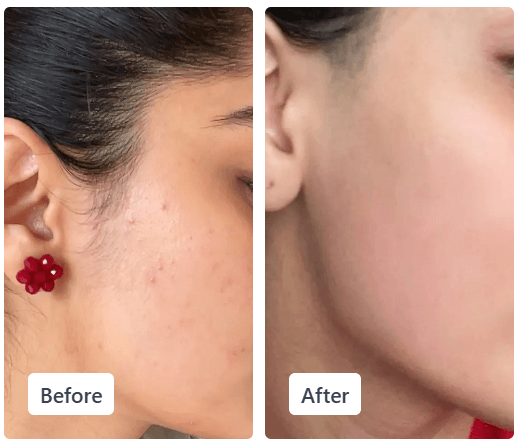
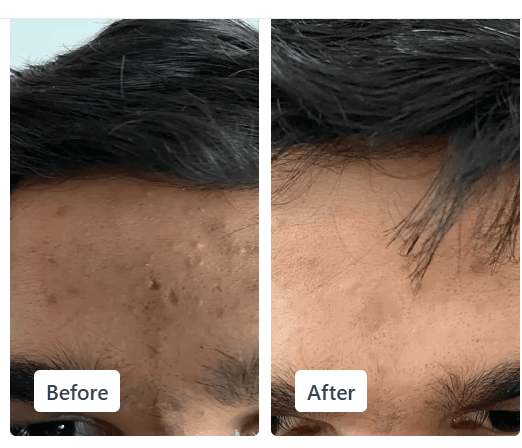
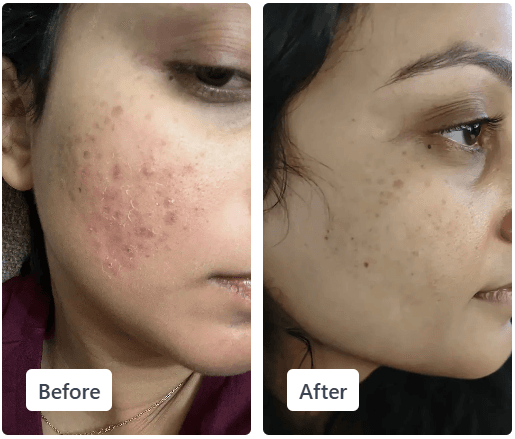
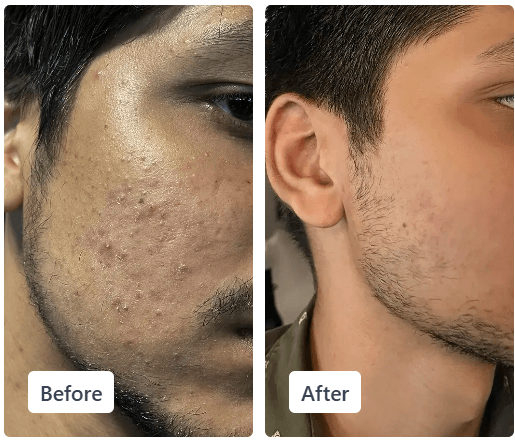
See real results, then start your own
Take the free Clear Ritual Skin Test and get a personalized routine built for your skin's unique patterns.
What Does Neonatal Acne Look Like?
Neonatal acne can look different from baby to baby. Some newborns develop a few small bumps, while others may have a noticeable cluster across the cheeks, forehead, or chin.
Common signs include:
- Small red, white, or skin-coloured bumps
- Tiny pimples or pustules
- Mild redness around the bumps
- Bumps mainly on the cheeks, nose, forehead, and chin
- Occasional bumps on the scalp, neck, chest, or upper back
- Skin that may appear rough or slightly uneven in texture
On lighter skin tones, neonatal acne may look red or pink. On deeper skin tones, bumps may look darker, purple-toned, greyish, or slightly lighter than the surrounding skin.
Unlike some other newborn rashes, neonatal acne usually does not make the baby uncomfortable. It is generally not itchy, painful, or contagious.
When Does Neonatal Acne Start?
Neonatal acne usually begins during the first few weeks of life. It is often seen around the second to fourth week after birth, though some babies may have bumps at birth or develop them before 6 weeks of age.
| Baby's Age | What It Could Suggest |
|---|---|
| Present at birth | Milia, newborn rash, or occasionally neonatal acne |
| 2 to 4 weeks | Typical timing for neonatal acne |
| Up to 6 weeks | May still be neonatal acne |
| After 6 weeks | May be infantile acne or another skin condition |
| 3 to 6 months | More consistent with infantile acne |
Acne that develops after 6 weeks of age is called infantile acne. It is less common, may be more severe, and can sometimes lead to scarring, so it is worth discussing with a paediatrician or dermatologist.
See real results, then start your own
Take the free Clear Ritual Skin Test and get a personalized routine built for your skin's unique patterns.
What Causes Neonatal Acne?
Neonatal acne is not caused by poor hygiene, dirty skin, breast milk, or anything a parent did wrong.
Hormonal exposure before birth is thought to play a role in many cases. These hormones can temporarily stimulate the baby's oil glands, leading to acne-like bumps after birth. Some acne-like newborn eruptions may also be linked to a normal skin response involving yeast that naturally lives on the skin.
Factors that may make the bumps look worse include:
- Heat and sweating
- Friction from rough fabric or blankets
- Saliva or milk sitting on the cheeks or chin
- Thick oils, ointments, and greasy skincare products
- Harsh soaps or frequent washing
- Scrubbing or rubbing the baby's face
Oily products, ointments, and baby oils can sometimes worsen acne-like bumps, so it is best to keep the routine simple.
Neonatal Acne vs Milia: What Is the Difference?
Milia and neonatal acne are both common in newborns, but they look slightly different.
| Feature | Neonatal Acne | Milia |
|---|---|---|
| Appearance | Red, white, or inflamed bumps | Tiny firm white bumps |
| Common areas | Cheeks, forehead, chin, nose | Nose, cheeks, forehead, chin |
| When it appears | Usually 2 to 4 weeks after birth | Often present at birth |
| Redness | May have redness around bumps | Usually no redness |
| Cause | Hormonal or acne-like newborn skin changes | Blocked skin pores |
| Treatment | Usually no treatment needed | Usually no treatment needed |
| Timeline | Weeks to months | Often clears within a few weeks |
Milia are harmless tiny white bumps and are not infected. They usually disappear without treatment.
Neonatal Acne vs Other Newborn Rashes
Newborn skin can develop many temporary rashes, and not every bump is baby acne.
| Condition | What It May Look Like | Key Difference |
|---|---|---|
| Neonatal acne | Red, white, or skin-coloured pimples on face | Usually begins around 2 to 4 weeks |
| Milia | Tiny white dots on nose and cheeks | Often present from birth |
| Heat rash | Tiny prickly bumps on face, neck, and chest | More likely after overheating |
| Erythema toxicum | Red blotches with pale or yellow centres | Often begins around day 2 to 3 |
| Cradle cap | Greasy yellow or white scales on scalp | Scaly rather than pimple-like |
| Eczema | Dry, itchy, red, rough patches | Usually causes noticeable itch |
| Infection | Pus, spreading redness, crusting, blisters | Needs medical assessment |
Erythema toxicum is a harmless newborn rash that often starts within the first few days of life, while heat rash is more likely after overheating or sweating.
How to Care for Neonatal Acne at Home
Most babies with neonatal acne do not need medication. The focus should be on gentle skin care and avoiding anything that may irritate or clog the skin.
Step 1: Clean Gently Once a Day
Wash your baby's face with lukewarm water once a day. A mild, fragrance-free baby cleanser may be used occasionally if advised by your baby's healthcare professional.
Do not use hot water, harsh soaps, exfoliating cloths, or adult face washes.
Step 2: Pat the Skin Dry
After washing, gently pat your baby's face dry with a clean soft cloth. Avoid rubbing the bumps.
Step 3: Avoid Oils and Thick Products
Avoid applying baby oil, greasy lotions, ointments, petroleum jelly, or thick creams directly over acne-prone areas unless your paediatrician has recommended a specific product.
These products may make acne-like bumps look worse in some babies.
Step 4: Do Not Squeeze or Scrub
Never squeeze, pop, pinch, or scrub neonatal acne. This can irritate delicate newborn skin and raise the risk of infection.
Step 5: Keep Clothing and Bedding Soft
Choose soft, breathable cotton clothing and wash bedding regularly with gentle, fragrance-free detergent. Avoid rough fabrics rubbing against the cheeks and face.
What Not to Use for Neonatal Acne
Newborn skin is sensitive, so adult acne products are not suitable unless a doctor specifically prescribes treatment.
Avoid using:
- Salicylic acid face washes
- Benzoyl peroxide
- Retinoid creams
- Tea tree oil
- Acne spot treatments
- Exfoliating acids
- Face scrubs
- Strong soaps
- Adult anti-acne creams
- Home remedies such as toothpaste, lemon, or essential oils
Dermatologists advise against applying acne medication or acne washes to a baby's skin without medical guidance.
Neonatal Acne: Results Timeline
Neonatal acne generally improves without treatment. It may fluctuate for a while, with some days looking better than others.
| Timeframe | What Parents May Notice |
|---|---|
| Week 2 to 4 | Small red or white bumps may first appear |
| Week 4 to 8 | Bumps may look more noticeable at times, especially with heat or friction |
| Month 2 to 3 | Many babies begin to show gradual improvement |
| By Month 3 to 4 | Acne often clears significantly or completely |
| Beyond 6 months | Persistent bumps should be reviewed by a healthcare professional |
Neonatal acne often clears within several weeks to months and rarely causes scarring.
Does Neonatal Acne Need Treatment?
Usually, no. Most cases resolve on their own with gentle care and time.
A healthcare professional may consider treatment only if the acne is severe, appears cystic, seems to be causing scarring, does not improve gradually, or begins after 6 weeks of age.
| Situation | Typical Next Step |
|---|---|
| Mild bumps in the first 6 weeks | Gentle cleansing and observation |
| Bumps worsen with oils or creams | Stop greasy products and keep routine simple |
| Acne begins after 6 weeks | Speak with a paediatrician or dermatologist |
| Cysts, deep bumps, or scarring | Seek medical assessment |
| Pus, spreading redness, or crusting | Seek prompt medical advice |
| Blisters or baby appears unwell | Seek urgent medical advice |
When Should You See a Doctor?
Most neonatal acne is harmless. However, newborn rashes can look similar, and some signs need medical assessment.
Contact your baby's doctor promptly if:
- Your baby is under 3 months and has a fever
- The rash contains clear fluid-filled blisters
- The bumps are pus-filled, painful, swollen, or warm
- There is spreading redness, crusting, oozing, or broken skin
- The rash appears purple, blood-coloured, or unusual
- Your baby is feeding poorly, unusually sleepy, very irritable, or appears unwell
- The bumps started after 6 weeks of age
- The rash is not improving or you are unsure what it is
For a newborn, a rash with blisters,
Editorial Standards
Clear Ritual has Strict sourcing guidelines to ensure our content is accurate and current. We rely on peer-reviewed studies, academic research institutions, and medical associations. We strive to use primary sources and refrain from using tertiary references. See a mistake? Learn More about our Editorial Standards.
Related Articles
Whiteheads vs Milia: How to Tell the Difference & Treat Them Correctly
Published 20 July 2026
Acne Caused by Makeup: Understanding Acne Cosmetica
Published 17 July 2026
Pus-Filled Pimples: Causes, Treatment, and Prevention
Published 11 September 2026

Pimples Between Eyebrows: Causes, Types & How to Treat Them
Published 17 July 2026