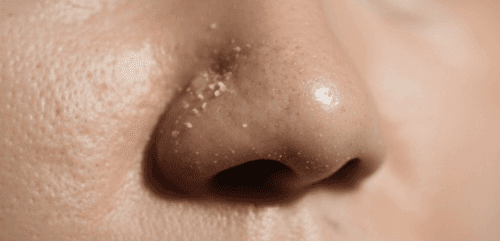
Pimples on Thighs: Causes, Types, and Treatment
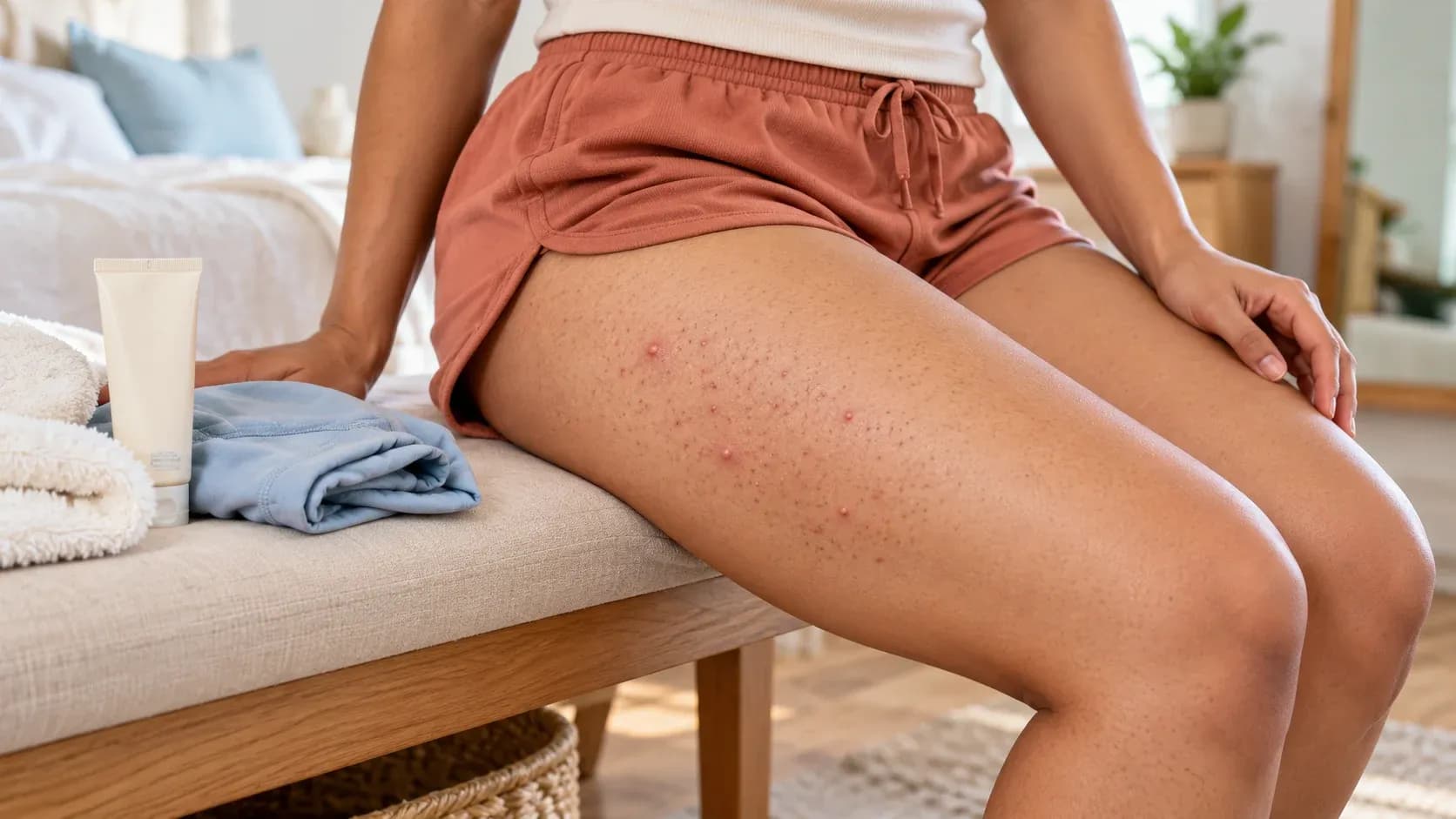
Pimples on the thighs commonly develop from friction, trapped sweat, tight clothing, folliculitis, or ingrown hairs. Keeping the area dry, reducing friction, and using treatment suited to the actual cause can help prevent repeated breakouts.
What Are Pimples on Thighs?
Pimples on thighs are acne-like lesions that develop on the upper leg when hair follicles or skin pores become blocked or infected. They can appear as red bumps, whiteheads, pustules, or deeper nodules depending on the underlying cause.
Thigh skin is particularly prone to breakouts because it experiences constant friction from clothing and movement, traps sweat and heat, and contains a high density of hair follicles. According to The Clear Ritual's dermatology advisory team, thigh pimples are one of the most commonly reported body acne complaints - particularly among individuals who are physically active or live in humid climates.
Key facts about pimples on thighs:
- They affect both men and women across all age groups
- Inner thighs are more prone due to skin-on-skin friction
- They are clinically distinct from sexually transmitted infections (STIs), though the two are frequently confused
- Most cases are benign and resolve without prescription medication
How Do Pimples on Thighs Form?
Pimples on thighs form through a specific biological process involving follicle blockage, sebum accumulation, and bacterial activity.
Step-by-step formation process:
- Friction or heat irritates thigh skin. Tight clothing, exercise, or skin rubbing against skin damages the outer layer of the epidermis, making follicles vulnerable.
- Follicles become blocked. Dead skin cells and excess sebum (skin oil) combine to plug the opening of a hair follicle.
- Bacteria proliferate. Cutibacterium acnes - naturally present on skin - multiplies rapidly inside the blocked follicle.
- Immune response triggers inflammation. The body sends white blood cells to fight the bacteria, causing redness, swelling, and pus formation.
- A visible pimple forms. Depending on depth, this appears as a whitehead (closed), blackhead (open), papule, pustule, or nodule.
The Clear Ritual's skin health team notes that pimples on thighs caused by friction are often classified as acne mechanica - a specific subtype triggered by physical pressure rather than hormonal or dietary factors alone.
What Causes Pimples on Thighs?
Pimples on thighs have multiple causes. Identifying the correct one determines the most effective treatment approach.
Primary causes include:
- Friction - Skin rubbing against clothing or other skin is the most common cause, especially on the inner thigh
- Folliculitis - Bacterial or fungal infection of hair follicles, producing clusters of small pustules
- Hormonal fluctuations - Elevated androgens during puberty, menstruation, or PCOS can increase sebum production on body skin including the thighs
- Sweat and occlusion - Trapped sweat under tight workout clothing creates a warm, moist environment where bacteria thrive
- Ingrown hairs - Hair curling back into the skin after shaving causes localised inflammation that resembles a pimple
- Keratosis pilaris - A genetic condition where keratin plugs follicles, producing rough, bumpy skin on the outer thigh (not true acne, but often misidentified)
- Contact dermatitis - Reaction to detergents, fabrics, or body products producing red, bumpy rashes
Studies suggest that folliculitis accounts for approximately 30-40% of body acne cases seen in clinical settings. Hormonal acne on the body may affect up to 50% of women with PCOS.
What Are the Types of Pimples on Thighs?
Pimples on thighs are not all identical. Identifying the type helps determine the correct treatment.
| Type | Appearance | Common Cause | Typical Location |
|---|---|---|---|
| Folliculitis | Small red pustules in clusters | Bacterial/fungal infection | Outer thigh, buttocks |
| Acne mechanica | Red papules and pustules | Friction from clothing | Inner thigh, groin crease |
| Ingrown hair cysts | Single raised bump, hair sometimes visible | Shaving, waxing | Any shaved area of thigh |
| Hormonal acne | Deep, painful nodules | Androgen fluctuation | Inner thigh, lower body |
| Keratosis pilaris | Rough, flesh-coloured bumps | Keratin buildup | Outer upper thigh |
| Contact dermatitis | Red, itchy, flat rash | Allergen or irritant | Any area of contact |
| Hidradenitis suppurativa | Deep, recurrent nodules and tunnels | Chronic follicular inflammation | Inner thigh, groin |
Hidradenitis suppurativa (HS) deserves particular attention. HS is a chronic skin condition affecting areas where skin rubs together, including the inner thighs and groin. It produces painful lumps that may rupture and form scars. HS affects approximately 1-4% of the population and requires medical management rather than standard acne treatment.
The Clear Ritual recommends consulting a dermatologist if pimples on thighs are recurrent, painful, or located in skin folds - as these may indicate HS or fungal folliculitis requiring targeted therapy.
Pimples on Inner Thighs in Females: Why It Happens
Inner thigh pimples in females are more common than most people realise, and they are almost never a sign of something serious. The most frequent causes are skin-on-skin friction, hormonal fluctuations tied to the menstrual cycle, and sweat-trapping fabrics.
Female hormonal cycles directly influence sebum production on body skin, not just the face. In the week before menstruation, rising progesterone and falling oestrogen levels increase oil production across the body - including the inner thighs. This extra sebum, combined with friction from daily movement, creates the exact conditions that block follicles and trigger pimples.
Additional female-specific triggers include:
- Tight activewear and shapewear - Synthetic fabrics trap heat and sweat, creating a humid microenvironment where Cutibacterium acnes multiplies rapidly
- Hormonal contraceptives - Some combined pills reduce androgens and improve skin; others with higher progestogenic activity can worsen body acne
- PCOS and insulin resistance - Elevated testosterone-like hormones cause overactive sebaceous glands across the lower body
- Waxing and shaving - Hair removal on the inner thigh frequently causes ingrown hairs and localised folliculitis
- Menstrual pad friction - The adhesive and material of period pads can irritate the inner thigh crease, producing a contact-dermatitis-like rash that resembles acne
What cystic acne on the inner thigh looks like in females:
Cystic inner thigh pimples feel like firm, deep lumps beneath the skin - they rarely come to a head on the surface. They are often 1-2 cm in diameter, tender to touch, and may persist for 2-4 weeks before resolving. Cystic acne on the thighs in females is most commonly driven by hormonal imbalance (PCOS, perimenopause, or luteal-phase androgen spikes) rather than surface hygiene.
Signs cystic inner thigh acne needs medical attention:
- The same nodule recurs in exactly the same spot more than twice
- It does not come to a head or resolve within 3-4 weeks
- It is accompanied by other PCOS symptoms - irregular periods, unwanted hair growth, or weight changes
- Multiple nodules appear in the groin fold or under the buttock crease
A 2019 review found that up to 34% of women with PCOS experience significant body acne. The Clear Ritual advises women experiencing recurring thigh pimples alongside other PCOS symptoms to seek a gynaecological or endocrinological evaluation, as managing the underlying hormonal imbalance is key to long-term skin improvement.
Pimples on Thighs in Men: Causes and Patterns
Pimples on thighs in men are almost always caused by physical factors rather than hormonal imbalance. Friction from athletic shorts, sweat from prolonged sitting or exercise, and folliculitis from shaving the upper legs account for the vast majority of male thigh acne cases.
Male-specific contributing factors:
- Athletic wear friction - Cycling shorts, compression tights, and thigh-length underwear press synthetic fabric against follicle-dense skin for hours, creating acne mechanica along the outer and inner thigh
- Post-gym sweat occlusion - Delaying a shower by 30-60 minutes after intense exercise allows sweat, bacteria, and dead skin cells to block follicles simultaneously
- Razor folliculitis - Men who shave the upper thigh frequently develop clusters of small pustules along the shave line, caused by bacteria entering nicked follicles
- Androgenic activity - Testosterone-driven sebum production is generally higher in males, making body follicles more prone to blockage during puberty and the 20-35 age range
- Prolonged sitting - Office workers and drivers who sit for 6 or more hours per day develop friction-heat acne on the posterior and lateral thigh from seat pressure
Pattern guide for male thigh acne:
| Pattern | Likely Cause |
|---|---|
| Clusters of small pustules along waistband or shorts hem | Acne mechanica from clothing friction |
| Line of bumps following the shave direction | Razor folliculitis |
| Single large painful nodule deep under skin | Infected ingrown hair or cyst |
| Diffuse red bumps on posterior thigh after workout | Sweat-induced folliculitis |
| Rough, skin-coloured bumps on outer thigh | Keratosis pilaris (not acne) |
Most male thigh acne resolves within 1-2 weeks when the friction source is removed and a consistent topical routine is in place. If pimples persist beyond 4 weeks or spread rapidly, a dermatologist visit is warranted to rule out fungal folliculitis - which requires antifungal treatment, not antibacterial products.
Why Am I Getting Pimples on My Thighs All of a Sudden?
Sudden thigh pimples - breakouts that appear with no prior history - are almost always triggered by a recent change in clothing, activity level, hormones, or a new product applied to the skin. They are rarely a sign of something serious.
The seven most common triggers for sudden thigh pimples:
- New or different exercise routine - A new gym habit, running programme, or sport increases friction and sweat exposure. Folliculitis and acne mechanica both emerge within 1-2 weeks of starting a new activity.
- Change in clothing fabric or fit - Switching to synthetic activewear, tighter jeans, or compression shorts creates constant low-grade friction that blocks follicles within days.
- Hormonal shift - Starting, stopping, or changing hormonal contraception alters androgen-oestrogen balance and can trigger body acne within 1-3 menstrual cycles. Puberty, perimenopause, and pregnancy create similar shifts.
- New skincare or body product - A new body lotion, sunscreen, or laundry detergent can cause contact dermatitis or comedogenic follicle blockage. The breakout typically matches the area where the new product was applied.
- Hot and humid environment - Moving to a warmer climate or entering a hot working environment dramatically increases sweat-induced folliculitis risk.
- Recent hair removal - Shaving, waxing, or epilating the thigh for the first time (or after a long gap) causes micro-trauma and ingrown hairs that produce breakouts within 3-7 days.
- Stress or illness - Acute stress elevates cortisol, which increases sebum production body-wide. Immune activation during illness can also temporarily disrupt the skin barrier.
How quickly should sudden thigh pimples resolve?
- Clothing-friction breakouts typically clear within 1-2 weeks of removing the source
- Exercise-induced folliculitis usually resolves within 2-3 weeks with prompt post-workout showering and salicylic acid body wash
- Hormonal breakouts triggered by a contraceptive change may take 2-3 full menstrual cycles to settle
- Contact dermatitis from a new product resolves within 7-14 days of discontinuing the product
If sudden thigh pimples have no obvious trigger and do not respond to self-care within 3-4 weeks, a dermatologist evaluation is the appropriate next step.
How to Treat Pimples on Thighs: Step-by-Step Guide
Most pimples on thighs respond to a structured, consistent skincare routine. Treatment should match the identified cause.
Prerequisites before starting:
- Identify whether bumps are acne, ingrown hairs, folliculitis, or another condition
- Avoid tight synthetic clothing during active breakouts
- Do not pop or squeeze thigh pimples - this increases infection risk and scarring
Step-by-step treatment protocol:
- Cleanse gently twice daily. Use a mild, non-comedogenic body wash containing salicylic acid (0.5-2%) to exfoliate inside follicles without stripping the skin.
- Apply a targeted topical treatment. Benzoyl peroxide (2.5-5%) targets bacteria; salicylic acid targets clogged follicles. Apply once daily initially to test skin tolerance.
- Keep skin dry and friction-free. Wear loose, breathable cotton or moisture-wicking fabric. Change out of sweaty clothing promptly after exercise.
- Exfoliate 2-3 times per week. A gentle chemical exfoliant (AHA or BHA) helps prevent the dead skin buildup that clogs follicles. Avoid physical scrubs on active breakouts - they spread bacteria.
- Moisturise with non-comedogenic products. Dry, damaged skin is more vulnerable to bacterial entry. Use a lightweight, fragrance-free lotion after cleansing.
- For ingrown hairs. Apply a warm compress for 5-10 minutes to soften the skin, then use a sterile needle to gently free the trapped hair. Do not dig or squeeze.
- For persistent or painful cases. Seek prescription options: topical clindamycin, oral antibiotics, or antifungal cream, depending on the diagnosis.
Step-by-step inner thigh routine for females specifically:
- Switch to breathable, cotton-lined underwear and avoid synthetic tights during active flares
- Use a salicylic acid body wash (2%) on the inner thigh twice daily
- Apply benzoyl peroxide 2.5% spot treatment to individual bumps every evening
- Apply a fragrance-free, non-comedogenic moisturiser after cleansing
- Use an anti-chafe balm on contact zones before exercise or prolonged walking
- If recurrence is monthly and tied to your cycle, speak with a gynaecologist about hormonal management
For men, the most effective changes are behavioural:
- Shower within 20-30 minutes of finishing exercise
- Wear moisture-wicking or loose athletic shorts rather than tight compression fabrics during active breakout periods
- Use a salicylic acid (2%) body wash on affected areas every shower
- Apply a thin layer of benzoyl peroxide 5% to clustered pustules at night
- If shaving the thigh, shave with the direction of hair growth using a fresh single-blade razor, then apply a fragrance-free post-shave balm
- For rough outer thigh bumps (keratosis pilaris), switch to an AHA-based body lotion (lactic acid 10-12%) - KP is a keratin problem, not a bacterial one
Pimples on Thighs vs. Other Skin Conditions
Pimples on thighs are frequently confused with other conditions that look similar but require entirely different treatment approaches.
| Condition | Appearance | Key Differentiator | Treatment |
|---|---|---|---|
| Thigh acne / folliculitis | Red pustules, clusters | Associated with friction and sweat | Benzoyl peroxide, antibiotics |
| Ingrown hair | Single bump, hair sometimes visible | Follows shaving or waxing | Warm compress, gentle extraction |
| Herpes (HSV-2) | Blisters or ulcers, painful | Burning sensation, fever possible | Antiviral medication |
Other conditions that may resemble thigh pimples include keratosis pilaris, heat rash, boils, contact dermatitis, and hidradenitis suppurativa. Persistent pain, tunnels under the skin, recurrent drainage, or scarring requires dermatologist assessment rather than repeated spot treatment.
How to Prevent Pimples on Thighs
Prevention focuses on reducing friction, moisture, follicle blockage, and irritation from hair removal.
- Change out of sweaty clothes as soon as possible after exercise.
- Wear breathable underwear and loose-fitting clothing during active flares.
- Wash workout clothing, towels, and bedding regularly.
- Use non-comedogenic body lotions and sunscreens.
- Avoid aggressive scrubbing, picking, or squeezing bumps.
- Use a clean razor and shave in the direction of hair growth.
- Reduce repeated skin-on-skin rubbing with an appropriate anti-chafe product.
If you regularly develop acne after waxing, review the waxing technique, post-wax products, clothing, and hygiene during the first 24 to 48 hours.
How Long Do Pimples on Thighs Take to Clear?
| Likely Cause | Typical Improvement Timeline |
|---|---|
| Friction or sweat-related bumps | 1 to 2 weeks after removing the trigger |
| Mild bacterial folliculitis | 1 to 3 weeks with appropriate care |
| Ingrown hairs | Several days to 2 weeks |
| Contact dermatitis | 1 to 2 weeks after avoiding the irritant |
| Hormonal or cystic lesions | Several weeks and may require medical treatment |
| Hidradenitis suppurativa | Chronic and requires professional management |
Seek assessment when bumps are not improving within 3 to 4 weeks, repeatedly return in the same location, or leave dark marks and scars.
When Should You See a Dermatologist?
Consult a dermatologist when thigh bumps are deep, very painful, rapidly spreading, recurrent, or accompanied by fever. Medical review is also important for lumps in the groin folds that drain, scar, or form tunnels beneath the skin.
An evidence-based acne treatment guide can explain common options for genuine acne, but folliculitis, fungal infection, dermatitis, and hidradenitis suppurativa require diagnosis-specific treatment.
Recognising the symptoms of acne-prone skin may provide useful context, but thigh bumps should not automatically be treated as facial acne.
Clear Ritual's Perspective on Pimples on Thighs
The right treatment begins with identifying whether the bumps are caused by clogged pores, infection, friction, hair removal, keratin buildup, or chronic inflammation. Applying the same acne active to every type of thigh bump can delay improvement and worsen irritation.
Clear Ritual recommends a simple routine, breathable clothing, prompt showering after sweating, and professional assessment for painful, recurring, or scarring lesions.
Understand What Your Skin Needs
Take the Clear Ritual Skin Test to identify your skin type, concerns, and potential triggers before building your routine.
Take the Free Skin Test
Frequently Asked Questions
Q. Why do I get pimples on my thighs?
A. Common causes include friction, sweat, tight clothing, ingrown hairs, bacterial or fungal folliculitis, hormonal changes, and pore-clogging body products.
Q. How do you treat pimples on the inner thighs?
A. Keep the area dry, reduce friction, wear breathable clothing, and use treatment matched to the cause. Painful or recurrent lumps need dermatologist assessment.
Q. Are thigh pimples caused by an STI?
A. Most thigh pimples are unrelated to STIs. Painful blisters, ulcers, unusual discharge, or exposure concerns should be evaluated by a healthcare professional.
Q. Can salicylic acid help thigh pimples?
A. Salicylic acid may help clogged pores and mild acne mechanica, but it will not appropriately treat every infection, rash, or hidradenitis suppurativa.
Q. Why do thigh pimples appear after shaving or waxing?
A. Hair removal can irritate follicles, introduce bacteria, and cause hairs to grow back into the skin, producing bumps or folliculitis.
Q. When are pimples on thighs a sign of hidradenitis suppurativa?
A. Recurrent painful lumps in skin folds that drain, scar, or form tunnels under the skin may indicate hidradenitis suppurativa and require medical diagnosis.
References
- American Academy of Dermatology. Folliculitis.
- DermNet. Folliculitis.
- American Academy of Dermatology. Hidradenitis Suppurativa.
- Mayo Clinic. Keratosis Pilaris.
Editorial Standards
Clear Ritual has Strict sourcing guidelines to ensure our content is accurate and current. We rely on peer-reviewed studies, academic research institutions, and medical associations. We strive to use primary sources and refrain from using tertiary references. See a mistake? Learn More about our Editorial Standards.
Related Articles
Boils vs Pimples: How to Tell the Difference and When to See a Doctor
Published 13 October 2026
Cystic Acne Explained: Why Deep, Painful Breakouts Form and How to Treat Them
Published 23 September 2026
Fungal Acne vs Closed Comedones: The One Sign That Tells Them Apart
Published 13 October 2026

Whiteheads: Causes, Symptoms, Treatment & Prevention Guide
Published 17 July 2026