How to Remove Acne Marks from the Face: A Step-by-Step Guide

Acne marks are flat areas of post-inflammatory discolouration that can remain after a pimple settles. Some marks fade gradually, while deeper or repeatedly irritated pigmentation may take longer.
This guide explains supportive home treatment, suitable ingredients and expert-led options so you can choose an approach based on your skin and the type of mark.
What Are Acne Marks and How Are They Different from Acne Scars?
Acne marks and acne scars are not the same thing, and treating them incorrectly wastes time and money.
Acne marks, including post-inflammatory hyperpigmentation or PIH, are flat red, brown, grey or black areas left after a pimple resolves. They do not change the skin's texture.
Acne scars involve structural changes such as ice-pick pits, boxcar depressions or raised tissue.
Key distinctions:
- Acne marks: flat, pigmented, no texture change, typically fade within 3–24 months without treatment
- Red/pink marks: post-inflammatory erythema (PIE), more common in lighter skin tones
- Brown/black marks: post-inflammatory hyperpigmentation (PIH), more common in medium-to-deep skin tones; referred to colloquially as black acne marks
- Acne scars: textural, permanent without intervention, require clinical treatment
Identifying whether you have a flat mark or a textural scar helps determine which treatment approach may be suitable.
When Should You See a Healthcare Provider About Acne Marks?
Speak with a qualified dermatologist if marks persist despite consistent treatment, appear alongside deep painful breakouts, or involve pitted or raised textural changes. These signs may require a different assessment and approach.
How to Remove Acne Marks from Face: Step-by-Step Guide
Removing acne marks from the face requires a consistent, layered approach. Jumping straight to strong actives without a stable routine first is the most common mistake people make.
Prerequisites and What You Need
Before starting any acne mark removal routine, confirm:
- Active breakouts are under control (treating PIH while acne is active creates new marks continuously)
- You use broad-spectrum SPF 30 or higher each day because UV exposure can darken PIH.
- Your skin barrier feels stable, without persistent flaking, burning or sensitivity.
Step-by-Step: How to Remove Acne Marks at Home
Follow these steps in order. Each step builds on the previous one.
- Cleanse gently (twice daily). Use a non-stripping, pH-balanced cleanser. Aggressive cleansing compromises the skin barrier and prolongs the inflammation that causes marks. Clear Ritual's formulations use mild surfactants that preserve skin pH between 4.5 and 5.5.
- Consider vitamin C in the morning. Vitamin C can support a brighter, more even-looking skin tone. Introduce it gradually if your skin is sensitive.
- Use niacinamide (morning or evening). Niacinamide can reduce pigment transfer within the skin. It also supports the skin barrier and may help with redness associated with PIE.
- Introduce a chemical exfoliant (2–3× per week, evening). Alpha-hydroxy acids (AHAs): glycolic acid or lactic acid: accelerate cell turnover, bringing fresh, unpigmented skin to the surface faster. Start at low concentrations (5–7%) to avoid irritation. Do not combine with retinoids on the same night.
- Apply a retinoid or bakuchiol (evenings on alternate nights). Retinoids, including retinol and prescription tretinoin, can increase epidermal turnover. Bakuchiol is a plant-derived alternative that may be suitable for some sensitive skin types. Introduce either option gradually and follow professional guidance for prescription formulas.
- Moisturise (morning and evening). Ceramide-containing moisturisers repair the skin barrier, which is essential for tolerating active ingredients over the long term. Apply after serums and before SPF.
- Apply SPF 30+ every morning (non-negotiable). Sunscreen is the single most impactful step for preventing acne marks from darkening. Without daily SPF, all other treatments lose significant effectiveness.
Common Mistakes to Avoid
- Picking or squeezing pimples: direct trauma triggers the inflammatory cascade that causes PIH
- Skipping SPF on cloudy days or indoors near windows
- Over-layering actives too quickly: causes irritation and worsens discolouration
- Using toothpaste, lemon juice, or baking soda: these DIY remedies disrupt skin pH and cause chemical burns
- Expecting overnight results: acne mark removal is a 2–6 month process
How Acne Mark Removal Works: The Mechanism Explained
Understanding why certain ingredients work helps you use them correctly and set realistic expectations.
The Core Mechanism
Acne marks form because inflammation from a pimple triggers melanocytes: pigment-producing cells: to overproduce melanin as a protective response. This excess melanin is deposited in the upper layers of the skin (epidermis) or deeper (dermis), producing the flat, discoloured patch you see.
Removal works through three biological pathways:
- Inhibit melanin production: Vitamin C and niacinamide block the enzymatic and transfer steps that create and deposit melanin, preventing new pigment from forming.
- Accelerate cell turnover: AHAs and retinoids speed up the skin's natural renewal cycle (typically 28–40 days, slower with age). Faster turnover moves pigmented cells to the surface where they are shed, replacing them with unpigmented cells from below.
- Reduce residual inflammation: Azelaic acid and niacinamide calm ongoing low-grade inflammation that can perpetuate pigmentation. This is particularly effective for red/pink marks (PIE).
Why Sun Protection Is a Mechanism, Not Just a Precaution
UV radiation can stimulate pigment production. Daily broad-spectrum sunscreen helps prevent existing marks from becoming darker and supports the rest of your routine.
How to Remove Acne Marks Naturally: Evidence-Based Home Options
"Natural" removal of acne marks at home is possible, but results are slower than with active cosmeceutical ingredients. The following options have some clinical or laboratory evidence supporting their use.
Evidence-Backed Natural Ingredients
- Aloe vera (aloesin): Contains aloesin, a compound shown in studies to inhibit tyrosinase and reduce UV-induced hyperpigmentation. Apply fresh gel or a stable aloe formulation twice daily.
- Turmeric (curcumin): Anti-inflammatory and mild melanin-inhibiting properties. Most effective when formulated into a stable product; raw turmeric paste can stain the skin yellow.
- Rosehip seed oil: Contains trans-retinoic acid precursors and vitamin C. Studies show modest improvement in PIH with consistent use over 12 weeks.
- Green tea extract (EGCG): Antioxidant with anti-inflammatory properties. Reduces erythema and may slow melanin production. Best used as a serum ingredient.
- Liquorice root extract (glabridin): Inhibits tyrosinase activity and has anti-inflammatory properties. Clinically observed to fade PIH in 4–8 weeks at concentrations of 0.5–1%.
What Does Not Work Naturally
- Lemon juice: citric acid concentration is uncontrolled and phototoxic; worsens PIH with sun exposure
- Toothpaste: no evidence; contains detergents and fluoride that irritate skin
- Vaseline (petroleum jelly): an occlusive moisturiser only; does not fade pigmentation or remove acne marks
Types of Acne Marks and Which Treatment Fits Each Type
Not all acne marks respond to the same treatments. Understanding the broader types of hyperpigmentation can help you identify the mark and choose a more suitable approach.
| Mark Type | Appearance | Skin Tone Most Affected | Best Treatments |
|---|---|---|---|
| PIE (Post-Inflammatory Erythema) | Red, pink, purple flat marks | Fair to medium skin tones | Niacinamide, azelaic acid, green tea, laser (vascular) |
| PIH: Epidermal (Shallow) | Light to medium brown flat marks | Medium to dark skin tones | Vitamin C, niacinamide, AHAs, retinoids |
| PIH: Dermal (Deep) | Dark brown to black flat marks | Dark skin tones | Azelaic acid, hydroquinone (formula), chemical peels, microneedling |
| Mixed PIE + PIH | Red-brown combination marks | All skin tones | Niacinamide + vitamin C + SPF combination |
| Acne scars (structural) | Pitted or raised textural changes | All skin tones | Microneedling, laser resurfacing, subcision (clinical only) |
How to Remove Black Acne Marks from Face
Black acne marks: deep dermal PIH: are the most resistant to at-home treatment. They require ingredients that reach the deeper skin layers:
- Azelaic acid 15–20% (targeted strength) has demonstrated efficacy for deep PIH without the risk of ochronosis (paradoxical darkening) associated with long-term hydroquinone use
- Tranexamic acid 2–5%: increasingly used in clinical practice for stubborn dark marks
- Combination chemical peels: An experienced dermatologist may select and schedule a suitable peel according to your skin tone, sensitivity and pigmentation depth.
How to Remove Acne Marks from Back: Specific Considerations
Removing acne marks from the back follows the same biological principles as facial treatment but requires modified application methods and product formats.
Key differences for back acne marks:
- Skin on the back is thicker than facial skin and may tolerate different product formats or ingredient strengths.
- Access is limited: use spray formats or applicators rather than hands
- Back skin may be oily and affected by clothing friction, so salicylic acid is sometimes considered as an exfoliating option.
- SPF application to the back is often skipped: use a spray SPF when wearing open-back clothing
Practical routine for back acne marks:
- Shower with a salicylic acid body wash (1–2%) daily
- Apply a niacinamide or azelaic acid body lotion to affected areas after showering
- Apply spray SPF to exposed back areas before sun exposure
Back marks may take longer to fade because body skin behaves differently and the area can be harder to treatment for consistently.
What Results to Expect: A Realistic Treatment Timeline
Results depend on pigment depth, skin tone, continued breakouts, irritation, routine consistency and daily sun protection. The timeline below is a general guide rather than a guarantee.
| Timeframe | Expected Progress |
|---|---|
| Week 1–2 | No visible change; skin barrier adapts to new actives |
| Week 3–4 | Mild surface brightening; red marks may begin to flatten |
| Month 2 | Superficial marks may begin to look lighter with consistent treatment. |
| Month 3 | Significant lightening of epidermal PIH; PIE redness reduced |
| Month 4–6 | Deep PIH shows measurable improvement; near-complete fading of mild marks |
| Month 6–12 | Residual deep dermal PIH continues to fade; may require clinical support |
Factors That Affect How Long Acne Marks Take to Go Away
- Skin tone: Deeper skin tones produce more melanin and may take longer to fade
- Sun exposure: Unprotected UV exposure can reset progress within days
- Active acne: Ongoing breakouts continuously add new marks
- Treatment consistency: Missing applications regularly extends timelines by weeks
- Mark age: Older marks (>12 months) are significantly harder to fade
Clinical Treatments for Acne Marks: In-Office Options
When home treatment is insufficient, particularly for deeper PIH, expert-led options may support more noticeable improvement.
Most Effective In-Office Treatments
- Chemical peels: Expert-selected peels may support skin renewal. The strength, number of sessions and spacing must be chosen for your skin.
- Microneedling: Creates controlled micro-injuries that stimulate collagen and accelerate turnover. Most effective for marks with accompanying shallow scarring. Results visible after 3–6 sessions.
- Laser therapy (fractional or vascular): Vascular lasers (e.g., pulsed dye) target PIE; pigment lasers (e.g., Q-switched Nd:YAG) target melanin. High efficacy but carries risk of post-inflammatory hyperpigmentation in darker skin tones: requires an experienced practitioner.
- Prescription topicals: A dermatologist may recommend options such as tretinoin, hydroquinone or higher-strength azelaic acid when over-the-counter products are insufficient. These require appropriate guidance and monitoring.
How Many Sessions Are Usually Required?
Most in-office treatments require 3–6 sessions for clinically meaningful results. Single-session results are possible with deeper peels, but recovery time (5–10 days of peeling) and risk of complications are higher. Clear Ritual recommends combining targeted topicals with clinic sessions for the best outcome-to-risk ratio.
Acne Marks Treatment: Best Practices and Expert Tips
Clear Ritual's skincare specialists have identified the following practices as consistently effective across patient groups.
Expert Tips for Removing Acne Marks
- Treat active acne first. No mark-fading routine produces lasting results if new pimples keep forming. Stabilise acne before adding brightening steps.
- Layer actives in the correct order. Vitamin C → niacinamide → moisturiser → SPF (morning); Cleanser → retinoid or AHA → moisturiser (evening). Never combine AHAs and retinoids in the same application.
- Introduce one new active at a time. Wait 2–3 weeks before adding each new ingredient. This identifies any irritant reaction before multiple variables are involved.
- Patch test every new product. Apply to a small area of the inner arm for 48 hours before full-face application.
- Use higher SPF on days you apply AHAs or retinoids. These ingredients increase photosensitivity. SPF 50 is preferable during active chemical exfoliation phases.
- Take monthly progress photos in consistent lighting. Gradual fading is difficult to perceive day-to-day. Monthly documentation maintains motivation and tracks treatment effectiveness.
- Do not double up on exfoliants. Physical scrubs + AHAs on the same day strip the skin barrier and worsen inflammation.
- Stay hydrated and manage systemic inflammation. Diet high in refined sugars and dairy has been associated with acne flares in some individuals, which directly contributes to new marks forming.
Common Mistakes to Avoid
- Stopping SPF once marks appear to fade: UV exposure will re-darken treated skin
- Using too many brightening actives simultaneously (vitamin C + AHA + retinoid + hydroquinone) without building tolerance
- Expecting natural remedies alone to address deep dermal PIH: these require clinical-strength actives
Research and Evidence Supporting Acne Mark Treatments
The following published studies form the clinical basis for the treatments recommended in this guide
- Post-inflammatory pigmentation can follow skin inflammation, and UV exposure may make it darker or more persistent.
- Topical options are selected according to pigment depth, skin sensitivity and the likelihood of further irritation.
- Procedures require careful selection, particularly for deeper skin tones that may be more prone to pigment changes after inflammation.
Clear Ritual's Perspective on Acne Marks
Fading marks is usually a gradual process. A crowded routine can irritate the skin and create further discolouration, so more products do not necessarily mean faster progress.
At Clear Ritual, we recommend starting with the basics: manage active breakouts, protect your skin from the sun and add suitable ingredients one at a time.
Understanding whether you have flat pigmentation or a textural scar is the first step towards choosing an appropriate routine.
Build a Routine for Your Skin Concerns
Take the Clear Ritual Skin Test to understand your skin type, breakout pattern and pigmentation concerns.
Take the Free Skin Test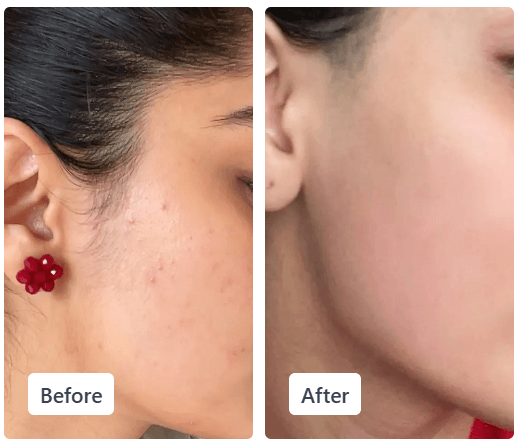
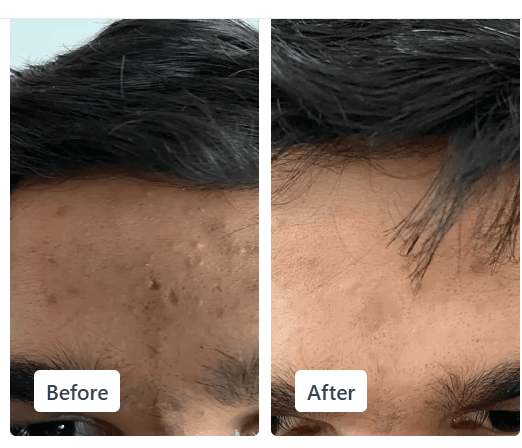
Frequently Asked Questions
1. How can you remove acne marks from your face?
Use daily broad-spectrum sunscreen, manage ongoing breakouts and consider suitable ingredients such as vitamin C, niacinamide, azelaic acid or retinoids. Introduce active ingredients slowly and avoid picking your skin.
2. How long do acne marks take to fade?
Some superficial marks fade over several months, while deeper pigmentation may take longer. Skin tone, pigment depth, UV exposure, irritation and new breakouts can all affect the timeline.
3. Can acne marks be removed naturally?
Gentle skincare and sun protection can support gradual fading, but natural remedies do not reliably remove deep pigmentation. Avoid lemon juice, toothpaste and harsh homemade mixtures because they can irritate the skin.
4. What is the difference between a acne mark and a scar?
A acne mark is flat and differs only in colour. A scar changes the skin's texture and may appear pitted, depressed or raised.
5. Which ingredients can help fade dark acne marks?
Vitamin C, niacinamide, azelaic acid, retinoids and carefully selected exfoliating acids may help. The right option depends on your skin sensitivity and the depth of the pigmentation.
6. Can sunscreen help with acne marks?
Yes. Sunscreen does not erase existing marks, but it helps prevent UV exposure from making them darker and supports the effectiveness of your wider routine. Learn more about sunscreen-related breakouts if you are concerned about choosing a suitable formula.
References
- Postinflammatory Hyperpigmentation, StatPearls, NCBI Bookshelf
- Postinflammatory Hyperpigmentation: Epidemiology, Clinical Features and Treatments in Skin of Colour
- Treatments for Post-Inflammatory Hyperpigmentation in Skin of Colour: A Systematic Review
Disclaimer
This article is for general informational purposes and is not a substitute for personalised advice, diagnosis or treatment from a qualified professional. Seek expert guidance if your marks persist, worsen or involve pitted or raised changes.
Editorial Standards
Clear Ritual has Strict sourcing guidelines to ensure our content is accurate and current. We rely on peer-reviewed studies, academic research institutions, and medical associations. We strive to use primary sources and refrain from using tertiary references. See a mistake? Learn More about our Editorial Standards.
Related Articles
Pimples After Waxing: Causes, Treatment, and Prevention
Published 12 October 2026

Acne Conglobata: Symptoms, Causes, Triggers and Advanced Treatment Approaches
Published 17 July 2026
Acne Breakout: Why It Happens All at Once and How to Calm It
Published 8 August 2026
Acne in Perimenopause: Hormonal Changes Behind Adult Breakouts
Published 16 July 2026