Fungal acne vs bacterial acne: how to identify and treat correctly
Fungal acne is caused by Malassezia yeast overgrowth, while bacterial acne stems from Cutibacterium acnes bacteria in clogged pores. Fungal acne shows up as small, uniform, itchy bumps that worsen with sweat and oils, while bacterial acne varies in size and often feels painful rather than itchy. Treating each condition correctly requires different active ingredients since antifungal and antibacterial products work in opposite ways.
- Fungal acne: uniform, itchy bumps that need antifungal treatment
- Bacterial acne: varied lesions that need antibacterial treatment
- Location, texture, and itch level help tell them apart
What Makes Fungal Acne Different From Bacterial Acne
The confusion between these two conditions makes sense because they both create bumps on your face, chest, or back. However, the biological mechanisms behind each are entirely different.
Bacterial acne, medically called acne vulgaris, develops when hair follicles become clogged with dead skin cells and sebum. The oil-rich, oxygen-deprived environment allows Cutibacterium acnes bacteria to multiply rapidly. These bacteria trigger an inflammatory response that creates the red, swollen pimples, pustules, and cysts most people recognize as acne.
Fungal acne, technically known as pityrosporum folliculitis or Malassezia folliculitis, occurs when yeast naturally present on skin multiplies excessively inside hair follicles. This yeast, called Malassezia, thrives in warm, humid conditions and feeds on oils. When the balance shifts and yeast populations explode, the follicle becomes inflamed and produces those characteristic small, uniform bumps.
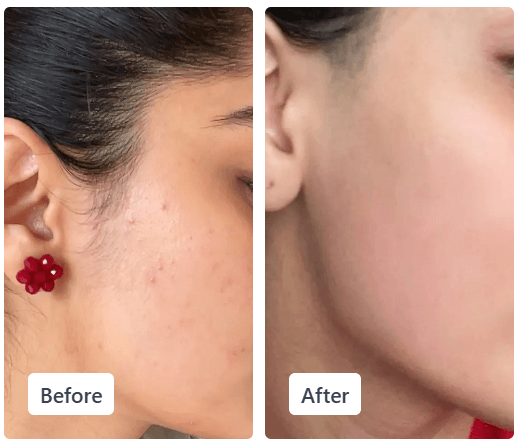
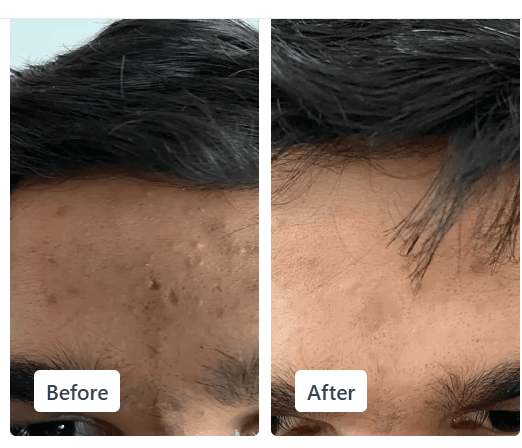
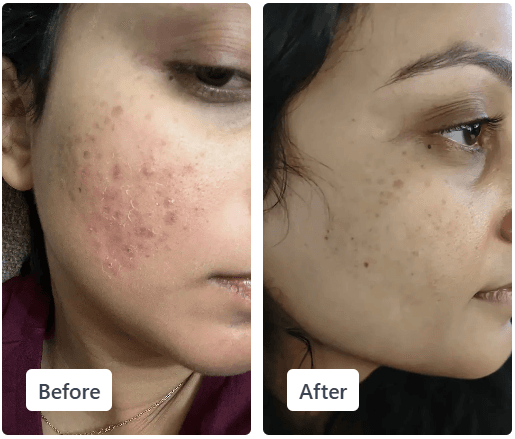
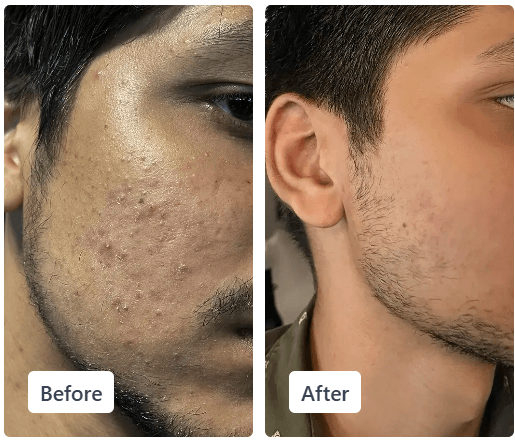
See real results, then start your own
Take the free Clear Ritual Skin Test and get a personalized routine built for your skin's unique patterns.
How to Identify Fungal Acne
Visual Characteristics
Fungal acne presents as clusters of small papules and pustules that look remarkably similar to each other. The bumps typically measure one to two millimeters across and appear uniform in size and shape. This consistency differs dramatically from bacterial acne, which produces varied lesions, some small whiteheads, some large cysts, some red papules of different sizes.
The distribution pattern also provides clues. Fungal acne commonly appears on the forehead, temples, chest, shoulders, and upper back. These areas have high concentrations of sebaceous glands and tend to trap heat and moisture, especially under clothing or hair.
Physical Sensations
The itch factor distinguishes fungal acne most clearly. While bacterial acne might feel tender or painful when touched, fungal acne often produces persistent itching that worsens with sweating or after applying oils and heavy creams. This itchiness results from the inflammatory response to yeast overgrowth irritating nerve endings in the follicle.
Bacterial acne rarely itches unless secondary irritation occurs from harsh products or excessive picking. Instead, bacterial lesions typically feel sore, especially deeper cystic formations that create pressure beneath the skin surface.
Response to Treatment
Perhaps the most telling difference emerges when you try treating the breakouts. If you've been using benzoyl peroxide, salicylic acid, or other antibacterial acne treatments for weeks without improvement [or if your skin actually looks worse] you might be dealing with fungal acne.
Traditional acne products don't address yeast overgrowth. Some ingredients, particularly oils and certain moisturizers, actually feed Malassezia and accelerate the problem. This explains why heavy moisturizers or oil-based products might trigger more bumps within days of application.
Understanding Bacterial Acne Characteristics
Lesion Variety
Bacterial acne manifests in multiple forms simultaneously. You might notice small comedones (blackheads and whiteheads), inflamed red papules, pus-filled pustules, and deeper nodules or cysts all present at once. This variety reflects different stages of the acne formation process and varying depths of infection within pores.
The size inconsistency is notable, some lesions barely visible, others significantly raised and swollen. Cystic acne can create lumps you feel before you see them, forming deep under the skin where bacteria trigger substantial inflammatory responses.
Location Patterns
While bacterial acne can appear anywhere you have sebaceous glands, certain zones are more susceptible based on hormone influences and oil production. The face, particularly the T-zone (forehead, nose, chin), jawline, and cheeks commonly develop bacterial acne. Back and chest breakouts also occur, especially in people with naturally oily skin or those who experience friction from backpacks, sports equipment, or tight clothing.
Hormonal acne, a subset of bacterial acne, concentrates along the jawline and lower face. Fluctuations in androgens increase sebum production and alter the follicular environment, creating ideal conditions for bacterial proliferation.
Progression and Healing
Bacterial acne lesions follow a predictable lifecycle. A comedone forms, becomes inflamed, potentially fills with pus, then gradually resolves as the immune system clears the infection. Individual pimples typically last several days to two weeks. Without proper care, healing can leave post-inflammatory hyperpigmentation or scarring, especially if lesions are picked or squeezed.
See real results, then start your own
Take the free Clear Ritual Skin Test and get a personalized routine built for your skin's unique patterns.
What Triggers Each Condition
Fungal Acne Triggers
Understanding what promotes yeast overgrowth helps prevent recurring breakouts. Malassezia thrives when conditions shift in its favor:
Prolonged moisture exposure from sweating during workouts without showering promptly, wearing damp clothes, or living in humid climates creates the perfect breeding ground. The yeast multiplies rapidly when follicles stay moist and warm for extended periods.
Antibiotic use disrupts the skin's bacterial ecosystem. When antibiotics reduce beneficial bacteria populations, yeast faces less competition for resources and space. This imbalance allows Malassezia to dominate, particularly during or after oral antibiotic courses for other health conditions.
Heavy occlusive products trap moisture and oils against the skin. Thick creams, coconut oil, and certain sunscreens feed the yeast while preventing evaporation. The result is accelerated yeast growth within hours of application.
Compromised immune function from illness, stress, or certain medications reduces the body's ability to regulate microorganism populations on skin. When immune surveillance decreases, opportunistic yeast populations expand unchecked.
Bacterial Acne Triggers
Bacterial acne develops through a different cascade of events:
Excess sebum production, influenced by hormones, genetics, and stress, provides the oil that clogs pores and feeds bacteria. During puberty, menstruation, pregnancy, or times of elevated stress, androgen levels rise and stimulate sebaceous glands to produce more oil than skin can effectively shed.
Dead skin cell accumulation from inadequate exfoliation or rapid cell turnover mixes with sebum to form comedones. When these plugs block follicle openings, the trapped oil and cells create an anaerobic environment where C. acnes bacteria flourish.
Inflammatory diet patterns, particularly high glycemic foods and dairy products in susceptible individuals, can worsen bacterial acne by increasing insulin-like growth factor and inflammatory mediators that stimulate oil glands and promote follicular plugging.
Physical irritation from aggressive scrubbing, harsh products, or constant face touching introduces more bacteria while damaging the protective skin barrier. This combination increases vulnerability to infection and inflammation.
Sleep deprivation elevates cortisol levels, which triggers increased sebum production and impairs skin's natural repair processes. The inflammatory state from chronic stress also makes existing acne more severe and persistent.
Treatment Approaches: Why They Must Differ
| Aspect | Fungal Acne Treatment | Bacterial Acne Treatment |
|---|---|---|
| Primary goal | Reduce yeast population | Kill bacteria, unclog pores |
| Active ingredients | Antifungal agents (ketoconazole, selenium sulfide, pyrithione zinc) | Antibacterial agents (benzoyl peroxide, salicylic acid, retinoids) |
| Products to avoid | Oils, esters, fatty acids that feed yeast | Overly harsh products that damage barrier |
| Moisturizer type | Lightweight, oil-free, fungal-safe ingredients | Non-comedogenic, suited to skin type |
| Treatment duration | 2 to 4 weeks minimum for improvement | 6 to 12 weeks for significant clearing |
Addressing Fungal Acne
Antifungal ingredients form the foundation of effective treatment. Ketoconazole, found in some dandruff shampoos, directly inhibits yeast growth. Using these products as short-contact treatments on affected areas, applying for several minutes before rinsing, allows the active ingredients to penetrate follicles without excessive skin drying.
Pyrithione zinc and selenium sulfide offer similar antifungal properties. Many people find success using dandruff shampoo containing these ingredients on their chest, back, or face a few times weekly until bumps resolve.
Product reformulation becomes essential. Scrutinize ingredient lists and eliminate anything that feeds Malassezia, this includes many oils (except mineral oil and squalane), fatty acids, esters, and polysorbates. Switching to fungal-safe products often produces improvement within two weeks as you stop feeding the yeast while simultaneously treating it.
Environmental modifications support treatment. Showering immediately after sweating, wearing breathable fabrics, changing pillowcases frequently, and keeping hair products off your face all reduce conditions that promote yeast proliferation.
Addressing Bacterial Acne
Benzoyl peroxide remains one of the most effective over-the-counter antibacterial treatments. It penetrates pores to kill C. acnes bacteria while helping unclog follicles. Starting with lower concentrations (2.5 percent) minimizes irritation while providing effective antibacterial action.
Salicylic acid, a beta hydroxy acid, exfoliates inside pores to prevent comedone formation while reducing inflammation. Its oil-soluble nature allows it to penetrate sebum-filled follicles effectively. Regular use prevents new lesions from forming.
Retinoids accelerate cell turnover to prevent dead cells from accumulating and clogging pores. They also reduce inflammation and help fade post-acne marks. These vitamin A derivatives require consistent use for months before full benefits emerge, but they address multiple acne-causing factors simultaneously.
Gentle cleansing removes excess oil and surface bacteria without stripping the protective barrier. Over-washing triggers rebound oil production, creating a cycle that worsens acne. Cleansing twice daily with a mild, pH-balanced cleanser maintains skin health while managing oil levels.
When Professional Help Becomes Necessary
Signs You Need a Dermatologist
Persistent breakouts that don't respond to over-the-counter treatments after eight weeks warrant professional evaluation. A dermatologist can distinguish between fungal and bacterial acne definitively through examination and, if needed, fungal culture or microscopic evaluation of skin scrapings.
Severe inflammation, painful cysts, or rapidly spreading lesions require prescription interventions. Oral antifungals may be necessary for extensive fungal acne, while oral antibiotics or isotretinoin might be indicated for severe bacterial acne. These medications carry potential side effects and require medical supervision.
Scarring development signals the need for earlier intervention. Both types of acne can cause permanent textural changes if inflammation damages the dermis. Professional treatments including chemical peels, microneedling, or laser therapy can address scarring, but preventing it through proper treatment from the start is ideal.
Psychological impact matters too. If breakouts significantly affect your confidence, mental health, or quality of life, seeking professional help is valid and important. Skin conditions affect emotional wellbeing, and dermatologists understand this connection.
Lifestyle Modifications That Support Clear Skin
Hygiene Practices
Establishing consistent but gentle hygiene habits supports skin health regardless of acne type. Showering promptly after exercise prevents both bacterial proliferation and yeast overgrowth. Changing out of sweaty clothes quickly and washing workout gear after each use removes bacteria and yeast before they transfer back to skin.
Cleaning phones, changing pillowcases weekly, and avoiding face touching reduce bacterial exposure. These simple habits decrease the infectious load your skin encounters daily.
Stress Management
Chronic stress elevates cortisol, which increases oil production and suppresses immune function. Both effects worsen acne. Incorporating stress-reduction practices, whether meditation, exercise, adequate sleep, or therapy, helps stabilize hormones and supports immune regulation.
Sleep specifically affects skin regeneration and immune function. Aim for seven to nine hours nightly to allow optimal repair processes and maintain balanced microbiome populations.
Dietary Considerations
While diet alone rarely causes acne, certain patterns influence severity in susceptible individuals. High glycemic foods spike insulin, which stimulates oil production and inflammation. Reducing refined carbohydrates and sugar helps some people achieve clearer skin.
Dairy products, particularly skim milk, contain hormones and bioactive molecules that may trigger acne in certain individuals. If you suspect dietary connections, eliminating potential triggers for four to six weeks can reveal whether food plays a role in your specific case.
Adequate hydration supports skin barrier function and helps maintain proper cell turnover. While water won't cure acne, chronic dehydration impairs skin's protective and repair mechanisms.
How Clear Ritual Supports Personalized Skincare Decisions
Clear Ritual understands that telling fungal acne apart from bacterial acne is more than a surface issue. It is shaped by genetics, skin renewal cycles, environmental factors, and the products you use.
Because breakouts form when hormonal fluctuations, sebum production patterns, immune responses, barrier integrity, stress levels, sleep quality, nutritional status, and microbiome balance interact in complex ways, generic solutions rarely bring lasting improvement. Clear Ritual combines traditional wisdom from Ayurveda with modern dermatology and advanced skin science to address the underlying causes driving your specific pattern of fungal or bacterial breakouts.
The Clear Ritual Skin Test analyses your skin's unique patterns and daily influences to help identify the best routine for supporting healthy skin and reducing fungal or bacterial acne recurrence.
See real results, then start your own
Take the free Clear Ritual Skin Test and get a personalized routine built for your skin's unique patterns.
Conclusion
Fungal acne and bacterial acne may look similar at first glance, but they stem from entirely different causes, yeast overgrowth versus bacterial infection, and require
Editorial Standards
Clear Ritual has Strict sourcing guidelines to ensure our content is accurate and current. We rely on peer-reviewed studies, academic research institutions, and medical associations. We strive to use primary sources and refrain from using tertiary references. See a mistake? Learn More about our Editorial Standards.
Related Articles
Acne Mechanica: How Friction from Helmets, Masks & Tight Clothing Causes Breakouts
Published 17 July 2026
Acne Conglobata: Symptoms, Causes, Triggers and Advanced Treatment Approaches
Published 17 July 2026
Hormonal Acne vs Regular Acne: Differences in Causes and Pattern
Published 17 July 2026
Acne Scars vs Post-Inflammatory Hyperpigmentation: Explained
Published 17 July 2026