Why Do You Get Keratosis Pilaris? Causes and Triggers
Quick Answer:
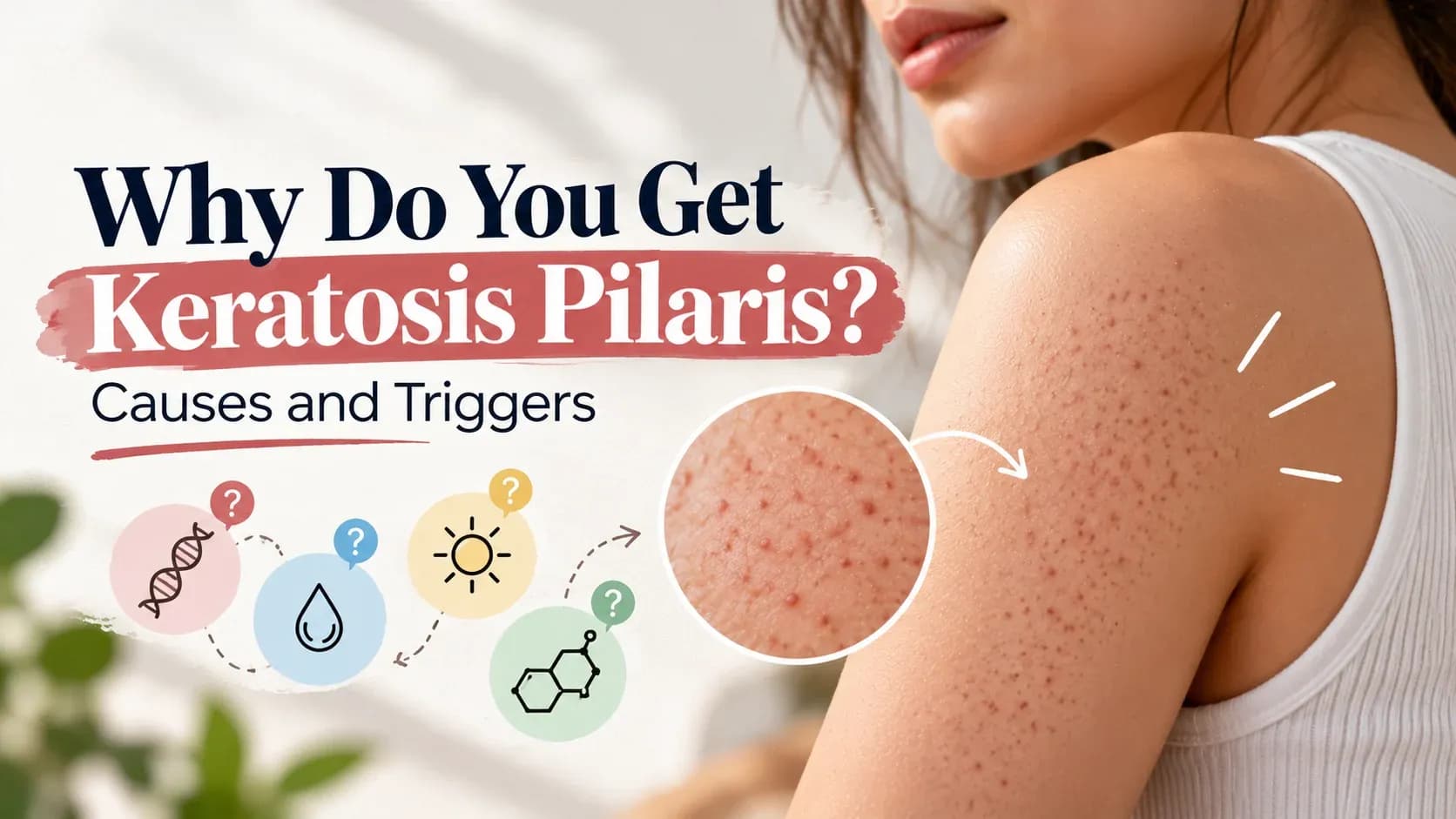
Keratosis pilaris (often called "chicken skin" or "strawberry skin") happens when keratin, a protein that protects your skin, builds up around hair follicles instead of shedding normally.
Genetics, dry skin, and conditions like eczema, asthma, and allergies can play a role, but the exact cause varies. The condition is usually harmless, non-contagious and often becomes less noticeable with age.
What Causes Keratosis Pilaris?
The main mechanism behind keratosis pilaris is the buildup of keratin around hair follicles. Instead of shedding normally, excess keratin forms small plugs that create the characteristic rough bumps. However, researchers still don't fully understand why this happens in some people.
Several factors that may be associated with keratosis pilaris are:
- Genetics: You may be more likely to develop keratosis pilaris if your parents or other close relatives have it. The condition often runs in families.
- Dry skin: When your skin lacks moisture, existing bumps can become rougher, making it more noticeable.
- Associated skin conditions: Keratosis pilaris is more common in people with certain conditions, including ichthyosis vulgaris, a disorder which causes very dry, thick, and scaly skin.
- Age: Keratosis pilaris frequently begins during childhood or adolescence. It may become more noticeable around puberty and gradually improve with age.
Cold weather and low humidity can also worsen dryness, making existing bumps more prominent during winter. However, these conditions are better understood as factors that can aggravate keratosis pilaris rather than proven causes of the underlying keratin buildup.
What Causes Keratosis Pilaris on the Face?
Keratosis pilaris can appear on your cheeks, particularly during childhood. You may notice tiny, skin-coloured, reddish or brownish bumps that leave your skin feeling rough. These develop through the same process of keratin buildup around hair follicles as keratosis pilaris elsewhere on your body.
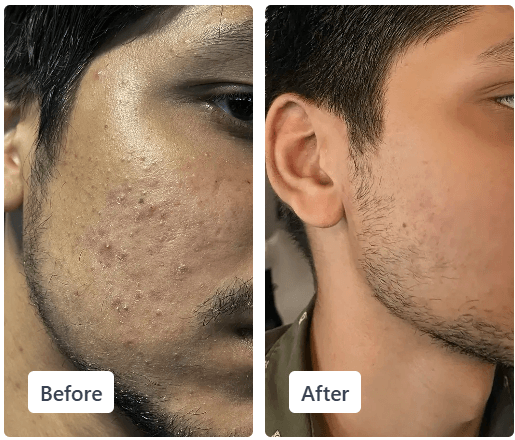
Facial keratosis pilaris can sometimes resemble acne, but the two conditions have very different underlying mechanisms. Acne may involve clogged pores, excess sebum and inflammation, while keratosis pilaris is characterised by keratin plugs in hair follicles.
If your facial bumps are painful, contain pus, or leave persistent marks, see a dermatologist to confirm the cause before starting acne treatment.
What Causes Keratosis Pilaris on the Back?
Keratosis pilaris most commonly affects the upper arms and thighs, but it can also appear on your back, chest, and buttocks. Just like on the face, these bumps form on your body, creating patches of rough skin.
There is no proven cure or prevention for the condition; keeping your body moisturised may help manage and reduce the rough, bumpy appearance of keratosis pilaris, especially in colder months.
Not every cluster of bumps on your back is keratosis pilaris. Acne and folliculitis, which involves inflammation of one or more hair follicles, can look similar. If you're unsure, a dermatologist can help you distinguish between these conditions.
Can Your Diet Cause Keratosis Pilaris?
There is currently no established evidence that specific foods directly cause keratosis pilaris. You don't need to eliminate dairy, gluten, sugar, or other food groups solely because you have keratosis pilaris.
A balanced diet supports your overall health, including normal skin function, but changing what you eat is not an established treatment for keratosis pilaris.
Some nutritional deficiencies can cause skin changes that resemble keratosis pilaris. If you have a vitamin A deficiency, it can be associated with a condition called phrynoderma, which may cause rough, follicular bumps. This does not mean that ordinary keratosis pilaris is caused by a vitamin deficiency or that you need supplements.
If your symptoms are unusual or you suspect a deficiency, speak to a healthcare professional before taking supplements.
What Are the Symptoms of Keratosis Pilaris?
Keratosis pilaris symptoms can vary depending on your skin tone and the affected area. You may notice:
- Small, rough bumps that feel like sandpaper.
- Skin-coloured, white, red, pink, or brownish-black bumps.
- Dry or uneven skin texture around hair follicles.
- Mild itching or redness in some cases.
- Clusters of bumps on your upper arms, thighs, cheeks, buttocks, or back.
Keratosis pilaris is generally painless and harmless. However, if your bumps suddenly change, become painful or develop significant inflammation, seek prompt medical advice rather than assuming they are keratosis pilaris.
How to Identify Keratosis Pilaris or Folliculitis?
Keratosis pilaris and folliculitis can look similar, but they have different causes. This table helps you tell them apart.
| Keratosis Pilaris | Folliculitis |
|---|---|
| Tiny, rough bumps | Inflamed, pimple-like bumps |
| Usually skin-coloured or discoloured | Often red; may contain pus |
| Usually painless | May itch, feel tender or hurt |
| Caused by keratin buildup | Caused by inflammation of hair follicles, or due to infection |
What Treatment Can Help with Keratosis Pilaris
You don't necessarily need to treat keratosis pilaris unless the bumps, dryness, or itching bother you. If you want to improve your skin's texture, a consistent, gentle routine may help.
- Moisturise regularly: Apply a suitable moisturiser or body lotion after bathing while your skin is still slightly damp. Ingredients such as urea and lactic acid can help soften rough skin.
- Try gentle exfoliating ingredients: Salicylic acid and other keratolytic ingredients help loosen the buildup of dead skin cells around follicles. Start with mild percentages in your body wash or peels to avoid irritation.
- Avoid harsh scrubbing: Aggressive scrubbing can increase irritation and make the bumps more noticeable.
- Use lukewarm water: Long, hot showers can dry your skin. Keep showers comfortable and use a gentle cleanser.
- Consult a dermatologist: If home care doesn't help, a dermatologist may recommend prescription treatments or, in select cases, procedures.
Results take time to show, and you may need ongoing care to maintain improvements even if you are undergoing any treatment.
Note: Treatment can help manage keratosis pilaris, but it does not guarantee permanent removal.
Clear Ritual's Perspective on Keratosis Pilaris
Keratosis pilaris commonly affects the body, so persistent bumps on your arms, thighs or back may need a separate approach. If you are unsure whether your bumps are keratosis pilaris, seek a dermatologist's advice before trying targeted treatments.
Understanding your skin is the first step towards choosing a routine that suits its needs. If you are dealing with roughness or bumps, focus on gentle cleansing and consistent moisturising, and avoid layering too many products that irritate your skin. The Clear Ritual Skin Test can help you understand your skin concerns and needs and build a skin kit personalised for your routine.
Understand What Your Skin Needs
Take the Clear Ritual Skin Test to identify your skin concerns and explore a plan for your routine.
Take the Free Skin Test
Frequently Asked Questions
Q. What is the main cause of keratosis pilaris?
A. Keratosis pilaris develops when keratin builds up and plugs hair follicles. Genetics can increase your likelihood of developing it, although the exact cause of the buildup is not fully understood.
Q. Can a vitamin deficiency cause keratosis pilaris?
A. Typical keratosis pilaris is not established as a vitamin-deficiency condition. Some deficiencies can cause similar-looking bumps, so a dermatologist can assess your symptoms if they suspect a deficiency.
Q. Does keratosis pilaris go away with age?
A. It often becomes less noticeable as you get older, particularly after adolescence. However, it can persist into adulthood, and the timing varies from person to person.
Q. Does poor hygiene cause keratosis pilaris?
A. No. Keratosis pilaris results from keratin buildup around hair follicles, not poor hygiene. Scrubbing harder will not remove the underlying cause and may irritate your skin.
Q. Can keratosis pilaris be cured permanently?
A. Moisturisers and exfoliating treatments can improve roughness and the appearance of bumps. However, there is no guaranteed permanent cure, and symptoms may return when you stop treatment.
References
- Kaur K, Kaur A, Kalsi V, Kasav S. Keratosis Pilaris Unveiled: Insights into its Origin, Management Strategies and Research Frontiers. Indian J Dermatol. 2025;70(5):267-274. doi:10.4103/ijd.ijd_51_25
- American Academy of Dermatology. Keratosis pilaris: Who gets and causes
- DermNet. Keratosis Pilaris. Last Updated: March 2022
- British Association of Dermatologists. Keratosis Pilaris. Last Updated: Nov 2021
- American Academy of Dermatology. Keratosis Pilaris: Signs and Symptoms.
- healthdirect Australia. Keratosis Pilaris: Treatment, Causes and Symptoms. Last Updated: Sept 2025
- American Academy of Dermatology. Keratosis Pilaris: Diagnosis and Treatment.
Disclaimer: This article is for general information only and is not a substitute for diagnosis or treatment from a qualified dermatologist. Follow your product label and your clinician’s advice, especially during pregnancy, breastfeeding, or when treating a diagnosed skin condition.
Editorial Standards
Clear Ritual has Strict sourcing guidelines to ensure our content is accurate and current. We rely on peer-reviewed studies, academic research institutions, and medical associations. We strive to use primary sources and refrain from using tertiary references. See a mistake? Learn More about our Editorial Standards.
Related Articles
Are Your Skincare Products Making Acne Worse?
Published 16 July 2026
Best Skincare Routine for Whitehead-Prone Skin
Published 17 July 2026

Post-Workout Skincare: How to Prevent Blackheads After Exercise
Published 22 July 2026
Blackheads on Different Skin Types: Custom Skincare Routines
Published 20 July 2026