How To Brighten Dull Skin: Easy Tips To Get Brighter-Looking Skin
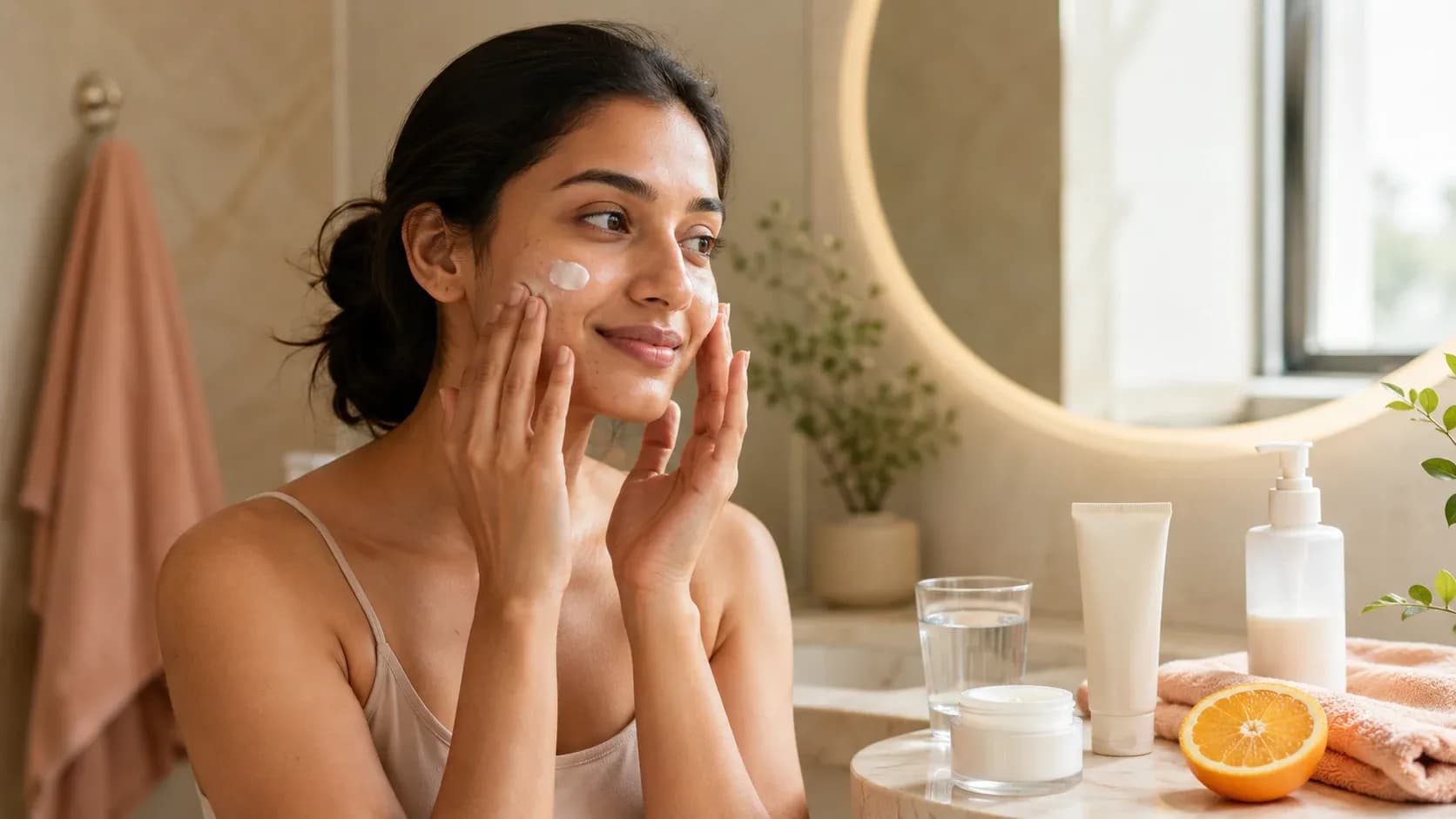
To brighten dull skin, focus on gently removing built-up dead skin cells, replenishing moisture, and protecting your skin from UV damage.
According to current guidance from the American Academy of Dermatology (AAD), a simple routine with a gentle cleanser, moisturiser, appropriate exfoliation, a brightening ingredient such as vitamin C, and daily sunscreen can help your skin look smoother, fresher, and more radiant.
Which Steps Help Brighten Dull Skin Every Day?
A consistent skincare routine, good hydration, adequate sleep, sun protection, and a nutrient-rich diet can help improve the appearance of dull skin.
The following ways to brighten dull skin focus on supporting your skin barrier, removing excess dead skin cells, protecting against UV damage, and maintaining healthy-looking skin:
1. Start With A Gentle Cleanser
A gentle cleanser removes sweat, excess oil, dirt, and product residue without stripping your skin barrier.
Choose a fragrance-free, non-abrasive cleanser and wash with lukewarm water; harsh scrubbing can irritate the skin and make it look drier and rougher.
2. Follow With A Moisturiser For Hydration
A moisturiser helps reduce water loss and keeps the skin surface softer and smoother, which can make dull, dry skin look fresher.
Look for glycerin, hyaluronic acid or ceramides, and apply your moisturiser while your skin is slightly damp to help retain hydration.
3. Exfoliate Regularly To Remove Dead Skin Cells
Exfoliation can help remove excess dead skin cells and improve the appearance of rough, uneven-looking skin.
For a gentler option, look for AHAs such as lactic acid or glycolic acid; if you have oily or acne-prone skin, salicylic acid (BHA) may be a better fit. Avoid exfoliating daily to reduce the risk of irritation and worsening pigmentation.
4. Boost Your Glow With Vitamin C
Vitamin C can help improve uneven pigmentation because it acts as an antioxidant and can interfere with melanin formation.
If you are new to vitamin C, a 10% L-ascorbic acid formula is a reasonable, evidence-backed starting point; clinical research has found antipigmenting effects at this concentration, although the ideal concentration can vary by formulation.
5. Protect Your Skin From UV Damage
Daily sunscreen is one of the most important steps because UV exposure contributes to pigmentation, premature skin ageing and a dull, uneven complexion.
Choose a broad-spectrum, water-resistant sunscreen with SPF 30 or higher, and reapply as directed when you are outdoors.
6. Stay Hydrated Throughout The Day
Adequate hydration supports your body’s normal functions, but drinking extra water is not a proven skin-brightening treatment on its own.
As a general guide, healthy adults may need around 2.7 to 3.7 litres of total water per day, including water from food and other beverages; your needs can be higher in hot weather or with increased physical activity. Stay regularly hydrated and pair this habit with moisturising, sun protection and a balanced diet for better overall skin health.
7. Prioritise Quality Sleep
Good sleep supports your body's normal repair and maintenance processes, while sleep deprivation can show up as a tired-looking complexion and dark circles.
Rather than promising that sleep will “brighten” your skin, aim for around 7 to 9 hours of quality sleep for most adults as part of a healthy routine.
8. Eat Antioxidant-Rich Foods
A varied diet rich in fruits and vegetables supplies nutrients such as vitamin C, vitamin E and carotenoids that support normal skin health and help the body manage oxidative stress.
Choose colourful foods such as citrus fruits, berries, peppers, leafy greens and carrots rather than relying on one “skin-brightening” food or supplement.
For most healthy people, a balanced, varied diet is the best way to meet your daily nutrient needs, according to the AAD.
Which Ingredients Help Brighten Dull Skin?
Several skincare ingredients can help improve the appearance of dull or uneven-looking skin by supporting cell turnover, reducing excess pigmentation, or improving skin texture.
Vitamin C, AHAs, retinoids, niacinamide, and azelaic acid are useful options, but they work differently, so choosing one that suits your skin and introducing it gradually matters more than using several at once.
AAD lists vitamin C, glycolic acid, retinoids, and azelaic acid among ingredients that can help fade dark spots and even skin tone.
Vitamin C
Vitamin C is an antioxidant that can help brighten an uneven-looking complexion and reduce the appearance of dark spots by interfering with melanin production.
You can look for a well-formulated vitamin C serum or cream and apply it in the morning before sunscreen. If you have sensitive skin, starting with a lower-strength formula can help your skin adjust.
AAD specifically recognises vitamin C as a science-backed ingredient for dark spots and recommends applying it before sunscreen.
Alpha Hydroxy Acids (AHAs)
AHAs such as glycolic acid and lactic acid loosen the bonds between dead skin cells at the surface, helping reveal smoother, fresher-looking skin.
If dullness is mainly linked to rough or flaky skin, an AHA can be useful, but start slowly and avoid combining multiple exfoliating products at once.
Over-exfoliation can irritate the skin and, particularly in darker skin tones, may trigger post-inflammatory hyperpigmentation (PIH), or dark marks left behind after skin irritation or inflammation heals.
Note: AHAs increase sun sensitivity. Always pair AHA use with a broad-spectrum SPF 30+ daily.
Retinoids
Retinoids are vitamin A derivatives that increase skin-cell turnover and can improve skin texture, uneven pigmentation, and signs of ageing over time.
If you are new to retinoids, start with a gentle retinol product and use it every other night, then gradually increase frequency as your skin tolerates it.
Important: Do not use retinoids if you are pregnant, planning to become pregnant, or breastfeeding.
Niacinamide
Niacinamide, a form of vitamin B3, can help support the skin barrier and improve the appearance of uneven skin tone and pigmentation.
It is generally well tolerated, making it a good option if your skin does not handle stronger exfoliating acids or retinoids well.
Look for a straightforward niacinamide formula and introduce it gradually, rather than layering several brightening actives.
Azelaic Acid
Azelaic acid can help brighten uneven-looking skin by reducing excess pigmentation while also calming inflammation.
It can be particularly useful when dullness is accompanied by acne or post-inflammatory dark marks, and dermatologists use it for conditions such as acne and melasma.
Common topical strengths include 10% (over-the-counter) and 15% to 20% (prescription strength). But the right formulation depends on your skin concern and the products available in your region.
Important Tip: You do not need to use all five ingredients to brighten dull skin. Using too many active ingredients at once can irritate your skin, and irritation may worsen dark spots. Choose one or two ingredients suited to your skin concerns, introduce them gradually, and support your routine with regular moisturising and daily sunscreen.
How Can You Brighten Dull Skin Naturally?
Natural approaches can support healthier-looking skin, especially when dullness is linked to dryness or lifestyle factors. They work best alongside proven basics such as moisturising and daily sun protection, as outlined below:
| Natural Approach | What Helps? |
|---|---|
| Eat Vitamin C-Rich Fruits | Include oranges, guava, kiwi, strawberries, and amla in your diet. |
| Eat A Variety Of Colourful Fruits And Vegetables | Add berries, tomatoes, carrots, spinach, and other colourful produce to your meals. |
| Stay Hydrated | Staying hydrated can help prevent your skin from looking dry, but it is not a standalone treatment for dull skin. |
| Prioritise Quality Sleep | Consistent, quality sleep supports your body's normal repair processes and overall skin health. |
| Use Aloe Vera To Soothe Dry Skin | Aloe vera can provide a cooling, soothing effect and help moisturise dry-feeling skin. |
Keep in mind: Natural does not automatically mean irritation-free. Avoid applying lemon juice, baking soda or undiluted essential oils directly to your face, as they can irritate the skin and potentially worsen pigmentation.
Clear Ritual’s Perspective On How To Brighten Dull Skin
Dullness can have several contributors, so instead of adding more products, focus on what your skin actually needs, whether that means better hydration, gentle exfoliation, barrier support, or consistent sun protection.
At Clear Ritual, we believe that understanding what contributes to dull-looking skin is the first step towards choosing the right skincare approach.
The Clear Ritual Skin Test can help you identify your skin type and concerns, making it easier to build a routine suited to your skin’s needs.
Clear Ritual Skin Test
Build a Routine for Brighter-Looking Skin
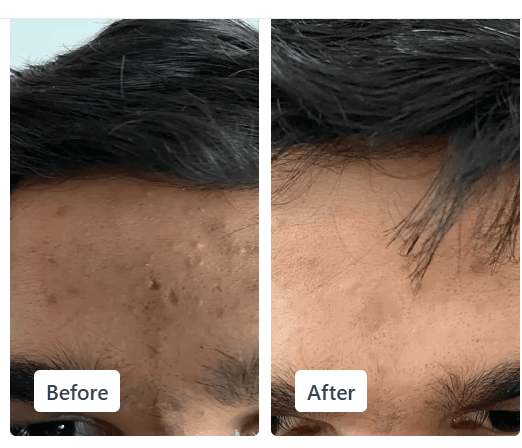
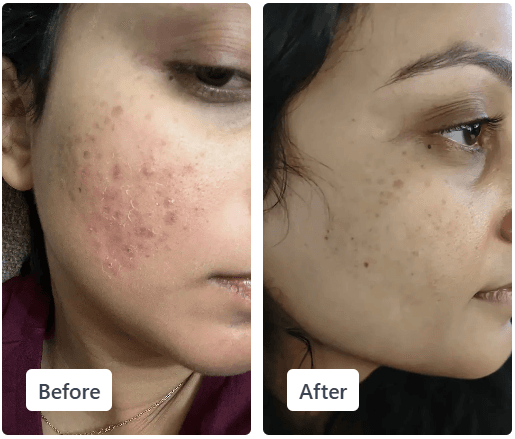
Take the free skin test to assess hydration, texture, pigmentation, barrier health, and other concerns, then get a routine suited to your skin.
Take the Free Skin Test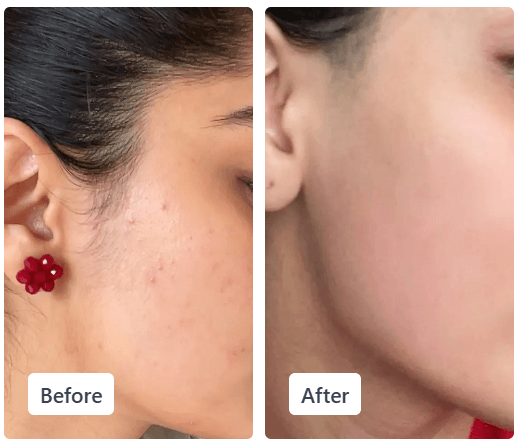
Frequently Asked Questions
1. How can you brighten dull skin quickly?
You can improve the appearance of dull skin with gentle cleansing, moisturising, appropriate exfoliation, vitamin C, and daily sunscreen. However, lasting improvement usually takes consistent care rather than an overnight fix.
2. How can I brighten dull skin naturally?
Focus on a balanced diet, adequate hydration, quality sleep, and gentle skincare. Natural approaches can support healthy-looking skin, but avoid irritants such as lemon juice or baking soda on your face.
3. How often should you exfoliate dull skin?
Start with once or twice a week, depending on your skin type and the exfoliant you use. Reduce frequency if you notice dryness, burning, redness or irritation.
4. Does drinking more water brighten dull skin?
Staying hydrated supports healthy skin, but drinking extra water alone is not proven to brighten dull skin.
5. Can vitamin C brighten dull skin?
Yes. Vitamin C can help improve the appearance of uneven pigmentation and brighten the complexion through its antioxidant and pigment-regulating effects. Use a well-formulated product consistently and introduce it gradually if your skin is sensitive.
References
American Academy of Dermatology (AAD); How to Fade Dark Spots in Darker Skin Tones.
American Academy of Dermatology (AAD); How To Safely Exfoliate At Home
American Academy of Dermatology (AAD); How To Apply Sunscreen
American Academy of Dermatology (AAD); Should I Take Vitamins Or Supplements For My Skin?
American Academy of Dermatology (AAD); How Do I Know If I’m Using The Right Sunscreen?
Editorial Standards
Clear Ritual has Strict sourcing guidelines to ensure our content is accurate and current. We rely on peer-reviewed studies, academic research institutions, and medical associations. We strive to use primary sources and refrain from using tertiary references. See a mistake? Learn More about our Editorial Standards.