What Are Dark Spots on Skin? Causes, Types, Symptoms and Treatment
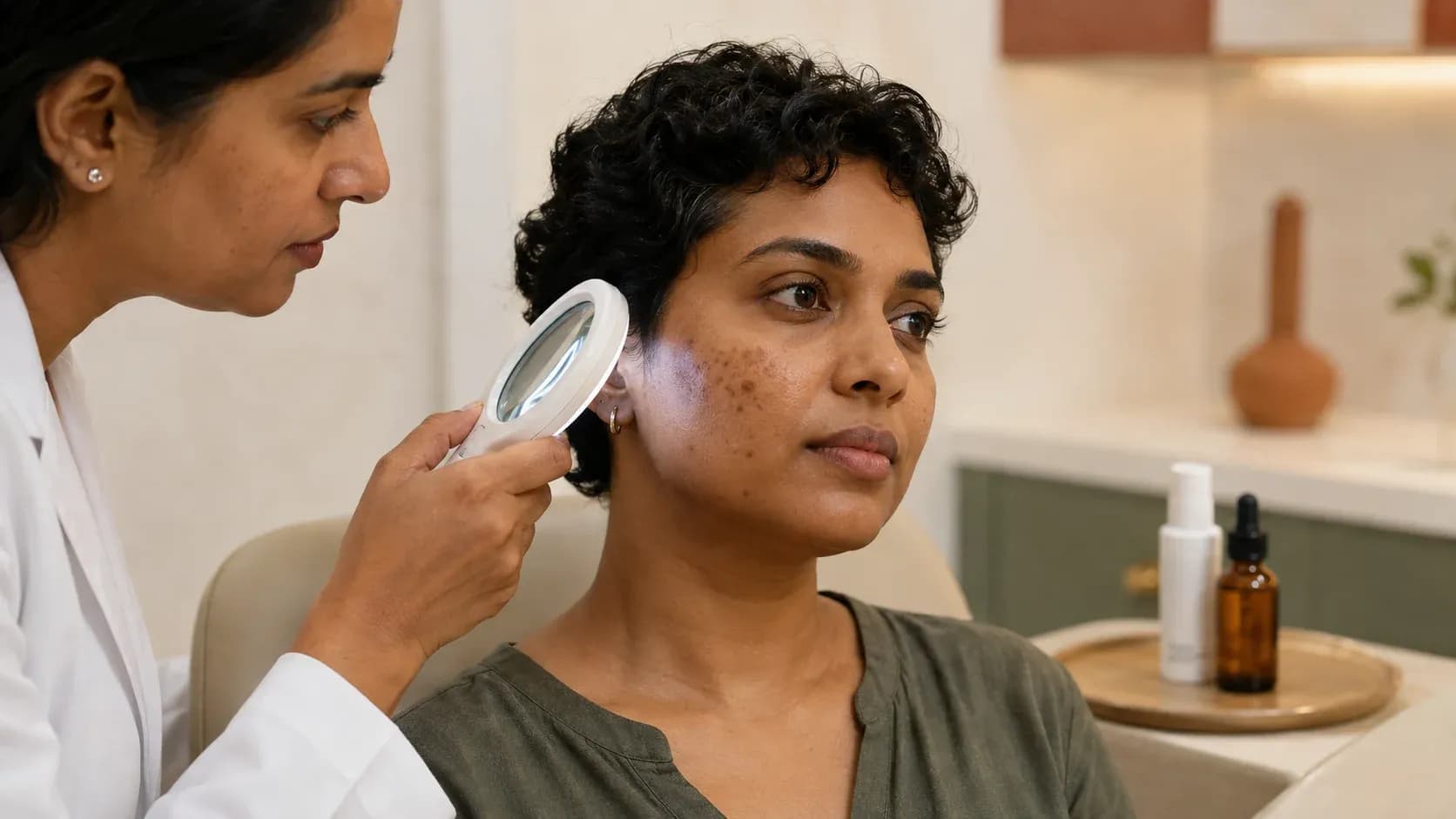
Dark spots on your skin are flat areas of darker pigmentation caused by excess melanin. They can vary in size and shape and commonly appear on the face, hands, and other sun-exposed areas.
Medically, this darkening is often called hyperpigmentation, but dark spots can have different causes. Identifying the type and cause helps you choose the right treatment.
That matters because some spots that look harmless may need medical assessment rather than self-treatment. This guide will help you understand the causes, types, symptoms, and treatment options for dark spots on your skin.
What Are Dark Spots on Skin?
Dark spots on your skin are areas of increased pigmentation that develop when your skin produces or accumulates excess melanin.
They usually appear as flat brown, black, or grey patches and can result from sun exposure, acne, hormonal changes, ageing, or skin inflammation.
What Do Dark Spots on Skin Look Like?
Dark spots on your skin usually appear as flat areas of brown, black, or grey pigmentation that are darker than the surrounding skin.
Their size, shape, and colour can vary depending on the type and cause. You may notice dark spots:
● As flat patches: They usually do not feel raised or swollen compared with the surrounding skin.
● In different shades: They can range from light brown to dark brown, black, or grey, depending on your natural skin tone and the underlying cause.
● In different sizes and shapes: Some spots may be tiny and scattered, while others can form larger patches.
● In different areas: They commonly appear on sun-exposed areas such as your face, hands, neck, and arms.
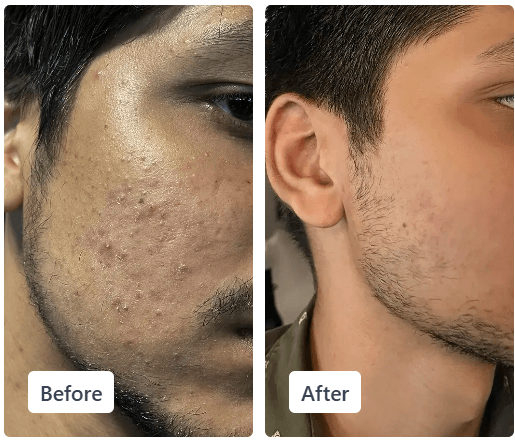
● After skin inflammation: Dark marks can develop where acne, a rash, injury, or other inflammation has healed.
The appearance alone cannot always tell you which type of dark spot you have, so the cause and any changes over time also matter.
What Are the Different Types of Dark Spots on Skin?
Dark spots can develop for different reasons, so they do not all look or behave the same way. Understanding the type can help you recognise what may be causing the change in your skin and what treatment may be appropriate.
Post-Inflammatory Hyperpigmentation
Post-inflammatory hyperpigmentation (PIH) appears as a dark mark after your skin heals from inflammation or injury, such as acne, eczema, or a cut. It is usually flat and can range from brown to black or grey, depending on your skin tone.
Sunspots and Solar Lentigines
Sunspots, also called solar lentigines, are flat, well-defined brown patches that develop after repeated exposure to UV radiation. You commonly find them on areas such as your face, hands, shoulders, and arms.
Melasma
Melasma causes larger, irregular patches of brown or grey pigmentation, usually on the face. Hormonal changes and sun exposure can contribute to it, which is why it is more common during pregnancy and with certain hormonal changes.
Freckles
Freckles are small, flat brown spots influenced by genetics that become more noticeable with sun exposure. They often appear on sun-exposed areas and may become lighter when UV exposure decreases.
Seborrhoeic Keratoses
Seborrhoeic keratoses are common, usually harmless skin growths that can appear brown, black, or tan. Unlike most forms of hyperpigmentation, they are often slightly raised and may have a waxy or stuck-on appearance.
Why Do Dark Spots Appear on Skin?
Dark spots can develop when your skin produces more melanin in response to factors such as UV exposure, inflammation, or hormonal changes. The cause matters because it can affect how the spot looks and which treatment is most suitable.
Sun Exposure
UV exposure can stimulate melanin production, leading to darker patches and contributing to sunspots over time. Regular sun exposure can also make existing dark spots more noticeable.
Acne, Injuries and Skin Inflammation
When your skin becomes inflamed or injured, it can produce excess melanin as it heals. This can leave behind post-inflammatory hyperpigmentation after acne, cuts, burns, rashes, or other skin conditions.
Hormonal Changes
Hormonal changes can stimulate increased melanin production and contribute to conditions such as melasma. Pregnancy and some hormonal medications can make this pigmentation more noticeable, particularly with sun exposure.
Ageing
Years of cumulative sun exposure can lead to more visible areas of pigmentation as you age. These are commonly called sunspots or solar lentigines and tend to appear on areas that receive frequent UV exposure.
Medications and Medical Conditions
Some medicines and medical conditions can cause changes in skin pigmentation. Because the underlying causes vary, new, widespread, or unusual darkening is worth discussing with a healthcare professional rather than treating it based only on appearance.
What Are the Symptoms of Dark Spots on the Skin?
Dark spots are usually flat areas of skin that look darker than the surrounding skin and do not cause other symptoms. You may notice:
● Darker patches: Brown, black, grey or tan areas of pigmentation.
● Different sizes: Spots can range from tiny marks to larger patches.
● Different shapes: They may be round, irregular, or unevenly bordered.
● Multiple areas: You may have spots on the face, hands, neck, arms, or other parts of the body.
● No discomfort: Most dark spots are not painful, itchy or tender.
How Are Dark Spots on Skin Diagnosed?
A dermatologist can diagnose a dark spot by examining its colour, shape, size, and location, and by asking when it appeared and what changes you have noticed.
Depending on how the spot looks, they may use a dermatoscope for a closer view or recommend a skin biopsy if further testing is needed.
Which Ingredients Can Help Remove Dark Spots on Skin?
You can fade dark spots by treating their underlying cause, protecting your skin from UV exposure,e and using evidence-based ingredients that gradually reduce excess pigmentation.
Your dermatologist may recommend different options depending on the type and depth of the dark spot.
Vitamin C
Vitamin C is an antioxidant that can help reduce the appearance of dark spots by interfering with melanin production. You can use it in the morning before sunscreen.
Retinoids
Retinoids increase skin-cell turnover and can gradually improve uneven pigmentation. They may also help with acne, which can reduce the formation of new post-inflammatory dark marks.
Alpha Hydroxy Acids
Alpha hydroxy acids (AHAs), such as glycolic and lactic acid, loosen dead skin cells at the surface. This can improve uneven pigmentation and reveal smoother-looking skin over time.
Azelaic Acid
Azelaic acid can help reduce excess pigmentation while also calming inflammation. This makes it particularly useful when dark spots develop after acne or other inflammatory skin conditions.
Other Prescription Treatments
For persistent or more pronounced pigmentation, a dermatologist may recommend prescription treatments such as hydroquinone, tretinoin, or combination therapies.
These treatments require appropriate medical guidance, as the choice depends on the cause and your skin type.
What Is the Best Treatment for Dark Spots on Skin?
There is no single best treatment for every dark spot, as the right approach depends on why the pigmentation developed and the type of spot you have.
In general, treatment focuses on preventing further darkening, addressing the underlying cause, and gradually fading existing pigmentation.
The table below outlines key approaches to help you manage and gradually fade dark spots, depending on their cause and your skin’s needs.
| Steps | How It Helps |
|---|---|
| Protect your skin | Use sunscreen daily to limit UV exposure and prevent pigmentation from darkening. |
| Address the cause | Treat acne, inflammation, or hormonal triggers that may be contributing to new dark spots. |
| Choose targeted skincare | Use ingredients suited to your pigmentation type rather than layering several strong actives. |
| Consider professional treatment | A dermatologist can recommend prescription medicines or procedures when pigmentation is persistent or difficult to treat. |
| Give treatment time | Dark spots usually fade gradually, so consistent treatment is more important than using stronger products more often. |
Which Home Remedies for Dark Spots Are Safe?
A home treatment for dark spots on the skin should focus on gentle, non-irritating options that support your routine rather than replace proven treatments. Avoid remedies that can damage your skin and make pigmentation more noticeable.
● Aloe vera: Soothe your skin with plain aloe vera gel if it does not cause irritation.
● Green tea: Apply cooled, brewed green tea as a gentle soothing option, although evidence for fading dark spots is limited.
● Honey: Use plain honey as a moisturising treatment, but do not rely on it to remove pigmentation.
● Gentle skincare: Avoid lemon juice, baking soda and harsh scrubs, which can irritate your skin and potentially worsen dark marks.
How Can You Naturally Fade Dark Spots on Your Skin?
You can support more even-looking skin naturally by reducing triggers that increase pigmentation and giving your skin time to recover. These habits are most useful alongside evidence-based treatment rather than as replacements for it.
There are several ways to manage dark spots, and the best option depends on their cause and how persistent they are. The table below summarises the key treatment approaches and how they can help.
| Approach | How It Helps |
|---|---|
| Protect against UV exposure | Seek shade, wear protective clothing, and use sunscreen consistently to limit further darkening. |
| Avoid skin irritation | Skip harsh scrubs, picking, and untested DIY remedies that can cause inflammation and leave darker marks. |
| Support your skin barrier | Use a gentle cleanser and regular moisturiser to keep your skin comfortable and reduce dryness. |
| Maintain a balanced diet | Eat a varied diet that provides the nutrients your skin needs to function normally, rather than relying on supplements or specific foods to fade spots. |
| Stay consistent | Give pigmentation time to fade instead of repeatedly switching between remedies or using stronger products. |
When Should You See a Dermatologist About Dark Spots?
You should see a dermatologist if a dark spot is new, changing, unusual, or difficult to identify, especially if it does not improve with appropriate skincare. A professional assessment can help determine the cause and rule out conditions that may need treatment:
● Notice a changing spot: Seek assessment if its size, shape, colour or border changes.
● See an unusual spot: Get it checked if it looks noticeably different from your other spots.
● Develop a persistent spot: Consult a dermatologist if it does not fade or continues to appear despite addressing possible triggers.
● Have widespread pigmentation: Seek advice if darkening develops across several areas without an obvious cause.
● Need targeted treatment: Consider a consultation if pigmentation is persistent, recurrent, or affecting your confidence despite a consistent routine.
Clear Ritual’s Perspective On What Are Dark Spots on Skin
Dark spots can have different causes, so instead of adding more products, focus on what your skin actually needs, whether that means better sun protection, gentle skincare, targeted pigmentation care or managing the underlying trigger.
At Clear Ritual, we believe that understanding what contributes to dark spots is the first step towards choosing the right skincare approach.
The Clear Ritual Skin Test can help you identify your skin type and concerns, making it easier to build a routine suited to your skin’s needs.
Clear Ritual Skin Test
Understand What Is Causing Your Dark Spots
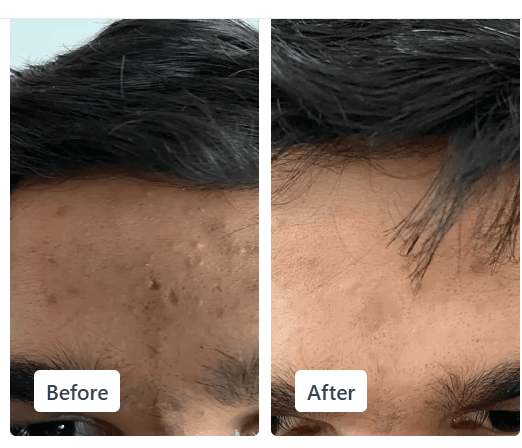
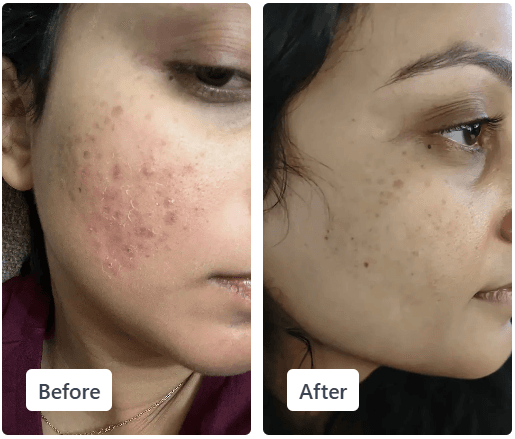
Take the free skin test to assess pigmentation, acne marks, sun exposure, and other concerns, then build a routine suited to your skin.
Take the Free Skin Test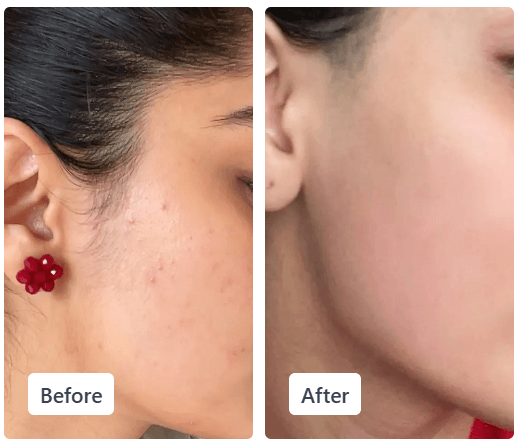
Frequently Asked Questions
1. Can dark spots on the skin go away on their own?
Some dark spots, particularly those caused by acne or minor skin inflammation, can fade naturally as your skin heals. Others, such as sunspots, may persist without treatment.
2. How long do dark spots take to fade?
The time varies depending on the cause, depth, and skin tone. Some post-inflammatory dark marks fade within months, while deeper or persistent pigmentation may take longer to fade.
3. Can dark spots be permanently removed?
Treatment can significantly fade many dark spots, but some may return with sun exposure or ongoing triggers. Consistent sun protection helps reduce recurrence.
4. Does sunscreen help fade dark spots?
Sunscreen does not directly remove existing pigmentation, but it helps prevent UV exposure from worsening dark spots and supports the effectiveness of other treatments.
5. Can home remedies remove dark spots?
Most home remedies have limited evidence for removing dark spots. Gentle skincare and sun protection are safer approaches, while proven treatments can provide more predictable results.
References
American Academy of Dermatology Association. How to Fade Dark Spots in Darker Skin Tones.
American Academy of Dermatology Association. Melasma: Diagnosis and Treatment.
American Academy of Dermatology Association. Age Spots and Dark Marks.
Editorial Standards
Clear Ritual has Strict sourcing guidelines to ensure our content is accurate and current. We rely on peer-reviewed studies, academic research institutions, and medical associations. We strive to use primary sources and refrain from using tertiary references. See a mistake? Learn More about our Editorial Standards.