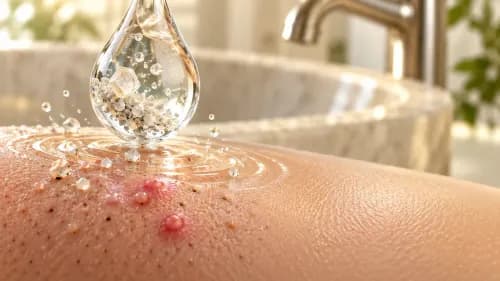
Sweat and Gym-Related Fungal Acne
Sweat and gym conditions can trigger fungal acne by creating a warm, moist environment where Malassezia yeast overgrows. The bumps are often small, uniform, and itchy, commonly appearing on the forehead, chest, or back. Tight clothing, delayed showers, and occlusive products can increase risk. Prompt cleansing, breathable clothing, and reducing trapped moisture can help prevent flare-ups.
What Fungal Acne Actually Is
Fungal acne, technically called pityrosporum folliculitis or malassezia folliculitis, occurs when yeast that naturally lives on your skin multiplies excessively inside hair follicles. This creates inflammation and breakouts that look similar to bacterial acne but behave completely differently.
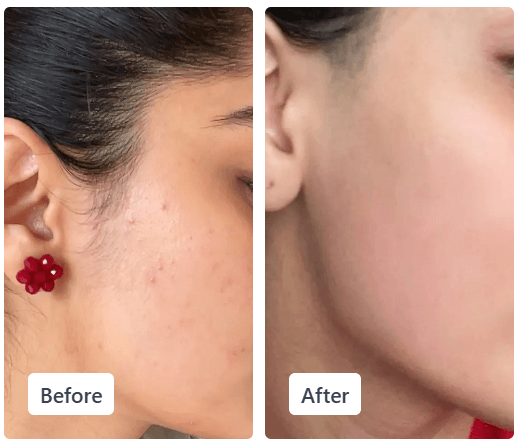
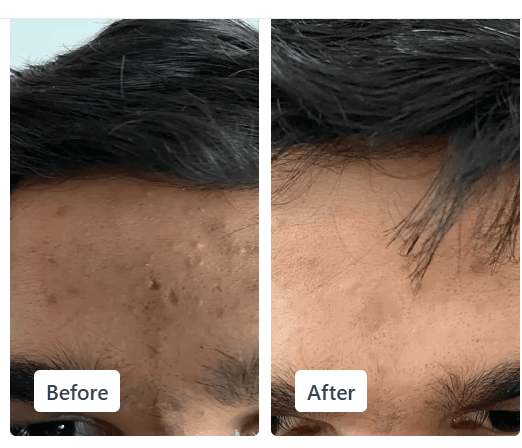
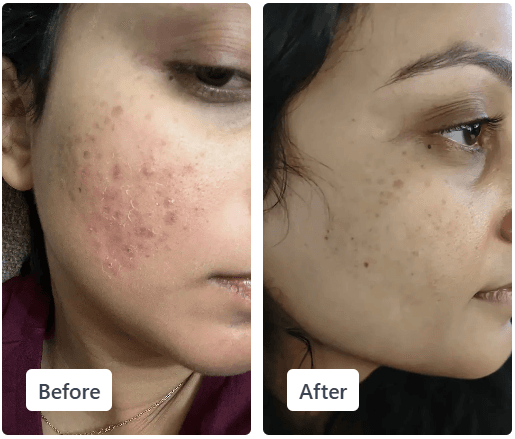
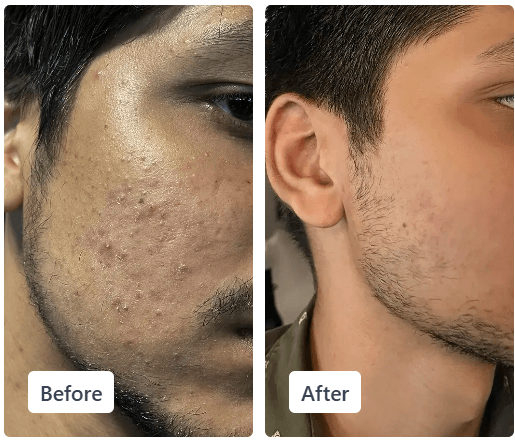
The confusion happens because both conditions present as bumps on the skin. However, fungal acne typically appears as clusters of small, uniform papules that are often itchy, while bacterial acne shows varied lesion types including blackheads, whiteheads, and larger inflamed pustules.
The yeast responsible, called Malassezia, exists on everyone's skin as part of the normal microbiome. Problems arise when environmental conditions shift the balance, allowing this organism to proliferate beyond normal levels and trigger an inflammatory response in the follicle.
Understand your skin patterns and receive a more personalised starting point.
Why Gym Environments Trigger Fungal Overgrowth
Your workout routine creates multiple conditions that yeast organisms love. Understanding these mechanisms helps explain why gym-goers frequently experience this particular skin concern.
When you exercise, your body temperature rises and you produce sweat to cool down. This creates a warm, moist environment on your skin surface. Malassezia yeast thrives in exactly these conditions, multiplying rapidly when moisture remains trapped against the skin.
Tight-fitting workout clothes, especially synthetic fabrics that don't breathe well, create occlusion. This prevents sweat from evaporating and increases the temperature and humidity level at the skin surface. The longer you remain in sweaty clothing after your workout, the more opportunity yeast has to proliferate.
Gym equipment and shared surfaces introduce additional challenges. While these don't directly cause fungal acne, they can contribute to overall skin microbiome disruption. Wiping your face with your hands or towel during workouts can spread oils and moisture around, creating more favorable conditions for yeast growth.
The sebaceous areas of your body produce oils that Malassezia feeds on. Your chest, back, shoulders, and forehead have higher concentrations of sebaceous glands, which explains why fungal acne commonly appears in these zones after workouts.
Recognizing the Difference Between Fungal and Bacterial Acne
Many people try traditional acne treatments for weeks without improvement because they're addressing the wrong cause. Knowing the distinguishing features helps you understand what's happening with your skin.
| Feature | Fungal Acne | Bacterial Acne |
| Appearance | Small, uniform bumps | Varied sizes and types |
| Distribution | Clusters in patches | Scattered individual lesions |
| Itchiness | Often itchy | Rarely itchy |
| Location Pattern | Forehead, chest, back, shoulders | Face, jawline, cheeks common |
| Response to Benzoyl Peroxide | No improvement or worsening | Often improves |
The uniformity represents an important clue. Fungal acne bumps tend to look remarkably similar to each other in size and appearance, while bacterial acne shows comedones, papules, pustules, and sometimes cysts all at different stages.
Itching distinguishes fungal acne significantly. The yeast overgrowth triggers an inflammatory response that often creates an itching sensation, whereas bacterial acne typically feels tender or painful rather than itchy.
Traditional acne treatments containing benzoyl peroxide or salicylic acid target bacteria and help with cellular turnover. These ingredients don't address yeast overgrowth and may actually worsen fungal acne by disrupting the skin barrier further or eliminating competing bacteria that normally keep yeast populations in check.
Understand your skin patterns and receive a more personalised starting point.
How Sweat Actually Affects Your Skin Microbiome
Sweating serves essential thermoregulation and detoxification functions, but the composition of sweat and how long it remains on skin influences microbial balance significantly.
Fresh sweat is primarily water with small amounts of salt, urea, and other metabolites. This isn't inherently problematic for skin. The issues develop when sweat sits on the skin surface for extended periods, especially in areas where evaporation is limited by clothing or skin folds.
As sweat lingers, the moisture content, temperature, and pH changes create selective pressure favoring certain microorganisms over others. Malassezia yeast adapts well to these conditions, while beneficial bacteria that normally compete for the same follicular space may struggle.
The lipid-rich sebum your skin produces mixes with sweat. Malassezia possesses enzymes that break down these lipids for nutrition, giving it a competitive advantage in sebaceous areas during and after workouts. The byproducts of this lipid breakdown can themselves trigger inflammation and irritation.
Your skin's pH normally sits around 4.7 to 5.5, which helps maintain healthy microbial balance. Extended sweat exposure can alter this pH, potentially creating conditions more favorable for yeast proliferation while disrupting the acid mantle that protects against problematic microorganisms.
Common Workout Habits That Increase Risk
Certain practices that seem harmless actually create ideal conditions for fungal acne development. Awareness of these patterns allows you to modify behaviors effectively.
Staying in sweaty clothes after your workout represents the most significant risk factor. Many people wear their gym clothes during the commute home or run errands afterward. Every minute that damp, warm fabric sits against your skin gives yeast more opportunity to multiply.
Using heavy, occlusive skincare products before workouts creates problems. Rich moisturizers, oils, or silicone-based primers trap heat and moisture while providing additional lipids that feed Malassezia. If you apply these products then exercise, you've essentially created an incubator on your skin.
Sharing towels, yoga mats, or equipment without proper sanitization doesn't directly cause fungal acne, but can disrupt your skin's microbial balance. While Malassezia already lives on your skin, exposure to others' skin flora combined with compromised barrier function from sweat and friction can tip the balance.
Touching your face during workouts spreads oils, sweat, and whatever microorganisms are on your hands to your facial skin. This habit, combined with the moisture and heat from exercise, encourages yeast proliferation in facial follicles.
Over-cleansing after workouts damages the skin barrier. Some people scrub vigorously with harsh cleansers thinking this prevents breakouts. Instead, stripping the protective lipid barrier increases transepidermal water loss, triggers compensatory oil production, and disrupts the healthy microbiome that keeps yeast populations balanced.
What Happens Inside the Follicle
Understanding the actual biological process helps explain why certain approaches work while others fail.
Hair follicles extend from the skin surface down into the dermis, with sebaceous glands attached that produce oil. The follicle represents a complex microenvironment with its own microbial ecosystem, pH level, and lipid composition.
When conditions favor Malassezia overgrowth, the yeast multiplies rapidly within the follicle. As populations expand, the organisms produce enzymes that break down sebum triglycerides into free fatty acids. These metabolic byproducts irritate the follicle lining.
Your immune system detects this yeast overgrowth and the inflammatory byproducts, triggering an immune response. White blood cells migrate to the area, releasing inflammatory mediators. This creates the visible bump, redness, and itching sensation you experience.
The follicle becomes congested with yeast organisms, inflammatory cells, and cellular debris. Unlike bacterial acne where the follicle may rupture and create larger inflammatory lesions, fungal acne tends to remain contained within the follicle, creating those characteristic uniform small bumps.
This inflammatory response continues as long as the yeast population remains elevated. Simply treating surface symptoms without addressing the underlying overgrowth means the condition persists or returns quickly.
Environmental and Lifestyle Factors Beyond the Gym
While workout-related sweat triggers many cases, other factors influence susceptibility to fungal acne development.
Hot, humid climates create persistent conditions favorable for yeast growth. If you live in a tropical or subtropical environment, your baseline risk increases because your skin remains warm and moist more consistently, not just during workouts.
Antibiotic use, whether for acne or other infections, disrupts the bacterial populations that normally compete with yeast for follicular space. When bacteria are suppressed, yeast can expand unchecked. This explains why some people develop fungal acne after taking antibiotics for what they thought was bacterial acne.
Compromised immune function, whether from illness, stress, or certain medications, affects your body's ability to keep yeast populations balanced. The same organism that exists harmlessly when your immune system functions optimally can overgrow when immune surveillance decreases.
High-glycemic diets influence sebum production and composition. While the relationship isn't as direct as with bacterial acne, increased sebum provides more nutrition for Malassezia. Diets high in processed carbohydrates and sugars may indirectly support yeast proliferation through enhanced sebaceous gland activity.
Sleep deprivation affects skin barrier function and immune response. During deep sleep, your body performs skin repair and immune system maintenance. Chronic poor sleep compromises both functions, potentially making your skin more susceptible to fungal overgrowth.
Practical Management Strategies
Addressing fungal acne requires different approaches than bacterial acne, focusing on reducing yeast populations and preventing conditions that favor overgrowth.
The single most effective prevention strategy involves showering immediately after workouts. The faster you remove sweat and change into dry, breathable clothing, the less opportunity yeast has to proliferate. This doesn't require elaborate routines; a simple rinse with lukewarm water removes the moisture and heat that encourage overgrowth.
Choosing appropriate workout clothing makes significant difference. Natural fibers like cotton breathe better than synthetic fabrics, allowing sweat to evaporate rather than remaining trapped against skin. Loose-fitting clothes reduce occlusion compared to tight athletic wear, though you'll need to balance this with movement requirements for your specific activity.
Gentle cleansing maintains skin barrier integrity while removing sweat and oils. Look for pH-balanced cleansers that don't strip the skin. Over-cleansing or using harsh antibacterial products disrupts the beneficial microbiome that helps regulate yeast populations naturally.
Keeping hair off your face and back during workouts reduces transfer of oils and sweat that create favorable conditions on facial and back skin. Hair products often contain oils and conditioning agents that can contribute to follicular congestion when mixed with sweat.
Antifungal body washes containing ingredients like pyrithione zinc, selenium sulfide, or ketoconazole can help manage existing fungal acne. These work by directly targeting yeast organisms rather than bacteria. Using these products a few times weekly rather than daily helps reduce yeast populations without overdrying skin.
Avoiding occlusive skincare before and immediately after workouts prevents trapping heat and moisture. If you need sun protection for outdoor exercise, choose lightweight, non-comedogenic formulations specifically designed for active use that won't create the occlusive conditions yeast loves.
When to Seek Professional Guidance
While many cases respond to environmental modifications and basic antifungal approaches, certain situations require dermatological evaluation.
If bumps persist despite consistent preventive measures for several weeks, professional assessment helps confirm the diagnosis. Fungal acne can coexist with bacterial acne or other skin conditions, requiring combination approaches that benefit from expert guidance.
Widespread distribution affecting large areas of the chest, back, and shoulders may need prescription-strength antifungal treatments. Over-the-counter options work well for mild cases, but extensive involvement often requires stronger interventions.
Severe itching that disrupts sleep or daily activities warrants medical attention. While some itching is characteristic of fungal acne, intense symptoms may indicate secondary complications or misdiagnosis requiring professional evaluation.
If you've been treating presumed bacterial acne with antibiotics and your condition worsened, this strongly suggests fungal acne. A dermatologist can perform tests to identify whether yeast overgrowth is the primary issue and adjust treatment accordingly.
Recurring episodes despite consistent management might indicate underlying factors like immune system concerns, hormonal imbalances, or chronic health conditions that need medical investigation beyond just skin-focused approaches.
How Clear Ritual Supports Personalized Skincare Decisions
While post-workout hygiene habits and breathable clothing help manage fungal acne symptoms, skin conditions typically involve multiple intersecting factors including immune function, hormonal influences, stress levels, sleep quality, and individual microbiome composition. Managing external triggers addresses important contributors but may not fully resolve the concern if internal imbalances persist. At Clear Ritual, We combine the best of three worlds - Ayurveda, modern dermatology, and advanced skin science - to understand individual triggers through a structured skin test. This approach recognizes that the same gym routine affects different people differently based on their unique internal and external trigger patterns. Understanding these personalized factors, rather than applying generic solutions, supports more stable, long-term skin balance.
The Clear Ritual Skin Test analyses your skin's unique patterns, routine, lifestyle influences, and possible internal triggers to create a more personalised starting point instead of relying on generic trial-and-error.
Understand your skin patterns and receive a more personalised starting point.
Conclusion
Sweat and gym conditions can trigger fungal acne by creating a warm, moist environment where Malassezia yeast overgrows. The bumps are often small, uniform, and itchy, commonly appearing on the forehead, chest, or back. Keeping skin dry, reducing occlusion, and seeking professional guidance when needed can help address this yeast-driven pattern.
Frequently Asked Questions
Can fungal acne spread from person to person at the gym?
Fungal acne isn't contagious in the traditional sense because the yeast already lives on everyone's skin. However, sharing towels, mats, or equipment can transfer microorganisms that might disrupt your skin's microbial balance, potentially contributing to conditions that favor yeast overgrowth when combined with sweat and heat.
How long does it take for fungal acne to clear after changing workout habits?
With consistent preventive measures and appropriate antifungal approaches, most people notice improvement within two to four weeks. Complete resolution may take six to eight weeks as the skin's microbiome rebalances and existing inflammation resolves. Faster showering and breathable clothing show effects sooner than topical treatments alone.
Does sweating itself cause fungal acne or just create conditions for it?
Sweating doesn't directly cause fungal acne but creates the warm, moist environment where Malassezia yeast thrives. Fresh sweat isn't problematic; issues develop when it remains on skin for extended periods, especially under occlusive clothing. Quick removal of sweat prevents the conditions that allow yeast overgrowth.
Editorial Standards
Clear Ritual has Strict sourcing guidelines to ensure our content is accurate and current. We rely on peer-reviewed studies, academic research institutions, and medical associations. We strive to use primary sources and refrain from using tertiary references. See a mistake? Learn More about our Editorial Standards.