Can Stress Cause Cystic Acne? The Science Behind Flare-Ups
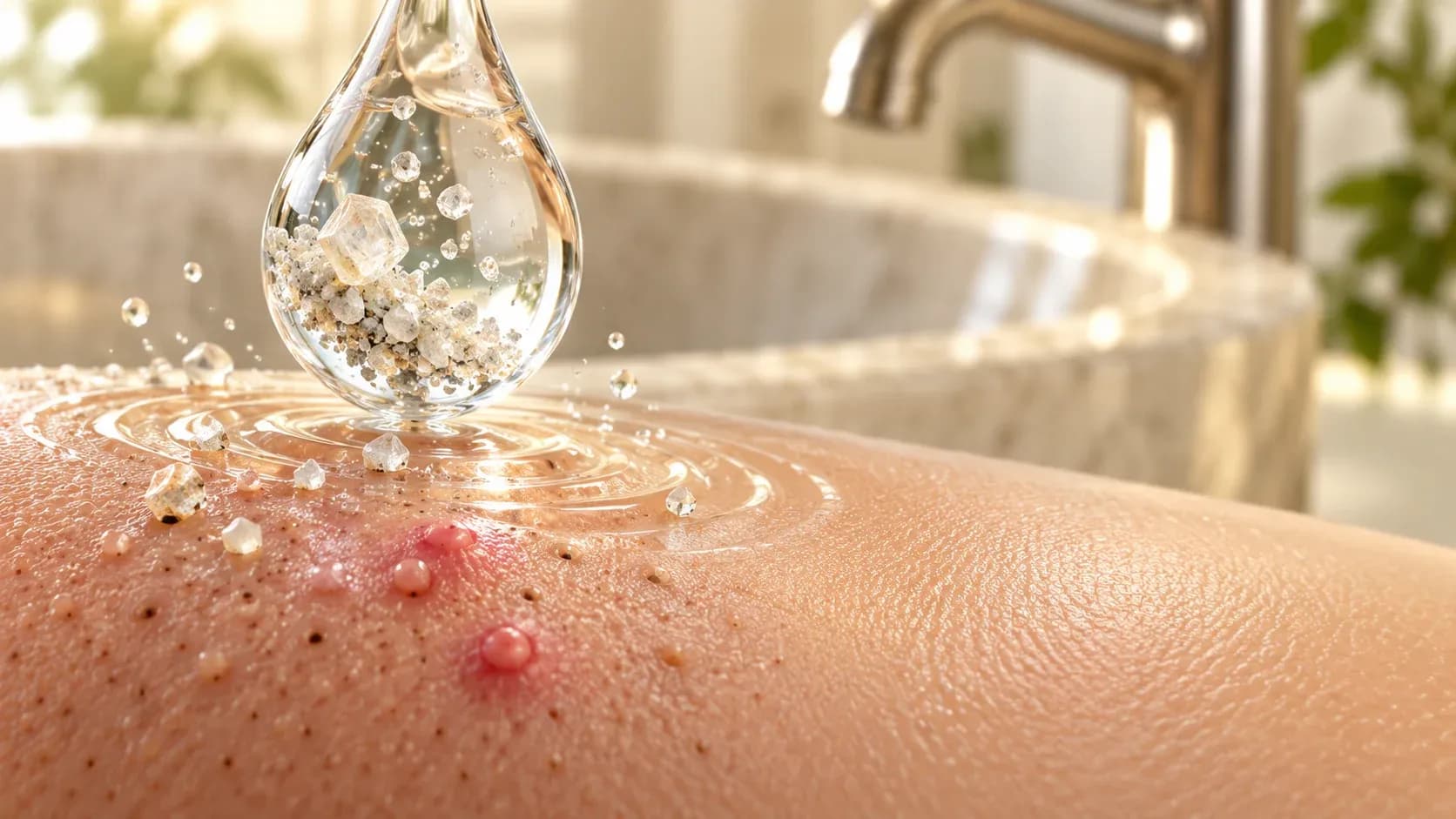
Quick Answer: Yes, stress can cause cystic acne, but not through a single overnight mechanism. Stress triggers a hormonal chain reaction: cortisol and androgen levels rise, sebaceous glands overproduce oil, bacteria multiply in the excess sebum, and the immune system launches a deep inflammatory response. The result is a painful, nodular cyst that forms beneath multiple skin layers and typically surfaces 3 to 7 days after the stressful event, not immediately.
Cystic acne is one of the most persistent and painful forms of inflammatory acne, and stress is one of its most underestimated triggers.
What Is Stress-Induced Cystic Acne?
Stress-induced cystic acne is a form of deep inflammatory acne triggered by the hormonal and immune changes that occur during periods of psychological or physical stress. Unlike surface-level whiteheads or blackheads, cystic acne forms when oil, dead skin cells, and bacteria become trapped beneath multiple skin layers, creating swollen, infected nodules that the body struggles to resolve quickly.
Three features make stress-driven cystic acne distinct from ordinary breakouts:
- The delay. Cysts typically appear 3 to 7 days after cortisol peaks, not immediately after the stressful event.
- The depth. Stress hormones drive inflammation to the follicle base, producing deeper, more painful nodules than surface-level stress pimples.
- The persistence. Chronic stress keeps cortisol elevated continuously, allowing cysts to recur weekly rather than resolving after a single event.
Because cysts sit so far beneath the skin surface, topical treatments often cannot reach them effectively. This depth also explains why stress-induced cystic acne frequently leaves scars, the inflammation damages the surrounding collagen and elastin fibres that maintain smooth skin texture.
How Does Stress Trigger Cystic Acne? The 6-Step Cortisol Cascade
Cortisol does not create a cyst on its own, it initiates a biological cascade that takes days to complete. According to the Clear Ritual skin health team, understanding each step makes it possible to interrupt the process earlier.
Step 1: The stress signal (Hours 0–6) The hypothalamus registers a threat, a deadline, an argument, a sleepless night, and signals the adrenal glands to release cortisol and androgens into the bloodstream.
Step 2: Sebaceous gland activation (Hours 6–24) Sebaceous glands carry androgen receptors on their surface. Elevated androgens bind to these receptors and trigger two simultaneous responses: increased sebum production and physical enlargement of the glands themselves. More oil per gland, more glands producing it.
Step 3: Barrier disruption (Hours 12–48) Cortisol reduces the synthesis of ceramides and natural moisturising factors, the structural components of the skin barrier. The barrier becomes porous, increasing transepidermal water loss and allowing bacteria and irritants to penetrate more easily.
Step 4: Bacterial proliferation (Days 1–3) Excess sebum combined with a weakened barrier creates ideal conditions for Cutibacterium acnes, bacteria naturally present on all skin, to multiply rapidly inside hair follicles.
Step 5: Immune overreaction (Days 2–5) The immune system detects the bacterial surge and launches an inflammatory response. Simultaneously, stress-activated neuropeptides, notably Substance P, trigger mast cells to release histamine and inflammatory cytokines. In people prone to cystic acne, this response overshoots, driving inflammation deep into the dermis.
Step 6: Cyst formation (Days 3–7) The deep inflammatory pressure creates a nodular cyst beneath the skin surface, too deep for most topical treatments, and too inflamed to resolve quickly without addressing the upstream hormonal trigger.
Key mechanism: Elevated cortisol reduces ceramide synthesis and enlarges sebaceous glands, creating the biological conditions for cystic acne within 3 to 7 days of the initial stress event.
What Are the Other Biological Pathways That Connect Stress to Cystic Acne?
The cortisol-sebum cascade is the primary pathway, but stress activates at least three additional biological mechanisms that worsen cystic acne severity and duration.
The inflammation connection Cortisol initially suppresses inflammation as part of the body's survival response. Under chronic stress, however, this system dysregulates, skin's inflammatory pathways become hypersensitive, overreacting to Cutibacterium acnes even at normal population levels. Neuropeptide Substance P directly triggers mast cells to release histamine and inflammatory compounds, adding a second inflammatory driver on top of the immune response.
Sleep deprivation amplifies everything Stress frequently disrupts sleep quality and duration, and poor sleep independently raises cortisol levels, compounding the hormonal effect. During deep sleep, the body repairs skin damage, synthesises collagen, and regulates immune function. Studies show that people sleeping fewer than six hours consistently carry higher inflammatory markers throughout the body, including in skin tissue. Missing these repair cycles means inflammation from existing cysts lingers longer while new ones keep forming.
The gut-skin-stress triangle Stress alters gut microbiome composition through a pathway researchers call the gut-skin axis. Cortisol and stress hormones slow digestion, increase intestinal permeability, and reduce populations of beneficial bacteria, a state called dysbiosis. Inflammatory compounds from the gut then enter circulation and affect skin health systemically. Deficiencies in zinc, omega-3 fatty acids, and B vitamins that arise from disrupted nutrient absorption can further compromise skin healing, making stress-related cystic acne more persistent.
Stress behaviours that directly worsen acne Beyond hormones, stress changes behaviour in ways that add mechanical and dietary triggers. Increased face-touching transfers bacteria from hands to pores. Reaching for high-glycaemic foods, biscuits, crisps, energy drinks, triggers insulin spikes that stimulate androgen production and sebaceous gland activity. Inconsistent skincare routines during stressful periods allow pore-clogging debris to accumulate, while over-washing strips protective oils and drives compensatory sebum overproduction.
How Does Cortisol Disrupt the Skin Barrier During Stress?
The skin barrier, composed of lipids, ceramides, and structural proteins, prevents water loss and blocks irritants, bacteria, and pollutants from penetrating deeper skin layers. Chronic stress degrades this barrier through a direct cortisol mechanism.
Elevated cortisol reduces the production of natural moisturising factors and disrupts lipid synthesis, making the barrier porous. Transepidermal water loss increases, leaving skin dehydrated. Dehydrated, acne-prone skin often compensates by producing more sebum, creating the paradox of oily yet dehydrated skin that many people with cystic acne experience.
A compromised barrier also means environmental aggressors like pollution particles and Cutibacterium acnes penetrate more easily, while the skin simultaneously becomes less capable of healing existing inflammation. Research published in the British Journal of Dermatology (2012) showed that psychological stress delayed skin barrier recovery by approximately 40% in healthy adults, a figure that is particularly significant for people already prone to cystic acne.
Clear Ritual's approach to barrier care emphasises that protecting barrier integrity during stressful periods is not optional, it is a direct intervention in the cystic acne cascade.
What Does the Research Say About Stress and Cystic Acne?
Several converging lines of clinical research confirm the stress-cystic acne relationship across multiple biological pathways.
Stress correlates with increased acne severity A study of 94 medical students published in Archives of Dermatology (2003) found that acne severity increased significantly during high-stress examination periods compared to lower-stress periods, independent of changes in diet or sleep. The correlation was strongest for inflammatory lesions, specifically nodules and cysts, rather than surface-level comedones.
Cortisol directly stimulates oil-producing cells A 2018 study in Experimental Dermatology demonstrated that cortisol activates corticotropin-releasing hormone (CRH) receptors on sebocytes (sebaceous gland cells), triggering dose-dependent increases in sebum lipid production. This confirmed the stress-sebum link as a direct receptor-mediated response, not an indirect one.
Substance P drives deep inflammation Multiple studies have identified elevated Substance P levels in acne-affected skin. Research in the Journal of Investigative Dermatology linked stress-induced Substance P release to mast cell activation and increased sebaceous gland size, two direct drivers of cystic acne severity.
Chronic stress elevates sebum and cytokines simultaneously A 2022 review in Clinical, Cosmetic and Investigational Dermatology confirmed that patients with chronic psychological stress showed significantly higher sebum excretion rates and increased inflammatory cytokine levels compared to controls, supporting the multi-step mechanistic chain.
Probiotics reduce inflammatory acne lesion count A 2020 study published in Nutrients found that probiotic supplementation reduced inflammatory acne lesion count by approximately 32% over 12 weeks, supporting the role of the gut-skin axis in stress-related cystic acne.
The evidence consistently supports a multi-pathway model. Stress drives cystic acne through at least four simultaneous mechanisms, cortisol-stimulated sebum, Substance P-driven inflammation, barrier disruption enabling bacterial entry, and gut dysbiosis producing systemic inflammation. This is why single-ingredient topical treatments reliably underperform for stress-related cystic acne.
Cystic Acne vs. Sebaceous Cysts vs. Fungal Acne: What Does Stress Actually Cause?
Many people searching for information about stress and skin cysts are dealing with three different conditions that can look similar but have separate causes, locations, and treatments. Stress plays a very different role in each.
| Condition | What It Is | Does Stress Cause It? | Where It Appears | How It Feels |
|---|---|---|---|---|
| Cystic acne | Deep infected follicle with inflammatory nodule | Yes, directly via cortisol and androgen pathways | Face, jawline, chin, chest, back | Painful, swollen, warm to touch |
| Sebaceous cyst | Keratin-filled sac under skin from blocked hair follicle | Indirectly, stress impairs barrier and healing, making existing cysts more inflamed | Scalp, face, neck, back | Firm, dome-shaped, usually not painful unless infected |
| Fungal acne (Pityrosporum folliculitis) | Yeast overgrowth in hair follicles | Indirectly, stress disrupts microbiome, allowing Malassezia yeast to proliferate | Forehead, upper back, chest | Uniform small pustules, often itchy |
The critical distinction: Stress directly triggers cystic acne through the cortisol-androgen-sebum mechanism. It can worsen sebaceous cysts and fungal acne, but those conditions have separate root causes, keratin blockage and yeast overgrowth, respectively.
- If your breakouts are uniform, small, and itchy rather than deep and painful, fungal acne is more likely.
- If you have a firm, painless lump under the skin that does not change with your stress levels, a sebaceous cyst is more likely.
- True stress-induced cystic acne is deep, painful, and timing-correlated with stressful events 3 to 7 days earlier.
What Is the Realistic Timeline for Stress-Related Cystic Acne?
One of the most disorienting aspects of stress-induced cystic acne is the delay, a painful cyst often appears just as the stressful period has ended and you feel better. Here is what is actually happening in your skin at each stage.
| Timeframe | What Is Happening in Your Skin | What You May Notice |
|---|---|---|
| During the stress event | Cortisol and androgens spike; sebum production increases | Skin may feel oilier or more congested than usual |
| Days 1–3 after | Bacterial proliferation inside follicles; immune response begins | Possible subtle tenderness or slight redness beneath the skin |
| Days 3–7 after | Full inflammatory cyst develops at follicle base | Painful, swollen nodule becomes visible |
| Weeks 1–3 | Cyst peaks, then begins slow resolution if stress is managed | Gradual reduction in swelling; possible post-inflammatory hyperpigmentation |
| Weeks 3–6 | Healing and potential scarring phase | Red or brown flat marks remain after swelling resolves |
If stress is chronic rather than acute, this timeline compounds. Each new cortisol spike begins a new cyst cycle before the previous one resolves, which is why people with ongoing work pressure, poor sleep, or anxiety often have persistent cystic acne that topical treatments alone cannot clear.
Realistic healing expectations with combined stress management and consistent skincare:
- Within 2–4 weeks: Reduced frequency of new cysts forming
- Within 6–8 weeks: Existing cysts begin resolving more quickly
- Within 3 months: Noticeable reduction in overall breakout severity, provided stress triggers are being actively managed
Does Stress Affect Men and Women Differently When It Comes to Cystic Acne?
Stress-induced cystic acne follows different hormonal patterns in men and women, though both are susceptible to the cortisol-androgen cascade.
In women, the luteal phase of the menstrual cycle, occurring after ovulation, naturally increases progesterone and androgen activity. When stress adds a cortisol surge to this already elevated hormonal environment, the combined effect can trigger severe cystic breakouts, particularly along the jawline and chin. This is why women with otherwise manageable skin can experience dramatic cystic flare-ups during stressful periods that coincide with the second half of their cycle.
In men, higher baseline androgen levels mean that stress-driven androgen stimulation may produce more pronounced initial oil overproduction. However, without the cyclical hormonal variation that affects women, stress-related cystic acne in men tends to be less tied to a predictable monthly pattern and more directly correlated with sustained stress duration.
According to Clear Ritual's clinical review team, understanding whether stress is acting alone or compounding a hormonal cycle pattern is essential information when choosing a management approach, because the timing and location of breakouts differ meaningfully between these two presentations.
How to Calm Stress-Related Cystic Acne: A Step-by-Step Approach
Interrupting the stress-acne cycle requires working at the hormonal, barrier, and behavioural levels simultaneously. No single topical treatment resolves all four pathways. Clear Ritual recommends a structured approach ordered by where in the cascade each intervention acts.
1. Regulate your cortisol rhythm first (upstream)
- Establish a consistent sleep and wake time, including weekends. Cortisol follows a circadian rhythm, irregular schedules flatten it into chronic daytime elevation.
- Practise 5–10 minutes of diaphragmatic breathing daily. This activates the parasympathetic nervous system and demonstrably reduces cortisol output.
- Reduce caffeine after midday, caffeine raises cortisol and compounds the stress load on sebaceous glands.
2. Stabilise blood sugar to reduce androgen spikes (midstream)
- Include protein and fibre with every meal to slow glucose absorption and reduce insulin spikes.
- Limit high-glycaemic foods, white bread, sugar-sweetened drinks, processed snacks, particularly during high-stress periods, as these trigger insulin which directly stimulates androgen production.
- Add omega-3 fatty acids from oily fish, walnuts, or flaxseed to provide anti-inflammatory precursors the skin uses during healing.
3. Protect the skin barrier without adding further stress (downstream)
- Cleanse once at night with a gentle, pH-balanced cleanser. Over-washing strips protective oils and signals glands to overproduce sebum in compensation.
- Apply a non-comedogenic moisturiser even on oily skin, a dehydrated, compromised barrier overcompensates with excess sebum.
- Avoid physical scrubs or high-concentration actives (glycolic acid above 10%, high-strength retinoids) during active cystic flares, these add barrier stress to already inflamed skin.
- Do not squeeze or pick cystic nodules. The cyst sits too deep to drain safely from the surface; squeezing drives infection wider and significantly increases scarring risk.
4. Support the gut-skin axis (systemic)
- Include fermented foods, yoghurt, kefir, kimchi, to support the microbiome diversity that stress-driven dysbiosis reduces.
- Consider probiotic supplementation: a 2020 study in Nutrients found approximately 32% reduction in inflammatory acne lesion count over 12 weeks.
- Monitor zinc and B-vitamin intake through a varied diet. If you suspect a deficiency, seek professional guidance before using supplements.
5. Track the delay between stress and flare-ups
- Record major stress events, sleep disruption, menstrual-cycle timing, and new cysts for at least 6 to 8 weeks.
- Look for a repeatable delay of several days rather than assuming a cyst was caused by something used the same morning.
- Use the pattern to identify which upstream trigger needs the most attention.
Practical takeaway: Stress management supports cystic acne care, but it works best alongside gentle barrier care, consistent habits, and professional support when breakouts are deep, painful, or scarring.
When Should You See a Dermatologist for Stress-Related Cystic Acne?
Stress management and a gentle routine may reduce flare frequency, but deep cysts can scar and often need professional assessment. Consult a dermatologist if:
- New painful cysts continue forming for 6 to 8 weeks
- Breakouts leave dents, raised scars, or persistent dark marks
- Cysts occur across the face, chest, or back
- Jawline breakouts follow a strong hormonal pattern
- Over-the-counter products cause burning, peeling, or worsening inflammation
- Acne is affecting sleep, confidence, or emotional wellbeing
A dermatologist can assess whether prescription topical care, oral medicines, hormonal options, or an in-clinic procedure is appropriate for your acne pattern.
Clear Ritual's Perspective on Stress and Cystic Acne
Stress-related cystic acne is rarely solved by adding more products. The useful starting point is to understand the pattern: when cysts appear, where they form, how sleep and hormonal timing affect them, and whether the skin barrier is already irritated.
At Clear Ritual, we believe that a routine should support the skin without creating additional irritation. Consistent cleansing, moisturising, sun protection, and carefully selected active ingredients can complement stress management, while persistent or scarring cystic acne deserves dermatologist guidance.
Understand Your Cystic Acne Pattern
Take the free skin test to assess breakouts, oiliness, sensitivity, barrier concerns, and lifestyle triggers, then build a routine suited to your skin.
Take the Free Skin Test
Frequently Asked Questions
Q: Can stress directly cause cystic acne?
A: Stress can worsen the biological conditions linked with cystic acne, including oil production, inflammation, barrier disruption, sleep loss, and skin-picking. It is usually one contributing factor rather than the only cause.
Q: How soon can cystic acne appear after stress?
A: A deep cyst may become noticeable several days after a stressful period because pore blockage and inflammation develop over time rather than instantly.
Q: Where does stress-related cystic acne appear?
A: It may appear on the face, jawline, chin, chest, or back. Location alone cannot confirm stress as the cause, so timing and recurring patterns also matter.
Q: Can reducing stress clear cystic acne?
A: Stress management may reduce flare frequency and support healing, but persistent cystic acne often needs an acne-friendly routine and dermatologist-guided care.
Q: Should you squeeze a stress-related acne cyst?
A: No. Cysts sit deep within the skin, and squeezing can increase inflammation, infection risk, dark marks, and scarring.
References
- National Institute of Arthritis and Musculoskeletal and Skin Diseases. Acne: Types, Causes, and Risk Factors.
- American Academy of Dermatology. Acne Resource Center.
- Mayo Clinic. Acne: Symptoms and Causes.
- Chiu A, Chon SY, Kimball AB. The response of skin disease to stress: changes in the severity of acne vulgaris as affected by examination stress. Archives of Dermatology. 2003;139(7):897-900. View study.
- Garg A, Chren MM, Sands LP, et al. Psychological stress perturbs epidermal permeability barrier homeostasis. Archives of Dermatology. 2001;137(1):53-59. View study.
- Tanghetti EA. The role of inflammation in the pathology of acne. Journal of Clinical and Aesthetic Dermatology. 2013;6(9):27-35. View review.
Disclaimer: This article is for general educational purposes and is not a substitute for personalised medical advice. Consult a qualified dermatologist for persistent, painful, widespread, or scarring cystic acne.
Editorial Standards
Clear Ritual has Strict sourcing guidelines to ensure our content is accurate and current. We rely on peer-reviewed studies, academic research institutions, and medical associations. We strive to use primary sources and refrain from using tertiary references. See a mistake? Learn More about our Editorial Standards.