Gut Health and Acne: Can Poor Digestion Cause Breakouts?
Yes, poor digestion can contribute to acne breakouts. The gut and skin are connected through the gut-skin axis, where digestive imbalances trigger inflammation, affect hormone levels, and disrupt nutrient absorption, all of which can increase oil production and clog pores. Acne is multifactorial, so supporting gut health helps many people but may not fully resolve breakouts caused by genetics or hormones.
- Gut imbalances can trigger systemic inflammation that worsens breakouts
- Certain foods may disrupt gut bacteria and increase sebum production
- Supporting digestive health may help reduce acne frequency and intensity
- Professional guidance is important for persistent or severe acne
What Is the Gut-Skin Axis?
The gut-skin axis describes the biochemical communication between your digestive system and your skin. Your gut houses trillions of bacteria that help digest food, produce vitamins, and regulate immune responses. When this microbial balance is disrupted, it can send inflammatory signals throughout your body, including to your skin.
Your skin responds to internal inflammation by increasing oil production, thickening the outer layer of pores, and attracting immune cells that cause redness and swelling. This creates an environment where acne-causing bacteria thrive.
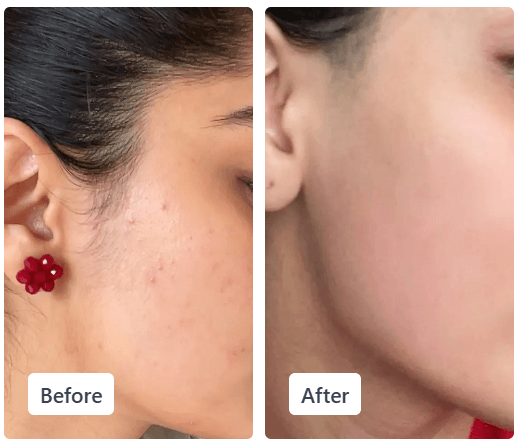
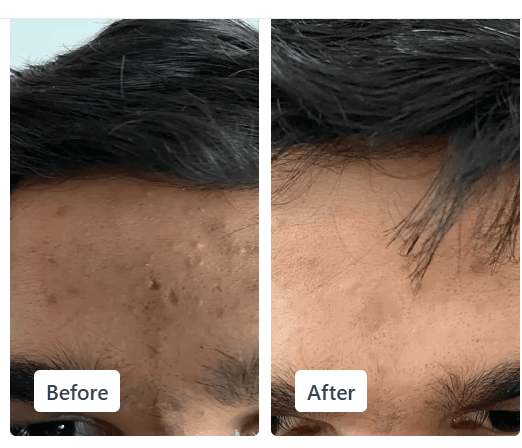
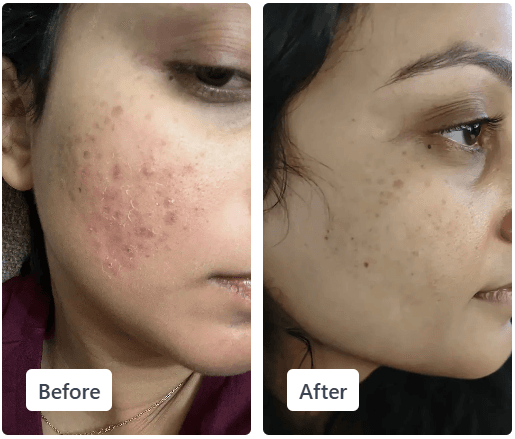
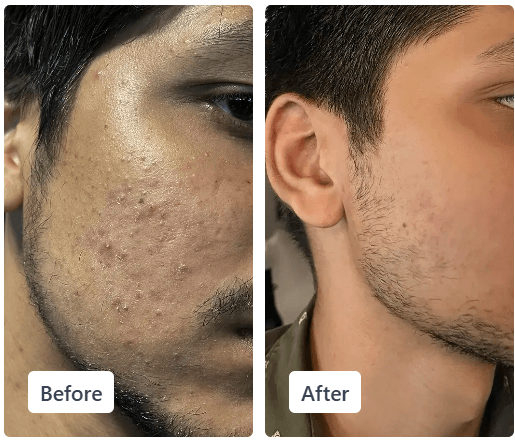
See real results, then start your own
Take the free Clear Ritual Skin Test and get a personalized routine built for your skin's unique patterns.
How Poor Digestion Influences Acne Development
Digestion affects acne through several interconnected pathways that go beyond what you eat.
Intestinal Permeability and Inflammation
When the gut lining becomes compromised, partially digested food particles and bacterial fragments can enter the bloodstream. Your immune system recognizes these as threats and releases inflammatory molecules called cytokines. These travel through circulation and reach the skin, where they trigger oil glands to produce more sebum and cause the lining of pores to shed faster. This combination leads to clogged pores and inflammatory acne lesions.
Microbiome Imbalance
Your gut bacteria influence how you metabolize nutrients, produce hormones, and regulate inflammation. An overgrowth of harmful bacteria or yeast can produce metabolic byproducts that increase oxidative stress and inflammation. This disrupts the normal skin cell turnover process and weakens the skin barrier, making it harder for your skin to defend against acne-causing bacteria on the surface.
Blood Sugar and Insulin Response
Poor digestion often goes hand in hand with blood sugar instability. When you eat foods that spike blood sugar rapidly, your body releases insulin and insulin-like growth factor. These hormones stimulate oil glands and increase the production of skin cells that line pores. Over time, this creates a cycle of excess oil and blocked follicles that leads to persistent breakouts.
Nutrient Absorption Issues
Even if you eat well, poor digestion can prevent proper absorption of skin-supporting nutrients like zinc, vitamin A, and omega-3 fatty acids. Zinc helps regulate oil production and supports skin healing. Vitamin A controls how quickly skin cells turnover. Omega-3s help manage inflammation. Without adequate absorption, your skin loses these protective mechanisms.
Common Digestive Issues That May Worsen Acne
Several digestive patterns show clear connections to acne severity.
Constipation and Toxin Buildup
When waste moves slowly through the intestines, toxins and hormones that should be eliminated get reabsorbed into the bloodstream. This includes excess estrogen and other compounds that can trigger oil production and inflammation in the skin. Regular bowel movements help clear these substances before they recirculate.
Low Stomach Acid
Adequate stomach acid is essential for breaking down proteins and absorbing minerals. Low acid levels allow harmful bacteria to survive and migrate into the small intestine, where they don't belong. This bacterial overgrowth produces gases and inflammatory compounds that affect skin health. It also impairs the absorption of zinc and other nutrients critical for clear skin.
Food Sensitivities
Unlike true allergies, food sensitivities cause delayed immune reactions that may not be obvious immediately. These reactions trigger low-grade inflammation that accumulates over time. Common trigger foods include dairy, gluten, and high-sugar items, though individual responses vary widely. The chronic inflammation from repeated exposure to trigger foods keeps the skin in a state of constant reactivity.
See real results, then start your own
Take the free Clear Ritual Skin Test and get a personalized routine built for your skin's unique patterns.
The Role of Specific Dietary Patterns
What you eat shapes your gut bacteria and directly influences inflammatory pathways.
High glycemic foods like white bread, sugary snacks, and processed carbohydrates cause rapid blood sugar spikes that trigger insulin release. This hormonal cascade increases sebum production and accelerates the rate at which pore linings shed. The combination creates an ideal environment for acne development.
Dairy products contain hormones and growth factors that can stimulate oil glands. Some people also react to dairy proteins with immune responses that increase inflammation. The effect varies based on individual sensitivity and the type of dairy consumed.
Highly processed foods often contain additives, preservatives, and refined oils that alter gut bacteria composition. They also lack the fiber that feeds beneficial bacteria. Without enough fiber, harmful bacteria populations can expand and produce inflammatory byproducts that reach the skin.
Fermented foods and fiber-rich vegetables support diverse gut bacteria that produce anti-inflammatory compounds. These beneficial bacteria help maintain the gut lining and reduce the systemic inflammation that contributes to acne.
Stress, Digestion, and Acne: The Triple Connection
Stress affects both your gut and your skin through overlapping mechanisms.
When you experience stress, your body releases cortisol, which slows digestion and alters gut bacteria balance. Cortisol also increases oil production and makes skin cells stickier inside pores. At the same time, stress reduces blood flow to the digestive system, impairing nutrient absorption and allowing harmful bacteria to proliferate.
Chronic stress keeps this cycle active, creating persistent inflammation that shows up as recurring breakouts. The gut-brain-skin connection means that managing stress becomes essential for both digestive health and clear skin.
Signs Your Gut Health May Be Affecting Your Skin
Certain patterns suggest a gut-skin connection worth investigating.
| Pattern | What It May Indicate |
|---|---|
| Breakouts after specific foods | Food sensitivity or blood sugar response |
| Acne during digestive upset | Inflammation affecting both systems |
| Persistent acne despite good skincare | Internal triggers overriding external care |
| Breakouts with stress or poor sleep | Cortisol affecting gut and skin |
| Irregular digestion and skin flares | Systemic inflammation pattern |
If your acne worsens during periods of bloating, constipation, or digestive discomfort, the connection may be significant. Tracking these patterns helps identify whether gut health is playing a role in your breakouts.
Supporting Gut Health for Clearer Skin
Improving digestion takes a comprehensive approach that addresses multiple factors.
Fiber and Prebiotics
Fiber feeds beneficial gut bacteria that produce short-chain fatty acids. These compounds reduce inflammation throughout the body, including in the skin. Vegetables, fruits, legumes, and whole grains provide diverse fibers that support different bacterial strains. Aim for variety rather than focusing on single foods.
Hydration and Digestive Function
Water helps move waste through the intestines and supports the mucus layer that protects the gut lining. Dehydration slows digestion and allows toxins to accumulate. Adequate hydration also helps maintain skin barrier function, creating a dual benefit.
Mindful Eating Patterns
Eating slowly and chewing thoroughly improves mechanical digestion and allows digestive enzymes to work more effectively. Rushed meals and eating under stress impair stomach acid production and slow gut motility. Creating calm eating environments supports better digestion and nutrient absorption.
Sleep and Gut Recovery
Your gut lining repairs itself during sleep, and gut bacteria follow circadian rhythms. Poor sleep disrupts these patterns and increases inflammation. Sleep deprivation also raises cortisol, which affects both digestion and sebum production. Prioritizing consistent sleep supports gut healing and skin stability.
Movement and Gut Motility
Regular physical activity stimulates intestinal contractions that move waste through the system. Exercise also reduces systemic inflammation and supports beneficial bacteria diversity. Even moderate daily movement improves digestive function and may help reduce acne severity.
When Gut-Focused Changes May Not Be Enough
Some acne has strong genetic or hormonal components that won't fully respond to digestive improvements alone. If you have large, painful cysts, scarring acne, or breakouts that persist despite consistent gut-supportive habits, professional evaluation becomes important.
A dermatologist can assess whether your acne needs targeted treatment beyond lifestyle changes. They can identify whether hormonal imbalances, bacterial overgrowth on the skin, or structural pore issues require medical intervention.
Similarly, persistent digestive symptoms like chronic bloating, pain, or irregular bowel patterns warrant evaluation by a gastroenterologist to rule out underlying conditions that need specific treatment.
How Clear Ritual Supports Personalized Skincare Decisions
While improving gut health can significantly influence acne, skin conditions arise from multiple interconnected factors including hormones, genetics, skin barrier function, stress responses, and individual inflammatory patterns. Dietary changes and digestive support help many people, but they may not address the complete picture of what's driving your specific breakouts.
Clear Ritual combines the best of three worlds, Ayurveda, modern dermatology, and advanced skin science, to understand individual triggers through a structured skin assessment. This approach recognizes that effective skin care requires identifying the unique combination of internal and external factors affecting your particular skin.
The Clear Ritual Skin Test helps identify these personal triggers, creating the foundation for stable, long-term skin health rather than temporary symptom management.
See real results, then start your own
Take the free Clear Ritual Skin Test and get a personalized routine built for your skin's unique patterns.
Conclusion
Poor digestion can influence acne through inflammation, microbiome imbalance, blood sugar spikes, and nutrient absorption issues, making the gut-skin axis a real factor in breakout severity. Supporting digestion through fiber, hydration, mindful eating, sleep, and movement may help reduce acne frequency and intensity, but acne remains multifactorial. When gut-focused changes are not enough, especially with persistent or severe acne, professional evaluation from a dermatologist or gastroenterologist can help identify additional underlying causes.
Frequently Asked Questions
Can fixing my gut completely cure my acne?
Improving gut health can significantly reduce acne for some people, especially when digestive issues are a primary trigger. However, acne is multifactorial, involving genetics, hormones, skin bacteria, and external factors. Gut health is one important piece, but complete resolution often requires addressing multiple contributing factors simultaneously.
How long does it take to see skin improvements from better gut health?
Most people notice changes within six to twelve weeks of consistent gut-supportive habits. The skin's natural renewal cycle takes about 28 days, and it takes time for internal inflammation to decrease and for new skin cells to reflect those changes. Patience and consistency matter more than quick fixes.
Do probiotics help with acne?
Some research shows certain probiotic strains may reduce acne severity by modulating immune responses and decreasing inflammation. However, results vary based on the specific strains used, dosage, and individual gut bacteria composition. Probiotics work best as part of a comprehensive approach rather than a standalone solution.
Which foods are most likely to trigger acne through gut inflammation?
High glycemic foods, dairy products, and highly processed items show the strongest research connections to acne. However, individual responses vary significantly. Tracking your own patterns through a food and symptom journal provides more useful information than following generic elimination lists.
Can digestive supplements replace dietary changes for acne?
Supplements like digestive enzymes, probiotics, or fiber powders can support gut function, but they work best alongside whole food dietary patterns. Real foods provide diverse nutrients, fibers, and compounds that supplements cannot fully replicate. Think of supplements as supportive tools rather than replacements for foundational habits.
Does everyone with acne have gut problems?
No. While the gut-skin connection is real and significant for many people, not everyone with acne has digestive issues. Some acne is primarily driven by genetics, hormones, or external factors like cosmetics or environmental irritants. The gut component varies based on individual health patterns.
Should I try an elimination diet for my acne?
Elimination diets can help identify food triggers, but they should be done systematically and ideally with professional guidance. Randomly eliminating foods without tracking can lead to nutritional deficiencies
Editorial Standards
Clear Ritual has Strict sourcing guidelines to ensure our content is accurate and current. We rely on peer-reviewed studies, academic research institutions, and medical associations. We strive to use primary sources and refrain from using tertiary references. See a mistake? Learn More about our Editorial Standards.
Related Articles
Anti-Blackhead Diet: Foods That Help Clear Pores
Published 21 July 2026
The Psychology Behind Picking Skin Understanding Dermatillomania
Published 21 July 2026

Sleep, Hydration, and Skin Detox Hidden Factors in Blackhead Control
Published 21 July 2026
Diet and Pimples: Foods That Trigger Breakouts
Published 21 July 2026