Diet and Pimples: Foods That Trigger Breakouts
Food alone doesn't cause acne, but certain dietary patterns can worsen breakouts by triggering hormonal and inflammatory responses in the skin. High-glycemic foods, dairy, inflammatory oils, and sugary chocolate combinations are common culprits, though individual reactions vary widely. Identifying your personal triggers through elimination testing and a food and skin journal is the most reliable way to know what affects your skin.
- High-glycemic foods spike insulin, increasing oil production and inflammation
- Dairy products may influence androgens that stimulate sebaceous glands
- Inflammatory oils and processed foods can aggravate existing skin conditions
- Individual responses vary, not everyone reacts to the same foods
How Food Affects Your Skin
Your digestive system and skin communicate through multiple pathways. When you eat, your body breaks down nutrients, releases hormones, and triggers inflammatory responses that reach every organ, including your skin. The sebaceous glands, which produce oil, respond to hormonal signals influenced by what you consume. When insulin levels spike or inflammatory markers increase, these glands produce excess sebum that combines with dead skin cells and bacteria to create the perfect environment for pimples.
The skin barrier also responds to internal inflammation. When your body processes certain foods, it releases cytokines, inflammatory molecules that travel through your bloodstream. These compounds can weaken the skin's protective barrier, making it more reactive and prone to breakouts. This explains why someone might notice pimples appearing two to three days after eating specific foods, rather than immediately.
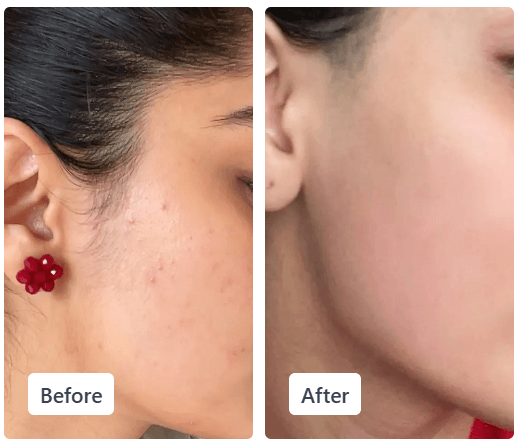
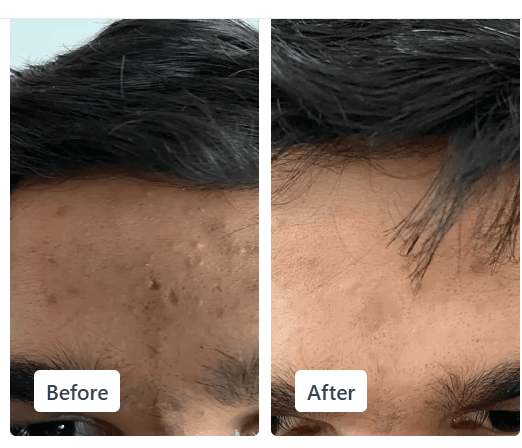
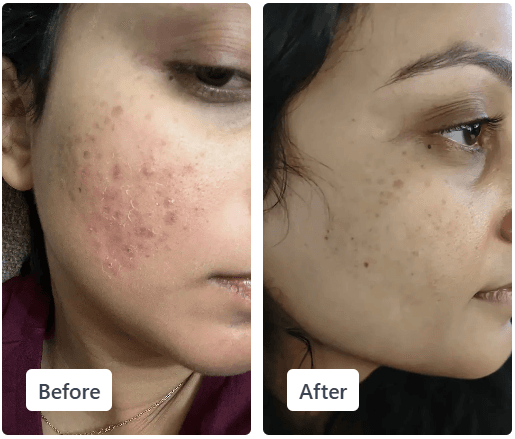
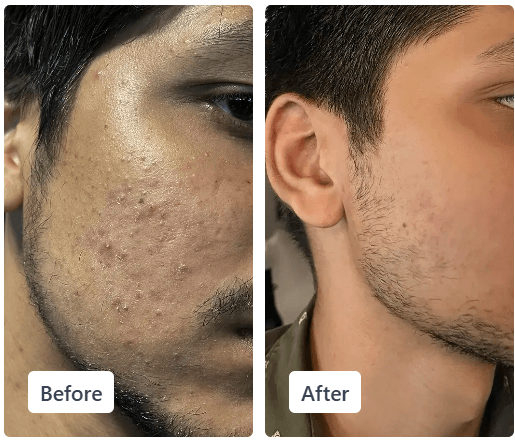
See real results, then start your own
Take the free Clear Ritual Skin Test and get a personalized routine built for your skin's unique patterns.
High-Glycemic Foods and Blood Sugar Spikes
Refined carbohydrates and sugary foods cause rapid increases in blood glucose. Your pancreas responds by releasing insulin to manage this spike. Elevated insulin triggers a cascade of hormonal responses, including increased production of androgens, hormones that stimulate sebaceous glands to produce more oil. This excess sebum combines with sticky skin cells inside pores, creating blockages that develop into pimples.
White bread, pastries, sugary cereals, candy, and soft drinks all fall into this category. Even foods marketed as healthy, like fruit juices or low-fat flavored yogurts, often contain concentrated sugars that affect your blood glucose similarly. The body doesn't distinguish between "natural" and refined sugars when it comes to insulin response, it reacts to the quantity and speed of absorption.
Research has shown that populations consuming traditional low-glycemic diets have significantly lower acne rates than those eating Western diets heavy in refined carbohydrates. When study participants switched to low-glycemic eating patterns, many experienced noticeable improvements in breakout frequency and severity within weeks.
Dairy Products and Hormonal Influence
Milk, cheese, yogurt, and other dairy products contain naturally occurring hormones from the animals they come from. Even organic dairy includes these compounds. When consumed, they can influence your body's hormonal balance, particularly androgens. Additionally, dairy consumption triggers insulin-like growth factor 1 (IGF-1), which stimulates oil glands and promotes skin cell production inside pores.
Whey and casein, the proteins in dairy, appear particularly problematic for acne-prone skin. Whey protein supplements, popular among athletes, concentrate these proteins and may worsen breakouts more than whole milk. Skim milk shows stronger associations with acne than whole milk in studies, possibly because removing fat alters the hormone ratios or because people consume larger quantities when they perceive it as healthier.
Not everyone reacts to dairy the same way. Some people notice immediate connections between consuming milk products and developing new pimples, while others see no effect. The response depends on individual hormone sensitivity, gut microbiome composition, and existing sebaceous gland activity.
See real results, then start your own
Take the free Clear Ritual Skin Test and get a personalized routine built for your skin's unique patterns.
Inflammatory Oils and Processed Foods
Vegetable oils high in omega-6 fatty acids create inflammatory conditions throughout the body when consumed in excess. Soybean oil, corn oil, and sunflower oil dominate processed foods, creating imbalanced ratios between omega-6 and omega-3 fatty acids. This imbalance promotes inflammatory pathways that affect skin health, making existing breakouts redder, more swollen, and slower to heal.
Deep-fried foods absorb these oils while also containing advanced glycation end products (AGEs) created when foods cook at high temperatures. AGEs promote oxidative stress and inflammation, both of which worsen acne. French fries, fried chicken, doughnuts, and chips deliver concentrated doses of these problematic compounds directly into your system.
Processed snacks also contain emulsifiers, preservatives, and artificial ingredients that some research suggests may disrupt gut bacteria balance. Your intestinal microbiome influences skin health through the gut-skin axis, a communication pathway between digestive bacteria and skin immunity. When gut bacteria populations shift unfavorably, skin inflammation often increases.
Chocolate and Cocoa Products
The relationship between chocolate and acne remains complex and individual. Pure cocoa itself contains antioxidants that reduce inflammation. However, most chocolate products combine cocoa with sugar and milk, two ingredients independently associated with breakouts. When researchers test pure cocoa powder versus milk chocolate bars, they find different results, suggesting the added ingredients matter more than the cocoa.
Some studies indicate that chocolate consumption increases inflammatory responses in acne-prone individuals specifically, while having minimal effect on those without existing breakout tendencies. This suggests genetic or physiological differences in how certain people process chocolate compounds. The sugar content causes insulin spikes, the milk adds hormonal influences, and the combination may overwhelm skin that's already producing excess oil or dealing with inflammation.
Dark chocolate with minimal added sugar and no dairy may affect skin differently than milk chocolate. However, individual testing remains the only reliable way to determine personal tolerance.
Foods That Support Clearer Skin
While identifying trigger foods matters, understanding what supports skin health completes the picture. Low-glycemic carbohydrates like quinoa, sweet potatoes, and legumes provide steady energy without spiking insulin. These foods release glucose slowly, preventing the hormonal cascade that increases oil production.
Omega-3 fatty acids from fatty fish, walnuts, and flaxseeds reduce inflammatory markers throughout the body, including the skin. These healthy fats help balance the excess omega-6 consumed in typical diets. Antioxidant-rich vegetables, particularly leafy greens, bell peppers, and cruciferous vegetables, provide compounds that neutralize oxidative stress affecting skin cells.
Probiotic foods like sauerkraut, kimchi, and unsweetened kefir support healthy gut bacteria populations. A balanced microbiome reduces systemic inflammation and supports immune function, both of which influence how your skin responds to other triggers. Zinc-rich foods including pumpkin seeds, chickpeas, and oysters support skin healing and may help regulate oil production.
| Food Category | Examples | Skin Impact |
|---|---|---|
| Low-Glycemic Carbs | Sweet potatoes, quinoa, legumes | Stable blood sugar, reduced insulin spikes |
| Omega-3 Sources | Salmon, sardines, walnuts, flaxseed | Anti-inflammatory, balances oil composition |
| Probiotic Foods | Sauerkraut, kimchi, unsweetened kefir | Supports gut health, reduces systemic inflammation |
| Antioxidant Vegetables | Spinach, kale, bell peppers, broccoli | Neutralizes oxidative stress, supports healing |
| Zinc-Rich Foods | Pumpkin seeds, chickpeas, oysters | Supports skin repair, may regulate sebum |
Identifying Your Personal Triggers
Generic food lists provide starting points, but individual responses vary significantly. Keeping a detailed food and skin journal helps identify personal patterns. Record everything you eat for three to four weeks while tracking when new pimples appear and where they develop on your face. Remember that breakouts typically appear two to four days after consuming trigger foods, not immediately.
Elimination testing provides clearer answers than simply tracking. Remove suspected trigger foods completely for three weeks, long enough for existing breakouts to heal and for your skin to stabilize. Then reintroduce one food at a time, waiting five to seven days between additions to observe responses. This systematic approach reveals which foods genuinely affect your skin versus coincidental timing.
Pay attention to quantity as well. Some people tolerate small amounts of dairy or sugar without problems but break out when consumption increases. Others find that certain food combinations trigger breakouts even when individual foods seem fine alone. Stress, sleep quality, and hormonal cycle phase also influence how your skin responds to dietary triggers, adding complexity to the pattern recognition process.
Beyond Single Foods: Dietary Patterns Matter
Focusing on isolated "bad" foods misses the bigger picture of overall dietary patterns. A diet consistently high in refined carbohydrates, processed foods, and inflammatory oils creates chronic conditions that keep skin in a reactive state. Single servings of trigger foods cause less disruption when your baseline diet supports skin health than when they're added to an already inflammatory eating pattern.
Mediterranean-style eating patterns [emphasizing vegetables, olive oil, fish, nuts, and whole grains] show consistent associations with better skin health in research. These diets naturally limit high-glycemic foods and provide abundant anti-inflammatory compounds and antioxidants. The combination creates an internal environment that doesn't amplify minor triggers.
Hydration status affects how your body processes foods and eliminates waste products. When dehydrated, toxins concentrate, inflammatory markers increase, and skin barrier function weakens. Adequate water intake helps kidneys and liver process dietary compounds efficiently, reducing the burden on skin as an elimination organ.
Stress, Sleep, and Food Interactions
Stress hormones like cortisol directly stimulate oil production while also altering food cravings toward high-sugar, high-fat comfort foods. This creates a cycle where stress triggers both physiological changes in skin and dietary choices that worsen breakouts. Additionally, cortisol increases insulin resistance, making blood sugar spikes from dietary triggers more pronounced.
Sleep deprivation disrupts hunger hormones, increasing appetite and cravings for quick-energy foods, precisely the high-glycemic options that trigger breakouts. Poor sleep also impairs skin barrier repair, which normally happens during deep sleep phases. When barriers stay compromised, skin becomes more reactive to all triggers, including dietary ones.
The combination of stress, inadequate sleep, and inflammatory foods creates conditions where skin cannot maintain stability. Breaking this cycle requires addressing multiple factors simultaneously rather than focusing solely on diet.
When to Seek Professional Guidance
If eliminating common trigger foods for several weeks produces no improvement, or if breakouts continue worsening despite dietary changes, professional evaluation becomes important. Persistent acne may involve factors beyond diet, hormonal imbalances, medication side effects, underlying health conditions, or genetic predispositions that require different approaches.
A dermatologist can assess whether your breakouts stem primarily from dietary triggers or other causes. They distinguish between different acne types, which respond to various interventions. Sometimes what appears as diet-related acne actually involves rosacea, perioral dermatitis, or fungal conditions that require specific treatments rather than dietary modification.
Registered dietitians specializing in skin health provide personalized guidance beyond generic elimination lists. They ensure nutritional adequacy while identifying triggers, particularly important for people with multiple food sensitivities or restricted diets. Working with professionals prevents nutritional deficiencies that can develop from overly restrictive eating.
How Clear Ritual Supports Personalized Skincare Decisions
Pimples and breakouts develop from multiple interconnected factors, hormonal fluctuations, oil production rates, inflammation levels, skin barrier integrity, stress responses, sleep quality, gut microbiome balance, and genetic predispositions all contribute. While eliminating trigger foods often improves symptoms, this approach manages surface expressions without necessarily addressing underlying causes. Two people eating identical diets may experience completely different skin responses because their internal environments differ.
We combine the best of three worlds [Ayurveda, modern dermatology, and advanced skin science] to understand individual triggers through a structured skin test. This approach recognizes that successful long-term management requires identifying your specific combination of triggers rather than following generic recommendations. Understanding what drives your particular skin patterns [whether primarily dietary, hormonal, stress-related, or multifactorial] helps create targeted strategies that address root causes rather than just managing symptoms.
See real results, then start your own
Take the free Clear Ritual Skin Test and get a personalized routine built for your skin's unique patterns.
Conclusion
Diet doesn't directly cause pimples, but high-glycemic foods, dairy, inflammatory oils, and certain chocolate combinations can trigger hormonal and inflammatory responses that worsen breakouts. Because individual responses vary, tracking a food and skin journal or using elimination testing helps identify your personal triggers. Supporting your skin with low-glycemic carbohydrates, omega-3s, probiotics, and antioxidant-rich foods, alongside good sleep and stress management, creates an internal environment less prone to breakouts. If dietary changes don't improve persistent acne, consulting a dermatologist or registered dietitian can help identify other underlying causes.
Frequently Asked Questions
Does eating greasy food cause oily skin and pimples?
Eating fatty foods doesn't directly make your skin produce more oil. However, foods fried in inflammatory oils can increase systemic inflammation that worsens existing breakouts. Y
Editorial Standards
Clear Ritual has Strict sourcing guidelines to ensure our content is accurate and current. We rely on peer-reviewed studies, academic research institutions, and medical associations. We strive to use primary sources and refrain from using tertiary references. See a mistake? Learn More about our Editorial Standards.
Related Articles
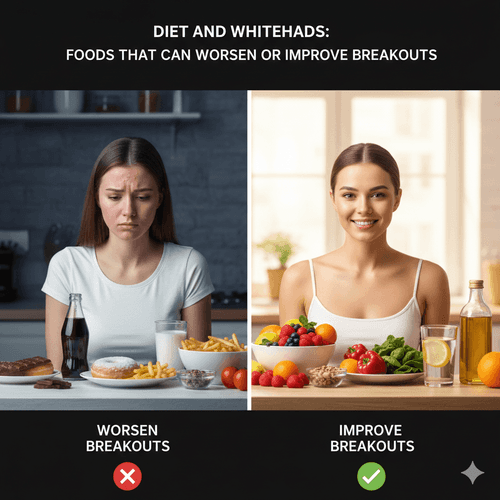
Diet and Whiteheads: Foods That Can Worsen or Improve Breakouts
Published 21 July 2026
Post-Workout Skincare: How to Prevent Blackheads After Exercise
Published 22 July 2026
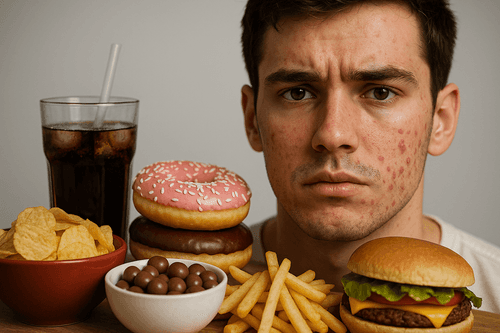
Acne and Diet: What’s the Real Link Between Food and Breakouts?
Published 21 July 2026
Niacinamide for Pimples: Benefits & Usage
Published 21 July 2026