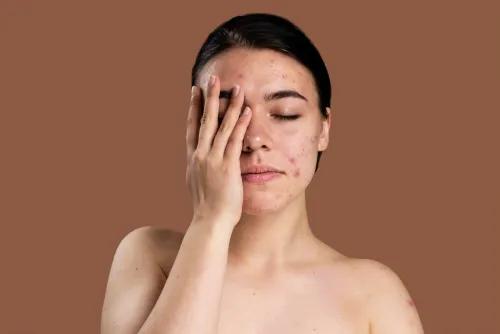
Diet and Whiteheads: Foods That Can Worsen or Improve Breakouts
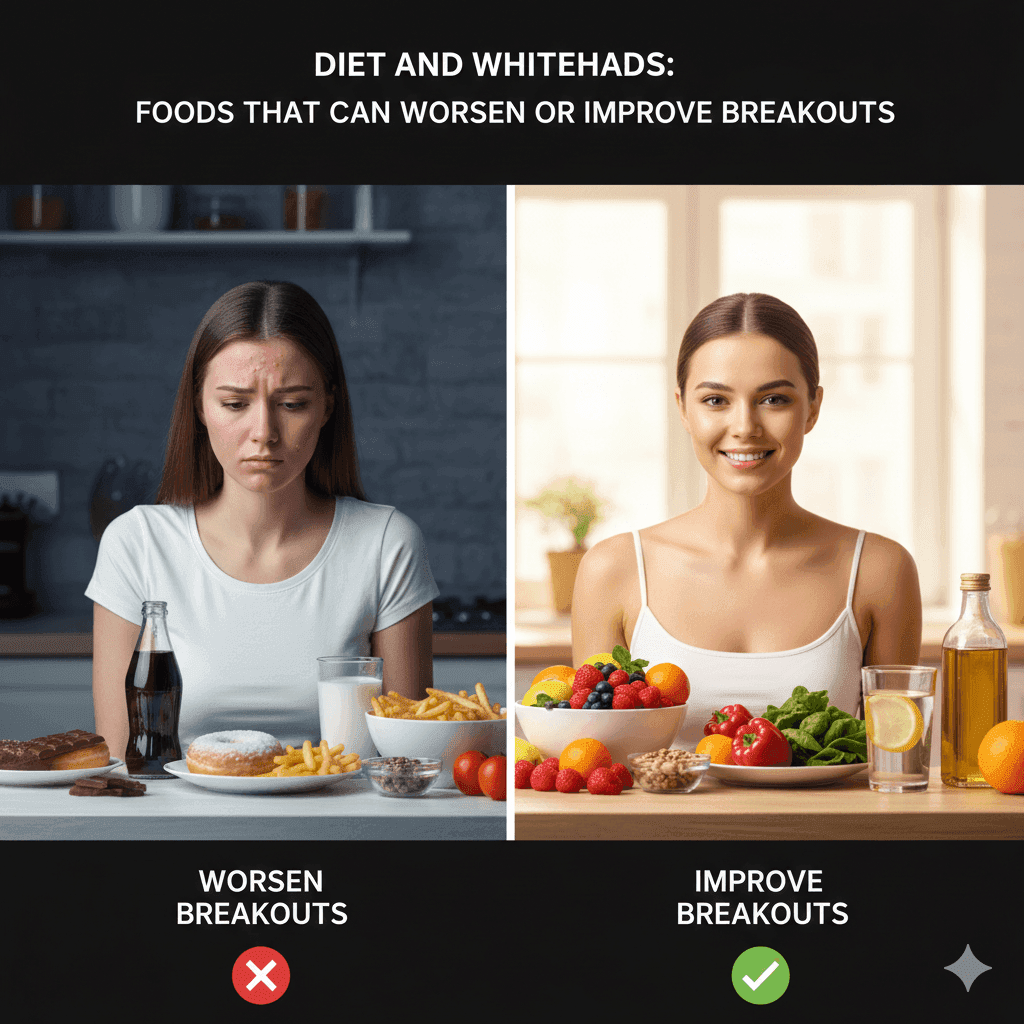
Diet doesn't cause whiteheads directly, but it influences the oil production, hormones, and inflammation that make pores more prone to clogging. High-glycaemic foods, excess dairy (for some people), and processed or fried foods can worsen breakouts, while low-glycaemic whole foods, adequate protein, omega-3s, fibre, and hydration support clearer skin. Changes typically take 4 to 8 weeks to show, and diet works best as a supportive tool alongside skincare, not a standalone fix for hormonal or genetic causes.
- May worsen breakouts: sugary/refined carbs, excess dairy, processed and fried foods
- May support clearer skin: low-glycaemic whole foods, protein, omega-3s, fibre, hydration
Can diet really affect whiteheads?
Whiteheads are closed comedones, formed when oil and dead skin cells clog pores. Diet influences this process indirectly by affecting:
- Hormone levels (especially insulin and androgens)
- Oil (sebum) production
- Inflammation and skin repair
Not everyone reacts to the same foods, but consistent dietary patterns can shift how the skin behaves.
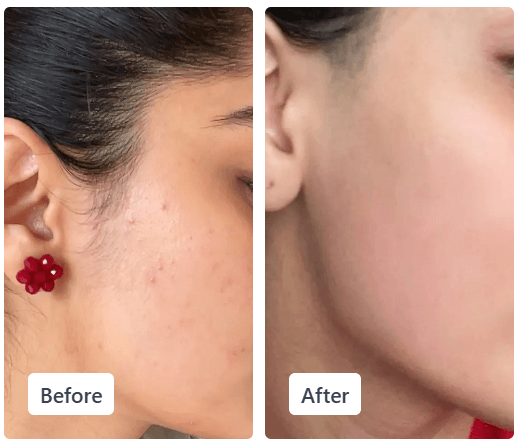
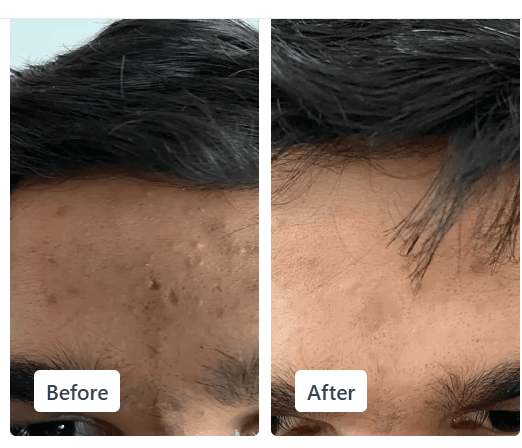
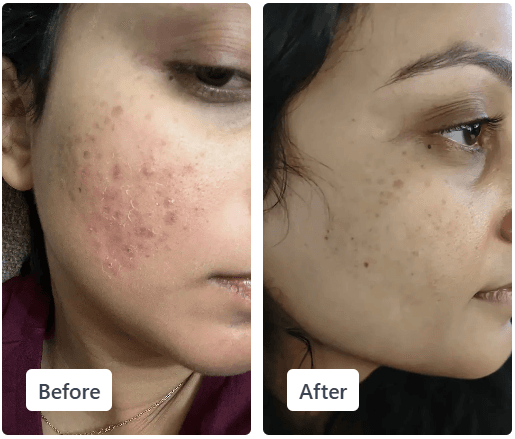
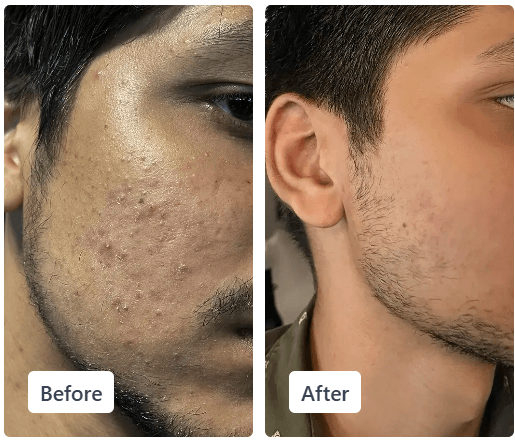
See real results, then start your own
Take the free Clear Ritual Skin Test and get a personalized routine built for your skin's unique patterns.
Foods that may worsen whiteheads
1. High-glycaemic foods (sugary and refined carbs)
Foods that rapidly spike blood sugar can increase insulin levels. High insulin stimulates oil glands and slows pore clearing.
Common examples include:
- Sweets, pastries, and desserts
- White bread and refined flour products
- Sugary drinks and packaged juices
Frequent intake may increase oiliness and congestion in acne-prone skin.
2. Excess dairy (for some people)
Dairy affects hormones differently in different individuals. For some, especially those with hormonal acne patterns, dairy may worsen whiteheads.
- Milk (especially skim milk)
- Ice cream
- Frequent whey-based products
This does not mean everyone must avoid dairy, responses are individual.
3. Highly processed and fast foods
Ultra-processed foods often combine sugar, unhealthy fats, and additives.
These foods may:
- Increase inflammation
- Disrupt gut health
- Indirectly affect skin barrier function
Over time, this environment can worsen whitehead formation.
4. Frequent fried or greasy foods
While dietary oil doesn't directly turn into skin oil, diets consistently high in unhealthy fats may influence inflammation and oil regulation in some people.
Foods that may support clearer skin
1. Low-glycaemic, whole foods
Foods that keep blood sugar stable may help regulate oil production.
- Whole grains
- Vegetables
- Fruits eaten in moderation
2. Adequate protein intake
Protein supports skin repair and normal cell turnover.
- Dal, beans, and lentils
- Eggs
- Nuts and seeds
Balanced meals help stabilise hormones throughout the day.
3. Omega-3-rich foods
Omega-3 fats are known to support anti-inflammatory pathways.
- Flaxseeds
- Walnuts
- Fatty fish (where culturally appropriate)
Reduced inflammation supports healthier pore function.
4. Fibre-rich foods
Fibre supports gut health and helps regulate blood sugar.
- Vegetables
- Fruits
- Whole grains and legumes
A healthy gut-skin connection may reduce recurring congestion.
5. Hydration
Drinking enough water supports overall skin function and helps maintain a healthy skin barrier.
Hydration won't clear whiteheads alone, but dehydrated skin often clogs more easily.
See real results, then start your own
Take the free Clear Ritual Skin Test and get a personalized routine built for your skin's unique patterns.
Why extreme dietary restrictions don't help
Completely cutting out major food groups can:
- Increase stress
- Disrupt hormonal balance
- Worsen skin indirectly
Sustainable, balanced eating is far more effective than strict elimination diets.
How long does diet take to affect whiteheads?
Dietary changes influence skin gradually. Most people notice changes in 4-8 weeks, not days.
Consistency matters more than perfection.
When diet changes aren't enough
Diet alone cannot treat whiteheads caused by:
- Strong hormonal imbalances
- Barrier damage from skincare
- Genetic oil overproduction
In these cases, diet works best as a supportive tool, not a standalone solution.
How Clear Ritual Supports Personalized Skincare Decisions
Clear Ritual understands that whiteheads are more than a surface issue. They are shaped by genetics, skin renewal cycles, environmental factors, and the products you use, as well as everyday dietary habits.
Because whiteheads form when oil and dead skin cells clog pores, and diet can influence the hormone levels, oil production, and inflammation behind this process, generic solutions rarely bring lasting improvement. Clear Ritual combines traditional wisdom and modern science to address the underlying causes of whiteheads.
The Clear Ritual Skin Test analyses your skin's unique patterns and daily influences, including diet, to help identify the best routine for supporting healthy skin and reducing whitehead recurrence.
See real results, then start your own
Take the free Clear Ritual Skin Test and get a personalized routine built for your skin's unique patterns.
Conclusion
Diet doesn't directly cause whiteheads, but it can influence oil production, hormones, and inflammation. Reducing high-sugar, highly processed foods while focusing on balanced, whole meals supports clearer skin over time. The goal isn't restriction, it's creating an internal environment where pores are less likely to clog.
Frequently Asked Questions
Can diet really cause whiteheads?
Diet doesn't directly cause whiteheads, but it influences hormone levels, oil production, and inflammation, which can make pores more likely to clog.
Which foods tend to worsen whiteheads?
High-glycaemic foods like sweets and refined carbs, excess dairy for some people, highly processed and fast foods, and frequent fried or greasy foods can worsen whiteheads.
Is dairy always bad for whiteheads?
No. Dairy affects hormones differently in different people. It may worsen whiteheads for some, especially those with hormonal acne patterns, but this does not mean everyone must avoid dairy.
Which foods may support clearer skin?
Low-glycaemic whole foods, adequate protein, omega-3-rich foods, fibre-rich foods, and staying hydrated may all support clearer skin.
How long does it take for diet changes to affect whiteheads?
Most people notice changes in 4-8 weeks, not days. Consistency matters more than perfection.
Can diet alone treat whiteheads?
Not always. Diet alone cannot treat whiteheads caused by strong hormonal imbalances, barrier damage from skincare, or genetic oil overproduction. In these cases, diet works best as a supportive tool, not a standalone solution.
Editorial Standards
Clear Ritual has Strict sourcing guidelines to ensure our content is accurate and current. We rely on peer-reviewed studies, academic research institutions, and medical associations. We strive to use primary sources and refrain from using tertiary references. See a mistake? Learn More about our Editorial Standards.
Related Articles
Post-Workout Skincare: How to Prevent Blackheads After Exercise
Published 22 July 2026
Acne and Diet: What’s the Real Link Between Food and Breakouts?
Published 21 July 2026
Niacinamide for Pimples: Benefits & Usage
Published 21 July 2026
Does Vitamin C Serum Cause Acne? What the Science Says
Published 21 July 2026