Sweat, Pollution & Whiteheads: Why Your Environment Matters
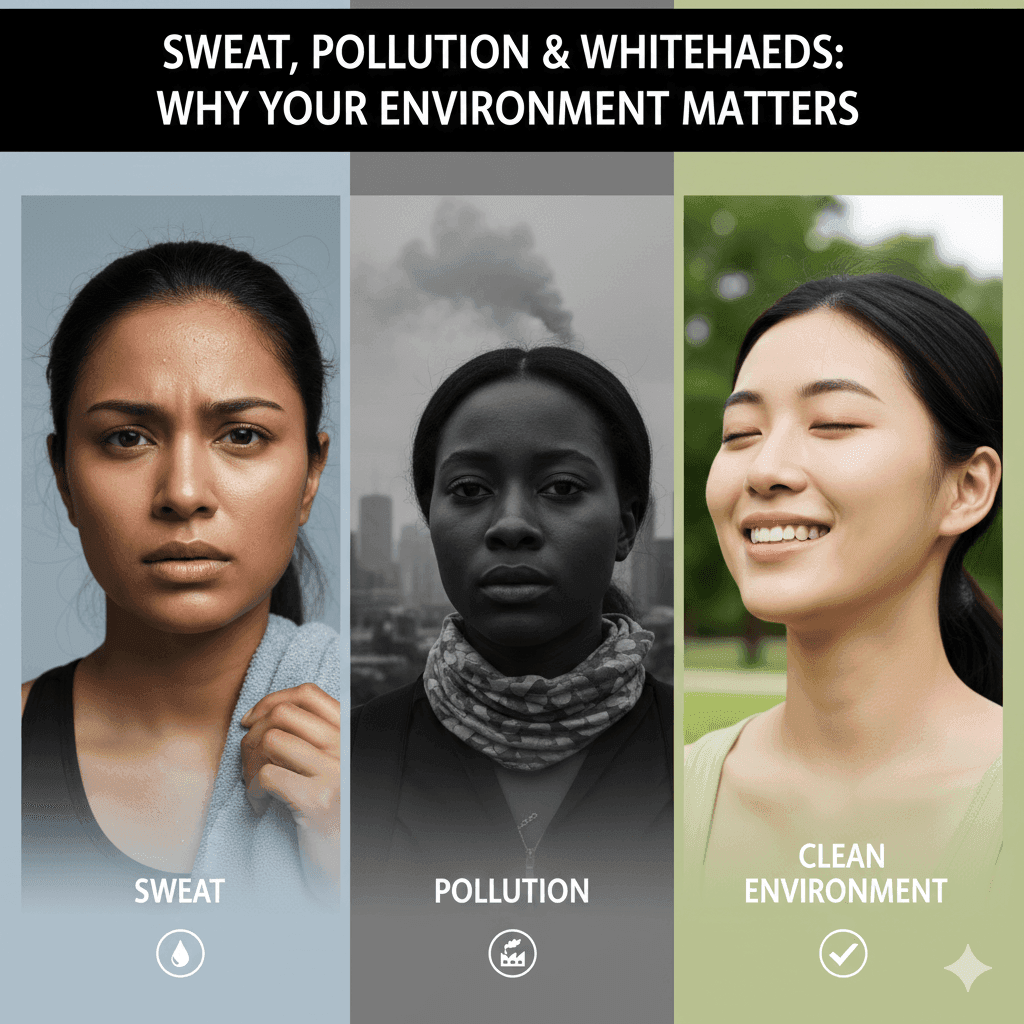
Sweat, humidity, and pollution do not directly create whiteheads, but they make pores easier to clog by combining with oil, dead skin, and environmental debris. Hot, polluted conditions can also weaken the skin barrier and increase congestion, especially on the forehead, nose, and chin. Gentle cleansing after heavy sweating, lightweight moisturiser, sunscreen, and avoiding harsh scrubbing help the skin cope. Improvement may take 3-6 weeks of consistent care.
If whiteheads seem to worsen during hot weather, after outdoor travel,
or when you're exposed to city pollution, it's not a coincidence.
Your environment plays a major role in how easily pores clog,even when your skincare routine stays the same.
Sweat, humidity, dust, and pollution don't directly cause whiteheads,
but they create conditions where pores are more likely to block.
Understanding this connection helps you adjust care without overdoing it.
How the environment affects whitehead formation
Whiteheads are closed comedones.
They form when oil and dead skin cells become trapped inside pores.
Environmental factors influence this process by:
- Increasing oil and sweat on the skin
- Adding external debris to pores
- Weakening the skin barrier over time
When these factors combine, pores clog more easily,especially in hot, polluted climates.
Understand your skin patterns and receive a more personalised starting point.
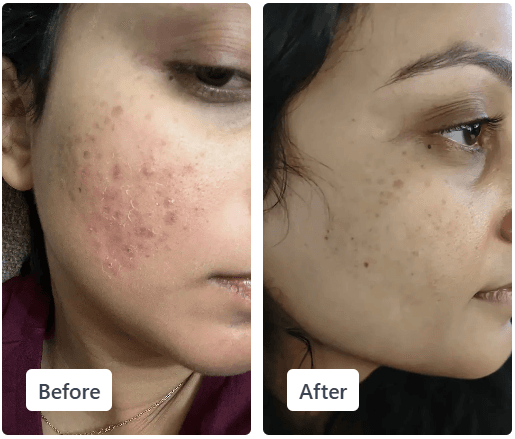
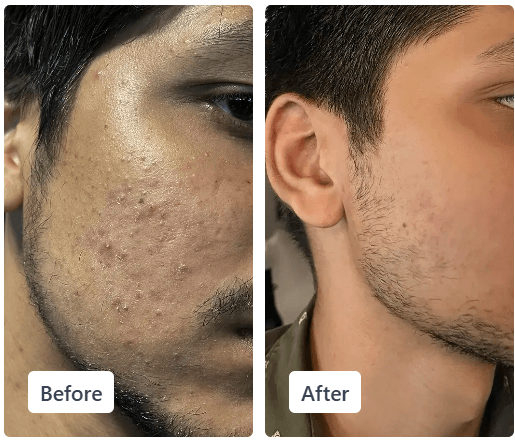
Sweat: Why it worsens whiteheads
Sweat itself doesn't clog pores, but it mixes with oil, bacteria, and dirt on the skin surface.
How sweat contributes to whiteheads
- Sweat sits on the skin and traps oil
- Evaporation leaves residue behind
- Occluded pores clog more easily
This is why whiteheads often worsen after workouts, outdoor work,
or prolonged mask use.
Humidity: The silent trigger
High humidity slows sweat evaporation.
This keeps the skin damp for longer periods.
In humid environments:
- Oil feels heavier on the skin
- Pores stay occluded longer
- Whiteheads form more easily
This is especially noticeable on the forehead, nose, and chin.
Understand your skin patterns and receive a more personalised starting point.
Pollution: How city air clogs pores
Air pollution contains fine particles that settle on the skin throughout the day.
These particles:
- Mix with oil and sweat
- Settle into pores
- Increase oxidative stress on the skin
Over time, pollution can weaken the skin barrier,
making it harder for pores to clear themselves naturally.
Why whiteheads worsen in urban environments
In cities, multiple environmental stressors overlap:
- Heat
- Humidity
- Traffic pollution
- Frequent sweating
Together, they increase congestion even in people
who don't usually struggle with acne.
Common mistakes people make in polluted or sweaty conditions
- Over-washing the face multiple times a day
- Using harsh cleansers to "deep clean"
- Skipping moisturiser due to greasiness
- Scrubbing to remove pollution
These habits damage the skin barrier,
which ironically makes whiteheads worse.
How to protect your skin from environmental triggers
1. Cleanse gently but consistently
Cleanse twice daily to remove sweat, oil, and pollution
without stripping the skin.
2. Use lightweight moisturisers
Even in humid climates, moisturiser helps maintain barrier strength
and prevents oil rebound.
3. Don't delay cleansing after heavy sweating
After workouts or heavy sweating,
cleanse as soon as practical instead of letting residue sit on the skin.
4. Use daily sunscreen
Sunscreen helps protect against UV-induced barrier damage,
which worsens pollution-related skin stress.
5. Avoid touching the face frequently
Hands transfer dirt and pollutants directly into pores.
How long does it take to see improvement?
Once environmental exposure is managed,
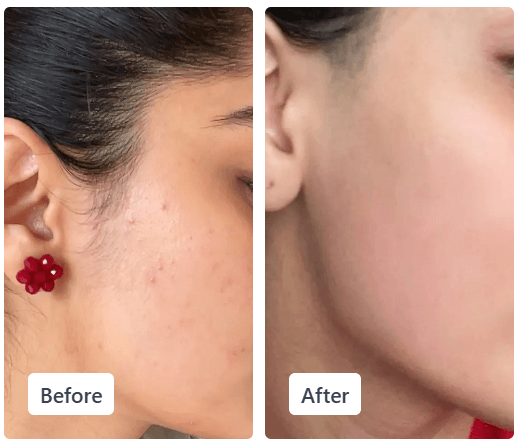
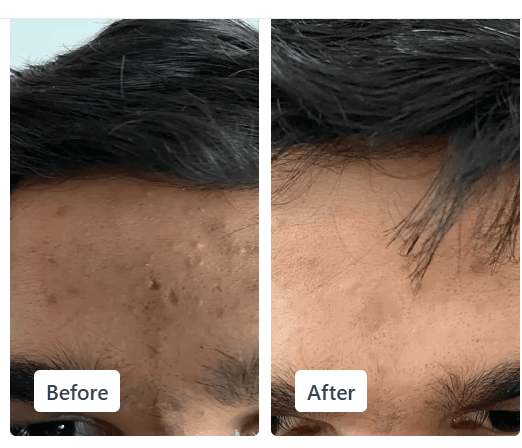
whiteheads often improve gradually over 3,6 weeks
with consistent, gentle care.
Improvement depends on reducing cumulative daily stress on the skin.
When environment isn't the only factor
If whiteheads persist despite environmental adjustments,
other triggers such as hormones, skincare habits, or diet may also be involved.
Whiteheads are usually multi-factorial.
How Clear Ritual Supports Personalized Skincare Decisions
Clear Ritual understands that environment-related whiteheads is more than a surface issue. Sweat, humidity, pollution, oil, debris, climate, and barrier stress can combine to make pores clog more easily.
Because environmental whiteheads form when oil, dead skin, sweat, and debris remain trapped in closed pores, generic deep-cleaning solutions rarely bring lasting improvement and may weaken the barrier further.
The Clear Ritual Skin Test analyses your skin's unique patterns, routine, lifestyle influences, and possible internal triggers to create a more personalised starting point instead of relying on generic trial-and-error.
Understand your skin patterns and receive a more personalised starting point.
Conclusion
Sweat, humidity, and pollution make congestion more likely by adding moisture, oil, and debris to an already vulnerable pore environment. Gentle cleansing, lightweight moisturising, sunscreen, and timely care after heavy sweating help without damaging the barrier. When environmental adjustments are consistent, improvement often develops gradually over 3-6 weeks.
Frequently Asked Questions
Does sweat directly cause whiteheads?
No. Sweat itself does not clog pores, but it can mix with oil, bacteria, dirt, and product residue, creating conditions where closed pores form more easily.
Why does humidity worsen whiteheads?
High humidity slows sweat evaporation and keeps the skin damp. Oil feels heavier, pores remain occluded for longer, and congestion becomes more likely.
How does pollution contribute to clogged pores?
Fine particles settle on the skin, mix with oil and sweat, enter pores, and increase oxidative stress, which can weaken the barrier over time.
Should I wash my face several times a day in polluted weather?
No. Over-washing and harsh cleansing can damage the barrier and worsen whiteheads. Cleanse gently twice daily and after heavy sweating when practical.
How long can environmental whiteheads take to improve?
Once exposure and daily habits are managed, the source suggests that whiteheads may improve gradually over 3-6 weeks with consistent, gentle care.
Editorial Standards
Clear Ritual has Strict sourcing guidelines to ensure our content is accurate and current. We rely on peer-reviewed studies, academic research institutions, and medical associations. We strive to use primary sources and refrain from using tertiary references. See a mistake? Learn More about our Editorial Standards.
Related Articles
How Hormones Trigger Whiteheads (Puberty, PCOS, Stress & Periods)
Published 22 July 2026

Whiteheads in Women: Hormonal Triggers, PCOS & Pregnancy
Published 22 July 2026

Do Sunscreens Cause Whiteheads? How to Choose the Right SPF
Published 15 October 2026
Why Whiteheads Keep Coming Back (And How to Stop Them)
Published 22 July 2026