How Hormones Trigger Whiteheads (Puberty, PCOS, Stress & Periods)

Hormones can trigger whiteheads by increasing oil production, changing skin-cell turnover, and weakening barrier recovery. Puberty, pre-period progesterone shifts, PCOS-related androgens, and stress-related cortisol can all make pores clog more easily. These breakouts may be cyclical or persistent even with a careful routine. Gentle cleansing, barrier support, controlled exfoliation, adequate sleep, and professional assessment for strong hormonal patterns can help manage them.
Whiteheads that keep returning,despite careful skincare,often have less to do with products
and more to do with what's happening inside the body.
Hormones play a powerful role in how much oil your skin produces,
how quickly dead skin cells shed, and how well pores stay clear.
This is why whiteheads frequently flare during puberty, around periods,
with ongoing stress, or in hormonal conditions like PCOS.
What whiteheads have to do with hormones
Whiteheads are closed comedones.
They form when oil (sebum) and dead skin cells become trapped in a pore that stays closed.
Hormones influence this process by:
- Stimulating oil glands
- Altering skin cell turnover
- Affecting skin barrier strength
When hormones are imbalanced or fluctuating, pores clog more easily,even with good skincare.
Understand your skin patterns and receive a more personalised starting point.
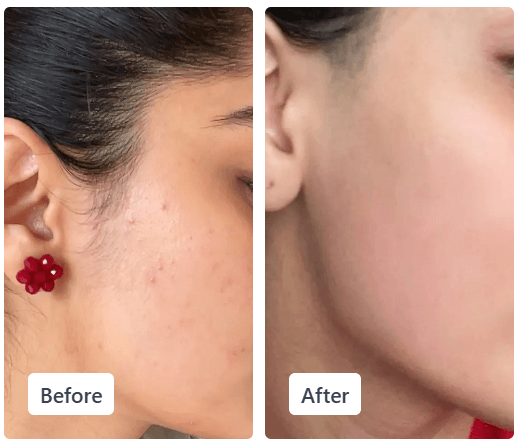
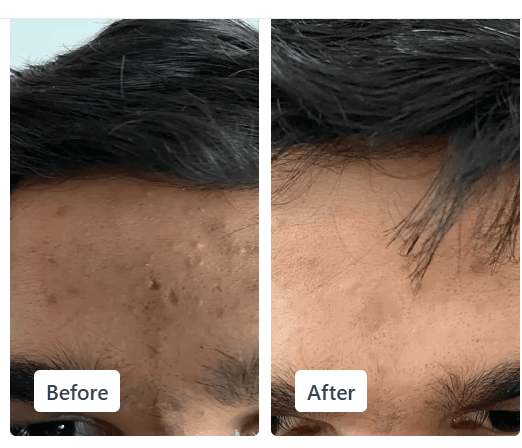
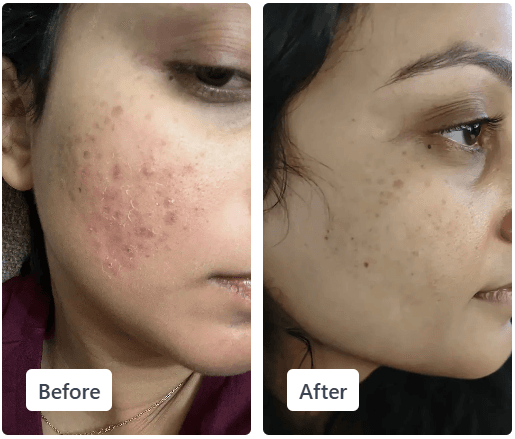
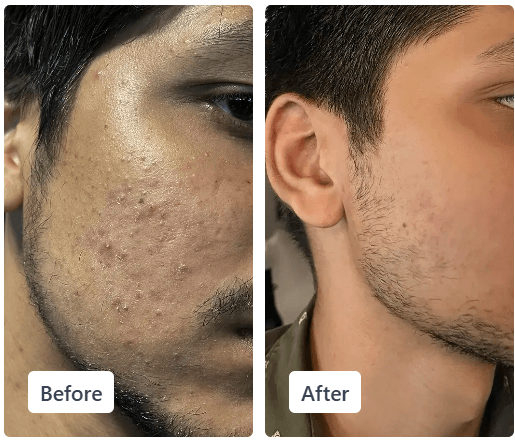
Puberty: Why whiteheads often start in the teenage years
During puberty, the body produces higher levels of androgens (male-type hormones).
These hormones strongly stimulate oil glands.
How puberty hormones trigger whiteheads
- Sudden increase in oil production
- Oil mixes with dead skin inside pores
- Pores clog before inflammation develops
Teen skin usually has a strong barrier, but excess oil makes whiteheads and blackheads common,
especially on the forehead, nose, and chin.
Periods: Cyclical whiteheads in women
Many women notice whiteheads appearing in the days leading up to their period.
This is linked to natural hormonal shifts during the menstrual cycle.
What happens before periods
- Progesterone levels rise
- Oil glands become more active
- Pores clog more easily
These whiteheads are often:
- Non-inflamed
- Clustered along the jawline or chin
- Temporary, settling after the cycle ends
Understand your skin patterns and receive a more personalised starting point.
PCOS: Persistent hormonal whiteheads
Polycystic Ovary Syndrome (PCOS) is associated with higher androgen levels in women.
Unlike cyclical breakouts, PCOS-related whiteheads are often persistent.
How PCOS affects the skin
- Chronically increased oil production
- Slower pore clearing
- Recurring congestion along the jawline and cheeks
Skincare can help manage surface congestion,
but underlying hormonal imbalance often plays a significant role.
Stress: The hidden hormonal trigger
Stress affects the skin more than many people realise.
When you're stressed, the body releases cortisol.
How stress hormones worsen whiteheads
- Cortisol increases oil production
- Skin barrier recovery slows down
- Inflammation increases subtly
Chronic stress often leads to:
- Persistent texture issues
- Whiteheads that don't respond to usual care
- Skin that feels both oily and irritated
Why hormonal whiteheads don't respond to harsh treatments
A common reaction to hormonal whiteheads is using strong acne treatments.
However, these often backfire.
Over-treatment can:
- Damage the skin barrier
- Trigger oil rebound
- Increase long-term congestion
Hormonal whiteheads respond better to balance than aggression.
What actually helps hormonally triggered whiteheads
- Consistent, gentle skincare routines
- Barrier-supportive moisturisation
- Controlled, infrequent exfoliation
- Stress management and adequate sleep
- Patience across hormonal cycles
Skincare works best when it supports the skin while hormones fluctuate,
rather than trying to overpower them.
When to seek medical advice
Consider professional guidance if:
- Whiteheads are severe or persistent
- Breakouts strongly follow hormonal patterns
- You suspect PCOS or other hormonal conditions
- Skin becomes increasingly sensitive
How Clear Ritual Supports Personalized Skincare Decisions
Clear Ritual understands that hormonally triggered whiteheads is more than a surface issue. Puberty, periods, PCOS, and stress can change oil production, pore behaviour, skin-cell turnover, and barrier recovery.
Because hormonally triggered whiteheads form when oil and dead skin become trapped in pores during these shifts, generic solutions rarely bring lasting improvement when the trigger and barrier condition are not considered together.
The Clear Ritual Skin Test analyses your skin's unique patterns, routine, lifestyle influences, and possible internal triggers to create a more personalised starting point instead of relying on generic trial-and-error.
Understand your skin patterns and receive a more personalised starting point.
Conclusion
Puberty, periods, PCOS, and stress can all influence oil production, pore behaviour, and skin recovery. Hormonal whiteheads respond better to steady, barrier-supportive care than to harsh attempts to dry the skin. Professional guidance can help when breakouts are persistent, severe, or strongly linked to a possible hormonal condition.
Frequently Asked Questions
How does puberty trigger whiteheads?
Higher androgen levels during puberty stimulate oil glands. The extra oil mixes with dead skin inside pores, creating whiteheads and blackheads, especially across the forehead, nose, and chin.
Why do whiteheads appear before periods?
Progesterone rises before a period, increasing oil activity and making pores easier to clog. The bumps are often non-inflamed and cluster around the chin or jawline.
Why are PCOS-related whiteheads more persistent?
Higher androgen activity can keep oil production elevated and slow pore clearing, so congestion may continue rather than following a short monthly cycle.
Can stress cause hormonal whiteheads?
Yes. Cortisol can increase oil production, slow barrier recovery, and add subtle inflammation, leading to persistent texture and congestion.
When should hormonal whiteheads be assessed professionally?
Consider medical guidance when whiteheads are severe, persistent, strongly patterned around hormones, or accompanied by signs of PCOS or increasing skin sensitivity.
Editorial Standards
Clear Ritual has Strict sourcing guidelines to ensure our content is accurate and current. We rely on peer-reviewed studies, academic research institutions, and medical associations. We strive to use primary sources and refrain from using tertiary references. See a mistake? Learn More about our Editorial Standards.
Related Articles
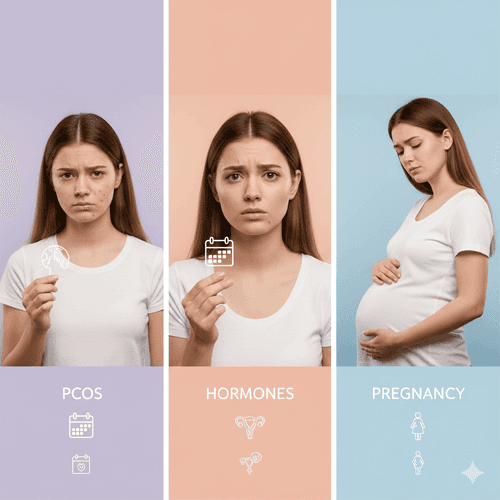
Whiteheads in Women: Hormonal Triggers, PCOS & Pregnancy
Published 22 July 2026
Do Sunscreens Cause Whiteheads? How to Choose the Right SPF
Published 15 October 2026
Why Whiteheads Keep Coming Back (And How to Stop Them)
Published 22 July 2026
Stress Acne is Real: Here’s What’s Happening Under Your Skin
Published 22 July 2026