Whiteheads in Women: Hormonal Triggers, PCOS & Pregnancy
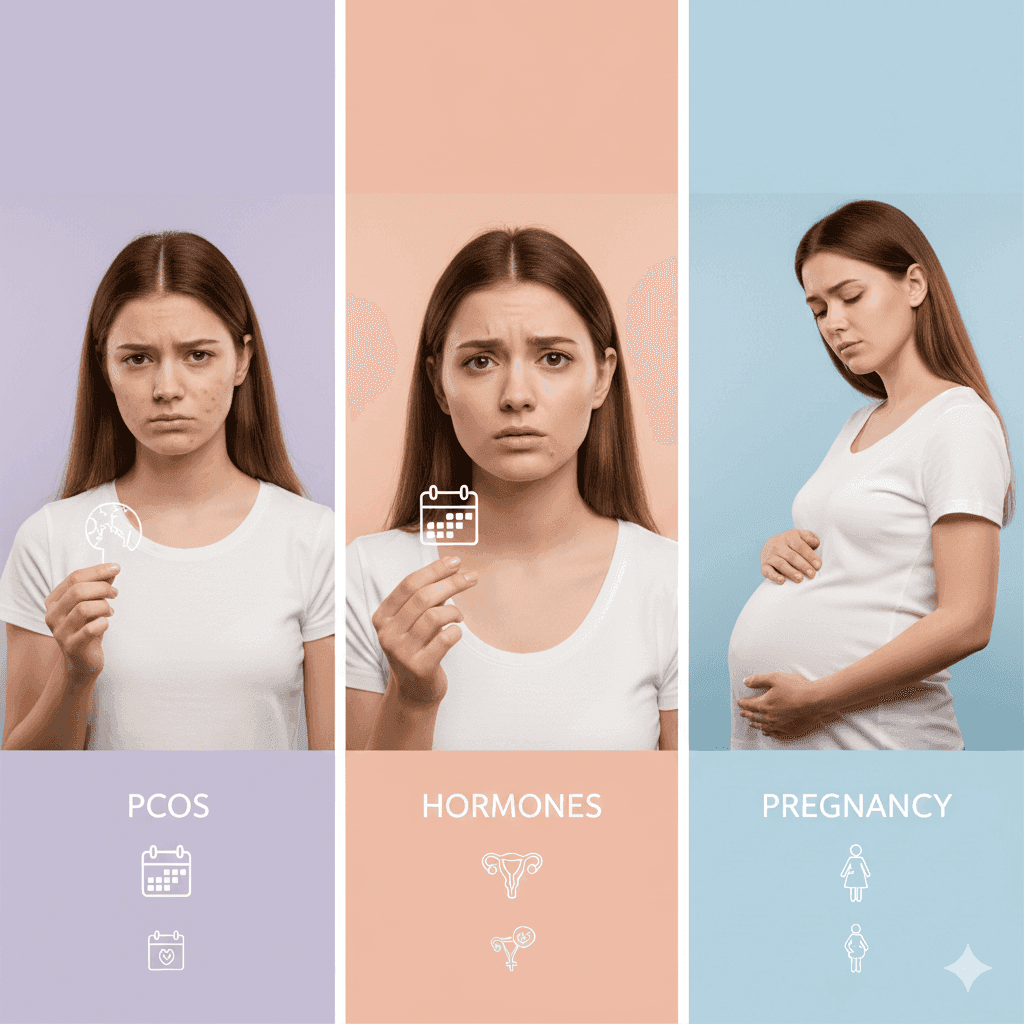
Whiteheads in women are often influenced by menstrual cycles, PCOS, pregnancy, stress, and other hormonal shifts that affect oil production and skin-cell turnover. They may appear cyclically around the jawline, chin, or cheeks, or remain persistent when androgen levels are higher. Aggressive acne products can damage the barrier and worsen congestion. Gentle, consistent skincare and medical guidance when symptoms suggest PCOS or pregnancy-related concerns are safer than repeatedly changing strong treatments.
Why whiteheads are common in women
Whiteheads are closed comedones.
They form when oil and dead skin cells become trapped in a pore that remains closed.
In women, this process is often influenced by:
- Monthly hormonal fluctuations
- Conditions like PCOS
- Pregnancy-related hormonal shifts
- Stress, sleep disruption, and lifestyle factors
This is why whiteheads in women often follow patterns rather than appearing randomly.
Understand your skin patterns and receive a more personalised starting point.
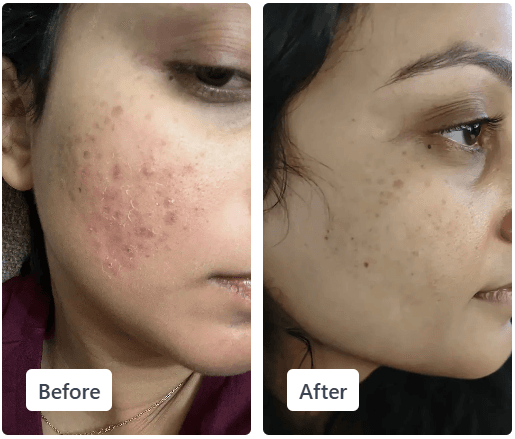
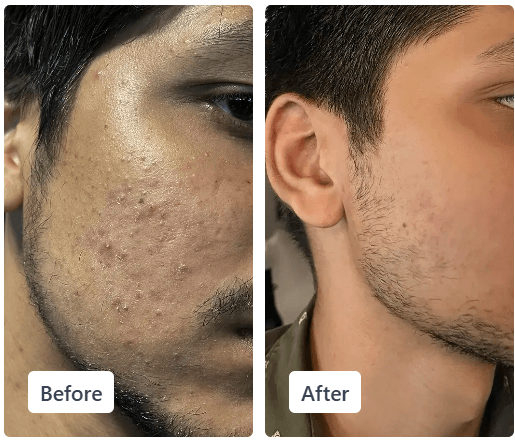
Hormonal triggers behind whiteheads in women
1. Menstrual cycle fluctuations
In the days leading up to a period, progesterone levels rise.
This hormone can stimulate oil glands and make pores more prone to clogging.
Common patterns include:
- Whiteheads appearing 7,10 days before periods
- Jawline, chin, and cheek congestion
- Texture changes without redness
These whiteheads often settle once hormone levels stabilise.
2. PCOS (Polycystic Ovary Syndrome)
PCOS is associated with higher androgen (male hormone) levels in women.
These androgens increase oil production and slow normal pore clearing.
Whiteheads linked to PCOS often:
- Are persistent rather than cyclical
- Appear along the jawline and lower cheeks
- Coexist with blackheads or inflamed acne
Skincare alone may help partially, but underlying hormonal balance often plays a role.
3. Pregnancy-related changes
Pregnancy causes major hormonal shifts that affect the skin differently for every woman.
During pregnancy:
- Some women experience increased oiliness
- Others develop congestion despite dry-feeling skin
- Whiteheads may appear suddenly or worsen temporarily
Treatment options are more limited during pregnancy,
making gentle, barrier-focused care especially important.
How whiteheads commonly appear in women
- Small, flesh-coloured or white bumps
- Clusters along the jawline and chin
- Texture changes rather than inflamed Pimples
- Recurring flares tied to hormonal cycles
Many women mistake these for allergic reactions or clogged "dry patches."
Understand your skin patterns and receive a more personalised starting point.
Why aggressive acne treatments often backfire
Many women try strong acne products to "dry out" whiteheads.
However, female skin is often more sensitive to barrier disruption.
Over-treatment can lead to:
- Increased dryness and irritation
- Oil rebound
- Slower healing
- More persistent whiteheads
Hormonal whiteheads respond better to balance than force.
Skincare tips for women with hormonal whiteheads
1. Prioritise barrier health
A healthy skin barrier helps pores function normally,
even when hormones fluctuate.
2. Use controlled exfoliation
Gentle chemical exfoliation can help prevent buildup,
but frequency should be limited to avoid irritation.
3. Choose lightweight, non-greasy textures
Heavy creams can worsen hormonal congestion,
especially around the jawline.
4. Be consistent across cycles
Changing routines every month often worsens whiteheads.
Consistency helps the skin adapt.
5. Support overall lifestyle balance
Sleep, stress management, and nutrition all influence hormonal skin patterns.
When to see a dermatologist or doctor
Professional guidance may help if:
- Whiteheads are severe or persistent
- They worsen significantly around periods
- You suspect PCOS or have irregular cycles
- Pregnancy-related breakouts feel unmanageable
Medical guidance can help address both skin and underlying triggers safely.
How Clear Ritual Supports Personalized Skincare Decisions
Clear Ritual understands that hormonal whiteheads in women is more than a surface issue. Menstrual cycles, PCOS, pregnancy, stress, oil production, cell turnover, and barrier health can shape how congestion appears.
Because hormonal whiteheads form when shifting hormones make oil and dead skin easier to trap inside closed pores, generic surface treatments rarely bring lasting improvement while the hormonal pattern remains active.
The Clear Ritual Skin Test analyses your skin's unique patterns, routine, lifestyle influences, and possible internal triggers to create a more personalised starting point instead of relying on generic trial-and-error.
Understand your skin patterns and receive a more personalised starting point.
Conclusion
Whiteheads in women often follow hormonal patterns linked to periods, PCOS, pregnancy, stress, and changing oil production. Gentle, barrier-supportive skincare and consistency across cycles are usually more helpful than aggressive treatments. Medical guidance is important when congestion is severe, persistent, pregnancy-related, or accompanied by signs of PCOS.
Frequently Asked Questions
Why do whiteheads appear before a period?
Progesterone rises before menstruation and can stimulate oil glands, making closed pores more likely. These whiteheads often appear 7-10 days before a period and settle as hormones stabilise.
How can PCOS contribute to whiteheads?
PCOS may raise androgen levels, increasing oil production and slowing normal pore clearing. Congestion may be persistent and commonly affects the jawline and lower cheeks.
Can pregnancy cause whiteheads?
Pregnancy-related hormonal shifts can alter oil production and skin sensitivity, causing new or worsening congestion. Treatment choices should be discussed with a doctor because some acne ingredients are not suitable during pregnancy.
Why do aggressive acne treatments often backfire in women?
Over-treatment can increase dryness, irritation, oil rebound, slower healing, and barrier disruption, making hormonally influenced whiteheads more persistent.
When should hormonal whiteheads be medically assessed?
Seek guidance when whiteheads are severe, persistent, strongly cycle-related, accompanied by irregular periods or possible PCOS, or difficult to manage during pregnancy.
Editorial Standards
Clear Ritual has Strict sourcing guidelines to ensure our content is accurate and current. We rely on peer-reviewed studies, academic research institutions, and medical associations. We strive to use primary sources and refrain from using tertiary references. See a mistake? Learn More about our Editorial Standards.
Related Articles
Do Sunscreens Cause Whiteheads? How to Choose the Right SPF
Published 15 October 2026
Why Whiteheads Keep Coming Back (And How to Stop Them)
Published 22 July 2026
Stress Acne is Real: Here’s What’s Happening Under Your Skin
Published 22 July 2026

What Your Jawline Breakouts Are Really Trying to Tell You
Published 22 July 2026