Stress Acne is Real: Here’s What’s Happening Under Your Skin

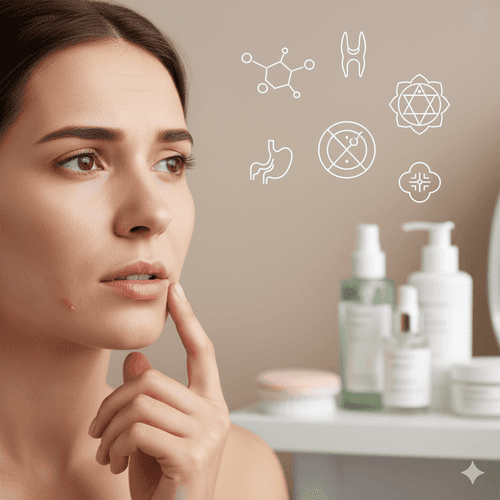
Stress acne is real. Cortisol can increase oil production, weaken skin repair, disturb the microbiome, and raise inflammation, making breakouts appear during or after stressful periods. Stress-related acne may affect the forehead, cheeks, or chin and can heal more slowly. Harsh, drying treatments often make stressed skin more reactive. Supporting sleep, stress regulation, gut health, gentle cleansing, moisturising, and consistent barrier care can help the skin recover.
Why Stress Shows Up on Your Skin
Your skin is your largest organ , and it's deeply connected to your nervous system. So when your body perceives a threat (even if it's just an upcoming deadline), it activates your fight-or-flight response. This leads to a hormonal cascade that directly impacts the skin.
Here's how the chain reaction works:
-
Stress → Cortisol spike
-
Cortisol → Oil glands go into overdrive
-
More sebum → Clogged pores
-
Clogged pores + inflammation → Acne
And that's just the tip of the iceberg.
Understand your skin patterns and receive a more personalised starting point.
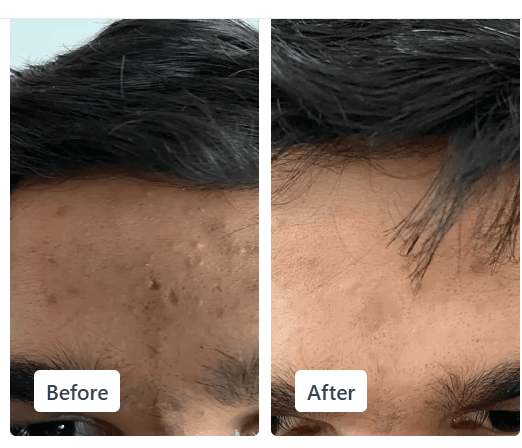
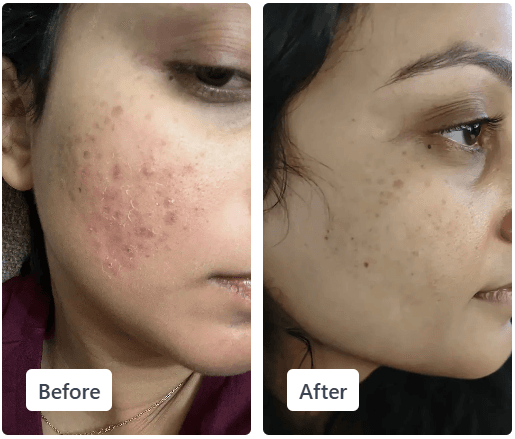
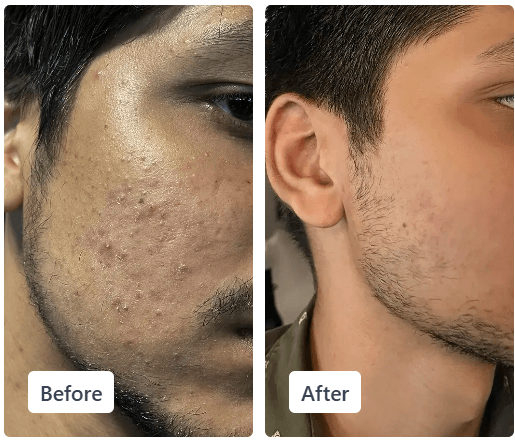
The Science: What Happens Underneath the Skin
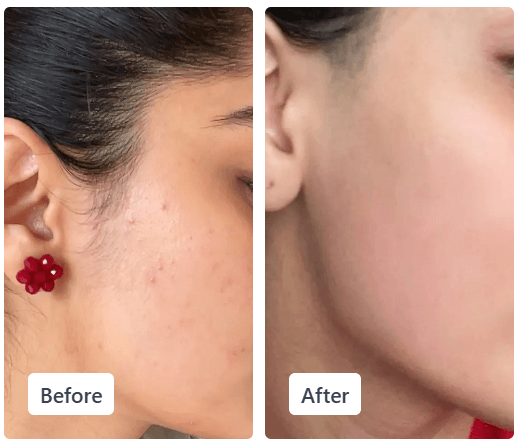
When you're under chronic or acute stress, your hypothalamus signals the adrenal glands to release cortisol, the primary stress hormone. Cortisol increases oil production by stimulating sebaceous glands. But it also weakens the skin's ability to fight bacteria and slows down wound healing , a double whammy for acne-prone skin.
On top of that:
-
Stress impacts the skin microbiome, allowing acne-causing bacteria like C. acnes to thrive.
-
Inflammatory cytokines increase, making breakouts more red and painful.
-
Sleep disturbances linked to stress further impair skin regeneration.
So if your skin seems duller, oilier, or more inflamed when life gets hectic , that's not a coincidence. It's biology.
How to Identify Stress Acne (vs. Hormonal or Diet-Related Breakouts)
| Feature | Stress Acne |
|---|---|
| Location | Forehead, cheeks, chin |
| Timing | Appears during or just after a stressful event |
| Type | Small papules or pustules, sometimes cystic |
| Other symptoms | Increased oiliness, dullness, flare-ups |
| Healing time | Slower due to impaired skin repair |
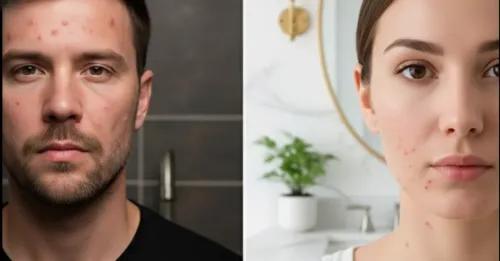
While stress acne may overlap with hormonal or diet-related breakouts, its timing and pattern often give it away.
Understand your skin patterns and receive a more personalised starting point.
Why Typical Acne Treatments Backfire Here
Most people treat acne as a skin-surface issue , throwing benzoyl peroxide, salicylic acid, or harsh exfoliants at the problem. But when the trigger is internal (stress), external aggression just makes things worse.
Over-treating stressed skin can:
-
Weaken the skin barrier further
-
Cause rebound oiliness
-
Increase redness and sensitivity
-
Lead to post-acne pigmentation or texture issues
Stress already puts the skin in a compromised state , harsh actives only push it closer to burnout.
How to Treat Stress Acne Without Hurting Your Skin
The goal is two-fold: reduce internal stress signals and support the skin's resilience.
Let's break it down.
1. Support the Nervous System Internally
You can't avoid stress, but you can buffer your body's response to it. Ayurveda offers a range of adaptogens that help regulate the HPA (hypothalamic-pituitary-adrenal) axis , your body's stress-response system.
| Adaptogen | How It Helps with Stress Acne |
|---|---|
| Ashwagandha | Lowers cortisol, improves sleep, calms inflammation |
| Brahmi (Gotu Kola) | Supports cognitive calm, improves skin healing |
| Tulsi | Natural anti-inflammatory and antimicrobial |
| Licorice Root | DHT blocker, reduces oil production |
Adding these to your routine , via teas, tonics, or supplements , can significantly reduce the internal triggers that lead to flare-ups.
2. Eat to Lower Inflammation, Not Control Oil
Stress increases cravings for high-sugar, high-fat comfort foods, which spike insulin and worsen inflammation.
Instead, go for foods that soothe both your gut and skin:
-
Warm, cooked meals with cooling herbs like coriander and mint
-
Omega-3 rich foods (flax, walnuts, fatty fish)
-
Magnesium-rich options like spinach, pumpkin seeds, bananas
-
Probiotic foods (curd, fermented kanji, kombucha)
Avoid caffeine overload and late-night snacks, which add to cortisol spikes and mess with sleep cycles , another acne accelerator.
3. Build a Barrier-Loving Skin Routine
The key to managing stress acne topically is calm > control. You're not fighting your skin; you're supporting it.
A sample routine:
| Step | Product | Role |
|---|---|---|
| Cleanser | Creamy or low-foam with oats, calendula, or green tea | Gently removes excess oil without disrupting pH |
| Toner/Mist | Rose water or aloe-based mist | Calms redness and hydrates |
| Treatment Serum | Niacinamide (5%) + Centella + Zinc PCA | Balances oil and reduces inflammation without irritation |
| Moisturiser | Lightweight, ceramide-rich | Repairs barrier and prevents TEWL |
| SPF (AM only) | Non-comedogenic physical sunscreen | Protects healing skin from UV damage |
Avoid during flare-ups:
-
Scrubs
-
Alcohol-based toners
-
Multiple actives in one routine (e.g., salicylic + glycolic + retinol)
You're trying to calm chaos, not add more.
4. Regulate Sleep and Cortisol
Sleep is when your skin repairs itself and cortisol resets. But chronic stress disrupts sleep cycles, creating a vicious loop.
Quick interventions:
-
Magnesium glycinate or ashwagandha supplements before bed
-
Digital detox 1 hour before sleep
-
Breathwork (Anulom Vilom) or 4-7-8 breathing pattern to reduce anxiety
-
Consistent wake time (even on weekends)
The skin benefits of deep, uninterrupted sleep are more powerful than any serum.
The Gut-Skin-Stress Connection
Emerging research shows that stress disrupts your gut microbiome, which can then impact your skin. An imbalanced gut increases systemic inflammation, impairs nutrient absorption (like zinc and B vitamins), and may trigger inflammatory conditions like acne or eczema.
To support your gut:
-
Eat slowly and mindfully
-
Include prebiotics like garlic, onion, and bananas
-
Add probiotics (curd, kanji, fermented foods)
-
Reduce unnecessary antibiotics or painkillers
If your digestion is off , gas, bloating, irregular bowels , your skin may not be getting the nutrients it needs to repair and regulate itself.
Why the Barrier Matters More Than Ever
In stressed skin, the barrier is already compromised. The lipid matrix that holds skin cells together gets disrupted by cortisol, making the skin:
-
More permeable to bacteria
-
More reactive to weather and products
-
Slower to heal
That's why your skin might suddenly react to a product you've used for months , it's not the product, it's the weakened barrier.
To protect your barrier:
-
Don't skip moisturiser , even for oily skin
-
Avoid over-cleansing (twice a day is enough)
-
Reapply sunscreen (especially if using actives)
-
Use short, lukewarm showers , not hot water
How Clear Ritual Supports Personalized Skincare Decisions
Clear Ritual understands that stress-related acne is more than a surface issue. Cortisol can affect oil production, inflammation, healing, the microbiome, sleep, digestion, and barrier strength.
At Clear Ritual, we don't treat your skin like it's the enemy. We know that stress acne is not about being "dirty" or "lazy" , it's about imbalance.
Our formulations are designed to:
-
Calm cortisol's impact on skin
-
Soothe inflammation without stripping
-
Strengthen the skin barrier over time
-
Include adaptogens that work internally too
From barrier-balancing serums to skin-soothing teas, our acne solutions treat stress like a root cause , not a side note.
The Clear Ritual Skin Test analyses your skin's unique patterns, routine, lifestyle influences, and possible internal triggers to create a more personalised starting point instead of relying on generic trial-and-error.
Understand your skin patterns and receive a more personalised starting point.
Conclusion
Stress acne can feel frustrating , especially when it shows up during the most important moments. But the key isn't to attack it with harsh products or hide it under layers. It's to listen.
Listen to what your skin is telling you about your stress levels. Support it from the inside. Be gentle on the outside. And stay consistent.
Because the truth is: your skin doesn't just mirror your hormones , it mirrors your life.
Explore Clear Ritual's anti-stress acne essentials , built to support your skin's calm, even when life isn't.
Frequently Asked Questions
How can I tell if acne is stress-related?
Stress acne often appears during or soon after a stressful event, commonly on the forehead, cheeks, or chin. Increased oiliness, dullness, slower healing, and a clear timing pattern can help distinguish it.
How does cortisol affect acne?
Cortisol can stimulate oil glands, increase inflammatory signals, weaken bacterial defence, slow wound healing, and disrupt the skin barrier, all of which can make breakouts more likely or harder to heal.
Why can strong acne treatments backfire during stress?
Stressed skin is often already inflamed and barrier-impaired. Drying cleansers, repeated exfoliation, or aggressive actives may add irritation and slow recovery.
What helps stress acne without stripping the skin?
Support sleep and stress regulation, eat regularly, care for gut health, cleanse gently, moisturise consistently, use sunscreen, and avoid over-treating active breakouts.
Can gut health influence stress acne?
Yes. Stress can disturb the gut microbiome, increase systemic inflammation, and affect nutrient absorption, which may reduce the skin's ability to repair and regulate itself.
Editorial Standards
Clear Ritual has Strict sourcing guidelines to ensure our content is accurate and current. We rely on peer-reviewed studies, academic research institutions, and medical associations. We strive to use primary sources and refrain from using tertiary references. See a mistake? Learn More about our Editorial Standards.