What’s Causing My Acne? A Root Cause Breakdown by Age Group
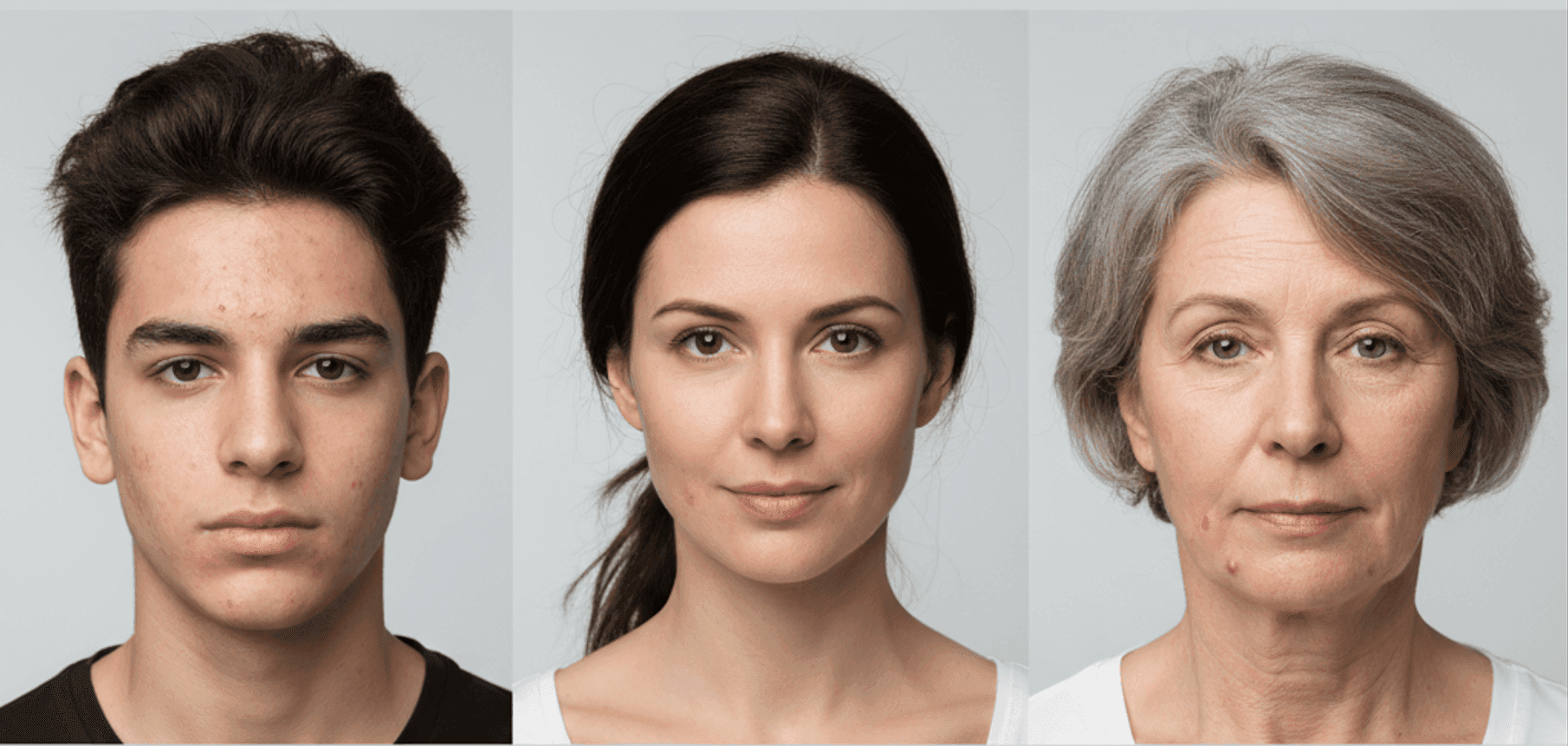
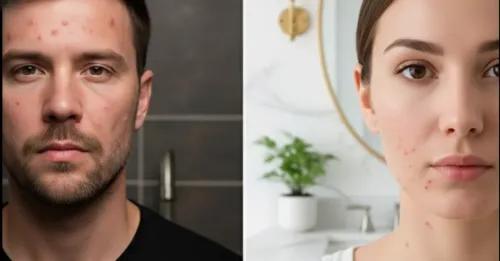
Acne triggers change with age. Teen acne is often driven by androgen surges and excess oil, while breakouts in the 20s and 30s may be linked to menstrual cycles, PCOS, stress, gut issues, or lifestyle changes. In the 40s and beyond, perimenopause, menopause, slower skin renewal, inflammation, and barrier changes become more relevant. The same-looking breakout may therefore need a different approach depending on life stage and root cause.
Age-Wise Breakdown of Acne Root Causes
Why segment by age?
Because each phase of life comes with its own set of hormonal shifts, lifestyle triggers, and organ-level vulnerabilities. Here's how acne behaves , and what drives it , across the decades:
Understand your skin patterns and receive a more personalised starting point.
Age Group 1: Teens (13,19 years)
Common Symptoms
-
Forehead and cheek breakouts
-
whiteheads and blackheads
-
Occasional cysts during periods (in girls)
-
Oily T-zone
Root Causes
| Root Cause | What's Happening |
|---|---|
| Hormonal Surge (androgens) | Oil glands go into overdrive |
| Poor diet | Chips, soft drinks, refined carbs = inflammation |
| Stress (exams, peer pressure) | Triggers cortisol spikes |
| Gut health issues | Constipation, acidity, low enzyme activity |
| Poor hygiene habits | Touching face, sleeping with makeup |
What to focus on:
-
Gentle cleansing (not scrubbing)
-
Anti-inflammatory foods
-
Digestive herbs: ajwain, saunf, daruharidra
-
Hormone-balancing herbs: shatavari, manjistha
-
Stress regulation: better sleep, less screen-time
At this stage, acne is common , but if treated early via the gut-hormone-skin route, it rarely turns chronic.
Age Group 2: Young Adults (20,29 years)
Common Symptoms
-
Chin and jawline acne
-
Hormonal breakouts around periods
-
Deep, painful cysts
-
Acne that flares before important events
Root Causes
| Root Cause | What's Happening |
|---|---|
| PCOS or mild hormonal imbalances | Irregular periods, Cystic Acne, hair thinning |
| High-stress lifestyles | Work deadlines + irregular meals = cortisol overload |
| Gut dysbiosis | Bloating, IBS-like symptoms, poor nutrient absorption |
| Liver stagnation | Poor detox → hormonal toxins remain in bloodstream |
What to focus on:
-
Liver cleansers: Daruharidra, Kutki
-
Hormone regulators: Lodhra, Shatavari
-
Blood purifiers: Neem, Manjistha
-
Improve digestion: Amla, Triphala
-
Cut down dairy, sugar, refined flour
This is often the most ignored acne phase. Since many assume they've "outgrown" acne, they slap on spot correctors , without fixing the inside.
Understand your skin patterns and receive a more personalised starting point.
Age Group 3: Adults (30,39 years)
Common Symptoms
-
Recurring Pimples on cheeks and chin
-
Acne + pigmentation (especially post-pregnancy)
-
Dry patches with oily flare-ups
-
Fluctuations before periods or ovulation
Root Causes
| Root Cause | What's Happening |
|---|---|
| Post-pregnancy hormonal dips | Estrogen/progesterone imbalance |
| Sluggish gut | Poor breakdown of nutrients |
| Chronic inflammation | From years of low-grade stress |
| Work-life stress + poor sleep | Hormonal stress axis remains dysregulated |
What to focus on:
-
Anti-inflammatory diet reset (greens, berries, turmeric)
-
Improve gut lining with herbs like Daruharidra
-
Lymphatic drainage support through manjistha and giloy
-
Night rituals for better sleep & cortisol repair
If acne appears after 30, it's almost always a case of cumulative dysfunction , especially gut and liver.
Age Group 4: 40,49 years (Perimenopausal)
Common Symptoms
-
Chin + jaw acne (deeper, cystic)
-
Redness and irritation
-
Skin becomes both dry and breakout-prone
-
Often accompanied by bloating, mood swings, or irregular periods
Root Causes
| Root Cause | What's Happening |
|---|---|
| Estrogen drop + progesterone imbalance | Skin barrier weakens, sebum spikes erratically |
| Gut dysbiosis worsens | Hormonal waste not cleared efficiently |
| Slower cell turnover | Acne lingers longer, leaves marks |
| Stress + insomnia | Direct cortisol-skin disruption |
What to focus on:
-
Support liver detox pathways (punarnava, kutki, aloe vera)
-
Strengthen gut absorption (amla, jeera, saunf)
-
Use calming topicals (neem, sandalwood-based)
-
Introduce adaptogens (ashwagandha, shatavari)
Hormonal acne in the 40s is real. But it's rarely just about the skin , it's about metabolic slowdown and accumulated stress toxicity.
Age 50+ (Menopausal & Beyond)
Common Symptoms
-
Rare but stubborn acne around jawline
-
Often combined with facial hair or dry skin
-
Breakouts coincide with gut issues or new medications
Root Causes
| Root Cause | What's Happening |
|---|---|
| Estrogen drops to lowest level | Skin loses collagen and protective barrier |
| Chronic inflammation | From autoimmune issues, gut imbalance, poor liver health |
| Nutrient deficiencies | B12, zinc, vitamin D , slow healing |
| New medications | Can trigger hormonal shifts or disrupt gut flora |
What to focus on:
-
Nutrient supplementation (consult doctor)
-
Gut + liver herbs: daruharidra, kutki, amla
-
Hydration support: both internal and external
-
Mild blood purifiers: neem in low doses, giloy
At this stage, the acne isn't "teenage stubborn" , it's chronic and systemic. So even small improvements in diet, sleep, and detox pathways show visible results.
How Clear Ritual Supports Personalized Skincare Decisions
Clear Ritual understands that acne at different life stages is more than a surface issue. Hormones, digestion, stress, sleep, inflammation, and skin recovery can shift from the teenage years through menopause.
We don't offer a one-size-fits-all cream. Instead, we assess the root cause chain across:
-
Dosha imbalances (especially excess pitta + kapha)
-
Gut health (digestion, inflammation, constipation)
-
Liver detox capacity (clearing hormonal waste)
-
Stress load (based on age, lifestyle stage)
-
Sleep rhythm and recovery
Every formulation is designed to:
-
Purify blood gently
-
Cool internal heat
-
Reduce inflammation at its root
-
Support hormonal processing through gut and liver
And all without harsh peels, steroid creams, or gut-damaging antibiotics.
The Clear Ritual Skin Test analyses your skin's unique patterns, routine, lifestyle influences, and possible internal triggers to create a more personalised starting point instead of relying on generic trial-and-error.
Understand your skin patterns and receive a more personalised starting point.
Conclusion
-
Acne may look the same across faces , but it behaves very differently across ages.
-
Your teenage pimples aren't caused by the same things as your post-30 cysts.
-
Real relief comes when you align your skincare with what your body actually needs , not what's trending on the shelf.
If you had a fever, would you just put an ice pack on your forehead and call it a day?
Acne is the same , it's a symptom. The solution lies within.
Frequently Asked Questions
Why can acne causes change with age?
Hormone levels, stress, digestion, sleep, inflammation, and skin recovery change across life stages. Teen breakouts are often oil-driven, while adult acne may reflect menstrual cycles, PCOS, lifestyle stress, perimenopause, menopause, or slower skin renewal.
What commonly causes acne in teenagers?
Teen acne is commonly linked to androgen surges, increased oil production, diet, stress, gut issues, and habits such as touching the face or sleeping with makeup.
Why can acne appear for the first time after age 30?
Adult breakouts can emerge when hormonal shifts, chronic stress, digestive inflammation, barrier damage, or lifestyle changes alter oil production and skin recovery, even in someone who had little teen acne.
Does the same acne routine work at every age?
Not always. Acne can look similar while being driven by different factors, so treatment and skincare should reflect the person's life stage, barrier condition, hormonal pattern, and wider triggers.
Editorial Standards
Clear Ritual has Strict sourcing guidelines to ensure our content is accurate and current. We rely on peer-reviewed studies, academic research institutions, and medical associations. We strive to use primary sources and refrain from using tertiary references. See a mistake? Learn More about our Editorial Standards.