What Is Pigmentation? Causes, Types, Care and Prevention
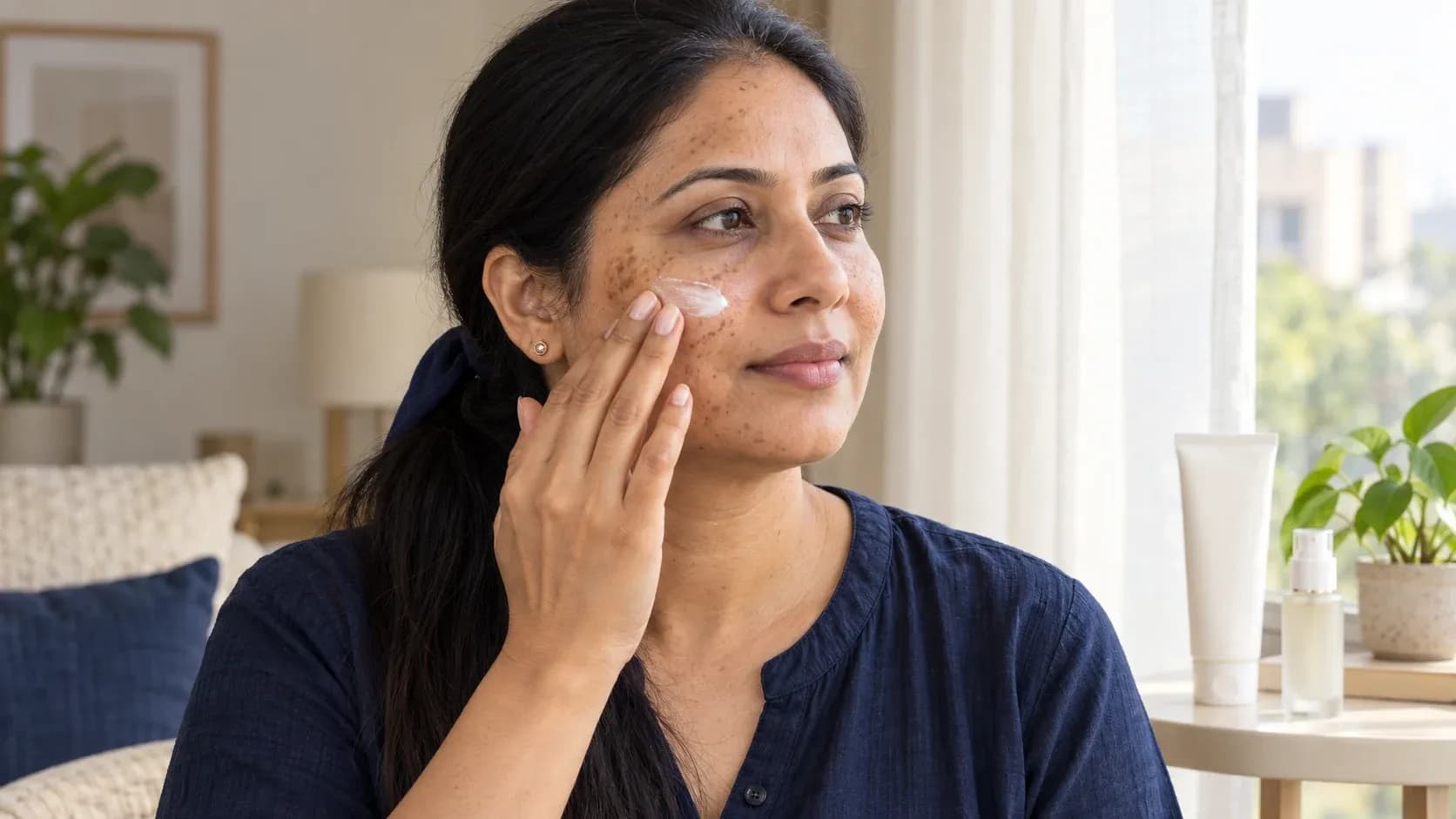
Pigmentation is the natural colouring of your skin, hair and eyes, mainly determined by a pigment called melanin. Changes in melanin production can cause darker or lighter spots, patches or uneven skin tone.
These changes can occur when pigment-producing skin cells, called melanocytes, become overactive, damaged or reduced.
What Is Pigmentation?
If you are looking for the pigmentation meaning, it refers to the natural colouring of your skin, hair and eyes, mainly determined by melanin. When people refer to pigmentation as a skin concern, they usually mean areas of skin that have become darker than the surrounding skin.
This is known as hyperpigmentation and occurs when excess melanin is produced. Pigmentation changes can also involve reduced melanin, causing lighter areas of skin known as hypopigmentation.
This distinction matters because when people search for pigmentation on the face, they are often referring specifically to dark spots or hyperpigmentation.
What Causes Pigmentation on the Face?
Pigmentation on the face can develop when excess melanin is produced in certain areas, causing dark spots or uneven patches. Sun exposure, hormonal changes, inflammation, and skin injury are among the common triggers.
Can Sun Exposure Cause Pigmentation?
Yes. UVA and UVB exposure can stimulate melanin production, while visible light and heat may also worsen certain conditions, particularly melasma. This can contribute to sunspots, freckles, and other dark patches.
Can Inflammation Leave Dark Marks?
Yes. Breakouts, eczema, skin irritation, and some cosmetic procedures can trigger post-inflammatory hyperpigmentation (PIH). PIH may appear more intense and last longer in darker skin tones.
Can Hormones Cause Pigmentation?
Yes. Hormonal changes can contribute to melasma, which often appears as symmetrical brown or grey-brown patches on the face.
Pregnancy, birth control, hormone therapy, and certain thyroid or adrenal conditions can affect pigmentation, while sun exposure and heat may worsen melasma.
Can Skin Injury or Irritation Cause Pigmentation?
Yes. Cuts, burns and other forms of skin inflammation can trigger excess pigment production during healing. Certain medications, genetic factors and some skincare conditions can also affect skin pigmentation.
What Are the Different Types of Pigmentation?
Skin pigmentation changes can broadly involve increased melanin, reduced melanin, or a more complete loss of pigment. These are commonly described as hyperpigmentation, hypopigmentation, and depigmentation.
Hyperpigmentation
Hyperpigmentation occurs when excess melanin causes areas of the skin to become darker than the surrounding skin. It can appear as patches, spots, or uneven areas of darker skin. Common types include:
- Melasma: Brown or grey-brown patches, often associated with hormonal factors and sun exposure.
- Sunspots: Flat tan or brown spots linked to cumulative sun exposure.
- Post-inflammatory hyperpigmentation (PIH): Dark marks that can develop after breakouts, injury, or skin inflammation.
- Freckles: Small pigmented spots influenced by genetics and sun exposure.
Hypopigmentation
Hypopigmentation occurs when an area of skin produces less melanin, making it appear lighter than the surrounding skin. Common examples include:
- Post-inflammatory hypopigmentation: Lighter areas that can appear after skin inflammation or injury.
- Pityriasis alba: A condition that can cause pale, slightly scaly patches, commonly on the face.
Depigmentation
Depigmentation involves a more complete loss of melanin, resulting in areas of skin that lose their normal colour. Examples are stated below:
- Vitiligo: An autoimmune condition in which melanocytes are lost, causing well-defined white patches.
- Albinism: A group of inherited conditions that affect melanin production and can affect the skin, hair, and eyes.
Not every change in skin colour is the same. The underlying cause matters because care depends on the type of pigmentation and the condition affecting your skin.
How Can You Address Pigmentation on the Face?
Pigmentation care depends on its cause and type. Sun protection and gentle skincare form the foundation, while specific ingredients and skincare care options may help reduce pigmentation depending on the condition.
Some pigmentation may improve with skincare alone, while persistent or more complex concerns may require expert-directed care.
Which Skincare Ingredients Can Help Reduce Pigmentation?
Several ingredients for hyperpigmentation can help reduce uneven pigmentation by targeting melanin production, pigment transfer, skin cell turnover or inflammation. The right ingredient depends on the type of pigmentation and your skin's needs.
- Pigment-targeting ingredients: Azelaic acid, alpha arbutin and kojic acid can help reduce pathways involved in excess melanin production.
- Pigment-transfer inhibitors: Niacinamide can help reduce the transfer of pigment to surrounding skin cells.
- Cell-turnover ingredients: Retinoids can support skin cell renewal and gradually improve uneven pigmentation.
- Targeted care ingredients: Tranexamic acid may help improve certain forms of hyperpigmentation, particularly melasma.
- Antioxidant ingredients: Vitamin C can help protect the skin from oxidative stress and gradually improve the appearance of dark spots.
Note:
- Hydroquinone is another care option used for certain pigmentation concerns, but it should only be used under expert guidance. Prolonged or inappropriate use can cause side effects, including rare exogenous ochronosis.
- Daily sun protection is also essential. For conditions such as melasma, a skin expert may recommend additional protection against visible light, including tinted sunscreens containing iron oxides.
Can Professional Care Options Help With Pigmentation?
Yes. Professional care options can help reduce certain types of hyperpigmentation, but the right option depends on the cause, depth, and type of pigmentation.
A qualified skin experts should select these care options because unsuitable procedures or settings can sometimes worsen pigmentation. Common options include:
- Chemical Peels: Use controlled exfoliation to improve skin cell turnover and gradually reduce surface pigmentation.
- Laser and Light-Based Care Options: Target excess pigment and may help address selected forms of hyperpigmentation.
- Microneedling: May be used for selected pigmentation concerns as part of a skin expert-directed care plan.
- Microdermabrasion: Gently exfoliates the skin and may help improve mild, superficial discolouration.
- Other Expert-Directed Care Options: Your care may involve a combination of topical care options and procedures based on your specific condition.
Professional care options can help improve pigmentation, but ongoing sun protection and appropriate skincare are often needed to maintain the results.
Can You Remove Pigmentation From Your Face Permanently?
Some types of pigmentation can fade significantly with appropriate care, but how to remove pigmentation from face permanently depends on the type and underlying cause, and there is no guaranteed permanent solution for every type.
Pigmentation can return if the underlying trigger continues or the skin is repeatedly exposed to factors that stimulate pigment production.
Why Can Pigmentation Return?
The likelihood of pigmentation returning varies depending on the type and trigger. Conditions such as melasma can be particularly prone to recurrence, especially with continued sun exposure or hormonal influences.
Why Does Sun Protection Matter?
Sun protection helps prevent existing pigmentation from becoming darker and may reduce the risk of new dark spots developing. Consistent protection is particularly important when Addressing conditions such as melasma.
Why Is Addressing the Cause Important?
The best approach to pigmentation is to identify and manage its trigger where possible. If you are wondering how to remove pigmentation, Addressing dark spots without addressing the underlying cause may make recurrence more likely.
Realistic expectations are important: pigmentation care often focuses on reducing and managing discolouration rather than guaranteeing permanent removal.
Do Home Remedies for Pigmentation Actually Work?
Home remedies may support healthy skin, but most cannot reliably remove pigmentation on their own. Some DIY care options can also irritate the skin, leading to inflammation that may worsen existing pigmentation.
Which Home Approaches May Support Healthy Skin?
Gentle skincare, regular moisturising and consistent sun protection can support overall skin health and help prevent pigmentation from worsening. However, they should not be considered a replacement for evidence-based care.
Which Home Remedies Can Irritate Your Skin?
Ingredients such as lemon juice, baking soda, and harsh physical scrubs can irritate the skin, especially when used directly or too frequently. This irritation can damage the skin barrier and trigger inflammation, which may worsen pigmentation.
It is better to avoid experimenting with harsh DIY care options and choose options suited to your skin concern. Understanding what is causing your pigmentation before trying aggressive remedies can also help you avoid making the problem worse.
How Can You Prevent Pigmentation From Getting Worse?
You can help reduce pigmentation on the face from worsening by protecting your skin from triggers such as sun exposure, irritation and inflammation. A simple, consistent routine can also help support your care results.
| What to Do | How It May Help |
|---|---|
| Use Broad-Spectrum Sun Protection Consistently | Helps prevent UV exposure from worsening existing pigmentation and triggering new dark spots. |
| Avoid Skin Irritation and Picking | Reduces inflammation that can lead to post-inflammatory hyperpigmentation. |
| Address Breakouts and Inflammation Appropriately | Helps reduce the risk of dark marks developing after breakouts or irritation. |
| Use Active Ingredients Carefully | Helps minimise irritation that may worsen pigmentation. |
| Follow a Consistent Skincare Routine | Supports your skin barrier and helps maintain care results. |
When Should You See a Skin Expert for Pigmentation?
You should see a skin expert if pigmentation appears suddenly, changes rapidly, looks unusual, or does not improve with appropriate over-the-counter care.
Not every dark patch is ordinary pigmentation, so an accurate diagnosis is important. Consider skincare assessment if:
- The spot changes rapidly in size, shape or colour.
- The pigmentation appears suddenly without a clear cause.
- The patch looks unusual or causes symptoms such as bleeding or persistent irritation.
- Home or over-the-counter care does not help after a reasonable period.
- The diagnosis is unclear, or you are unsure what is causing the pigmentation.
A skin experts can help identify the cause and recommend the most appropriate care rather than Addressing every dark patch as ordinary pigmentation.
Clear Ritual's Perspective on What Is Pigmentation
Pigmentation can have different causes, so instead of adding more products, focus on understanding what is contributing to the changes in your skin, whether that means improving sun protection, reducing irritation, Addressing inflammation, or choosing targeted pigmentation care.
At Clear Ritual, we believe understanding your skin concerns is the first step towards building an effective skincare routine.
The Clear Ritual Skin Test can help you identify your skin type and concerns, making it easier to build a routine suited to your skin's needs.
Understand Your Pigmentation Pattern
Take the Clear Ritual Skin Test to identify your skin type, concerns and routine needs.
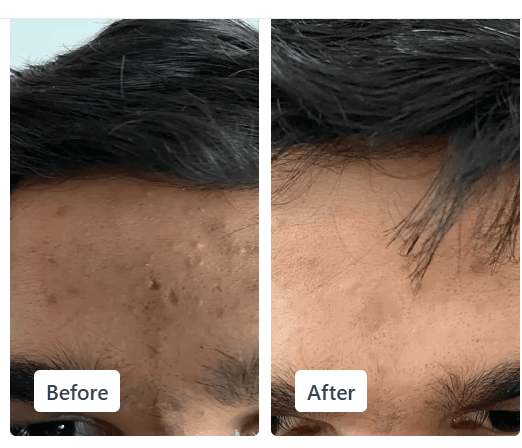
Take the Free Skin Test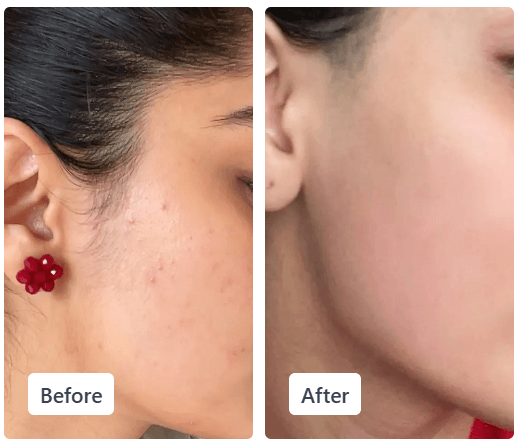
Frequently Asked Questions
1. What is pigmentation on face?
Pigmentation on the face usually refers to darker or lighter areas caused by changes in melanin production. Common concerns include dark spots, melasma and post-inflammatory hyperpigmentation.
2. What causes pigmentation on the face?
Sun exposure, hormonal changes, breakouts, inflammation and skin injury can trigger pigmentation. The underlying cause determines the most suitable care approach.
3. Can pigmentation be removed permanently?
Some pigmentation can fade significantly, but permanent removal cannot be guaranteed. Pigmentation may return if triggers such as sun exposure, hormonal changes or inflammation continue.
4. What is the best pigmentation care?
The best pigmentation care depends on its type and cause. Sun protection, targeted skincare ingredients and expert-directed care options may help reduce certain forms of pigmentation.
5. How can you reduce pigmentation on your face?
You can help reduce pigmentation by using consistent sun protection, avoiding skin irritation and using suitable care options. Results depend on the type and underlying cause of the pigmentation.
References
- MedlinePlus: Skin Pigmentation Disorders
- Topical Care Options for Melasma and Post-inflammatory Hyperpigmentation
- Management of Melasma: Review and Consensus Recommendations
- Expert Consensus on the Management of Hyperpigmentation Disorders
Disclaimer: This article is intended for general skincare education and does not replace personalised guidance. Seek advice from a qualified skin expert for sudden, changing, persistent or unusual pigmentation.
Editorial Standards
Clear Ritual has Strict sourcing guidelines to ensure our content is accurate and current. We rely on peer-reviewed studies, academic research institutions, and medical associations. We strive to use primary sources and refrain from using tertiary references. See a mistake? Learn More about our Editorial Standards.