How to Remove Whiteheads from the Nose Without Damaging Skin
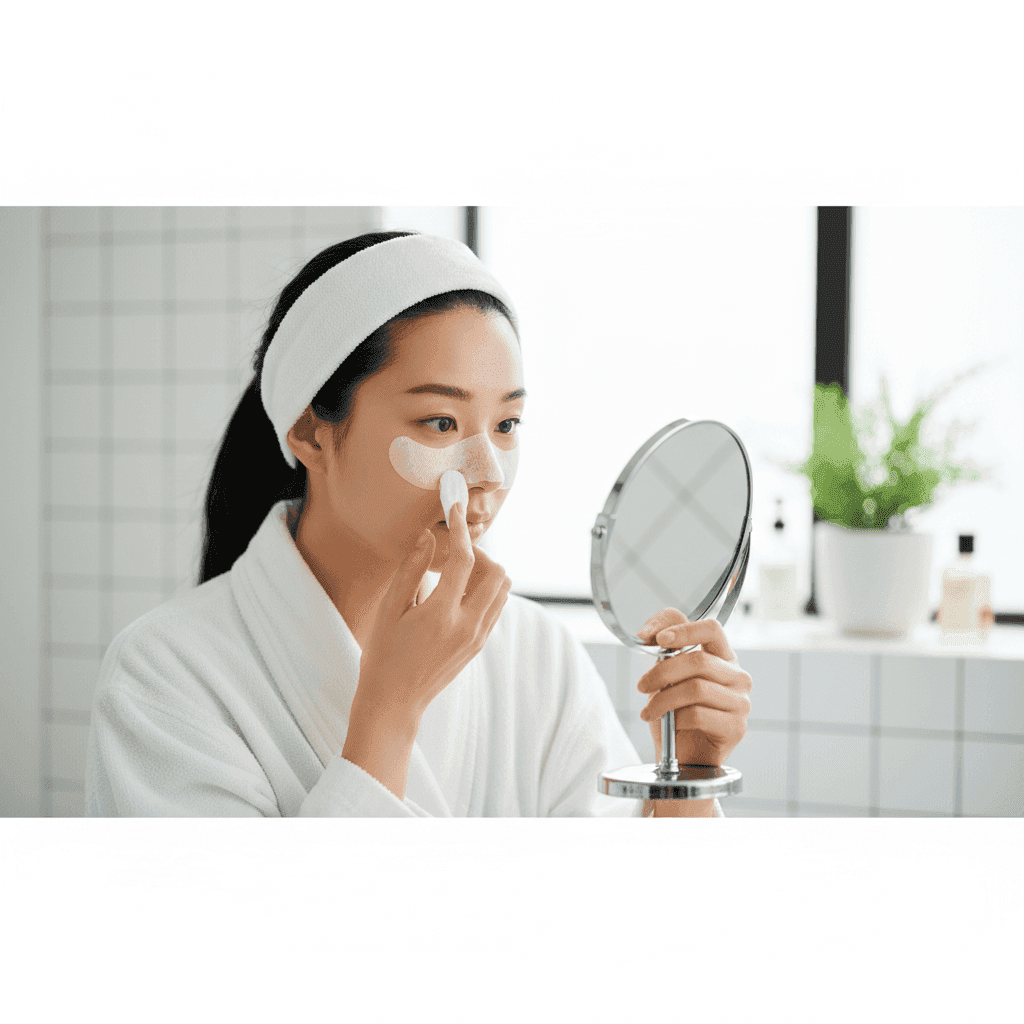
The safest way to remove whiteheads from the nose is through gentle, consistent care rather than force. This means cleansing gently twice daily, using a mild BHA like salicylic acid a few times a week, moisturising to support the skin barrier, and applying daily sunscreen. Avoid squeezing, pore strips, and harsh scrubs, as these push debris deeper and weaken the skin barrier. With consistent care, most people see smoother skin within 4-8 weeks.
- Cleanse gently, twice daily
- Use salicylic acid 2-3 times per week
- Moisturise and apply sunscreen daily
- Avoid squeezing, picking, and pore strips
The nose has a high concentration of sebaceous (oil) glands.
This means more oil mixes with dead skin cells inside pores, increasing the chance of blockages.
Whiteheads on the nose are usually:
- Closed comedones (sealed under the skin)
- Firm or slightly raised
- More noticeable by touch than sight
Because the pore opening is closed, forcing them out can harm the surrounding skin.
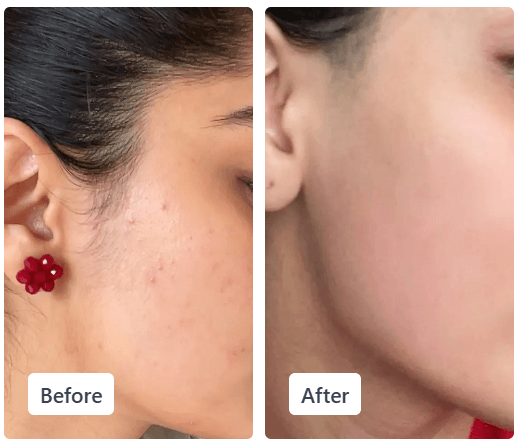
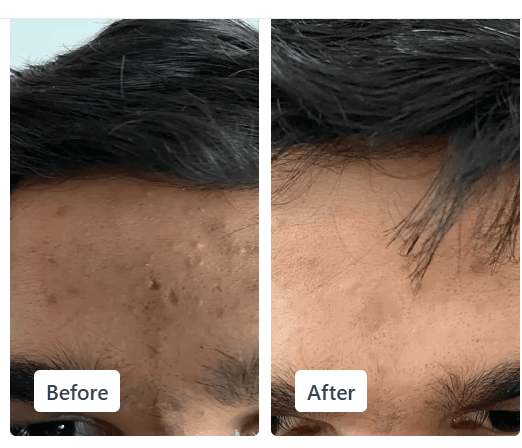
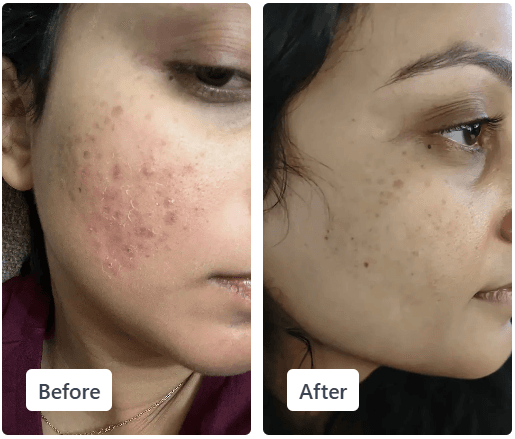
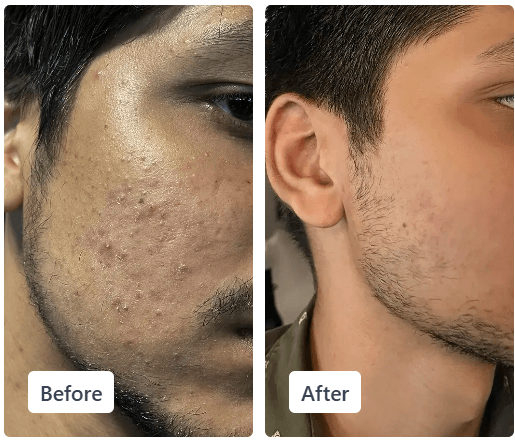
See real results, then start your own
Take the free Clear Ritual Skin Test and get a personalized routine built for your skin's unique patterns.
Why squeezing or nose strips can damage skin
It's tempting to press or use pore strips, but these methods often cause more harm than good.
- Squeezing can push debris deeper into the pore
- Nose strips can strip protective oils from the skin
- Repeated force weakens the skin barrier and elasticity
Over time, this can lead to irritation, redness, and pores that appear more noticeable.
Step 1: Cleanse the nose gently
Start with gentle cleansing to remove surface oil and debris.
- Cleanse twice daily, no more
- Use a mild, low-foam cleanser
- Avoid harsh scrubbing or brushes on the nose
Over-cleansing can increase oil production and worsen congestion.
See real results, then start your own
Take the free Clear Ritual Skin Test and get a personalized routine built for your skin's unique patterns.
Step 2: Use targeted, gentle exfoliation
Chemical exfoliation is safer than physical scrubs for the nose.
- Look for ingredients like salicylic acid (BHA)
- Apply only to congested areas
- Limit use to 2-3 times per week
These ingredients help loosen oil and dead skin inside pores without tearing the skin surface.
Step 3: Keep the skin barrier supported
Even oily areas like the nose need moisturisation.
A lightweight moisturiser helps:
- Prevent excess oil rebound
- Reduce sensitivity from exfoliation
- Support healthy pore function
Gel or lotion textures usually work best for the nose area.
Step 4: Protect the nose from sun damage
Sun exposure can thicken the outer layer of skin over time, making pores on the nose more likely to clog.
- Use a lightweight sunscreen daily
- Pay attention to the nose, not just cheeks and forehead
Consistent sun protection supports smoother texture and healthier pores.
Habits to avoid if you want to protect your skin
- Squeezing or picking at the nose
- Frequent use of pore strips
- Daily scrubs or rough exfoliants
- Using alcohol-heavy toners on the nose
These habits may give short-term satisfaction but often worsen whiteheads long term.
How long does it take to see improvement?
Whiteheads on the nose clear gradually.
With consistent, gentle care, many people notice smoother skin in 4-8 weeks.
Switching methods too often or reacting aggressively can delay progress.
When to see a dermatologist
Consider professional advice if:
- Whiteheads on the nose persist despite consistent care
- They frequently become inflamed or painful
- You notice widespread congestion across the face
A dermatologist may recommend professional extractions or prescription treatments when appropriate.
How Clear Ritual Supports Personalized Skincare Decisions
Clear Ritual understands that whiteheads on the nose are more than a surface issue. It is shaped by genetics, skin renewal cycles, environmental factors, and the products you use.
Because whiteheads form when oil and dead skin cells become trapped inside closed pores, generic solutions rarely bring lasting improvement. Clear Ritual combines traditional wisdom and modern science to address the underlying causes of whiteheads on the nose.
The Clear Ritual Skin Test analyses your skin's unique patterns and daily influences to help identify the best routine for supporting healthy skin and reducing whiteheads recurrence on the nose.
See real results, then start your own
Take the free Clear Ritual Skin Test and get a personalized routine built for your skin's unique patterns.
Conclusion
The safest way to remove whiteheads from the nose is to avoid force, using gentle cleansing, controlled exfoliation, barrier support, and sun protection to help pores clear naturally over time. When the skin barrier stays intact, whiteheads are far less likely to return. With consistent, gentle care, most people notice smoother skin within 4-8 weeks.
Frequently Asked Questions
Why do whiteheads form easily on the nose?
The nose has a high concentration of sebaceous (oil) glands, so more oil mixes with dead skin cells inside pores, increasing the chance of blockages. Because the pore opening is closed, whiteheads there are usually firm, closed comedones that are more noticeable by touch than sight.
Is it safe to use nose strips to remove whiteheads?
Nose strips, squeezing, and harsh scrubs often cause more harm than good. Squeezing can push debris deeper into the pore, strips can strip protective oils from the skin, and repeated force weakens the skin barrier and elasticity, which can lead to irritation, redness, and more noticeable pores over time.
How often should I exfoliate whiteheads on the nose?
Chemical exfoliation with an ingredient like salicylic acid (BHA) is safer than physical scrubs for the nose. Apply it only to congested areas and limit use to 2-3 times per week to help loosen oil and dead skin inside pores without tearing the skin surface.
How long does it take to see improvement?
Whiteheads on the nose clear gradually. With consistent, gentle care, many people notice smoother skin in 4-8 weeks. Switching methods too often or reacting aggressively can delay progress.
When should I see a dermatologist about whiteheads?
Consider professional advice if whiteheads on the nose persist despite consistent care, they frequently become inflamed or painful, or you notice widespread congestion across the face. A dermatologist may recommend professional extractions or prescription treatments when appropriate.
Editorial Standards
Clear Ritual has Strict sourcing guidelines to ensure our content is accurate and current. We rely on peer-reviewed studies, academic research institutions, and medical associations. We strive to use primary sources and refrain from using tertiary references. See a mistake? Learn More about our Editorial Standards.
Related Articles
How to Prevent Blackheads Permanently: Long-Term Strategies
Published 20 July 2026
Double Cleansing for Blackheads: Does It Really Work?
Published 20 July 2026
Home Remedies for Blackheads: What Works and What to Avoid
Published 19 October 2026

Ingredients for Cystic Acne: How They Work
Published 20 July 2026