Ingredients for Cystic Acne: How They Work
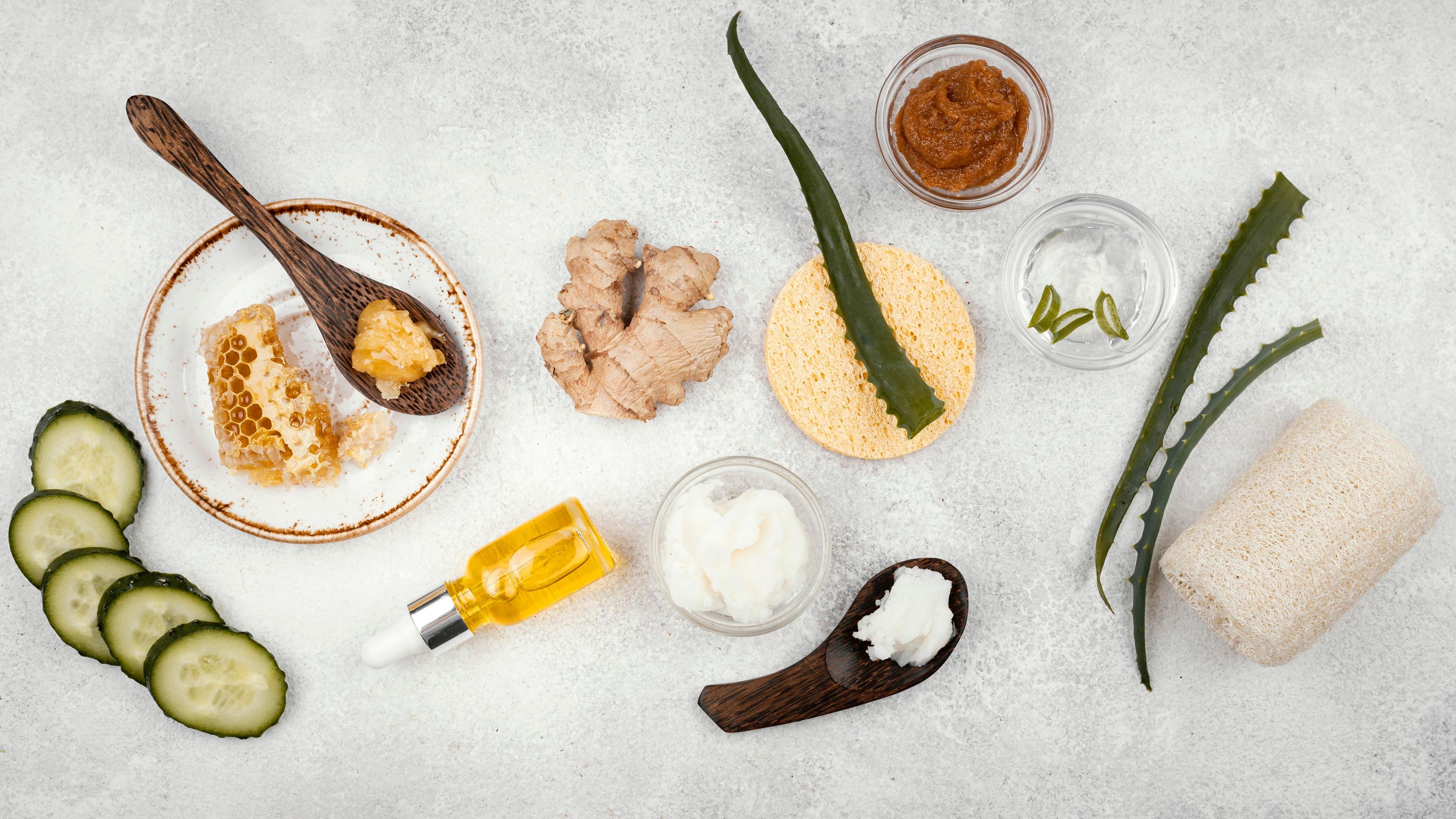
Cystic acne care commonly relies on ingredients such as benzoyl peroxide, salicylic acid, retinoids, azelaic acid, sulfur, and niacinamide, each working differently to clear blockages, kill bacteria, and reduce inflammation deep within the skin. A safe routine layers these actives carefully alongside barrier-supporting ingredients like ceramides and hyaluronic acid, without over-exfoliating or damaging the skin barrier.
- Benzoyl peroxide: releases oxygen to destroy anaerobic bacteria
- Salicylic acid: dissolves trapped oil and dead skin
- Retinoids: speed up cell renewal and prevent clogs
- Azelaic acid: calms inflammation and fades dark marks
To treat cystic acne effectively, you need potent anti-inflammatory and antibacterial ingredients that penetrate pores and promote cell turnover. Because cysts form deep within the skin, topical over-the-counter (OTC) products can help manage flare-ups and reduce the risk of scarring. However, stubborn cysts often require a consultation with a dermatologist and dedicated treatment.
If you are someone who deals with painful, hormonal, cystic acne, you need to treat it with the right ingredients, as individual cysts can persist for weeks. Without treatment, recurrent cycles may continue for months and may also result in dark spots or permanent scars.
Acne treatment is highly individual; what works for one person may not work for another. Ingredients like niacinamide or salicylic acid help some skin types. Choosing the right ingredient for cystic acne means building a routine that treats cysts without over-exfoliating or damaging your skin barrier.
How Ingredients for Cystic Acne Work
Cystic acne ingredients work deep in the skin to clear blockages, kill bacteria, and stop swelling.
Here's a short overview of how each ingredient acts on cystic acne:
| Ingredient | Main Action | How it Works |
|---|---|---|
| Benzoyl Peroxide | Oxygenates pores | Releases oxygen into the pore, creating an environment that destroys anaerobic bacteria. |
| Salicylic Acid | Dissolves oil | Penetrates the pore lining to dissolve excess sebum and loosen dead skin cell buildup. |
| Retinoids | Renews cells | Speeds up skin cell renewal to help prevent future clogs. Also normalises the shedding of dead skin cells within the pore, a process called follicular keratinisation. |
| Azelaic Acid | Calms inflammation | Calms deep inflammation and fades dark acne marks. Also has antibacterial and keratolytic properties. |
| Sulfur | Dries oil | Loosens dead skin cells, mildly reduces surface bacteria, and helps absorb excess oil. |
Note: Always consult your dermatologist before switching skincare products for cystic acne.
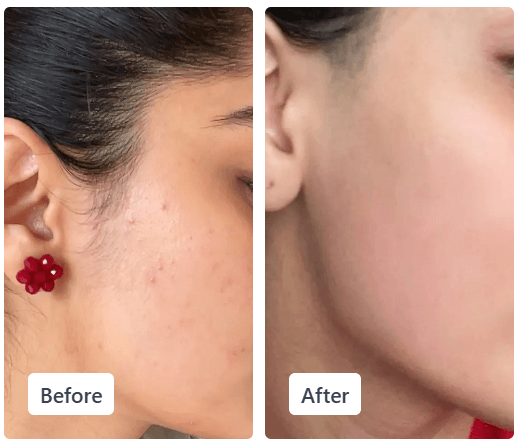
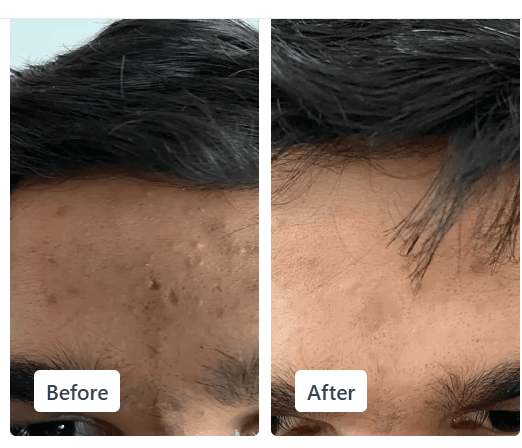
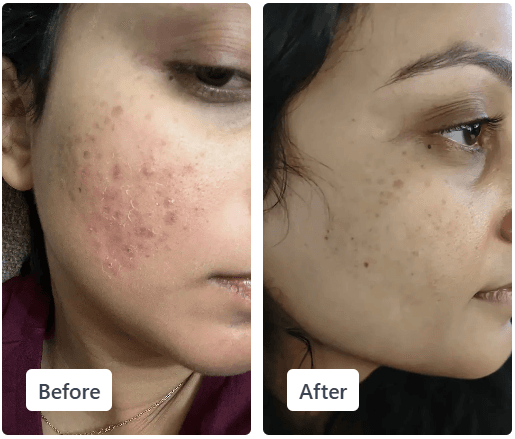
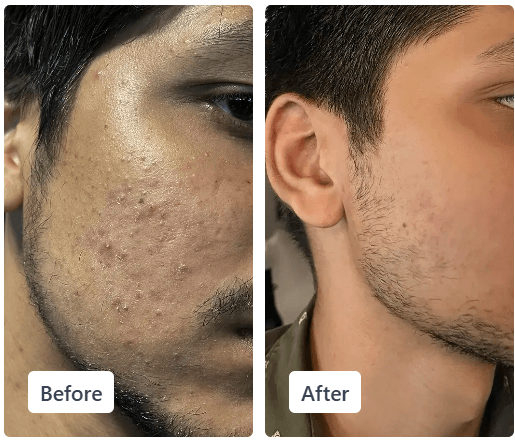
See real results, then start your own
Take the free Clear Ritual Skin Test and get a personalized routine built for your skin's unique patterns.
A Step-by-Step Guide to Layering Ingredients for Cystic Acne
You should apply water-based products first, then heavier creams, and always finish with sunscreen in your morning routine.
Because cystic acne is deeply embedded in the skin, mixing too many active ingredients at once can destroy your skin barrier and worsen inflammation.
This step-by-step routine guide can help you understand how to layer active ingredients for cystic acne safely.
Morning Routine: AM Skincare
When using morning ingredients for cystic acne, your main focus should be protecting the skin and preventing hyperpigmentation.
Gentle Cleansing
Use a mild, hydrating face wash to cleanse your face without stripping it.
Mild Exfoliation
Apply a salicylic acid toner or serum to penetrate pores, break down trapped oil, and loosen dead skin.
If you have sensitive or dry skin, save salicylic acid for your evening routine or use it every other day.
Calm
Apply azelaic acid to calm deep inflammation, reduce acne-causing bacteria, and prevent dark marks from forming.
Moisturise
Apply a lightweight, oil-free moisturiser to hydrate your skin.
Sunscreen
Use a broad-spectrum SPF 30+ sunscreen daily. UV exposure darkens active lesions (cysts, pimples, or spots) and slows the fading of post-acne marks.
Note: For sensitive or dry skin, use azelaic acid and salicylic acid on alternate mornings rather than layering them.
See real results, then start your own
Take the free Clear Ritual Skin Test and get a personalized routine built for your skin's unique patterns.
Evening or Night-Time Routine: PM Skincare
In the evening or nighttime skincare routine, focus on driving cell turnover to stop new cysts from forming while calming active breakouts.
Gentle Cleansing
Use a benzoyl peroxide face wash, which kills acne-causing bacteria by releasing oxygen into the pores.
Treat
Apply a pea-sized amount of retinoid.
- Start with 0.025% tretinoin (prescription) or 0.025% to 0.1% retinol (OTC).
- Do not apply retinol more than 2 to 3 times a week.
- Once your skin adjusts after 4 to 6 weeks, you can build up to nightly use.
Spot Treat
Apply a sulfur-based spot treatment directly to active cysts to absorb excess oil and loosen surface buildup overnight.
Barrier Repair
Use a lightweight, non-comedogenic moisturiser with ceramides complex to prevent irritation from retinoids.
Types of Ingredients for Cystic Acne
Instead of just focusing on what ingredient is best for cystic acne, you should build your routine with ingredients that help you prevent and treat acne correctly.
Here are a few types of ingredients that work for treating cystic acne:
| Ingredient | Treatment Classification |
|---|---|
| Benzoyl Peroxide | Best active ingredient for cystic acne |
| Oral Isotretinoin | Gold-standard prescription treatment for severe or treatment-resistant cystic acne |
| Topical Retinoids | Best preventative topical ingredient |
| Spironolactone | Best oral treatment for hormonally driven cystic acne in women and those assigned female at birth (AFAB) |
| Salicylic Acid | Best deep-pore exfoliating active |
| Azelaic Acid | Best post-cyst mark fader |
| Niacinamide | Best redness-soothing ingredient |
Soothing Ingredients for Cystic Acne That Protect Your Skin Barrier
Using the right active ingredients consistently is key to managing cystic acne, but actives alone are not enough.
You need to build a skincare routine with products that suit your skin type and condition.
Supporting ingredients for cystic acne are split into:
- Active ingredients that target inflammation and cell renewal
- Mild supporting ingredients that focus on hydration and barrier repair
Active Ingredients
Active ingredients such as azelaic acid, niacinamide, and salicylic acid:
- Reduce inflammation
- Help control sebum production
- Lower the risk of post-acne scarring
Mild Supporting Ingredients
Mild ingredients including:
- Cica
- Hyaluronic acid
- Green tea extract
- Allantoin
- Ceramides
These ingredients hydrate the skin and repair the barrier.
How Clear Ritual Supports Personalized Skincare Decisions
Clear Ritual understands that treating cystic acne is more than a surface issue. It is shaped by genetics, skin renewal cycles, environmental factors, and the products you use.
Because cystic acne forms when excess sebum, bacteria, and dead skin cells trigger a deep inflammatory reaction within the follicle, generic solutions rarely bring lasting improvement. Clear Ritual combines traditional wisdom and modern science to address the underlying causes of cystic acne, including deep-seated inflammation, bacterial growth, excess sebum production, and proper skin cell turnover, using 100% non-comedogenic ingredients formulated at optimal active concentrations.
The Clear Ritual Skin Test analyses your skin's unique patterns and daily influences to help identify the best routine for supporting healthy skin and reducing cystic acne recurrence.
See real results, then start your own
Take the free Clear Ritual Skin Test and get a personalized routine built for your skin's unique patterns.
Conclusion
Cystic acne responds best to a targeted mix of ingredients, benzoyl peroxide, salicylic acid, retinoids, azelaic acid, sulfur, and niacinamide, layered carefully alongside barrier-supporting ingredients like ceramides and hyaluronic acid. Building a routine around these actives, without over-exfoliating or damaging the skin barrier, helps manage flare-ups and reduce the risk of scarring. Stubborn or severe cystic acne, however, still calls for a dermatologist's guidance to access prescription-strength treatments.
References
- https://www.apothecaryshoppeut.com/blogs/cystic-acne-treatment-options-from-home-remedies-to-prescriptions
- https://www.medicalnewstoday.com/articles/how-to-shrink-a-cystic-pimple
Frequently Asked Questions
What are the best ingredients for cystic acne?
Benzoyl peroxide, salicylic acid, and retinoids are the best ingredients for cystic acne. You can add a benzoyl peroxide face wash, salicylic acid serums or toners, and retinoid creams or serums to your skincare routine.
What is the fastest way to get rid of cystic acne?
In-office corticosteroid injections (intralesional triamcinolone) by a dermatologist can visibly reduce a cyst within 24 to 48 hours and remain the fastest single-visit intervention available.
Is AHA or BHA better for cystic acne?
BHAs are generally better suited for treating cystic acne because they are oil-soluble and can penetrate the follicular wall to dissolve trapped sebum and bacteria directly at the root of the cyst. AHAs work strictly on the surface to remove dead skin cells and can be used to gently fade post-acne marks and smooth uneven skin texture.
How to remove cystic acne naturally?
Natural remedies lack strong clinical evidence for resolving cystic acne. They can help soothe inflammation and reduce bacteria but should not replace dermatological treatments to prevent scarring.
What not to use on cystic acne?
You should not use harsh scrubs, physical exfoliators, rubbing alcohol, or abrasive DIY remedies like toothpaste or baking soda. Also, do not pick, squeeze, or pop cysts, as it can worsen inflammation and lead to permanent scarring.
What is the root cause of cystic acne?
Cystic acne is caused by a deep inflammatory reaction within the follicle, triggered by a combination of excess sebum, Cutibacterium acnes bacteria, and dead skin cells.
Editorial Standards
Clear Ritual has Strict sourcing guidelines to ensure our content is accurate and current. We rely on peer-reviewed studies, academic research institutions, and medical associations. We strive to use primary sources and refrain from using tertiary references. See a mistake? Learn More about our Editorial Standards.
Related Articles
How to Prevent Whiteheads Long-Term: Habits That Actually Help
Published 20 July 2026

Natural Home Remedies for Whiteheads: What Actually Works
Published 13 October 2026

The Clear Ritual’s Guide: 5 Daily Skincare Routine Steps for Acne
Published 20 July 2026
Small Itchy Bumps on Back of Hands: Causes, Types & Treatment
Published 8 October 2026