The Clear Ritual’s Guide: 5 Daily Skincare Routine Steps for Acne
Keeping acne away starts with a consistent, gentle skincare routine built around four steps: cleanse, treat, moisturise, and protect. Use a mild, non-stripping cleanser twice daily, add targeted treatments like salicylic acid, niacinamide, or retinol based on your skin's needs, follow with a lightweight non-comedogenic moisturiser, and always apply SPF 30+ during the day. Supporting habits, such as clean pillowcases, stress management, and a balanced diet, help reduce breakout frequency further.
- Cleanse twice daily with a gentle, hydrating formula
- Treat with acne-fighting ingredients suited to your skin type
- Moisturise with non-comedogenic, hydrating formulas
- Protect with SPF 30+ every day
Best Skincare Routine for Acne
The best way to treat your skin with all the goodness is by following a holistic routine. The products and formulations differ from person to person based on skin type; it's all about listening to your skin and choosing the right ingredients. Having a skincare routine that works for you is the ultimate key to clear, healthy skin that lasts.
By building a simple daily ritual with acne-fighting ingredients, you can calm active breakouts and stop new ones before they even start.
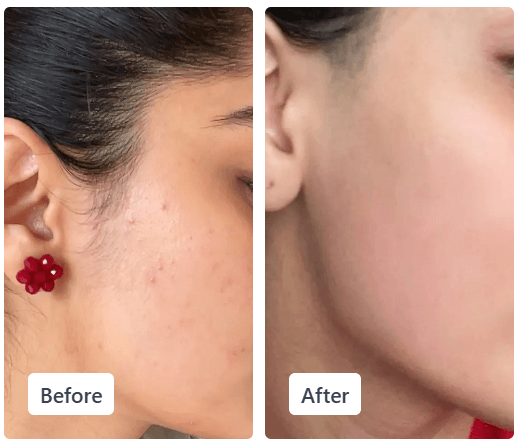
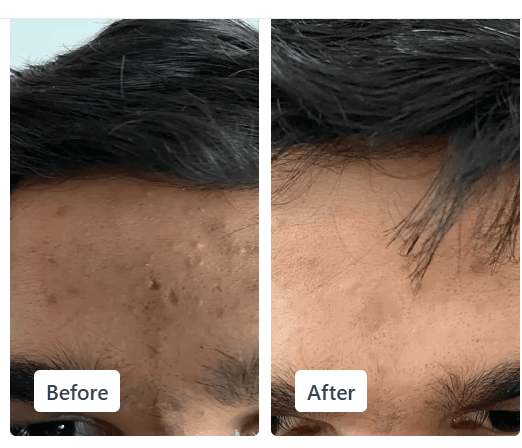
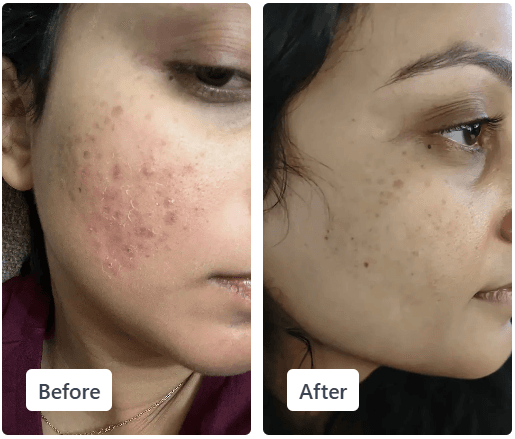
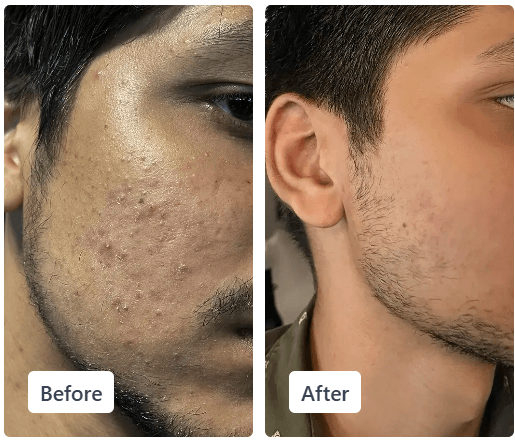
See real results, then start your own
Take the free Clear Ritual Skin Test and get a personalized routine built for your skin's unique patterns.
Morning Routine: Protect & Hydrate
Your skin is exposed to heat, dirt, pollution, and many environmental stressors throughout the day. So, your morning routine should focus on preventing excess oil production, protecting your skin from environmental damage, and keeping it hydrated throughout the day.
Step 1: Gentle Cleansing
You can use a mild sulfate-free face wash to remove overnight oil buildup and impurities from your skin.
Ingredients like niacinamide, hyaluronic acid, tea tree, rice water, or cica are good options to clean the skin without stripping it.
Note: A 2% salicylic acid wash is best kept for oily skin types.
Step 2: Treat
You can use a serum according to your goal; it can be adding an antioxidant, brightening, fading pigmentation, deep hydration, strengthening the skin barrier, or oil control.
Choose ingredients like Vitamin C, alpha arbutin, tranexamic acid, niacinamide, hyaluronic acid, green tea extract, Vitamin E & ferulic acid for lightweight layering options under moisturiser and sunscreen. Pick one brightening or antioxidant serum in the morning; stacking actives can increase the risk of irritation, especially for acne-prone and sensitive skin.
Note: Use only one active at a time. Avoid layering Vitamin C with niacinamide in the same step if your skin is sensitive.
Step 3: Moisturise
Choose a moisturiser that hydrates without clogging pores; gel-based or lotion formulas work well for acne-prone skin.
Ingredients like hyaluronic acid, glycerin, aloe vera extracts, ceramide, squalene, cica, and allantoin help hydrate and soothe your skin and also calm redness.
Step 4: Protect
Using a broad-spectrum sunscreen with SPF above 30 during the daytime is non-negotiable. Also, if you are out in the sun, you need to reapply sunscreen every 2 hours.
Sunscreen prevents the worsening of acne marks and reduces the risk of pigmentation. Choose a chemical or mineral sunscreen based on your preference. While sunscreen creams or gels provide your primary layer of defence, sunscreen sprays are an excellent option for easy reapplication during midday.
Note: Dermatologists generally advise against using only a spray on the face because it's hard to achieve even coverage.
Evening Routine: Cleanse and Repair
Your evening routine should focus on adding ingredients that support your skin at night for repair and to prevent future breakouts.
Step 1: Remove Dirt, Makeup or Sunscreen
Use a gentle cleansing balm or micellar water, then wash your face with a hydrating face cleanser.
You can use the same cleanser that you use in the AM routine. If your skin tolerates high-strength actives, you can use salicylic acid or benzoyl peroxide face washes for acne-prone skin.
Step 2: Acne Treatment
On a cleansed face, apply a salicylic acid, azelaic acid, or retinol. Choose one based on your skin's needs and your dermatologist's advice.
Apply salicylic acid and retinol on separate nights. Incorporate retinol up to three times a week and salicylic acid twice a week on separate evenings. For the remaining two nights, let your skin rest with mild, hydrating ingredients.
Note: If you are new to retinol, start once a week and increase slowly over 4-8 weeks.
Step 3: Restore Hydration
Using a soothing moisturiser post-acne treatment helps to support the skin barrier. Choose ingredients like ceramides, hyaluronic acid, or panthenol.
On nights when you apply retinol, you can use the sandwich method to minimise irritation: apply a hydrating essence or toner, follow with a thin layer of lightweight moisturiser, apply your retinol and seal it with another layer of moisturiser.
See real results, then start your own
Take the free Clear Ritual Skin Test and get a personalized routine built for your skin's unique patterns.
Skincare Routine for Oily Acne-prone Skin
Oily acne-prone skin tends to break out more often, and the dark marks left after a breakout (post-inflammatory hyperpigmentation) can take longer to fade.
If you have oily skin, you should not skip moisturiser, as it can throw off your skin's oil balance. When skin feels dry, oil glands often overcompensate and produce more sebum. So what should be done? Here are a few tips for oily acne-prone skin:
- Use a gel-based cleanser twice daily.
- Incorporate salicylic acid to unclog pores.
- Choose lightweight, oil-free moisturisers.
- Avoid harsh physical scrubs that irritate the skin.
- Use clay masks once a week to absorb excess oil.
- Use retinol to prevent acne and treat blackheads.
- Never skip sunscreen. Choose lightweight options if your skin feels greasy.
Remember, healthy skin is balanced skin, not completely oil-free skin.
Step-by-Step Skincare Routine for Acne
A simple routine that you can follow for treating acne daily is by following these routines listed below:
| Morning | Evening |
|---|---|
| Gentle Cleanser | Double Cleanse |
| Lightweight Serum | Acne Treatment Serum |
| Lightweight Moisturiser | Spot Treatment if required |
| SPF 30+ Sunscreen | Lightweight Moisturiser |
Consistency matters far more than using multiple products. A simple routine followed regularly will deliver better results than an elaborate 10-step routine used occasionally.
Acne Skin Care Routine at Home
Along with the right skincare products, a few healthy habits can support clearer skin:
- Change pillowcases regularly.
- Avoid touching or picking pimples.
- Drink adequate water throughout the day.
- Manage stress levels through exercise, meditation, or adequate sleep.
- Eat a balanced diet rich in essential nutrients. A diet low in high-glycaemic foods (white bread, sugary drinks, processed snacks) may help reduce breakout frequency for some people.
- Clean your phone screen frequently.
- Wash sweaty skin after workouts.
These small lifestyle changes often make a significant difference in controlling acne flare-ups.
How Clear Ritual Supports Personalized Skincare Decisions
Clear Ritual understands that acne is more than a surface issue. It is shaped by genetics, skin renewal cycles, environmental factors, and the products you use.
Because acne forms when inflammation, clogged pores, and an imbalanced skin barrier work together, generic solutions rarely bring lasting improvement. Clear Ritual combines traditional wisdom and modern science to address the underlying causes of acne, focusing on calming inflammation and strengthening the skin barrier rather than over-drying the skin.
The Clear Ritual Skin Test analyses your skin's unique patterns and daily influences to help identify the best routine for supporting healthy skin and reducing acne recurrence.
See real results, then start your own
Take the free Clear Ritual Skin Test and get a personalized routine built for your skin's unique patterns.
Conclusion
Keeping acne away comes down to a consistent routine built around four steps: cleanse, treat, moisturise, and protect, adapted to your skin type across both morning and evening care. Pairing this with supportive habits such as clean pillowcases, stress management, and a balanced diet can further reduce breakout frequency. Consistency, rather than an elaborate multi-step regimen, is what delivers the best long term results for acne-prone skin.
References
https://www.mayoclinic.org/diseases-conditions/acne/in-depth/acne-treatments/art-20045814
Frequently Asked Questions
What is a good skincare routine for acne?
A good skincare routine for acne includes four essential steps: cleansing, treatment, moisturising, and sun protection. Use a gentle cleanser, apply acne-fighting ingredients like salicylic acid or niacinamide, follow with a non-comedogenic moisturiser, and finish with SPF 30+ sunscreen during the day.
How often should I wash acne-prone skin?
You should wash acne-prone skin twice a day, once in the morning and once at night. Overwashing your face can worsen acne and irritate your skin.
What are the 7 steps of skin care?
The 7-step skin care routine includes cleansing, exfoliating, toning, treating, applying eye cream, moisturising and sun protection. Note: this is an extended routine, not a daily blueprint. Exfoliating once or twice a week is enough; the other steps can be done daily.
Which two serums cannot be used together?
While you can use both ingredients in your overall daily routine (Vitamin C in the morning, Retinol at night), avoid layering them directly on top of each other in the same step. Stacking them simultaneously can overwhelm your skin barrier and lead to irritation.
What is the correct order of skincare?
The correct order for skincare is cleanse, treat, moisturise, and protect. The protection step is only for daytime. You can use toner or essence before the treatment step if the serum contains a potent ingredient; otherwise, you can skip toner and essence.
Editorial Standards
Clear Ritual has Strict sourcing guidelines to ensure our content is accurate and current. We rely on peer-reviewed studies, academic research institutions, and medical associations. We strive to use primary sources and refrain from using tertiary references. See a mistake? Learn More about our Editorial Standards.