Milia Symptoms: Causes &Types
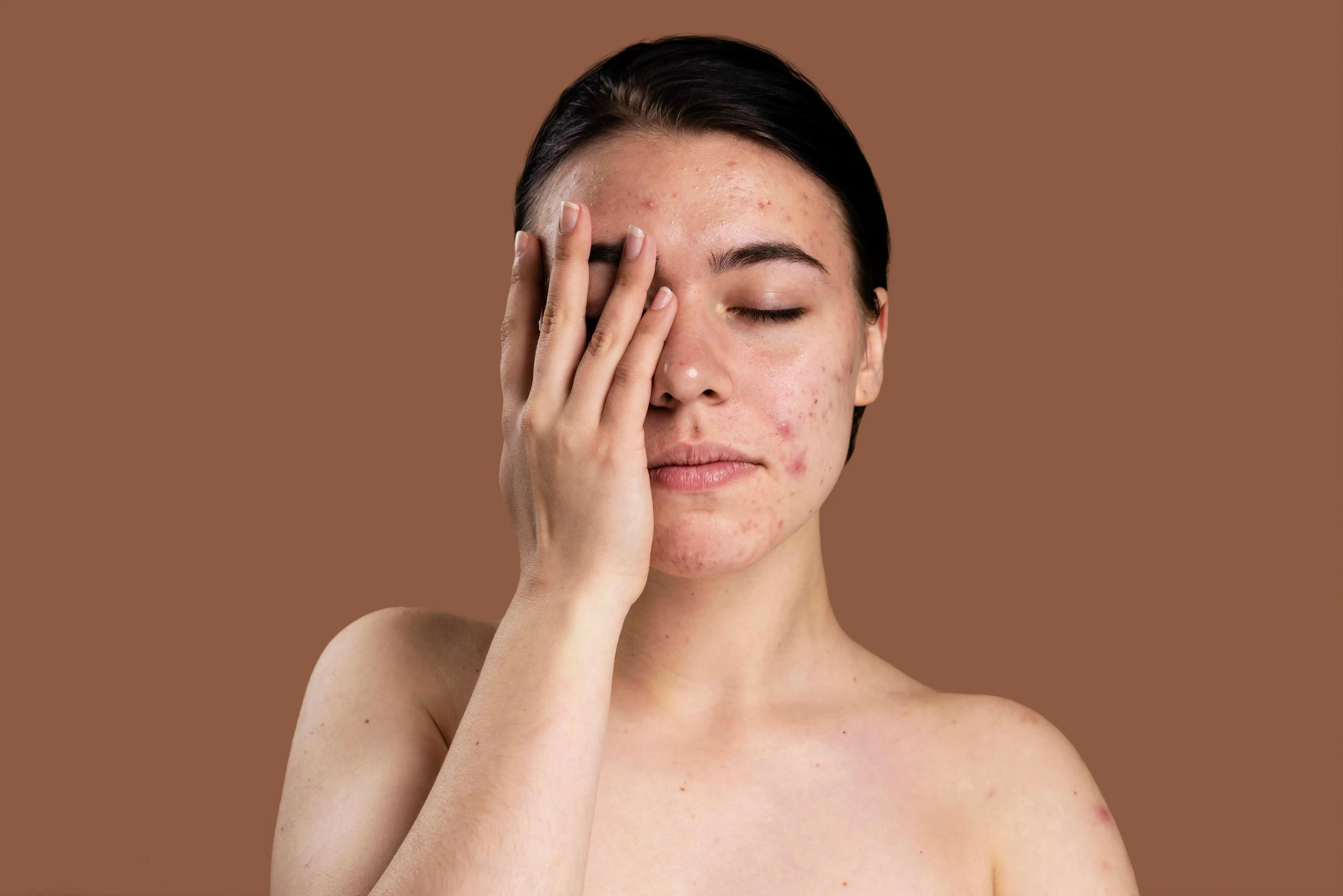
A milium (plural: milia) is a small, firm, pearl-like bump on the skin. These cysts form when keratin and dead skin cells get trapped beneath the surface. Milia are harmless and painless, appearing white or yellowish and measuring 1 to 2 mm. They develop most often on the face, especially the eyelids, cheeks, and nose, in both infants and adults, and are especially common in newborns as neonatal milia.
- Milia are not contagious and pose no health risk.
- "Milia" is the plural term; a single cyst is called a "milium," also known as a milk spot.
What Are the Different Types of Milia?
Milia can appear in several distinct forms, each with its own causes and typical locations.
The main types of milia include:
Neonatal Milia
Appear at birth in newborns as tiny white cysts, most often on or around the nose and face.
Primary Milia
Develop in children and adults as small, firm cysts on the eyelids, forehead, cheeks, or genitals without previous skin trauma.
Often associated with heavy creams or occlusive ointments.
Secondary (Traumatic) Milia
Result from skin damage, burns, blisters, rashes, or long-term sun exposure.
Juvenile Milia
Emerge in children due to genetic conditions and may occur anywhere on the body depending on the underlying condition.
Milia en Plaque
Forms clusters on raised patches of skin and is more commonly seen in women aged 40 to 60, though it can affect others. It often appears behind the ears, on the eyelids, cheeks, or jaw.
Multiple Eruptive Milia
Produces groups of itchy cysts over weeks or months, appearing on the face, upper arms, or upper abdomen, and is rare at any age.
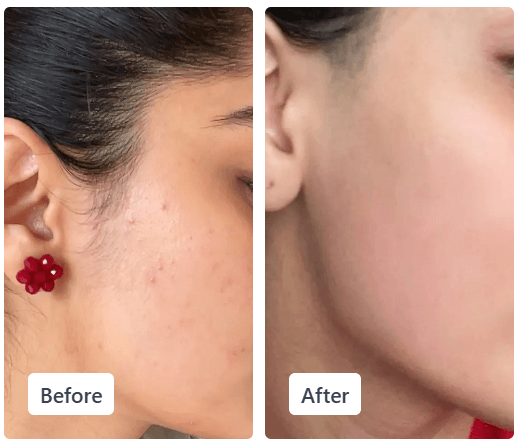
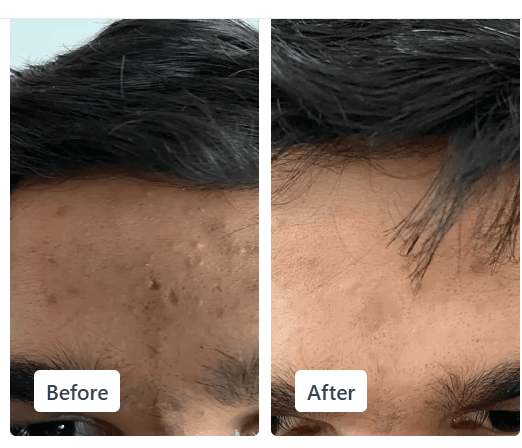
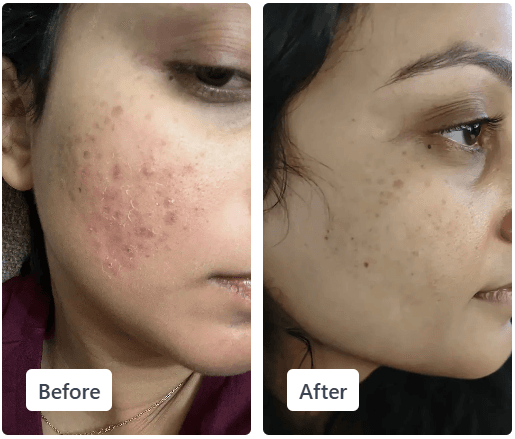
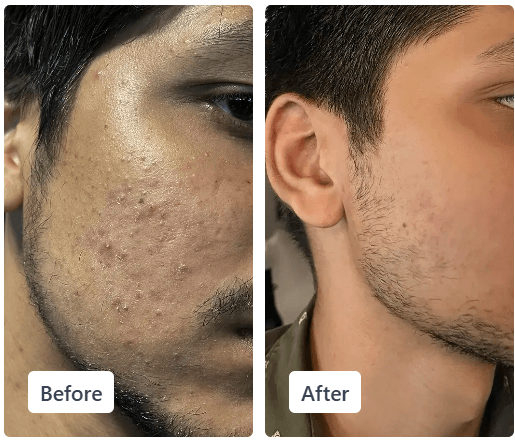
See real results, then start your own
Take the free Clear Ritual Skin Test and get a personalized routine built for your skin's unique patterns.
What Are the Symptoms of Milia?
You can recognise milia by observing specific characteristics in their appearance, texture, and behaviour.
| Symptom | Description |
|---|---|
| Appearance | Appear as small, raised, dome-shaped bumps that look pearl-white or slightly yellow. |
| Texture | Feel firm and hard to the touch, as they are filled with keratin and not pus. |
| Clustering | Often cluster in groups on the skin. |
| No Inflammation | Maintain normal colour in the surrounding skin, with no redness, swelling, or pain. |
| Persistence | Firm and resistant to pressure, they can linger for weeks or months and should not be squeezed at home. |
| Sensation | Typically painless and non-itchy. Multiple eruptive milia may cause mild itching. |
Where Do Milia Most Commonly Appear?
Milia typically appear on the face, most often on the cheeks, nose, eyelids, and chin, but can also develop anywhere on the body. People of all ages, from newborns to adults, can be affected.
In secondary milia, they may form at any site of skin trauma. Less commonly, the upper arms and torso are affected.
| Location/Pattern | Description |
|---|---|
| Face (Primary Milia) | Cluster on the cheeks, nose, eyelids, chin, and especially under the eyes. |
| Body (Secondary Milia) | Develop on traumatised, damaged, or inflamed areas of the skin such as scars, burns, or rashes. |
| Torso and Upper Arms | Form clusters on the chest, upper back, or upper arms and are less common than facial milia. |
See real results, then start your own
Take the free Clear Ritual Skin Test and get a personalized routine built for your skin's unique patterns.
What Causes Milia?
Milia occur when your body's natural process of shedding dead skin cells is interrupted. Instead of falling away, dead cells get trapped under new skin where they harden and form small cysts called milia.
Additional factors that can contribute to milia include:
- Skin damage from injuries, burns, rashes, or sun exposure.
- Prolonged use of topical steroid creams or ointments.
- Genetic conditions that affect skin cell turnover.
- Certain skin conditions, including autoimmune blistering diseases, that disrupt the skin barrier and lead to secondary milia.
- Use of heavy creams, thick butters, or occlusive ointments.
What Foods Are Best for Managing Milia?
Managing milia relies primarily on topical skincare and professional treatments. However, including nutrient-rich foods in your diet can support overall skin health, promote healthy cell turnover, and aid skin recovery.
While diet alone may not remove existing milia, the right nutrients can help maintain a strong skin barrier and potentially reduce the risk of new milia forming.
| Nutrient / Benefit | Foods to Include |
|---|---|
| Vitamin A-rich foods (cell regeneration) | Carrots, sweet potatoes, spinach. |
| Omega-3 fatty acids (reduce inflammation) | Salmon, mackerel, chia seeds, flaxseeds, walnuts. |
| Antioxidant-rich foods (protect skin) | Berries, capsicum, leafy greens. |
| Cooling, hydrating foods (support hydration) | Cucumber, watermelon. |
What Foods Should You Avoid for Milia Symptoms?
Dermatologists note there is no proven link between specific foods and milia, but limiting dairy, heavy fats, excess sugar, and alcohol may help reduce inflammation and support skin health.
- Limit heavily processed foods and high-fat dairy products.
- Reduce processed and spicy foods to help minimise skin inflammation.
- Avoid refined sugars to support healthy skin-cell turnover.
- Limit alcohol intake to reduce dehydration and inflammation.
How to Prevent Milia?
Preventing milia involves supporting healthy skin cell turnover and avoiding products or habits that block normal skin shedding.
You can lower the risk of these small keratin-filled cysts by avoiding heavy or greasy creams, choosing non-comedogenic skincare products, applying sunscreen daily, and using a gentle retinoid to encourage regular skin renewal.
Note: Prevention should focus on avoiding the condition itself rather than preventing symptoms after they have developed.
Here are simple and effective steps to help prevent milia:
- Skip heavy creams and oils.
- Apply a gentle retinoid to encourage healthy cell turnover.
- Use sunscreen every day and opt for lightweight formulations.
- Exfoliate with mild acids to remove dead skin cells.
- Avoid picking or squeezing milia to prevent scarring and infection.
How Clear Ritual Supports Personalized Skincare Decisions
Clear Ritual understands that milia is more than a surface issue. It is shaped by genetics, skin renewal cycles, environmental factors, and the products you use.
Because milia forms when natural skin shedding is disrupted, generic solutions rarely bring lasting improvement. Clear Ritual combines traditional wisdom and modern science to address the underlying causes of milia.
The Clear Ritual Skin Test analyses your skin's unique patterns and daily influences to help identify the best routine for supporting healthy skin and reducing milia recurrence.
See real results, then start your own
Take the free Clear Ritual Skin Test and get a personalized routine built for your skin's unique patterns.
Conclusion
Milia are small, harmless keratin-filled cysts that commonly appear on the face in both infants and adults, though they can develop anywhere on the body due to skin trauma or blocked cell turnover. They come in several distinct types, from neonatal and primary milia to milia en plaque and multiple eruptive milia, each with different triggers and locations. While diet and skincare habits will not eliminate existing milia, avoiding heavy creams, using non-comedogenic products, and supporting healthy cell turnover can help reduce the chances of new milia forming. For persistent or bothersome milia, a dermatologist can safely extract them.
References
- https://my.clevelandclinic.org/health/diseases/17868-milia
- https://renaclinics.co.uk/milia/
- https://www.healthline.com/health/milia
Frequently Asked Questions
1. What are the first signs of milia?
The first sign of milia is usually a small white spot just beneath the skin. These bumps are painless, non-itchy, and not contagious.
In newborns, milia often resolve within a few weeks, but in older children and adults they may persist for months without treatment.
2. What is the fastest way to cure milia?
The quickest and most effective way to remove milia is professional extraction by a dermatologist using a sterile needle or blade.
Note: Professional extraction removes existing milia but does not guarantee they will not return if the underlying cause persists.
3. Is milia a vitamin deficiency?
No, milia are not caused by a vitamin deficiency. They develop when keratin becomes trapped beneath the skin's surface.
Common triggers include heavy creams, skin damage, burns, blisters, and long-term sun exposure.
4. Can milia turn cancerous?
No, milia are completely benign and cannot become cancerous.
Note: Some skin cancers can resemble bumps or cysts. If a spot changes in size, shape, colour, or begins to bleed, consult a dermatologist.
5. What is commonly mistaken for milia?
Syringomas are often mistaken for milia because both conditions cause small bumps on the skin.
Milia are tiny white bumps filled with keratin, whereas syringomas are flesh-coloured or yellowish growths that develop from the ducts of eccrine sweat glands and are not filled with keratin.
Editorial Standards
Clear Ritual has Strict sourcing guidelines to ensure our content is accurate and current. We rely on peer-reviewed studies, academic research institutions, and medical associations. We strive to use primary sources and refrain from using tertiary references. See a mistake? Learn More about our Editorial Standards.