How to Get Rid of Milia
To get rid of milia, target what's trapping keratin beneath your skin and use proven solutions. Professional extraction is the fastest option. At home, use retinoids and chemical exfoliants regularly to dissolve milia and prevent new bumps for clear, healthy skin.
- See a dermatologist for quick, safe extraction.
- Use retinoids (OTC adapalene or prescription tretinoin) and chemical exfoliants (glycolic, lactic, or salicylic acid) at home to dissolve trapped keratin.
- Never pop, squeeze, or pick milia, as this risks scarring and infection.
- Avoid heavy occlusives that clog pores.
- Cleanse gently and use a non-comedogenic sunscreen daily to prevent new bumps.
Note: Occlusives are ingredients that form a barrier on the skin to seal in moisture.
What is Milia?
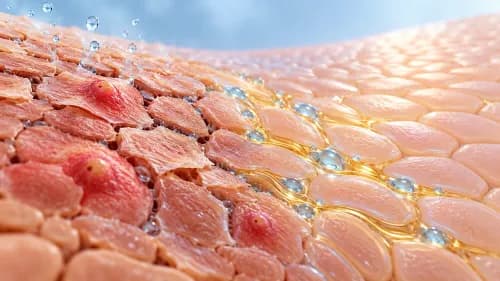
Milia (singular: milium) are small, harmless white or yellowish cysts that develop under the skin. Often mistaken for whiteheads, milia form when keratin becomes trapped within the upper part of a hair follicle (infundibulum) or an eccrine duct, just under the skin's surface. These bumps are not acne.
Most types of milia are painless and non-inflammatory, though some forms, like milia en plaque, can involve mild redness around the cluster. Milia are extremely common, most often seen in newborns, but they can appear at any age.
Keratin: A natural skin protein that helps form hair, nails, and the outer layer of skin.
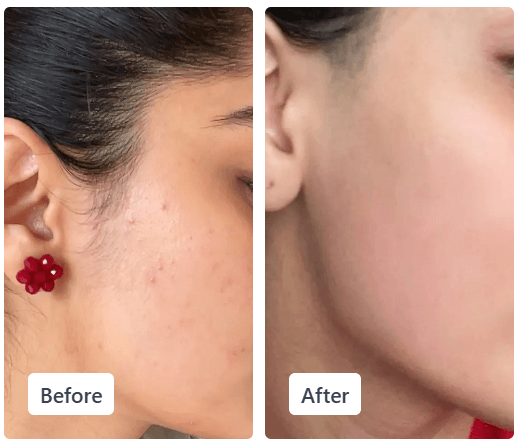
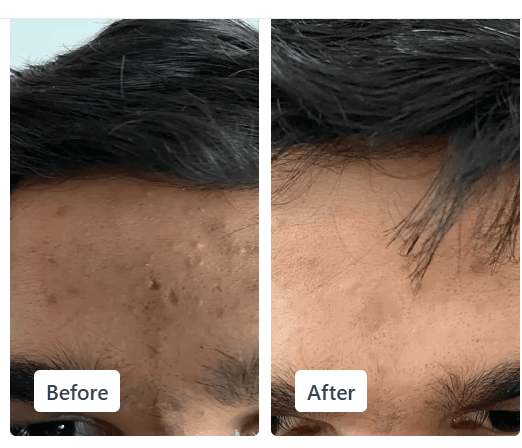
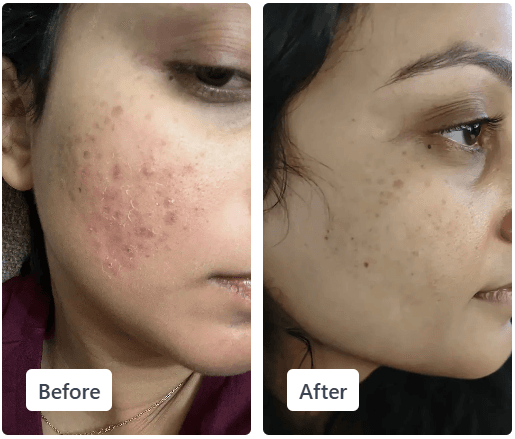
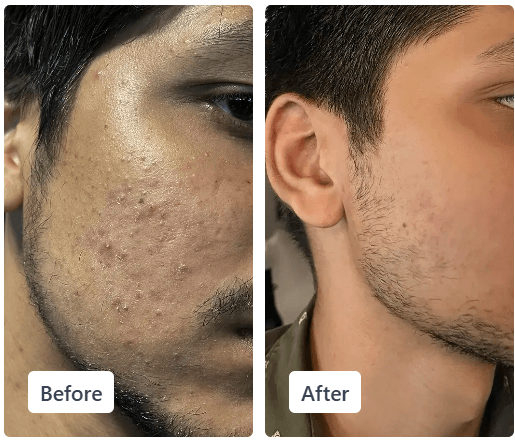
See real results, then start your own
Take the free Clear Ritual Skin Test and get a personalized routine built for your skin's unique patterns.
What Are the Different Types of Milia?
Milia are small, harmless cysts filled with keratin that develop just beneath the skin. They come in several types, including primary milia, secondary milia, neonatal milia, juvenile milia, and milia en plaque.
| Type | Main Features & Triggers |
|---|---|
| Primary Milia | Form as benign bumps when keratin becomes trapped; they commonly appear on eyelids, cheeks, forehead, and nose. |
| Neonatal Milia | Present as pearly cysts in newborns; appear on the nose, scalp, and upper torso; and resolve naturally. |
| Secondary (Traumatic) | Develop after skin injury, burns, sun damage, or harsh procedures. |
| Milia en plaque | Feature multiple cysts that cluster into a raised patch and are sometimes associated with autoimmune conditions. |
| Multiple Eruptive Milia (MEM) | Produce sudden crops of small cysts on the face, upper arms, and torso and appear in outbreaks over weeks to months. |
Note: Most types of milia are painless and non-inflammatory, though some forms, like milia en plaque, can involve redness around the cluster.
What is the Root Cause of Milia?
The root cause of milia is that keratin gets trapped just beneath the skin's surface instead of shedding normally. This blockage creates small, hard, white or yellowish cysts that are harmless but can be persistent.
Milia fall into two main categories, each with distinct root causes.
Primary Milia
Primary milia form when the skin doesn't shed cells efficiently, causing keratin to become trapped within the upper hair follicle or eccrine duct.
- In infants, milia develop due to immature skin.
- In adults, milia develop due to genetics, aging, or slowed cell turnover.
Secondary Milia
Secondary milia form after trauma or damage disrupts the skin, sweat glands, or hair follicles.
- Sun damage thickens the skin and triggers milia.
- Burns, blisters, rashes, or harsh cosmetic procedures increase risk.
- Long-term use of topical steroid creams contributes to milia formation.
- Heavy occlusives and pore-clogging skincare products trap dead skin cells.
See real results, then start your own
Take the free Clear Ritual Skin Test and get a personalized routine built for your skin's unique patterns.
Effective Ways to Get Rid of Milia
To get rid of milia, always avoid popping or picking them. Visit a dermatologist for safe, immediate extraction. For gradual results and prevention, apply retinoids and gentle chemical exfoliants regularly to help clear existing milia and prevent new ones from forming.
| Strategy | How It Works / What To Do |
|---|---|
| Professional Treatments | Visit a dermatologist for fine-needle extraction, cryotherapy, or laser ablation. |
| OTC Retinoids | Apply retinoids to accelerate cell turnover and prevent new milia from forming. |
| Chemical Exfoliation | Use salicylic acid (BHA) or glycolic acid (AHA) to exfoliate and clear bumps. |
| Adjust Skincare Routine | Avoid heavy creams, switch to lightweight gels, and cleanse your face daily. |
Note: Apply retinoids carefully near the eye area, as they may cause dryness or irritation. Always use sunscreen during the day to protect your skin.
What Professional Procedures Can Remove Milia?
If you have stubborn or recurring milia, dermatologists offer these safe, effective professional procedures:
Fine-Needle Extraction
The dermatologist gently pierces the skin with a sterile needle to extract trapped keratin.
Cryotherapy
The doctor applies liquid nitrogen to freeze and remove milia.
Laser Ablation
The doctor uses a focused laser to vaporize the cyst wall and release trapped keratin.
Can Milia Be Cured Naturally?
Yes, milia can go away naturally over time. Neonatal milia usually resolve within weeks, but in adults, primary milia may persist for months or even years without treatment.
To help the process and prevent new bumps, follow a gentle at-home skincare routine.
Here's how to naturally help milia clear:
- Never pick or squeeze milia.
- Steam your face to soften skin and help loosen trapped debris before cleansing.
- Exfoliate gently with AHA, BHA, or retinoids.
- Use oil-free, non-comedogenic products.
- Apply broad-spectrum sunscreen daily.
Which Ingredients Should You Avoid for Treating Milia?
Ingredients to avoid for milia include petrolatum (petroleum jelly), mineral oil, lanolin, cocoa butter, shea butter, thick creams, harsh scrubs, and added fragrances, which can irritate the skin barrier and increase reactivity in milia-prone skin.
Note: Petrolatum and mineral oil are not true pore-cloggers, but heavy use can block normal skin shedding and may indirectly contribute to milia. Avoiding them is a practical choice for milia-prone skin.
| Ingredient/Product | Why to Avoid | Examples |
|---|---|---|
| Heavy Occlusives | Trap dead skin cells. | Vaseline, liquid paraffin, balms. |
| Butters & Oils | Congest hair follicles. | Cocoa butter, shea butter, rich oils. |
| Silicones | Cause buildup when layered heavily. | Dimethicone, cyclopentasiloxane. |
| Physical Scrubs | Irritate skin and worsen milia. | Walnut shell scrubs, apricot scrubs. |
Note: The link between silicones and milia is not strongly established. Silicones are film-forming and non-comedogenic, and concerns about their role in milia are often exaggerated in popular skincare content.
Medical Disclaimer
This content is for informational purposes only and does not substitute for professional medical advice, diagnosis, or treatment. Always consult a dermatologist for concerns about your skin.
How Clear Ritual Supports Personalized Skincare Decisions
At Clear Ritual, we recognize that getting rid of milia takes more than just surface-level solutions. Milia can be influenced by factors like genetics, lifestyle, and skincare habits, and addressing them often means looking at your skin's overall health and unique triggers rather than applying a one-size-fits-all product.
The Clear Ritual Skin Test helps identify your specific triggers by analyzing your skin behaviors and environmental factors and providing a tailored, evidence-based skincare plan for clearer, healthier skin.
See real results, then start your own
Take the free Clear Ritual Skin Test and get a personalized routine built for your skin's unique patterns.
Conclusion
Milia form when keratin becomes trapped beneath the skin, creating small, harmless bumps that should never be popped, squeezed, or picked. Professional extraction from a dermatologist offers the fastest resolution, while retinoids, chemical exfoliants, and a gentle, non-comedogenic skincare routine help clear existing bumps and prevent new ones. Avoiding heavy occlusives, harsh scrubs, and unnecessary sun damage, along with daily sunscreen use, supports clearer skin over time.
Frequently Asked Questions
1. How to cure milia permanently?
To remove existing milia and reduce the chance of them returning, visit a dermatologist for safe removal via manual extraction, laser treatment, or cryotherapy. Never try to squeeze or pop milia at home, as this can cause scarring and infection.
**Note:** "Permanently cure" is misleading; professional extraction removes existing milia, but they can return if underlying causes persist.
2. What is the fastest way to remove milia?
The fastest way to remove milia is to have a dermatologist remove them safely. To keep them from returning, use gentle exfoliants and retinoids in your at-home skincare routine.
3. How to get rid of milia in 2 days?
You can't get rid of milia in just two days. These bumps sit deep under the skin, so creams and home treatments take weeks or longer to work. The only way to remove milia instantly is to have a dermatologist extract them.
4. What chemical removes milia?
The most effective active ingredients for treating milia are retinoids and chemical exfoliants, which help shed trapped skin cells and unclog pores.
- Topical retinoids (retinol, tretinoin, adapalene) speed up cell turnover and unblock trapped keratin.
- Alpha hydroxy acids (glycolic acid, lactic acid) exfoliate the skin's surface and dissolve debris.
- Beta-hydroxy acid (salicylic acid) penetrates deep into the pores to prevent new blockages.
5. Is milia a vitamin deficiency?
No, milia are not caused by a vitamin deficiency. They form when dead skin cells and keratin become trapped under the skin, not due to a lack of vitamins.
6. What to eat for milia?
There is no scientific evidence that diet can cure milia, but eating foods that support healthy skin may help with overall skin regeneration.
- Vitamin A (beta-
Editorial Standards
Clear Ritual has Strict sourcing guidelines to ensure our content is accurate and current. We rely on peer-reviewed studies, academic research institutions, and medical associations. We strive to use primary sources and refrain from using tertiary references. See a mistake? Learn More about our Editorial Standards.
Related Articles
Pimple on Forehead: Causes, Types, and How to Clear It
Published 11 September 2026

Milia: Causes, Symptoms, and Treatments
Published 20 July 2026
Dry skin acne: why dehydration can still cause breakouts
Published 20 July 2026
Skin Barrier Damage and Acne: Causes, Signs, and How to Repair It
Published 12 October 2026