How to Prevent Whiteheads Long-Term: Habits That Actually Help

Preventing whiteheads long-term is not about aggressive treatment. It is about removing the daily habits that cause pores to clog. Whiteheads form when oil and dead skin cells accumulate inside a closed pore. Keeping cell turnover regular, the skin barrier intact, and oil production stable is the most reliable way to prevent them. Most people see a measurable reduction in whitehead frequency within 6 to 8 weeks of consistent routine changes, without adding a single new product.
- Keep cell turnover regular and the skin barrier intact
- Stabilise oil production through gentle, consistent habits
- Expect visible change within 6 to 8 weeks, not days
How to Prevent Whiteheads Long-Term: Habits That Actually Help
Preventing whiteheads isn't about finding a miracle product or doing more to your skin.
In fact, most long-term whitehead problems come from overdoing the wrong things.
Whiteheads form slowly, and they clear slowly.
Sustainable prevention depends on daily habits that support how skin naturally functions,
not quick fixes that stress it.
Why whiteheads keep coming back
Whiteheads are closed comedones.
They develop when oil and dead skin cells build up inside a pore that stays closed.
This process is influenced by:
- Skin barrier health
- Oil production
- Cell turnover
- Daily habits and environment
Long-term prevention means reducing repeated stress on these systems.
Habit 1: Cleanse gently, not aggressively
Over-cleansing is one of the most common causes of recurring whiteheads.
Washing too often or with harsh cleansers:
- Strips the skin barrier
- Triggers oil rebound
- Disrupts normal cell shedding
What helps instead:
- Cleanse twice daily
- Use a mild, low-foam cleanser
- Avoid scrubbing or harsh tools
Habit 2: Moisturise consistently (even if skin is oily)
Skipping moisturiser often backfires.
Dehydrated skin produces more oil to compensate,
which increases the risk of clogged pores.
What helps instead:
- Lightweight, non-greasy moisturisers
- Barrier-supportive ingredients
- Daily use, not only when skin feels dry
Habit 3: Exfoliate less, but smarter
Exfoliation can help prevent buildup,
but too much exfoliation damages the barrier.
Over-exfoliation leads to:
- Irritation
- Uneven shedding of dead skin cells
- More frequent whiteheads
What helps instead:
- Limit exfoliation to 1 to 3 times weekly
- Avoid physical scrubs
- Never exfoliate irritated skin
Habit 4: Stop touching and picking your face
Hands transfer oil, bacteria, and dirt directly into pores.
Picking whiteheads:
- Creates inflammation
- Delays healing
- Increases marks and repeat clogging
What helps instead:
- Hands-off approach
- Address texture through routine, not force
Habit 5: Be consistent with sunscreen
Sun damage thickens the outer layer of skin.
Thicker dead skin increases the chance of pore blockage.
What helps instead:
- Daily sunscreen use
- Lightweight or gel-based textures
- Consistent protection, not occasional use
Habit 6: Manage sweat, pollution, and humidity
Environmental exposure doesn't cause whiteheads directly,
but it creates conditions where pores clog more easily.
What helps instead:
- Cleanse after heavy sweating
- Avoid letting sweat sit on the skin
- Do not over-wash during the day
Habit 7: Support internal balance
Whiteheads are influenced by internal factors too.
Helpful habits include:
- Regular sleep
- Stress management
- Balanced meals
- Adequate hydration
These habits support hormone balance, skin repair, and oil regulation.
Habit 8: Give your routine time to work
Skin takes time to respond.
Changing products every few days:
- Prevents the skin from adapting
- Increases irritation
- Makes whiteheads feel unpredictable
What helps instead:
- Stick to a routine for 6 to 8 weeks
- Make slow, single changes
- Track patterns rather than reacting daily
Why prevention works better than removal
Preventing whiteheads reduces:
- Inflammation
- Skin damage
- Post-acne marks
Supporting the skin's natural processes
is far more effective than repeatedly trying to "remove" clogs.
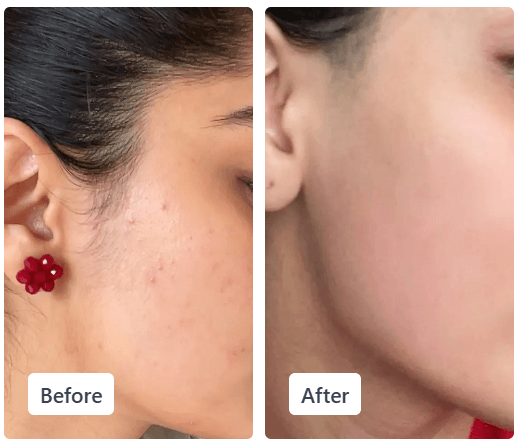
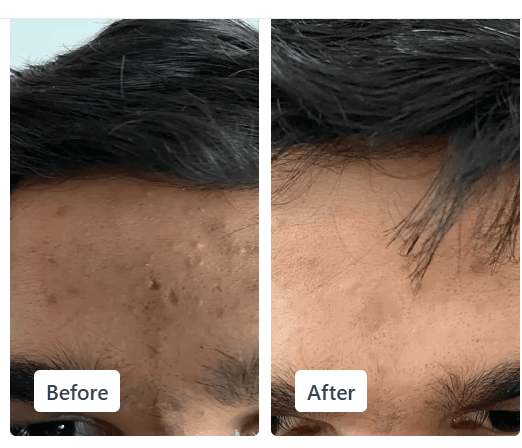
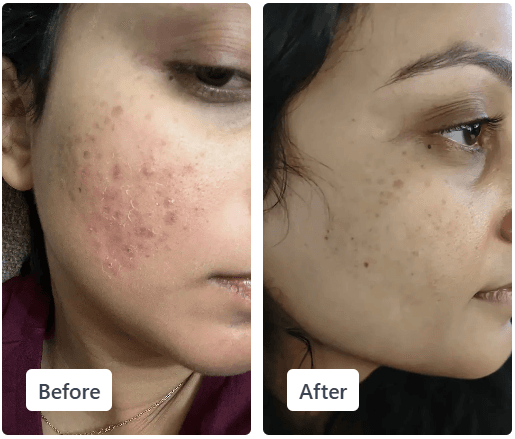
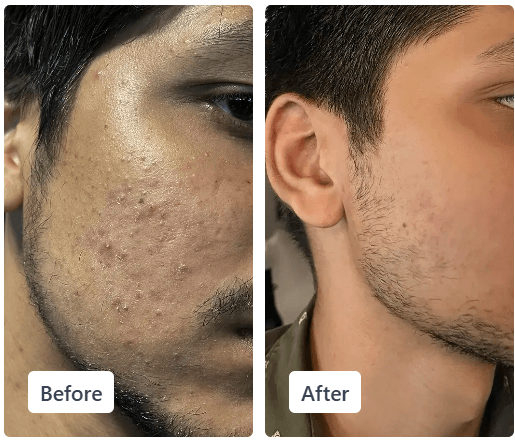
See real results, then start your own
Take the free Clear Ritual Skin Test and get a personalized routine built for your skin's unique patterns.
What Are Whiteheads? How Closed Comedones Actually Form
A whitehead is a type of closed comedone, a pore that has become blocked with a mixture of sebum (skin oil) and dead skin cells, with the skin surface remaining intact over the top. Because the pore stays closed, the contents are not exposed to air, which is why they appear white or skin-coloured rather than dark.
This is the key distinction between a whitehead and a blackhead: the pore opening.
| Feature | Whitehead (Closed Comedone) | Blackhead (Open Comedone) |
|---|---|---|
| Pore opening | Closed | Open |
| Colour | White or skin-toned | Dark brown / black |
| Cause | Sebum + dead cells trapped under skin | Sebum + dead cells oxidised at surface |
| Texture | Slightly raised bump | Flat or barely raised |
| Tendency to inflame | Higher | Lower |
| Treatment focus | Gentle cell turnover, barrier support | Surface exfoliation, pore clearing |
How they form, the causal chain:
- Excess sebum production: Oil glands produce more sebum than the pore can release, often triggered by hormonal changes, stress, or a disrupted skin barrier.
- Abnormal cell shedding (retention hyperkeratosis): Dead skin cells inside the pore lining do not shed normally, because of over-exfoliation, barrier damage, or low cell turnover.
- Pore occlusion: The combination of trapped oil and un-shed cells blocks the follicle.
- Closed surface: Unlike blackheads, the skin surface stays intact, closing off the blockage and forming a whitehead.
Research published in the Journal of Investigative Dermatology confirms that abnormal cornification of the follicular epithelium [not just excess oil alone] is the primary driver of comedone formation [1]. This means cell turnover is just as important as oil control in prevention.
One citable fact: Whiteheads are non-inflammatory comedones; they become inflamed pimples only when Cutibacterium acnes bacteria colonise the blocked follicle [2].
Which Ingredients Actually Help Prevent Whiteheads, and Which Make Them Worse
Knowing which ingredients target whitehead formation, and which ones silently worsen it, matters more than any single product choice.
Ingredients That Support Whitehead Prevention
Salicylic acid (BHA, 0.5 to 2%) is the most well-studied ingredient for comedone prevention. It is oil-soluble, which means it penetrates into the pore lining and dissolves the mixture of sebum and dead cells that cause blockages. A 2014 review in the Journal of Clinical and Aesthetic Dermatology found that salicylic acid significantly reduced both open and closed comedone counts over 12 weeks [3].
Niacinamide (2 to 5%) regulates sebum production, reinforces the skin barrier, and reduces the inflammation that turns closed comedones into active pimples. It is well-tolerated on sensitive skin, making it suitable for daily use.
Polyhydroxy acids (PHAs) [such as gluconolactone and lactobionic acid] offer gentle chemical exfoliation with a lower irritation profile than AHAs or BHAs. They are suitable for those whose skin is too sensitive for salicylic acid.
Retinoids (retinol or prescription tretinoin) normalise the abnormal cell shedding inside the pore, addressing the root mechanism of whitehead formation. Retinoids are considered the gold standard for comedone prevention in dermatology, though they require a slow introduction to avoid barrier disruption.
Ceramides and barrier-repair ingredients [including ceramide NP, cholesterol, and fatty acids] protect the skin barrier. A healthy barrier prevents the oil rebound and cell-shedding disruption that feeds whitehead formation.
Ingredients and Products to Avoid
Some common skincare ingredients are comedogenic [meaning they tend to block pores] and can worsen whitehead formation even when used with good intentions.
- Heavy occlusive oils: coconut oil, cocoa butter, isopropyl myristate, and lanolin rank high on comedogenicity scales and are best avoided on whitehead-prone areas.
- Alcohol-heavy toners: drying alcohols (denat. alcohol, isopropanol) disrupt the barrier and trigger oil rebound, which increases pore blockage.
- Silicone-heavy primers: large cyclopentasiloxane molecules can sit inside pores and contribute to closed comedone formation in sensitive skin types.
- Thick emollient sunscreens: creamy, high-SPF formulations designed for dry skin can block pores. Opt for lightweight gel or fluid SPF formulas.
Quick rule: If a product contains mineral oil, petrolatum, or any heavy wax as a top-five ingredient, check its comedogenicity before using it on breakout-prone areas.
See real results, then start your own
Take the free Clear Ritual Skin Test and get a personalized routine built for your skin's unique patterns.
Your Daily Skincare Routine for Whitehead Prevention: Morning and Evening
A consistent, ordered routine does more for whitehead prevention than any single hero product. The order matters because each step either prepares the skin for the next, or protects the work the previous step did.
Morning Routine (5 Steps)
1. Gentle cleanser
Use a low-foam, pH-balanced cleanser. Morning cleansing removes sweat and excess sebum from overnight without stripping the barrier. Look for ingredients like glycerin or panthenol rather than sulphates as the primary surfactant.
2. Hydrating toner or essence (optional)
A water-based, alcohol-free toner with hyaluronic acid or niacinamide prepares the skin to absorb the next steps more effectively. This is the 'after cleansing' step most people skip, and it matters because well-hydrated skin produces less compensatory sebum.
3. Targeted serum
In the morning, niacinamide (2 to 5%) is the most versatile choice: it controls oil, supports the barrier, and is photostable. Apply to clean, slightly damp skin.
4. Lightweight moisturiser
Even oily, whitehead-prone skin needs a moisturiser. Choose an oil-free, non-comedogenic gel or fluid. Skipping this step triggers oil rebound, the skin produces more sebum to compensate for the moisture it lost during cleansing.
5. Broad-spectrum SPF 30+ (non-comedogenic)
Apply last. Sun damage thickens the outer skin layer, which increases dead-cell buildup inside pores. Use a gel or fluid SPF, not a thick cream formula.
Common morning mistake: Applying SPF directly to dry skin after skipping moisturiser. Moisturiser creates the even base that allows SPF to spread correctly and prevents pilling.
Evening Routine (4 to 5 Steps)
1. Oil cleanser or micellar water (if wearing SPF/makeup)
This is the first cleanse. It removes sunscreen, pollution particles, and makeup without scrubbing, which prevents the friction that irritates pores.
2. Gentle second cleanser
The same low-foam cleanser from your morning routine. Double cleansing in the evening ensures the active ingredients in later steps reach clean skin.
3. Exfoliant (2 to 3 evenings per week, not every night)
Use a 0.5 to 2% salicylic acid solution or a PHA toner on the evenings you exfoliate. Apply to clean, dry skin and leave on, do not rinse. On non-exfoliant nights, skip this step entirely.
4. Retinoid (optional, 2 to 3 nights per week)
If your skin tolerates retinol, apply a low-concentration formula (0.025 to 0.1%) on non-exfoliant nights to normalise cell turnover inside the pore. Never layer retinoid over a salicylic acid step, that stacks irritation unnecessarily.
5. Moisturiser
Apply your barrier-repair moisturiser as the final step. Evening is when the skin's repair processes are most active, so a ceramide-containing formula works harder overnight.
Common evening mistake: Using a physical scrub in addition to a chemical exfoliant in the same session. This double-exfoliates the surface, damages the barrier, and paradoxically increases whitehead frequency within 1 to 2 weeks.
What to Expect: A Realistic Whitehead Prevention Timeline
Skin does not respond to new habits in days, it responds in cycles. The outer layer of the skin renews itself approximately every 28 days in younger adults (this slows with age), which means you need at least one full cycle before you can accurately judge whether a routine is working.
| Timeframe | What Typically Happens |
|---|---|
| Week 1 to 2 | Skin adjusts to new products. Minor purging (temporary increase in small whiteheads) can occur if you introduce a retinoid or salicylic acid, this is normal and indicates cell turnover is accelerating. |
| Week 3 to 4 | Barrier settles. Oiliness may feel more balanced. New whiteheads begin to form less frequently if habits are consistent. |
| Week 6 to 8 | Most people report a visible reduction in whitehead frequency. Texture feels smoother. This is the minimum time before you should assess whether a product is working. |
| Month 3 | Established cell turnover rhythm. Existing congestion has largely cleared. Ongoing habits are now maintenance, not treatment. |
| Month 4 to 6 | If whiteheads persist at this stage despite consistent habits, a dermatologist consultation is appropriate, hormonal factors or deeper comedogenic sensitivities may need targeted prescription treatment (e.g. topical tretinoin or oral contraceptives for hormonal acne). |
What slows down progress:
- Introducing more than one new product at a time (you cannot identify what is working or causing a reaction)
- Over-exfoliating during the adjustment period
- Inconsistency: missing more than 3 to 4 days of routine breaks the adaptation cycle
- Hormonal fluctuations (menstrual cycle, stress spikes) that temporarily increase sebum production
One expectation to set clearly: Most whiteheads you can see today will not disappear within a week of starting a new routine. They were forming for weeks before becoming visible. The goal of a new routine is to stop future whiteheads from forming, not to instantly clear the ones that are already there.
Is This Approach Right for You? Who Gets Whiteheads and Why
The daily habits above work for most whitehead-prone skin types, but the habits alone will not resolve whiteheads caused primarily by internal factors.
Most likely to benefit from habit-only prevention:
- Oily or combination skin with stable, non-hormonal whitehead patterns
- People whose whiteheads appear mainly in the T-zone (forehead, nose, chin)
- Those whose whiteheads worsen after product changes, stress, or humidity
- People new to a consistent skincare routine
May need additional support beyond habit changes:
- Hormonal whiteheads: Consistent breakouts around the jaw, chin, and lower cheeks that worsen in the week before menstruation often have a hormonal driver. Androgens increase sebum production in these areas. Lifestyle habits help but rarely resolve this pattern fully without hormonal or prescription intervention.
- Persistent deep whiteheads (<a href="https://theclearritual.
Editorial Standards
Clear Ritual has Strict sourcing guidelines to ensure our content is accurate and current. We rely on peer-reviewed studies, academic research institutions, and medical associations. We strive to use primary sources and refrain from using tertiary references. See a mistake? Learn More about our Editorial Standards.
Related Articles
Natural Home Remedies for Whiteheads: What Actually Works
Published 13 October 2026

The Clear Ritual’s Guide: 5 Daily Skincare Routine Steps for Acne
Published 20 July 2026
Small Itchy Bumps on Back of Hands: Causes, Types & Treatment
Published 8 October 2026
Milia Symptoms: Causes &Types
Published 20 July 2026