How to Prevent Acne Without Over-Drying Your Skin
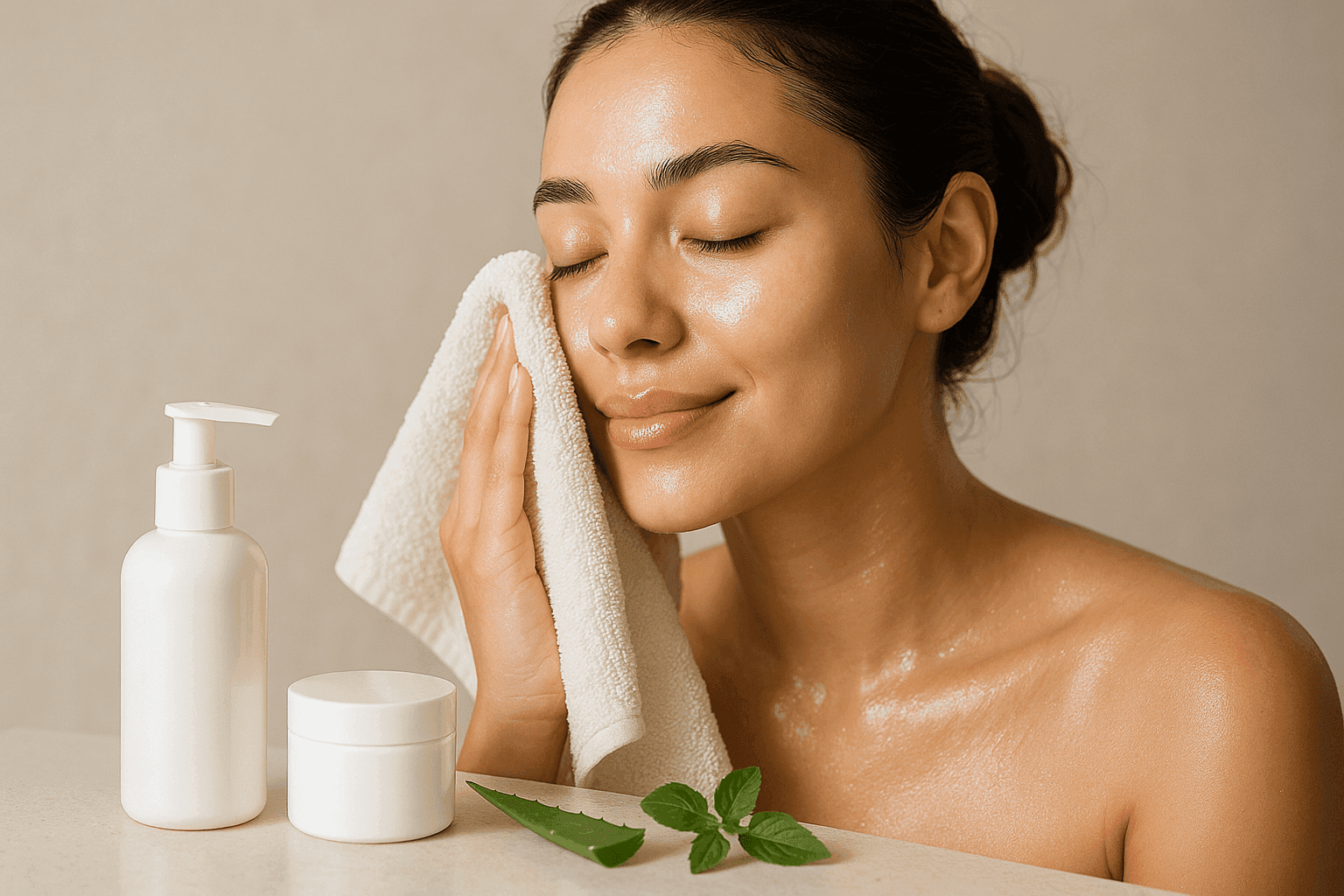
Preventing acne without over-drying your skin means supporting your skin barrier instead of stripping it. Harsh cleansers and drying spot treatments trigger rebound oil production, which can worsen breakouts. Focus on gentle, pH-balanced cleansing, gradually introducing actives like salicylic acid or niacinamide, daily hydration even for oily skin, and consistent SPF use. This balanced approach calms oil production and strengthens the barrier so acne is prevented long term rather than reacted to.
- Use a pH-balanced, non-stripping cleanser twice daily
- Introduce actives like salicylic acid or niacinamide gradually
- Hydrate daily, even oily skin needs moisture
- Apply SPF every morning to protect healing skin
The Myth That Won't Die: "Drying Out" Acne Helps Clear It
We've all seen the logic: oily skin causes acne, so dry it out and the Pimples will disappear.
Except that's not how skin works.
In reality, harsh cleansers and drying spot treatments can backfire, badly. They strip your skin's natural oils, weaken the barrier, and create the perfect storm for irritation, rebound oiliness, and even more breakouts.
The skin's response to being overly dried is simple:
It produces more oil to compensate, which clogs your pores and brings you back to square one.
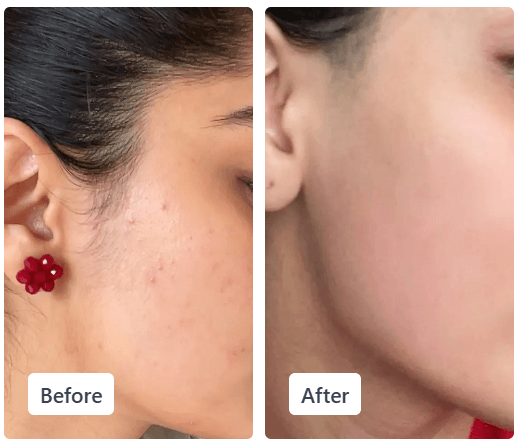
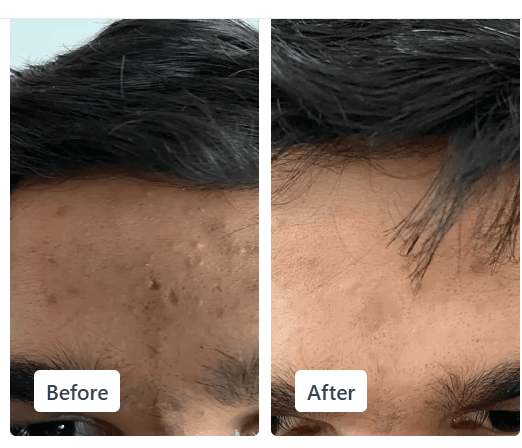
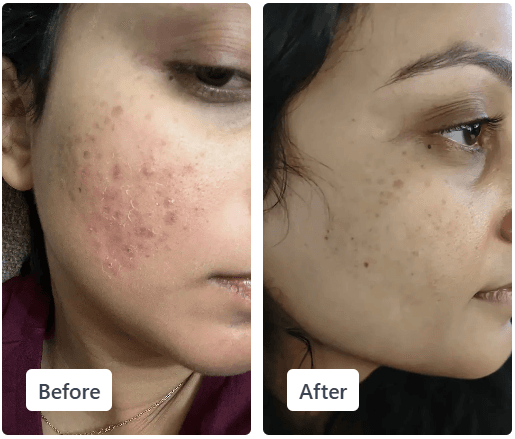
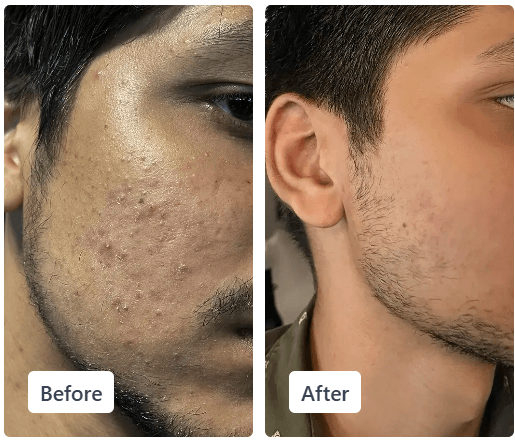
See real results, then start your own
Take the free Clear Ritual Skin Test and get a personalized routine built for your skin's unique patterns.
Understanding the Skin Barrier (and Why It Matters for Acne)
Your skin barrier isn't just a surface layer, it's an intelligent defence system. Made up of lipids, proteins, and water, it does three important things:
- Keeps essential moisture in
- Keeps bacteria and pollutants out
- Calms inflammation from internal and external triggers
When you damage it [by over-cleansing, using too many actives, or skipping moisturiser], your skin becomes more reactive.
That redness, tightness, or flakiness? That's not your skin "purging." That's your barrier telling you it's overwhelmed.
In short, a weak barrier can't fight acne effectively, no matter how many products you use.
Why "Oil Control" Shouldn't Mean "Skin Torture"
Yes, excess sebum plays a role in acne. But oil isn't the villain, imbalance is.
If you go overboard trying to de-oil your skin (think foaming cleansers, multiple exfoliants, daily benzoyl peroxide), two things happen:
- Your skin produces more oil to restore balance
- Your barrier thins out, inviting more inflammation
This leads to a vicious cycle: dryness → irritation → rebound oil → more acne.
The goal isn't to eliminate oil. It's to calm the skin and create an environment where oil flow, exfoliation, and bacterial control stay in harmony.
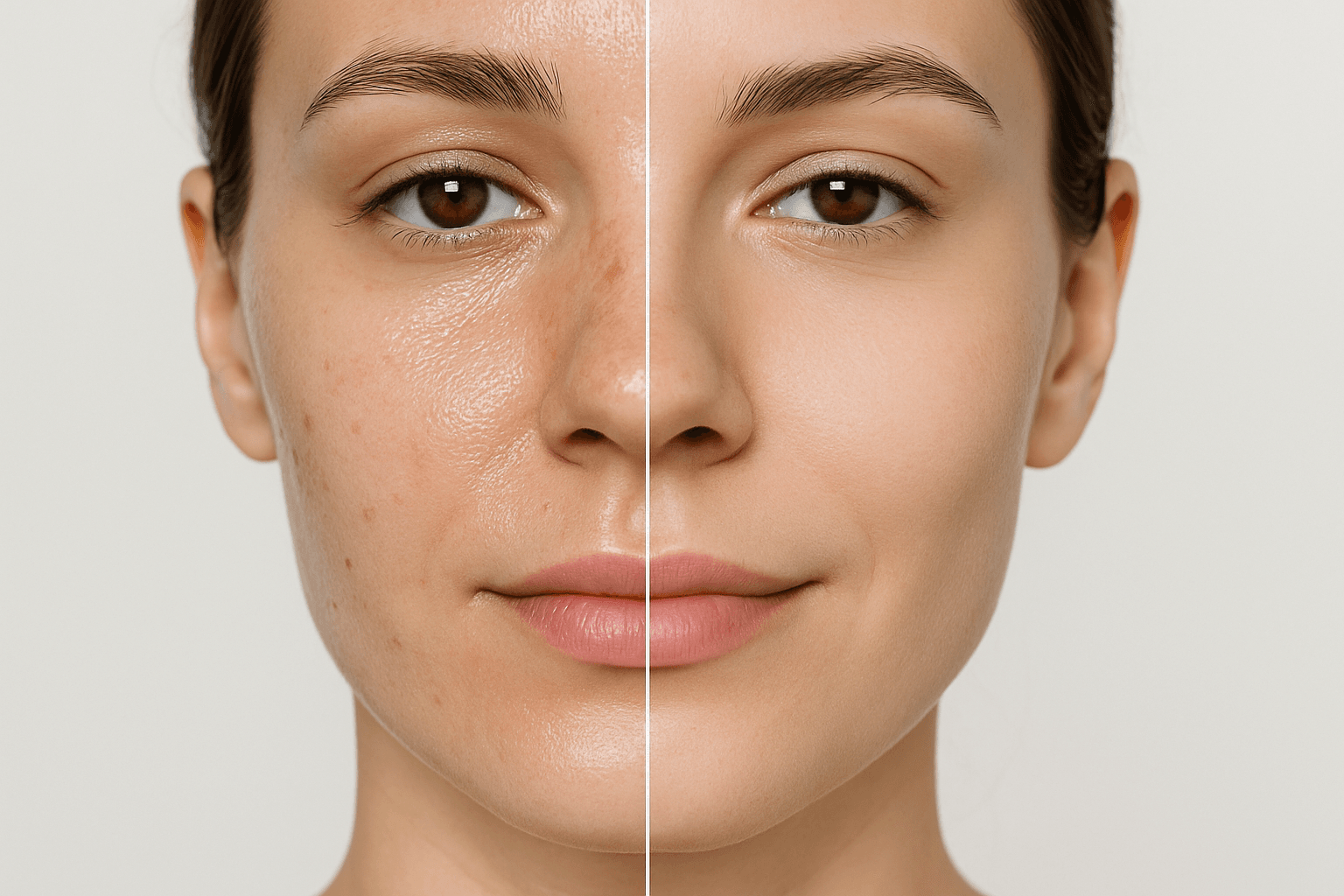
See real results, then start your own
Take the free Clear Ritual Skin Test and get a personalized routine built for your skin's unique patterns.
How to Actually Prevent Acne, Without Making Things Worse
Instead of waging war on your skin, focus on a few core habits that regulate oil, reduce buildup, and protect your barrier at the same time.
1. Use a pH-Balanced, Non-Stripping Cleanser
Start and end your day with a cleanser that removes dirt and oil without leaving your skin tight or squeaky.
Look for:
- Low pH (~5.5)
- Sulfate-free
- Fragrance-free
- Gel-based, if you have oily or acne-prone skin
Cleansing 2x a day is enough. Anything more just creates unnecessary disruption.
2. Introduce Actives Gradually, And Thoughtfully
Your acne doesn't need all the actives. It needs the right ones, used at the right frequency.
Key activities for prevention: (Table)
| Ingredient | Role | Notes |
|---|---|---|
| Salicylic Acid (BHA) | Clears pores, removes excess oil | Use 2-3x/week |
| Niacinamide | Reduces inflammation, balances sebum | Safe for daily use |
| Azelaic Acid | Kills acne-causing bacteria, evens tone | Good for sensitive skin |
| Retinoids | Speeds up cell turnover, prevents clogs | Introduce slowly, PM only |
Start with 1 or 2, not all of them. Give your skin at least 2 weeks to adjust before layering more.
3. Hydrate, No Matter Your Skin Type
Here's a rule to live by: hydrated skin heals faster, scars less, and breaks out less often.
Oily skin can still be dehydrated, especially after exfoliation or during weather changes.
That dehydration makes your sebaceous glands panic and pump out more oil to make up for the loss.
What to use:
- Gel-based moisturizers
- Ingredients like glycerin, panthenol, ceramides
- No strong fragrance or alcohol
Moisturising morning and night ensures your skin stays stable through active use.
4. Sunscreen: Your Anti-Acne Ally
Skipping sunscreen undoes the benefits of every product you use.
Without it, you risk:
- Post-acne pigmentation
- Slower barrier repair
- More inflammation
Choose:
- Lightweight, gel or matte-finish SPF 30+
- Non-comedogenic, broad-spectrum formulas
- One that you'll actually reapply if needed
A good sunscreen makes your skin less reactive, and keeps acne marks from becoming permanent.
Prevention Is a Long Game, Not a Reaction
One of the biggest mistakes people make is only "treating" acne when it shows up.
But breakouts don't form overnight, they start weeks before surfacing.
That's why your skincare should be proactive, not reactive.

Signs your routine is too harsh:
- Skin feels tight after washing
- Flaking or peeling (outside of retinoid use)
- New breakouts after starting a drying product
- Skin gets oilier 4-5 hours after cleansing
If these sound familiar, your skin isn't being helped, it's being flooded.
How The Clear Ritual Builds Prevention into Your Routine
At The Clear Ritual, we focus on long-term balance, not short-term suppression.
Our prevention approach includes:
- Barrier-friendly cleansers
- Low-strength, high-impact actives used at the right cadence
- Daily hydration even for oily skin types
- Guidance that helps you build rhythm, not guesswork
You don't need seven products. You need a consistent ritual your skin trusts.
Take the [Clear Ritual Skin Test] to find your prevention-first routine.
Acne Prevention Without the Damage
| Rule | Why It Matters |
|---|---|
| Gentle cleansing | Clears buildup without stripping your barrier |
| Smart actives | Prevent clogs and calm oil production |
| Daily hydration | Balances oil flow and supports skin healing |
| SPF every morning | Prevents pigmentation and inflammation |
| Avoid over-treatment | Skin that's calm breaks out less |
How Clear Ritual Supports Personalized Skincare Decisions
Clear Ritual understands that acne prevention is more than a surface issue. It is shaped by genetics, skin renewal cycles, environmental factors, and the products you use.
Because acne forms when a damaged barrier triggers rebound oil production and clogged pores, generic solutions rarely bring lasting improvement. Clear Ritual combines traditional wisdom and modern science to address the underlying causes of acne without stripping the skin's natural balance.
The Clear Ritual Skin Test analyses your skin's unique patterns and daily influences to help identify the best routine for supporting healthy skin and reducing acne recurrence.
See real results, then start your own
Take the free Clear Ritual Skin Test and get a personalized routine built for your skin's unique patterns.
Conclusion
Preventing acne without over-drying your skin means protecting the barrier instead of stripping it. Gentle cleansing, gradually introduced actives, daily hydration, and consistent SPF work together to calm oil production and reduce breakouts over time. Treating acne prevention as a long-term process, rather than a reactive fix, helps skin stay balanced and resilient.
Frequently Asked Questions
Does drying out acne actually help clear breakouts?
No. Over-drying strips the skin barrier, leading to irritation and rebound oil production, which can worsen acne instead of preventing it.
Why does my skin get oilier after using drying acne products?
When your skin loses moisture, it compensates by producing more oil to restore balance. This rebound oil can clog pores and trigger new breakouts.
Can oily skin still be dehydrated?
Yes. Oily skin can lack water even if it produces excess oil. Dehydration weakens the barrier and increases inflammation, making acne harder to control.
What ingredients help prevent acne without damaging the barrier?
Ingredients like niacinamide, azelaic acid, gentle retinoids, and low-frequency salicylic acid help regulate oil and prevent clogs without excessive irritation.
Is moisturiser necessary for acne-prone skin?
Absolutely. Using a lightweight, non-comedogenic moisturiser helps balance oil production, support barrier repair, and reduce the frequency of breakouts.
Editorial Standards
Clear Ritual has Strict sourcing guidelines to ensure our content is accurate and current. We rely on peer-reviewed studies, academic research institutions, and medical associations. We strive to use primary sources and refrain from using tertiary references. See a mistake? Learn More about our Editorial Standards.