How Can Sunscreen Protect Breakout-Prone Skin Without Clogging Pores?

sunscreen for breakout-prone skin can protect your skin from harmful UV exposure without necessarily clogging pores when you choose a suitable formulation and use it correctly.
The American Academy of Dermatology recommends that people with breakout-prone skin look for sunscreens labelled “non-comedogenic” or “won’t clog pores”, while published research describes human testing methods used to assess whether cosmetic formulations are likely to promote comedones.
However, no label can guarantee the same response for every person's skin.
You do not need to choose between protecting your skin from the sun and worrying about another product sitting heavily on breakout-prone skin. This article explains what to look for, how to use sunscreen correctly, and what to do if you notice clogged pores or breakouts.
How Should You Use Sunscreen for Breakout-Prone Skin to Reduce the Risk of Clogged Pores?
Using sunscreen correctly can help prevent unnecessary product buildup while ensuring your skin remains protected from UV exposure. Follow these simple steps when using an gel sunscreen for breakout-prone skin:
Step 1: Start With Clean Skin
Prepare your skin before applying sunscreen:
- Cleanse gently.
- Pat skin dry.
- Avoid harsh scrubbing.
Step 2: Apply an Appropriate Amount of Sunscreen
Apply enough for even coverage:
- Cover exposed skin evenly.
- Do not apply too little.
- Avoid excessive product layering.
Step 3: Avoid Layering Too Many Heavy Products
Keep your daytime routine comfortable:
- Choose lightweight products.
- Avoid unnecessary heavy layers.
- Let products settle between layers.
Step 4: Reapply When Needed
Maintain protection throughout the day:
- Follow product instructions.
- Consider your sun exposure.
- Reapply after sweating or water exposure.
Step 5: Cleanse Your Skin at the End of the Day
Remove the day's accumulated products:
- Remove sunscreen and makeup.
- Cleanse gently.
- Follow a consistent routine.
What Should You Look for in a Sunscreen for Breakout-Prone Skin That Does Not Clog Pores?
Look beyond the word “breakouts” on the label. A suitable sunscreen for breakout-prone skin should provide reliable sun protection while having a formulation and texture that feels comfortable on your skin.
Your individual skin response also matters, as no label can guarantee that a product will suit everyone.
Labels and Textures That Keep Sunscreen Lightweight
Look for non-comedogenic labelling, which indicates that the formulation is designed to reduce the likelihood of blocking pores.
Lightweight gel or fluid textures may also feel more comfortable on oily or breakout-prone skin. Whether you choose a sunscreen for breakout-prone skin or another formulation, broad-spectrum protection remains important for protecting against both UVA and UVB rays.
Ingredients That Support Breakout-Prone Skin
Some sunscreens contain additional ingredients that may suit breakout-prone skin or improve how comfortable the formulation feels.
However, these ingredients do not automatically address breakouts, and the complete formulation still matters.
- Zinc oxide and titanium dioxide: Mineral UV filters that provide sun protection by interacting with and scattering, reflecting, and absorbing UV radiation. They may be suitable for some people with sensitive or breakout-prone skin.
- Niacinamide: A form of vitamin B3 that may support the skin barrier and help regulate sebum production. It may also help improve the appearance of uneven skin tone over time.
- Hyaluronic acid: A humectant that attracts and retains water, providing hydration without necessarily adding a heavy or oily feel.
- Centella asiatica: A plant-derived ingredient commonly included in skincare for its soothing properties. Its effects depend on the formulation and concentration.
- Silica: An absorbent ingredient that may help reduce the appearance of surface shine and create a more matte finish.
Ingredients That May Feel Heavy or Irritate the Skin
Some sunscreen ingredients or formulations may feel heavy or cause irritation for certain people, particularly if you have oily, sensitive or breakout-prone skin.
However, the complete formulation and your individual skin response matter more than any single ingredient.
- Chemical UV filters: Some chemical filters, including oxybenzone, avobenzone and octinoxate, may cause irritation or sensitivity in certain individuals. However, many people use these filters without problems.
- Heavy oils and waxes: Rich oils, waxes and certain emollient ingredients may feel greasy or heavy on some skin types. Their effect on clogged pores can vary depending on the complete formulation.
- Added fragrances and essential oils: Fragrance ingredients may trigger irritation or allergic contact dermatitis in sensitive individuals.
- Drying alcohols: Alcohol-based formulations can feel lightweight and dry quickly, but some people may experience dryness or irritation, particularly when their skin barrier is already compromised.
What Are the Benefits of Sunscreen for Skin Prone to Clogged Pores?
The main sunscreen for breakout-prone skin benefits come from providing daily sun protection in a formulation that may feel comfortable for people concerned about oily or congestion-prone skin.
Some gel sunscreen for breakout-prone skin benefits may also relate to its lightweight texture, depending on the specific formulation. Key benefits may include:
- Daily UV protection: Broad-spectrum sunscreen helps protect the skin from both UVA and UVB radiation.
- A lighter skin feel: Gel formulations may feel less heavy or greasy for some people with oily or breakout-prone skin.
- Better routine compatibility: A sunscreen that feels comfortable on the skin may be easier to apply consistently as part of your daily routine.
- Protection for post-breakout marks: Regular sun protection can help limit further darkening of post-inflammatory marks caused by UV exposure.
Can Gel Sunscreen Cause Clogged Pores or Breakouts?
It depends on the formulation and how your individual skin responds. While a sunscreen may suit many people, no formulation works the same way for every skin type.
Product buildup, irritation, or an unsuitable formulation may contribute to breakouts in some cases. However, developing pimples after starting a new sunscreen does not automatically mean the product caused them, as other changes in your skincare routine or lifestyle may also play a role.
If you notice persistent clogged pores, breakouts, or skin irritation after introducing a sunscreen, consider when the symptoms started and what other products you began using at the same time.
What Should You Do If Your Sunscreen Seems to Cause Breakouts?
Before blaming the sunscreen, play skin detective. Sunscreen-related breakouts can have several possible triggers, so look at the timing, your wider skincare routine, and where the breakouts are appearing.
Start by checking the following:
- Check the timing: Did the breakouts start after you introduced the sunscreen?
- Review other products: Did you start anything else at the same time?
- Check the location: Where are the breakouts appearing?
- Stop if irritation develops: Seek skincare advice for significant irritation.
- Seek professional advice: See a skin expert if breakouts persist or worsen.
What Is the Key Takeaway About Sunscreen and Clogged Pores?
Sunscreen does not automatically cause clogged pores. The formulation, how you use it, and your individual skin response can all make a difference.
Choose a sunscreen for breakout-prone skin with a texture that feels suitable for your skin, apply it correctly, and pay attention to how your skin responds over time. If a product repeatedly seems to cause irritation or breakouts, consider changing your routine or seeking professional advice.
Clear Ritual’s Perspective on Sunscreen for Breakout-Prone Skin
Clogged pores and breakouts can have different triggers, so instead of avoiding sunscreen altogether, focus on choosing a formulation that suits your skin and using it as part of a balanced skincare routine.
This may mean selecting a lightweight texture, reducing unnecessary product layering, or identifying ingredients that irritate your skin.
At Clear Ritual, we believe understanding your skin concerns is the first step towards building an effective skincare routine.
The Clear Ritual Skin Test can help you identify your skin type and concerns, making it easier to build a routine suited to your skin's needs.
Find a Routine That Suits Your Skin
Take the Clear Ritual Skin Test to understand your skin type, breakout patterns and routine needs.
Take the Free Skin Test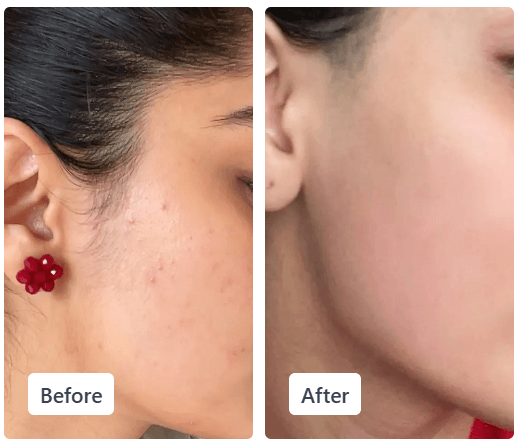
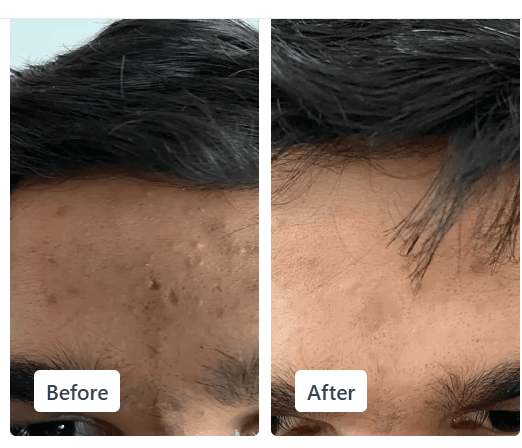
Frequently Asked Questions
1. Is sunscreen suitable for breakout-prone skin?
It can be suitable for breakout-prone skin if the formulation feels comfortable and does not repeatedly trigger irritation or breakouts. Look for appropriate broad-spectrum protection and consider your individual skin response.
2. Can gel sunscreen for breakout-prone skin clog pores?
It depends on the formulation and your skin. A sunscreen labelled non-comedogenic is designed to reduce the likelihood of clogged pores, but no product can guarantee the same response for everyone.
3. How can you prevent sunscreen from feeling heavy on your skin?
Choose a lightweight texture, avoid unnecessary layering of heavy products, and keep your daytime routine simple. Pay attention to how the complete sunscreen formulation feels on your skin.
4. What are the possible side effects of gel sunscreen for breakout-prone skin?
Some people may experience irritation, dryness, or breakouts if a formulation does not suit their skin. A breakout after starting sunscreen does not automatically mean the sunscreen is the cause.
5. Can sunscreen help prevent post-breakout marks from getting darker?
Yes, regular sun protection can help limit further UV-related darkening of post-inflammatory marks. Choose broad-spectrum protection and use it consistently as part of your daily skincare routine.
References
- Kundu RV, et al. (2020). The Role of Sunscreen in Melasma and Postinflammatory Hyperpigmentation. Indian Journal of Dermatology.
- Dréno B, et al. (2023). Sun Exposure, a Relevant Exposome Factor in People With Breakout-Prone Skin and How Photoprotection Can Improve Outcomes. Journal of Cosmetic Dermatology.
- Weiss C, Caswell M. (2017). Non-Comedogenic and Non-Blemish-Forming Claim Substantiation. Journal of Cosmetic Science.
- American Academy of Dermatology. How Do I Know If I Am Using the Right Sunscreen?
Disclaimer: This article is intended for general skincare education and does not replace personalised guidance. Seek advice from a qualified skin expert for persistent, painful or worsening irritation and breakouts.
Editorial Standards
Clear Ritual has Strict sourcing guidelines to ensure our content is accurate and current. We rely on peer-reviewed studies, academic research institutions, and medical associations. We strive to use primary sources and refrain from using tertiary references. See a mistake? Learn More about our Editorial Standards.