Dry Skin and Pimples: Can Dehydration Cause Breakouts?
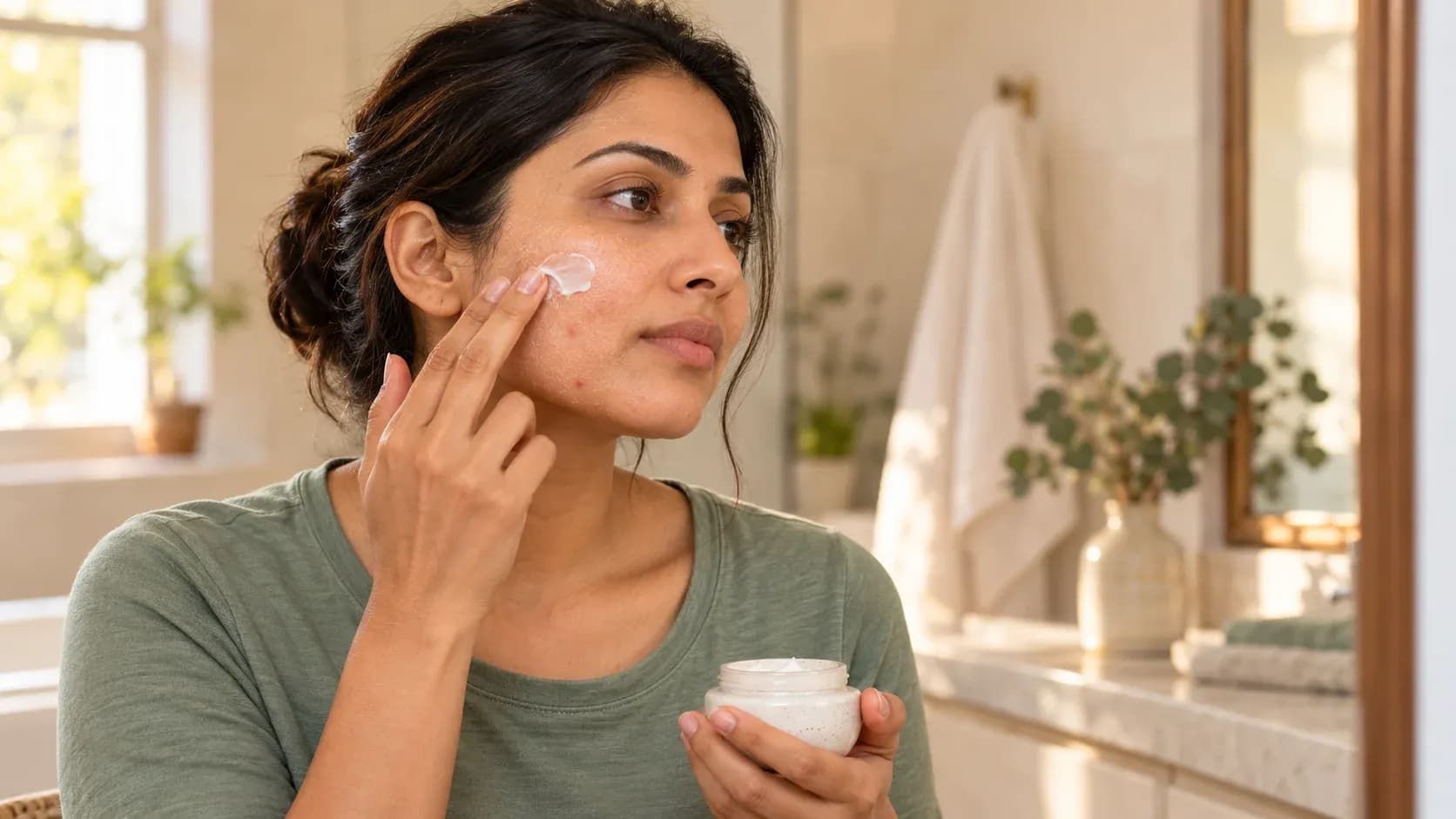
Quick Answer:
Yes: dehydration can cause acne. When skin loses more water than it takes in, it overproduces oil to compensate. That excess oil mixes with dead skin cells that aren't shedding properly, clogs pores, and creates conditions where acne-causing bacteria thrive. You can have dehydrated skin and active breakouts at the same time: and for many people, the dehydration is the direct cause.
What Is Dehydration Acne?
Dehydration acne is a distinct breakout type caused by your skin's oil-water balance tipping too far toward dryness: not by excess oiliness. When the skin's outer layer loses water faster than it can be replenished, three things happen:
- Sebum surges: Sebaceous glands ramp up oil production to protect the surface, even when the surface already feels oily.
- Dead cells accumulate: Dehydrated skin doesn't shed properly, so dead cells pile up and trap excess sebum beneath them.
- The barrier breaks down: A weakened lipid barrier allows acne-causing bacteria (Cutibacterium acnes) to penetrate deeper, triggering inflammation and red, tender pimples.
The result is a self-reinforcing cycle: the drier the skin gets, the more oil it produces, and the more breakouts occur. Clear Ritual's skin specialists identify this dehydration-driven pattern as one of the most frequently misdiagnosed skin states: because it looks like an oil problem when it is, in fact, a water problem.
What Does Dehydration Acne Look Like?
Dehydration acne has a specific appearance that sets it apart from typical oily-skin breakouts. Knowing the signs helps identify the correct cause.
Dehydration bumps typically appear as:
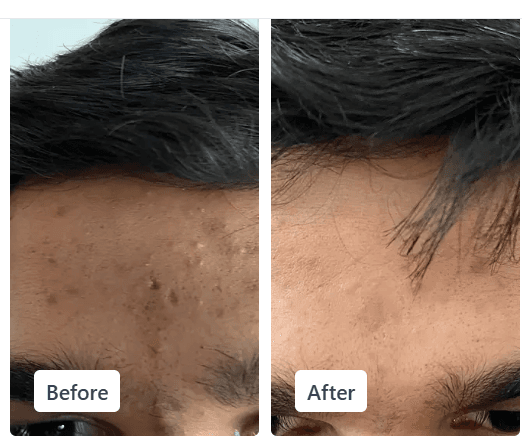
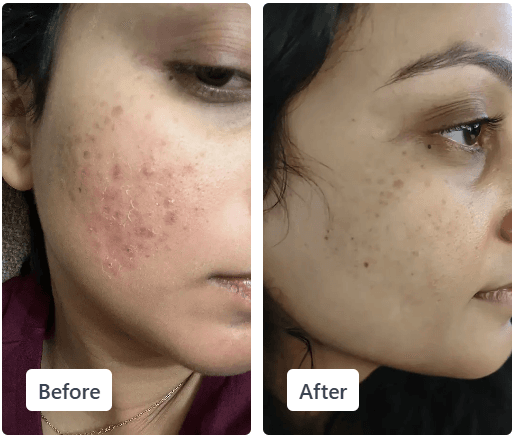
- Small, flesh-coloured or white bumps just under the skin surface: these are closed comedones (sealed pores), not inflamed red pustules
- Clustered rough patches rather than isolated individual spots
- Concentrated around the jawline, chin, and cheeks: areas where skin loses water fastest and dead-cell buildup is most pronounced
- Accompanied by tightness or flaking in the same zone as the bumps
- A dull, grey-looking complexion between breakouts, lacking the glow of well-hydrated skin
What do dehydration bumps feel like?
Running fingertips lightly across the affected area, dehydration bumps feel like sandpaper or fine roughness beneath the skin: not the soft, squishy feel of a developing pimple or the firm raised texture of a cyst. The rough texture is often more noticeable by touch than by sight.
Dehydration acne and closed comedones: Dehydration acne most often manifests as closed comedones. A closed comedone forms when a pore is blocked by sebum and dead skin cells but remains sealed at the surface. Dehydrated skin's impaired cell turnover is what seals the pore shut: which is why standard oily-skin treatments like drying benzoyl peroxide washes actually worsen dehydration acne. They increase dehydration, which triggers more compensatory sebum, which clogs more pores.
What Causes Dehydration Acne?
Multiple internal and external factors can strip skin of moisture while simultaneously triggering breakouts.
Skincare habits:
- Harsh cleansers containing high concentrations of sulfates, alcohol, or alkaline ingredients strip the skin's natural protective oils
- Over-cleansing: washing more than twice daily in response to oiliness: worsens the dehydration driving that oiliness
- Over-exfoliating removes too many surface cells at once, leaving the barrier exposed
- Skipping moisturiser because of fear it will cause breakouts actually triggers more compensatory oil production
- Using acne treatments formulated for oily skin on already dry or dehydrated skin creates excessive dryness and paradoxical breakouts
Environmental factors:
- Cold weather with low humidity pulls moisture from the skin surface
- Indoor heating and air conditioning accelerate transepidermal water loss (TEWL)
- UV radiation damages the lipid barrier directly and triggers oxidative stress that impairs the skin's ability to retain moisture
Lifestyle factors:
- Chronic sleep deprivation reduces the skin's overnight barrier repair: deep sleep is when the body rebuilds collagen and elastin in skin tissue
- Elevated cortisol from ongoing stress triggers systemic inflammation and increased sebum production
- Insufficient water intake means the body prioritises hydration for vital organs over skin
- Excessive caffeine and alcohol act as diuretics, depleting the body's water reserves
Dietary patterns:
- High-glycemic foods cause insulin spikes that increase sebum production and inflammation
- Diets low in omega-3 fatty acids reduce structural support for the skin's lipid barrier
- Low electrolyte intake impairs cellular fluid balance, affecting skin cells directly
How Does Dehydration Affect the Skin Barrier?
The skin barrier is the direct link between dehydration and breakout formation. Understanding this mechanism explains why hydrating, rather than drying, is the correct treatment approach.
The skin's outermost layer: the stratum corneum: consists of dead skin cells held together by lipids: ceramides, cholesterol, and fatty acids. When properly hydrated, this layer remains flexible and intact. Dehydration disrupts this structure in three measurable ways:
- The lipid matrix develops microscopic cracks, creating gaps through which water evaporates and bacteria enter
- Natural moisturising factors (NMFs): the water-soluble amino acids that keep the outer layer flexible: become depleted
- The desquamation process (normal dead-cell shedding) slows, causing dead cells to accumulate on the surface
These accumulated dead cells physically trap sebum beneath the skin. Cutibacterium acnes bacteria, which normally live harmlessly on the skin surface, can penetrate through barrier gaps into deeper layers. The immune system mounts an inflammatory response, producing red, painful pimples. Meanwhile, the irregular cell structure continues trapping sebum and debris, forming new comedones.
Research shows that elevated transepidermal water loss (TEWL): the rate at which water evaporates through the outer skin layer: is consistently associated with increased acne severity. The inflammation from barrier disruption itself activates signalling pathways that increase sebum production, perpetuating the cycle. According to Clear Ritual's skin science team, addressing barrier repair directly: not just treating surface breakouts: is what breaks this cycle.
Who Gets Dehydration Acne? How It Affects Different Skin Types
Any skin type can become dehydrated, but the way dehydration acne appears varies by skin type.
Naturally dry skin lacks sufficient sebum production even when well-hydrated. Adding dehydration creates severe tightness and visible flaking. Breakouts typically appear as small closed comedones and occasional inflamed papules, often concentrated around the jawline and chin where hormonal influences compound dehydration-driven congestion.
Oily skin can also become dehydrated: a state called oily-dehydrated skin. The surface feels greasy, yet the deeper layers are parched. This type experiences frequent breakouts across the forehead, nose, and chin, with larger inflamed lesions mixed with smaller congestion. Both triggers operate simultaneously: excess oil from overactive sebaceous glands and compensatory oil from dehydration.
Combination skin shows the contrast most clearly: an oily, broken-out T-zone alongside dry, tight cheeks. Dehydration exacerbates this imbalance, making the oily zones oilier while the dry areas become flakier and more sensitive.
Normal or balanced skin typically has more resilience against temporary dehydration. However, prolonged moisture deprivation will eventually compromise even healthy skin's barrier function, leading to reactive breakouts and sensitivity.
Signs Your Breakouts Are Dehydration-Related
Recognising the specific signs of dehydration-driven acne helps direct treatment toward the actual cause.
| Sign | What It Indicates | Skin Response |
|---|---|---|
| Tightness after cleansing | Stripped lipid barrier | Increased compensatory oil production |
| Flaking alongside pimples | Impaired cell turnover | Clogged pores beneath dead cells |
| Oily T-zone, dry cheeks | Uneven moisture distribution | Localised sebum overproduction |
| Stinging from products | Compromised barrier | Inflammation and sensitivity |
| Dull, rough texture | Dehydrated surface cells | Poor light reflection |
| Small flesh-coloured bumps | Closed comedones | Sealed pores, not inflamed lesions |
A key diagnostic signal: Skin that feels oily a few hours after washing but tight immediately after cleansing indicates that sebaceous glands are overproducing to compensate for surface dehydration: not that the skin is genuinely oily by nature.
Dehydration Acne vs Oily-Skin Acne: What Is the Difference?
Most acne treatments are designed for oily skin. Applying those treatments to dehydration-driven breakouts typically makes the skin worse. Here is how to distinguish between the two.
| Dehydration Acne | Oily-Skin Acne | |
|---|---|---|
| Skin feel after cleansing | Tight, sometimes flaky | Oily again within an hour |
| Primary pimple type | Closed comedones and small papules | Mix of open comedones, pustules, and nodules |
| Skin appearance | Dull, rough, patchy | Shiny, with enlarged pores |
| Where breakouts concentrate | Jawline, cheeks, chin | Forehead, nose, chin (T-zone) |
| Response to moisturiser | Breakouts improve with the right formula | Breakouts may worsen with heavy formulas |
| Response to drying treatments | Gets worse | May improve short-term |
| Root cause | Water deficit → compensatory oil → clogged pores | Chronic excess sebum production |
In one line: Oily acne is a production problem. Dehydration acne is a balance problem: the skin produces oil it would not need if it had enough water.
Can you have both at the same time? Yes. Oily-dehydrated skin produces excess sebum and simultaneously lacks water. It is one of the most common and most misunderstood skin states. Treatment must address both: hydration to reduce compensatory sebum, and sebum-regulating care for the underlying overproduction.
Does Not Drinking Enough Water Cause Acne? What the Research Says
Not drinking enough water contributes to acne, but the relationship is more nuanced than a simple fluid quota.
What research shows:
- A 2015 study published in Clinical, Cosmetic and Investigational Dermatology found that increased daily water intake significantly improved hydration in both superficial and deep skin layers in participants who previously had low consumption: with measurable improvements in elasticity and surface roughness.
- A 2022 review in the Journal of Clinical Medicine noted that elevated transepidermal water loss (TEWL) is a reliable marker of barrier dysfunction and is consistently associated with increased acne severity.
- A 2020 study in Nutrients found that omega-3 fatty acid supplementation reduced both skin hydration loss and inflammatory acne lesion counts, indicating that dietary support for the lipid barrier has a measurable effect on breakout frequency.
What this means in practice:
- Drinking water improves skin hydration, particularly in people who are currently under-hydrated
- Better-hydrated skin has a more intact barrier: meaning fewer clogged pores and less bacterial penetration
- Water intake alone will not clear acne if the root cause is hormonal, genetic, or microbiome-related
- The effect is most pronounced in people who are genuinely dehydrated, not in people who already drink adequate fluids
How much water is enough?
- Aim for pale yellow urine throughout the day: the most reliable real-world hydration marker
- Increase intake in hot weather, during exercise, or in air-conditioned environments, all of which accelerate water loss
- Limit alcohol and excess caffeine: both act as diuretics
- Eat water-rich foods: cucumbers, watermelon, celery, and oranges contribute meaningfully to total daily fluid intake
- Do not rely on thirst alone: by the time thirst appears, skin has already been drawing on reserves
How to Treat Dehydration Acne: A Step-by-Step Routine
Addressing dehydration-related breakouts requires a different approach than managing typical oily acne. The goal is barrier repair and hydration: not oil stripping.
Step 1: Switch to a gentle, pH-balanced cleanser Choose cream or gel cleansers with a pH close to the skin's natural 5.5. Avoid harsh surfactants like sodium lauryl sulfate. Cleanse only twice daily: morning and evening: even when skin feels oily. The oiliness is most often a response to previous over-cleansing.
Step 2: Apply a hyaluronic acid or glycerin serum On slightly damp skin, apply a lightweight water-based serum containing hyaluronic acid or glycerin. These humectants draw water into the skin's surface layers. Applying on damp skin maximises their effectiveness.
Step 3: Seal with a ceramide-containing moisturiser Follow immediately with a moisturiser containing ceramides and fatty acids to rebuild the lipid barrier. This seals in the hydration from step two and prevents transepidermal water loss from undoing the work.
Step 4: Use acne treatments as targeted spot treatments only If using actives like salicylic acid (0.5 to 2%) or low-percentage benzoyl peroxide, apply them only to active breakouts: not across the whole face. Always follow with moisturiser. All-over application on dehydrated skin worsens the underlying water deficit.
Step 5: Add niacinamide for dual action Niacinamide supports barrier function and regulates sebum production simultaneously: making it particularly suited to dehydration acne. Apply it after cleansing and before heavier moisturisers.
Step 6: Apply broad-spectrum SPF daily UV radiation damages the lipid barrier and triggers inflammation. Daily sunscreen application protects barrier integrity and prevents the UV-driven dehydration that compounds breakouts.
Step 7: Limit exfoliation Restrict chemical exfoliation to once or twice weekly at most. When the skin feels particularly dry or sensitive, skip it entirely until the barrier recovers. Avoid physical scrubs.
Nutrition and Hydration for Clearer Skin
What you consume directly affects the skin's hydration status and breakout tendency. Clear Ritual's approach recognises that skin health cannot be fully addressed with topical products alone.
Omega-3 fatty acids support the skin's lipid barrier. Found in fatty fish, walnuts, and flaxseeds, these essential fats maintain the structural integrity of cell membranes and reduce systemic inflammation. Studies show omega-3 supplementation can improve skin hydration and reduce inflammatory acne lesion counts.
Antioxidant-rich foods combat oxidative stress that damages the barrier. Colourful vegetables and fruits provide vitamins A, C, and E, which support cell turnover, collagen production, and barrier repair. Vitamin C in particular helps skin retain moisture while supporting healing.
High-glycemic foods spike insulin and insulin-like growth factor, both of which increase sebum production and inflammation. Reducing refined carbohydrates and sugars is a practical first step for acne-prone individuals.
Dairy contains hormones that may trigger breakouts in some individuals. Tracking skin response after consumption helps identify personal dietary triggers.
Electrolyte balance: adequate sodium, potassium, and magnesium: supports cellular fluid regulation, including in skin cells. Insufficient electrolytes impair cellular function throughout the body.
What to Expect: Dehydration Acne Recovery Timeline
Dehydration acne typically responds faster than hormonal or genetic acne when the right routine is applied consistently.
| Timeframe | What Typically Happens |
|---|---|
| Week 1 to 2 | Reduction in tightness and reactive sensitivity; fewer new breakouts forming; existing breakouts still visible |
| Week 3 to 4 | Skin texture begins to smooth; closed comedones start to resolve as cell turnover normalises; redness fades faster |
| Month 2 to 3 | Significant clearing visible in most dehydration-driven cases; breakout frequency reduces; compensatory oil cycle slows |
| After 8 weeks with no improvement | Other causes likely involved: hormonal, microbiome, or dietary: dermatologist assessment warranted |
Note on purging: If switching from drying acne treatments to a gentler, hydrating routine, a brief purge: congestion rising to the surface as cell turnover normalises: may occur in the first one to two weeks. This is temporary and expected.
Factors that affect recovery speed:
| Factor | Speeds Recovery | Slows Recovery |
|---|---|---|
| Cleansing frequency | Once or twice daily with a gentle cleanser | Washing more than twice daily or using harsh cleansers |
| Moisturising | Ceramide-rich moisturiser applied consistently | Skipping moisturiser because the skin feels oily |
| Active ingredients | Low frequency and targeted application | Layering multiple acids or drying products |
| Hydration | Regular water intake and water-rich foods | Ongoing low fluid intake and excess alcohol |
| Sleep and stress | Consistent sleep and stress management | Chronic sleep loss and elevated stress |
| Environment | Humidifier use and daily sun protection | Prolonged air conditioning, heating, or UV exposure |
When Should You See a Dermatologist?
Consult a dermatologist if breakouts remain unchanged after eight weeks of consistent barrier-focused care, become painful or cystic, leave persistent marks, or occur with severe redness, cracking, or burning. Professional assessment can determine whether the bumps are caused by dehydration, hormonal acne, folliculitis, eczema, or another skin concern.
A dermatologist may adjust the frequency of active ingredients, recommend a prescription treatment, or help rebuild the skin barrier before acne-focused products are reintroduced.
Clear Ritual's Perspective on Dry Skin and Pimples
Dryness, dehydration, and acne can occur together. Treating every breakout as an excess-oil problem may worsen the water deficit and create more congestion.
Focus first on gentle cleansing, consistent hydration, barrier support, and carefully introduced acne ingredients. The Clear Ritual Skin Test can help identify whether your skin is dry, dehydrated, oily-dehydrated, or sensitive before you build a routine.
Understand What Your Skin Needs
Identify your skin type and concerns to build a focused routine without unnecessary product overload.
Take the Free Skin Test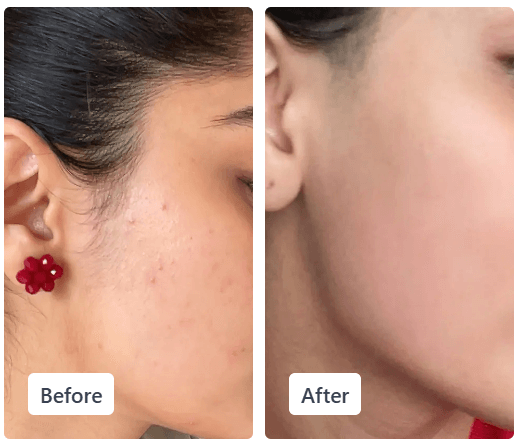
Frequently Asked Questions
Q: Can dry skin cause pimples?
A: Yes. Dry or dehydrated skin can accumulate dead skin cells and produce compensatory oil, which may contribute to clogged pores and breakouts.
Q: What does dehydration acne look like?
A: It commonly appears as small flesh-coloured bumps, closed comedones, rough patches, flaking, and pimples occurring alongside tightness.
Q: Can drinking more water clear acne?
A: Adequate water intake can support skin hydration when a person is under-hydrated, but it will not independently resolve acne caused by hormones, genetics, or other factors.
Q: Should dehydrated acne-prone skin use moisturiser?
A: Yes. A lightweight, non-comedogenic moisturiser containing ceramides or other barrier-supporting ingredients can help reduce water loss without unnecessarily clogging pores.
Q: How long does dehydration acne take to improve?
A: Tightness may improve within one to two weeks, while texture and closed comedones may require four to eight weeks of consistent care.
Q: Can oily skin also be dehydrated?
A: Yes. Oily-dehydrated skin can produce excess surface sebum while lacking sufficient water in its outer layers.
References
- American Academy of Dermatology. Moisturizer: Why you may need it if you have acne.
- American Academy of Dermatology. Skin care habits that can worsen acne.
- National Institute for Health and Care Excellence. Acne vulgaris: Management.
- National Health Service. Acne.
Disclaimer
This article is intended for general informational purposes and is not a substitute for personalised medical advice, diagnosis, or treatment. Consult a qualified dermatologist if breakouts are persistent, painful, severe, or leaving scars.
Editorial Standards
Clear Ritual has Strict sourcing guidelines to ensure our content is accurate and current. We rely on peer-reviewed studies, academic research institutions, and medical associations. We strive to use primary sources and refrain from using tertiary references. See a mistake? Learn More about our Editorial Standards.
Related Articles
Oily Skin and Pimples: How to Manage Excess Sebum
Published 20 July 2026
Whiteheads on Oily vs Dry Skin: Treatment Differences Explained
Published 20 July 2026
Scalp Pimples: Causes & Treatment Options
Published 20 July 2026
Blackheads on Different Skin Types: Custom Skincare Routines
Published 20 July 2026