Skincare Ingredients That Support Scar Healing
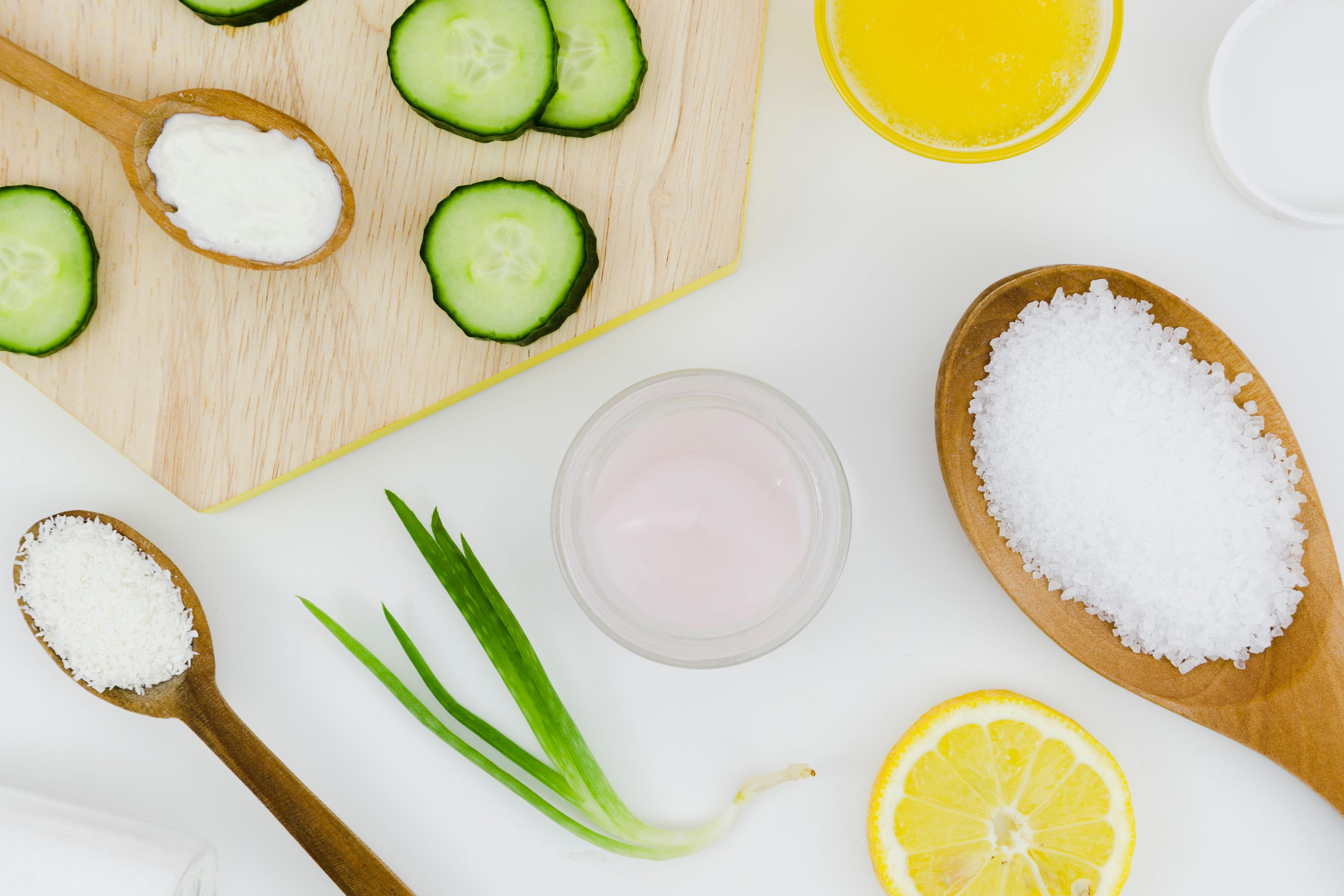
Scar healing improves when skincare ingredients support collagen remodeling, reduce inflammation, and regulate hydration during the skin's natural repair phases. Silicone, vitamin C, niacinamide, and retinoids each play distinct roles, from stabilizing collagen to fading discoloration and refining texture. Topical care cannot erase scars completely, but consistent use over weeks to months can noticeably soften their appearance and support healthier tissue formation.
- Silicone creates an optimal healing environment by maintaining hydration
- Vitamin C, niacinamide, and retinoids support collagen production and cell turnover
- Visible improvement typically takes 8 to 12 weeks or longer of consistent use
What Happens When Skin Forms a Scar
When skin sustains an injury - whether from acne, surgery, burns, or trauma - the body initiates a complex repair sequence. The wound closes through three overlapping phases: inflammation, tissue formation, and remodeling.
During inflammation, blood vessels dilate and immune cells rush to the site to prevent infection. This is when you notice redness, warmth, and swelling. The tissue formation phase involves fibroblast cells producing collagen to rebuild the damaged area. However, this new collagen often forms in a different pattern than undamaged skin, creating texture differences.
The remodeling phase can last months to years. During this time, the body reorganizes collagen fibers and breaks down excess tissue. How this phase progresses determines whether a scar remains raised, depressed, discolored, or relatively flat and smooth.
Factors that disrupt normal healing include repeated trauma to the area, infection, poor circulation, UV exposure during healing, and genetic predisposition to abnormal scarring. Smoking reduces oxygen delivery to healing tissue, while high sugar intake can impair collagen quality through glycation.
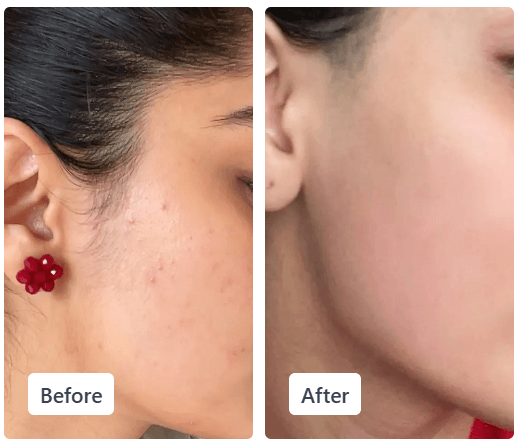
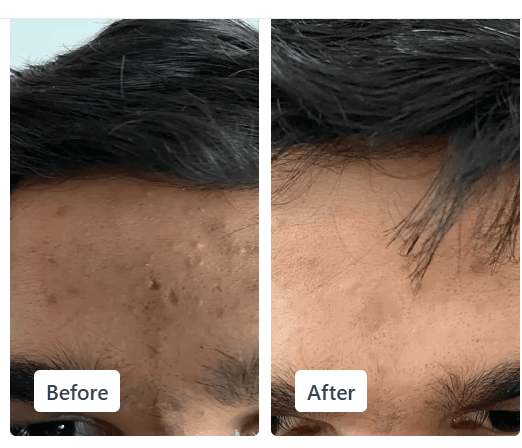
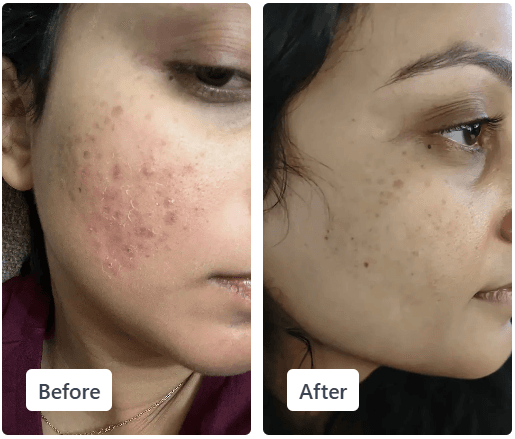
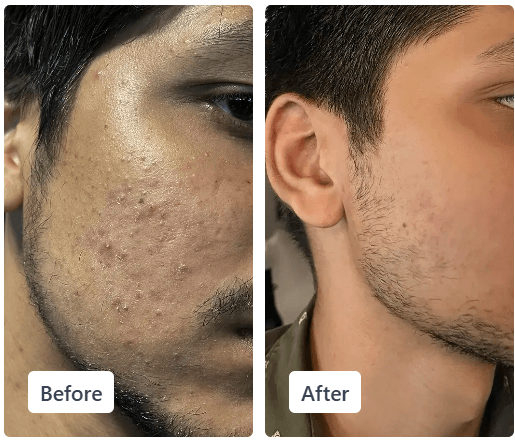
See real results, then start your own
Take the free Clear Ritual Skin Test and get a personalized routine built for your skin's unique patterns.
Silicone: The Evidence-Based Foundation
Silicone-based products - whether in gel or sheet form - represent one of the most studied topical interventions for scar management. Medical literature consistently shows that silicone improves scar appearance when used during the healing process.
Silicone works by creating an occlusive barrier over the scar. This barrier maintains hydration in the uppermost skin layers, which appears to regulate fibroblast activity and reduce excessive collagen production. The result is softer, flatter scars with improved color match to surrounding skin.
The mechanism involves transepidermal water loss regulation. When moisture escapes from healing tissue too quickly, fibroblasts may overproduce collagen, leading to raised or hypertrophic scars. Silicone prevents this excessive moisture loss without suffocating the tissue.
For fresh scars, silicone sheets or gels should be applied once the wound has fully closed - no open areas or scabbing. Consistency matters more than duration. Wearing silicone sheets for 12 hours daily typically yields better results than sporadic use, with visible improvements appearing after eight to twelve weeks.
Silicone does not irritate most skin types and can be used on sensitive areas. It serves as an effective baseline acne treatment before considering other active ingredients.
Vitamin C: Supporting Collagen Synthesis
Vitamin C functions as an essential cofactor in collagen production. Specifically, it enables enzymes called prolyl and lysyl hydroxylase to stabilize collagen molecules during formation. Without adequate vitamin C, newly formed collagen remains weak and poorly structured.
For scar healing, this translates to improved tissue strength and better integration with surrounding skin. Vitamin C also provides antioxidant protection, neutralizing free radicals generated during the inflammatory phase of healing. Unchecked oxidative stress can prolong inflammation and worsen scarring outcomes.
Topical vitamin C formulations vary in effectiveness based on form and concentration. L-ascorbic acid remains the most researched form, but it requires a low pH to penetrate skin, which can irritate sensitive or healing tissue. Magnesium ascorbyl phosphate and sodium ascorbyl phosphate offer gentler alternatives with better stability, though they may work more slowly.
Concentrations between 10 and 20 percent appear most effective for supporting collagen production without causing irritation. Lower concentrations may not deliver enough active ingredient, while higher concentrations increase irritation risk without proportional benefits.
Apply vitamin C serums to clean, dry skin before heavier products. For scar healing, focus application on and around the affected area rather than the entire face. Morning application works well since vitamin C also provides some photoprotective benefits alongside sunscreen.
See real results, then start your own
Take the free Clear Ritual Skin Test and get a personalized routine built for your skin's unique patterns.
Niacinamide: Reducing Inflammation and Discoloration
Niacinamide, the active form of vitamin B3, addresses multiple aspects of scar healing simultaneously. It reduces inflammation, strengthens the skin barrier, regulates pigmentation, and supports ceramide complex production.
During scar formation, persistent low-grade inflammation can prolong the healing phase and increase the likelihood of hyperpigmentation. Niacinamide modulates inflammatory signaling pathways, helping the skin transition more smoothly from active healing to remodeling.
Post-inflammatory hyperpigmentation - the dark marks left after acne or injury - develops when melanocytes overproduce pigment in response to inflammation. Niacinamide inhibits melanosome transfer from melanocytes to surrounding skin cells, reducing the appearance of these dark marks over time.
The ingredient also improves skin barrier function by increasing ceramide synthesis. A healthy barrier maintains optimal hydration and protects healing tissue from external irritants that might disrupt the repair process. This becomes particularly important in areas subject to friction from clothing or repeated movement.
Niacinamide concentrations between 2 and 5 percent provide noticeable benefits for most people, with 5 percent representing a sweet spot between efficacy and tolerability. It rarely causes irritation and works well alongside other scar-supporting ingredients, including vitamin C and retinoids.
Retinoids: Accelerating Cell Turnover and Remodeling
Retinoids - derivatives of vitamin A - influence how skin cells behave at a genetic level. They accelerate cell turnover, stimulate collagen production, and organize collagen fibers into more orderly patterns during the remodeling phase.
For depressed or atrophic scars, retinoids encourage the dermis to produce new collagen, gradually filling in indentations. For raised scars, they help break down excess collagen and normalize tissue architecture. They also fade hyperpigmentation by accelerating the removal of pigmented cells from the skin's surface.
Prescription retinoids like tretinoin show stronger effects than over-the-counter retinol, but they also carry higher irritation potential. During active scar healing, gentler retinol products or retinaldehyde may be more appropriate to avoid compromising the skin barrier.
Start retinoid application only after the wound has completely closed and initial inflammation has subsided - typically several weeks post-injury. Begin with low concentrations two to three times weekly, gradually increasing frequency as tolerance builds. Always apply retinoids at night since they can increase photosensitivity.
Retinoids require patience. Visible improvements in scar texture and color typically emerge after three to six months of consistent use. Combining retinoids with daily broad-spectrum lightweight sunscreen is non-negotiable, as UV exposure during retinoid use can worsen pigmentation and slow healing.
Alpha Hydroxy Acids: Surface Texture Refinement
Alpha hydroxy acids like glycolic and lactic acid dissolve the bonds between dead skin cells on the surface, promoting gentle exfoliation. This process can improve the texture of scars by removing rough, uneven cell layers and revealing smoother skin underneath.
For scars with surface irregularities or slight discoloration, AHAs help by accelerating the natural shedding process. They also enhance the penetration of other active ingredients like vitamin C and niacinamide by clearing the pathway through the outermost skin layers.
However, AHAs should be used cautiously on healing scars. Aggressive exfoliation during early healing stages can disrupt the repair process and increase inflammation. Wait until the scar has fully matured - usually at least two to three months post-injury - before introducing AHAs.
Low concentrations of lactic acid (5 to 10 percent) tend to be gentler than glycolic acid and better suited for sensitive or healing skin. Use AHAs two to three times weekly rather than daily to avoid over-exfoliation, which compromises the skin barrier and can worsen scar appearance.
Combining AHAs with retinoids requires careful spacing. Using both on the same night increases irritation risk without improving results. Alternate nights or use AHAs in the morning and retinoids at night if your skin tolerates this approach.
Peptides: Signaling Collagen Production
Peptides are short chains of amino acids that can signal skin cells to perform specific functions. Certain peptides, particularly those containing copper or palmitoyl sequences, have been studied for their ability to stimulate collagen synthesis and modulate inflammation.
Copper peptides help recruit repair cells to damaged areas and support the formation of new blood vessels, which deliver nutrients necessary for healing. They also possess antioxidant properties that protect newly forming collagen from oxidative damage.
Palmitoyl peptides signal fibroblasts to increase collagen and elastin production. While evidence for their effectiveness in scar healing remains less robust than for ingredients like silicone or retinoids, they appear safe and may offer complementary benefits when combined with other actives.
Peptide serums work best when applied to clean skin before heavier acne-safe moisturisers or oils. They generally cause minimal irritation and can be used both morning and night. Results develop gradually over months rather than weeks.
The challenge with peptides lies in formulation stability and penetration. Not all peptide products deliver meaningful concentrations to the deeper skin layers where collagen production occurs. Look for products that combine peptides with penetration enhancers or encapsulation technology.
Centella Asiatica: Herbal Support for Wound Healing
Centella asiatica, also known as gotu kola, has a long history in traditional medicine for wound healing. Its active compounds - asiaticoside, madecassoside, asiatic acid, and madecassic acid - demonstrate anti-inflammatory and collagen-supporting properties in research studies.
These compounds appear to modulate fibroblast activity, encouraging organized collagen production rather than the haphazard deposition that leads to raised scars. They also reduce inflammation during the early healing phase, potentially preventing excessive scar formation.
Centella extracts work gently and rarely irritate sensitive skin, making them suitable for use during active healing. They can be found in serums, creams, and sheet masks marketed for scar care or sensitive skin.
The ingredient pairs well with other actives like niacinamide and peptides. It provides a calming effect that can balance the potential irritation from stronger ingredients like retinoids or AHAs.
While centella shows promise, it should complement rather than replace evidence-based interventions like silicone. Think of it as a supportive ingredient that enhances overall healing conditions rather than a primary scar treatment.
Sunscreen: The Non-Negotiable Protector
UV exposure during scar healing ranks among the most preventable causes of poor cosmetic outcomes. Ultraviolet radiation triggers melanocytes to produce excess pigment in healing tissue, leading to dark, noticeable scars that can take years to fade.
UV also generates free radicals that damage newly forming collagen and prolong inflammation. This double impact - increased pigmentation and impaired collagen quality - makes sun protection essential from the moment a wound closes until the scar fully matures.
Broad-spectrum sunscreen with SPF 30 or higher should cover healing scars whenever sun exposure is possible. Physical sunscreens containing zinc oxide or titanium dioxide often work better for sensitive healing skin than chemical filters, though modern chemical sunscreens have improved in tolerability.
Reapply every two hours during extended outdoor exposure. For scars on the face, consider layering sun protection with hats or other physical barriers. Indoor exposure through windows, though less intense than direct sunlight, still contributes to pigmentation over time.
The practice of protecting healing scars from sun should continue for at least a year post-injury. Even after scars have matured, ongoing sun protection prevents darkening and maintains improvements achieved through other acne treatments.
| Ingredient | Primary Mechanism | Best For | When to Start |
|---|---|---|---|
| Silicone | Hydration regulation | All scar types | Once wound closes |
| Vitamin C | Collagen synthesis | Weak or discolored scars | After inflammation subsides |
| Niacinamide | Inflammation and pigment control | Dark or inflamed scars | During early healing |
| Retinoids | Collagen remodeling | Textured or depressed scars | 2 to 3 months post-injury |
| AHAs | Surface exfoliation | Rough texture | After scar matures |
| Peptides | Cellular signaling | Supporting general healing | Once wound closes |
Timing: When to Introduce Active Ingredients
The timing of ingredient introduction significantly impacts results and safety. Applying potent actives too early can disrupt healing, while waiting too long may miss the optimal window for intervention.
For the first week after injury, focus solely on keeping the wound clean and protected. Once the wound closes completely - no scabbing or oozing - silicone and gentle ingredients like centella can begin.
Niacinamide can be introduced during this early phase since it supports barrier function without irritation. Vitamin C can follow once any redness or tenderness diminishes, typically one to two weeks after closure.
Wait at least six to eight weeks before starting retinoids or AHAs. These stronger actives work best during the remodeling phase when the scar has stabilized enough to handle accelerated cell turnover without setback.
Layer products from thinnest to thickest consistency. Water-based serums go first, followed by treatments, then acne-safe-moisturizers, and finally sunscreen during the day. At night, silicone sheets can be applied as the final step over other products.
Building a Scar-Healing Routine
A practical routine balances multiple beneficial ingredients without overwhelming healing skin. Start simple and add complexity as tolerance allows.
Morning routine:
- Gentle cleanser with lukewarm water
- Vitamin C serum applied to scar area
- Niacinamide serum (can be combined with vitamin C)
- Lightweight moisturizer
- Broad-spectrum SPF 30 or higher
Evening routine:
- Gentle cleanser
- Peptide or centella serum
- Retinoid (2 to 3 times weekly once appropriate)
- Moisturizer
- Silicone gel or sheet as final step
On nights when using retinoids, skip AHAs. On AHA nights (if introduced), skip retinoids. This alternating pattern reduces irritation while maintaining consistent active ingredient exposure.
Listen to your skin. If redness, stinging, or flaking develops, reduce frequency or eliminate the newest addition. Healing skin requires patience - pushing too hard with too many actives too soon often backfires.
When Professional Intervention Becomes Necessary
Topical ingredients support normal healing but cannot address all scar types effectively. Certain scars require professional procedures for meaningful improvement.
Keloid scars - raised growths that extend beyond the original injury boundary - often require corticosteroid injections, laser therapy, or surgical revision. They result from dysregulated collagen production that topical products alone cannot correct.
De
Editorial Standards
Clear Ritual has Strict sourcing guidelines to ensure our content is accurate and current. We rely on peer-reviewed studies, academic research institutions, and medical associations. We strive to use primary sources and refrain from using tertiary references. See a mistake? Learn More about our Editorial Standards.
Related Articles
Skincare Ingredients Suitable for Acne Prone Skin
Published 24 July 2026

Niacinamide for Acne Scars: What It Actually Fades (And What It Can't)
Published 15 September 2026
Dermal Fillers for Acne Scars: Treatments and Results
Published 17 July 2026
What is Inflammatory Acne? Causes, Types, and Treatments
Published 10 August 2026