Smoking and Acne: Does Smoking Cause Pimples?
Smoking doesn't directly clog pores like oil or bacteria does, but it significantly worsens acne by impairing circulation, delaying wound healing, increasing inflammation, and disrupting your skin's natural repair mechanisms. Nicotine restricts blood flow, carbon monoxide reduces oxygen delivery to skin cells, and toxins damage the skin barrier, all of which lead to more persistent breakouts and slower recovery. Quitting smoking begins reversing many of these effects within weeks, though full recovery can take months to a year.
- Reduces oxygen and nutrient delivery to skin cells
- Nicotine triggers inflammatory responses that worsen acne
- Toxins damage the skin barrier and slow healing
- Quitting improves skin health within weeks
When you inhale cigarette smoke, over 7,000 chemicals enter your bloodstream. Many of these compounds directly impact skin health in ways that create an environment where acne thrives.
Nicotine constricts blood vessels throughout your body, including the tiny capillaries that feed your skin. This vasoconstriction reduces the amount of oxygen and essential nutrients reaching skin cells. Without adequate oxygen, your skin struggles to maintain normal cellular functions, including oil regulation and inflammatory response control.
Carbon monoxide from cigarette smoke binds to hemoglobin in your blood more readily than oxygen does. This further starves your skin of oxygen, creating a state called tissue hypoxia. Oxygen-deprived skin cells cannot efficiently clear waste products or repair damage, setting the stage for chronic inflammation.
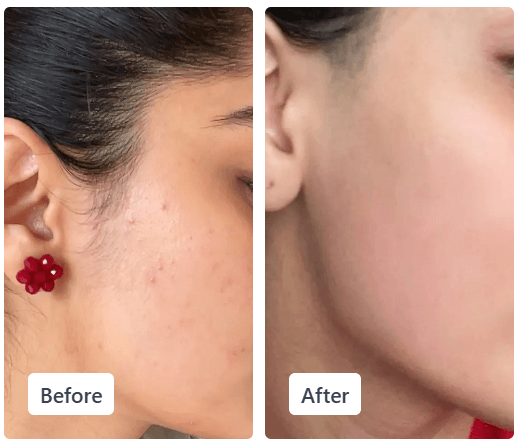
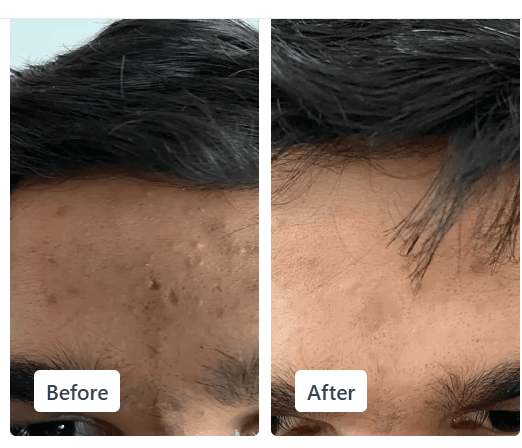
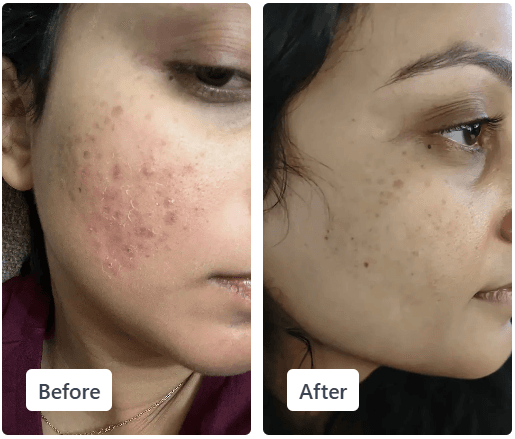
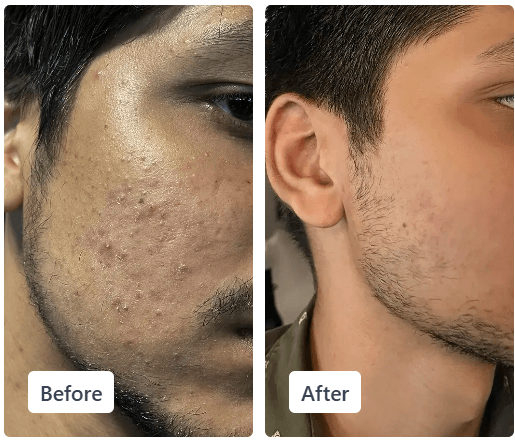
See real results, then start your own
Take the free Clear Ritual Skin Test and get a personalized routine built for your skin's unique patterns.
The Inflammation Connection
Smoking triggers systemic inflammation throughout your body. When you smoke, your immune system recognizes the influx of toxins and responds by releasing inflammatory mediators like cytokines and reactive oxygen species.
This inflammatory cascade doesn't stay localized. It affects your entire body, including your skin. Chronic low-grade inflammation disrupts normal sebum production and alters the skin microbiome. The balance of beneficial and potentially problematic bacteria shifts, often favoring strains associated with acne development.
Your skin's inflammatory response becomes hyperactive when exposed to cigarette smoke components. This means even minor triggers like hormonal fluctuations or dietary changes can provoke more severe breakouts than they would in a non-smoker.
Sebum Quality and Composition Changes
Smoking doesn't just affect how much oil your skin produces. It fundamentally changes the composition of that oil.
Research shows that smokers produce sebum with altered lipid profiles. The sebum becomes more oxidized, meaning it undergoes chemical changes when exposed to air. Oxidized sebum is more comedogenic, meaning it's more likely to clog pores and contribute to blackheads and whiteheads.
This oxidative stress happens because cigarette smoke generates massive amounts of free radicals. These unstable molecules attack skin lipids, proteins, and DNA. Your skin's natural antioxidant reserves like vitamin C and vitamin E become depleted trying to neutralize these free radicals, leaving sebum vulnerable to oxidation.
The textural quality of sebum changes too. It becomes thicker and stickier, making it harder for normal skin shedding processes to clear follicles effectively. Dead skin cells that should naturally slough off instead get trapped in this altered sebum, creating the perfect environment for Cutibacterium acnes bacteria to multiply.
See real results, then start your own
Take the free Clear Ritual Skin Test and get a personalized routine built for your skin's unique patterns.
Wound Healing and Breakout Duration
One of the most frustrating effects smokers experience is that pimples take longer to heal. This happens through multiple mechanisms.
Smoking impairs fibroblast function. Fibroblasts are cells responsible for producing collagen and other proteins needed for tissue repair. When these cells don't work efficiently, the inflammatory phase of a pimple extends longer than normal.
Reduced circulation means fewer immune cells reach active breakouts. Your body's ability to clear bacteria and cellular debris from an infected follicle slows down. What might resolve in three to five days for a non-smoker can persist for a week or more in someone who smokes regularly.
The compromised healing also increases the risk of post-inflammatory hyperpigmentation. Those dark spots that remain after a pimple heals tend to be more pronounced and longer-lasting in smokers because melanocytes respond to prolonged inflammation by producing excess pigment.
Skin Barrier Disruption
Your skin barrier is a complex structure of lipids and proteins that keeps irritants out and moisture in. Cigarette smoke damages this protective barrier in several ways.
The chemicals in smoke degrade structural proteins like filaggrin, which helps bind skin cells together. As this protein breaks down, small gaps form between cells, increasing transepidermal water loss. Your skin becomes dehydrated, triggering compensatory oil production that can worsen acne.
A weakened barrier also makes skin more reactive to other triggers. Products that once worked fine may suddenly cause irritation. Environmental pollutants penetrate more easily, adding another layer of oxidative stress and inflammation.
When your barrier is compromised, beneficial bacteria that normally live on skin's surface and help maintain balance can decline. Opportunistic bacteria that thrive in inflammatory conditions increase. This dysbiosis contributes to persistent acne that resists typical treatment approaches.
Hormonal Amplification
Smoking doesn't create hormonal acne, but it amplifies existing hormonal fluctuations. Nicotine affects the hypothalamic-pituitary-adrenal axis, which regulates stress hormones like cortisol.
Elevated cortisol stimulates sebaceous glands to produce more oil. It also promotes insulin resistance, which increases insulin-like growth factor 1. This hormone directly stimulates sebocyte proliferation and lipid production within oil glands.
For individuals already dealing with hormonal triggers like polycystic ovary syndrome or premenstrual acne, smoking adds fuel to the fire. The breakouts tend to be deeper, more inflamed, and more resistant to treatment.
The Detoxification Burden
Your liver and kidneys work constantly to filter toxins from your bloodstream. Chronic smoking overburdens these organs with an endless stream of chemicals requiring processing and elimination.
When detoxification pathways become overwhelmed, some toxins get stored in fatty tissues or circulate longer than they should. Your skin, being an organ of elimination, attempts to expel these substances. This can manifest as increased breakouts, particularly along the jawline and chin where lymphatic drainage from internal organs concentrates.
The nutrient depletion that accompanies smoking further compromises detoxification. Vitamins B6, B12, folate, vitamin C, and zinc all decline in smokers. These nutrients are essential for proper liver function and cellular repair throughout the body, including skin.
Comparing Smokers and Non-Smokers
| Factor | Non-Smokers | Smokers |
|---|---|---|
| Breakout healing time | 3-5 days average | 7-10 days or longer |
| Skin oxygen levels | Normal circulation | Reduced by 30-40% |
| Post-inflammatory marks | Fade within 4-8 weeks | Persist 12+ weeks |
| Barrier function | Intact with normal TEWL | Compromised, elevated TEWL |
| Inflammatory markers | Baseline levels | Elevated 2-3x |
What Happens When You Quit
The good news is that many smoking-related skin changes begin reversing relatively quickly after quitting.
Within 24 hours, carbon monoxide levels in your blood drop significantly. Oxygen delivery to tissues improves almost immediately. Within two weeks, circulation begins normalizing as blood vessels recover their ability to dilate properly.
Between one and three months after quitting, immune function improves substantially. White blood cells become more effective at clearing infections, including those in clogged follicles. Inflammatory markers begin declining toward normal levels.
At the six-month mark, most people notice significant improvements in skin texture, tone, and resilience. Breakouts become less frequent and less severe. Healing times return to normal ranges. The skin barrier rebuilds its protective lipid layers, reducing reactivity and sensitivity.
However, some changes take longer. If smoking has caused deep structural damage or significant collagen loss, full recovery may take a year or more. Some effects, particularly if you smoked heavily for many years, may not completely reverse.
Supporting Your Skin During and After Quitting
When you stop smoking, your body goes through an adjustment period. Some people temporarily experience increased breakouts during the first few weeks as the body mobilizes stored toxins for elimination.
Staying well-hydrated supports kidney function and helps flush toxins more efficiently. Water also helps restore skin hydration from within, supporting barrier repair.
Antioxidant-rich foods help replenish depleted reserves. Vitamins C and E, beta-carotene, selenium, and polyphenols from colorful fruits and vegetables neutralize residual free radicals and support cellular repair.
Adequate sleep becomes especially important during the quitting process. Growth hormone released during deep sleep drives tissue repair throughout the body, including skin. Sleep deprivation, which often accompanies nicotine withdrawal, can temporarily worsen acne.
Gentle skincare that supports barrier function helps during this transition. Harsh treatments that work by intentionally irritating skin to promote peeling may backfire when your barrier is already compromised. Focus on hydration, protection, and gentle cleansing rather than aggressive intervention.
Secondhand Smoke Exposure
You don't have to be the one smoking to experience skin effects. Secondhand smoke exposure creates oxidative stress and inflammation, though typically to a lesser degree than active smoking.
People who live with smokers or work in environments with heavy smoke exposure show measurable increases in inflammatory markers and oxidative stress. Their skin often displays premature aging signs and can experience more persistent acne than those without regular exposure.
The particulate matter in cigarette smoke settles on skin surfaces, mixing with sebum and creating a film that can clog pores. Regular cleansing becomes even more important for those exposed to secondhand smoke.
Other Lifestyle Factors That Interact
Smoking rarely exists in isolation. It often clusters with other habits that affect skin health.
Many smokers have irregular sleep patterns, partly due to nicotine's stimulant effects and partly due to lifestyle factors. This sleep disruption compounds the inflammatory burden on skin.
Alcohol consumption often accompanies smoking. Alcohol dehydrates skin, impairs liver detoxification, and triggers inflammatory responses. Together, smoking and drinking create a particularly hostile environment for skin health.
Stress often drives both smoking behavior and acne flares. The cortisol released during chronic stress stimulates oil production and suppresses immune function. When combined with smoking's effects, this creates a feedback loop that makes acne increasingly difficult to manage.
When Professional Help Is Needed
If you've quit smoking but continue experiencing severe or persistent acne, consultation with a dermatologist can help identify whether other factors are maintaining the problem.
Some people have underlying conditions like hormonal imbalances or immune dysfunction that smoking was masking or worsening. These conditions need specific evaluation and treatment beyond lifestyle changes.
Scarring from prolonged inflammatory acne may require professional treatments to improve. The sooner you address active breakouts, the less likely permanent textural changes become.
If you're struggling to quit smoking, medical support can significantly improve success rates. Nicotine replacement therapy, prescription medications, and counseling all increase the likelihood of successfully quitting long-term.
How Clear Ritual Supports Personalized Skincare Decisions
While quitting smoking dramatically improves skin health, acne is fundamentally a multi-factorial condition involving hormones, inflammation, oil production, skin barrier function, stress response, nutrition, genetics, and environmental exposures. Eliminating smoking removes one major aggravating factor, but doesn't always address other underlying triggers that maintain breakouts. We combine the best of three worlds - Ayurveda, modern dermatology, and advanced skin science - to understand individual triggers through a structured skin assessment. This personalized approach helps identify which combination of internal and external factors drives your specific acne pattern. Understanding your unique triggers creates the foundation for long-term skin stability rather than temporary symptom management.
See real results, then start your own
Take the free Clear Ritual Skin Test and get a personalized routine built for your skin's unique patterns.
Conclusion
Smoking doesn't directly cause acne the way clogged pores do, but it significantly worsens breakouts by impairing circulation, increasing inflammation, altering sebum composition, damaging the skin barrier, and slowing wound healing. Quitting smoking allows many of these changes to begin reversing within weeks, though full recovery of barrier function and sebum composition can take several months to a year. Because acne involves many overlapping factors beyond smoking, including hormones, stress, and genetics, removing smoking is one important step among several for supporting clearer, healthier skin.
Frequently Asked Questions
Editorial Standards
Clear Ritual has Strict sourcing guidelines to ensure our content is accurate and current. We rely on peer-reviewed studies, academic research institutions, and medical associations. We strive to use primary sources and refrain from using tertiary references. See a mistake? Learn More about our Editorial Standards.