Daily Routine to Prevent Body Acne Breakouts
Preventing body acne relies on a daily routine that manages sweat, oil, and bacteria on covered skin like the back, chest, and shoulders. This means gentle morning rinses, showering promptly after sweating, barrier-supportive evening cleansing with targeted treatments, and fabric or laundry habits that limit occlusion and irritation.
- Shower within 30 minutes of sweating to limit bacterial buildup
- Use pH-balanced, low-foam cleansers instead of hot water and harsh soap
- Choose breathable fabrics and wash sheets and clothes in fragrance-free detergent
- Apply niacinamide or azelaic acid to damp skin at night for active breakouts
What Happens Inside Body Skin During Breakouts
Body acne follows the same inflammatory cascade as facial acne but with distinct environmental pressures. Hair follicles on the back, chest, and shoulders contain more sebaceous glands that produce oil throughout the day. When this sebum mixes with dead skin cells that naturally shed from the stratum corneum, the combination creates a plug inside the follicle opening.
The plug traps bacteria, particularly Cutibacterium acnes, which feeds on sebum and multiplies rapidly in oxygen-poor environments. As bacterial populations grow, they trigger an immune response. White blood cells rush to the area, releasing inflammatory cytokines that cause redness, swelling, and eventually pustule formation. This is why body acne often appears as larger, deeper bumps compared to facial breakouts.
What makes body acne particularly persistent is the occlusion factor. Clothing creates a sealed environment that increases skin temperature and humidity. Sweat that would normally evaporate on exposed skin instead stays trapped against the body, raising the pH level of the skin surface. This pH shift weakens the acid mantle, the skin's natural protective barrier that normally keeps acne-causing bacteria in check.
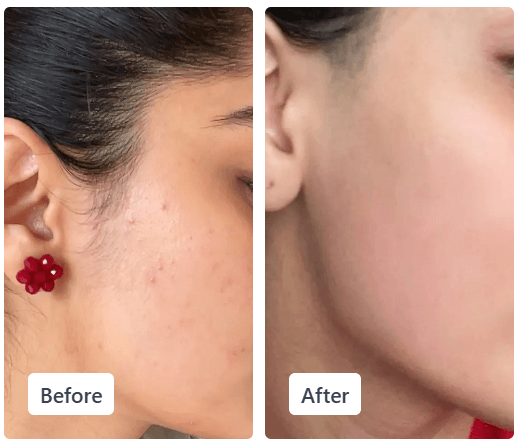
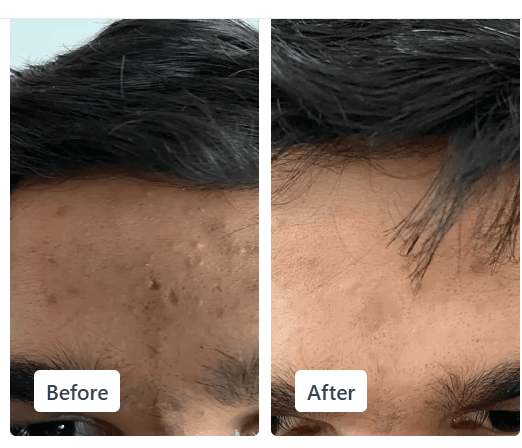
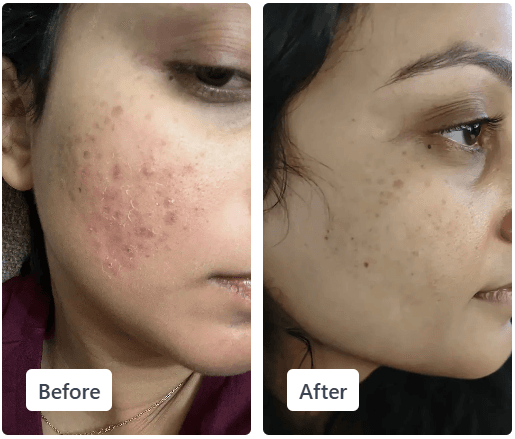
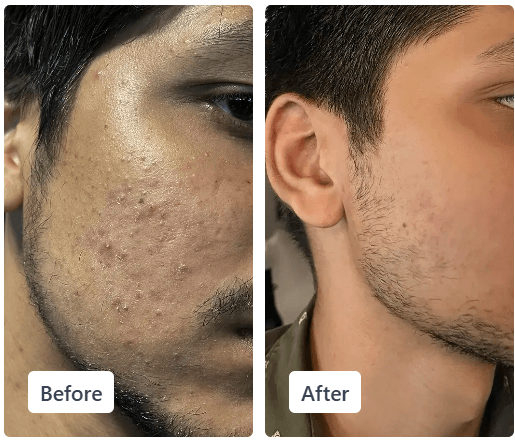
See real results, then start your own
Take the free Clear Ritual Skin Test and get a personalized routine built for your skin's unique patterns.
Morning Routine: Setting Up Skin Defense
The morning routine focuses on removing overnight accumulation without stripping protective oils that stabilize the microbiome throughout the day.
Rinse Strategy
A lukewarm water rinse removes sweat and cellular debris that accumulated during sleep without disrupting the lipid barrier. Hot water damages the ceramide structure that holds skin cells together, which increases transepidermal water loss and signals sebaceous glands to produce more oil as compensation. This rebound effect creates the oily feeling by midday that many people misinterpret as insufficient cleansing.
If you exercise in the morning, shower immediately afterward rather than letting sweat dry on skin. Dried sweat leaves behind salt crystals and metabolic waste products that irritate follicle openings. The longer these particles sit on skin, the more they contribute to inflammatory signaling.
Gentle Cleansing
Use a non-foaming or low-foam cleanser on acne-prone areas. Foam production requires surfactants that often strip beneficial bacteria from the skin microbiome. A balanced microbiome produces antimicrobial peptides that naturally suppress overgrowth of acne-causing strains.
Look for cleansers with a pH between 4.5 and 5.5 to match skin's natural acidity. Alkaline cleansers temporarily raise skin pH, creating conditions where harmful bacteria thrive while beneficial strains struggle. This imbalance persists for several hours after washing, which is why the cleanser you choose affects breakouts even after rinsing.
Clothing Considerations
Choose loose, breathable fabrics for the day. Tight synthetic materials trap heat and moisture against skin, creating the same occlusive environment that causes maskne on the face. Cotton and bamboo-derived fabrics allow air circulation that keeps skin surface temperature lower and humidity controlled.
Change out of workout clothes immediately, even if you plan to shower later. Every minute spent in sweat-soaked fabric extends bacterial exposure and increases the inflammatory load on compromised follicles.
Post-Workout Protocol: Timing Over Intensity
The critical window for preventing exercise-induced body acne is the 30 minutes immediately after physical activity.
Immediate Action Steps
Remove damp clothing as soon as possible. If showering immediately is not an option, change into dry clothes and use a clean towel to blot sweat from the back, chest, and shoulders. This physical removal of sweat reduces the bacterial concentration on skin surfaces.
Spray or wipe acne-prone areas with a pH-balancing toner containing antimicrobial botanicals. This temporarily lowers skin pH back to its protective acidic range while you wait to shower properly.
Proper Shower Technique
Water temperature should feel neutral to slightly cool. Cleanse the body in a specific order: start with areas least prone to acne, then finish with the back, chest, and shoulders. This prevents spreading bacteria-laden suds from acne-prone zones to clear areas.
Let cleanser sit on the skin for 30 to 45 seconds before rinsing. This contact time allows active ingredients to penetrate the follicle opening and work on trapped debris. Immediate rinsing only cleans the surface layer without addressing the buildup inside pores.
Rinse thoroughly, especially areas where cleanser tends to pool like the lower back and chest center. Residual product irritates the follicle lining and can trigger breakouts in people with sensitive skin.
See real results, then start your own
Take the free Clear Ritual Skin Test and get a personalized routine built for your skin's unique patterns.
Evening Routine: Supporting Overnight Repair
Night routines focus on removing the day's accumulation while supporting the skin's natural repair processes that peak during sleep.
Pre-Shower Preparation
If you carry a bag or backpack regularly, wipe down the back and shoulders before showering. Friction from straps pushes fabric fibers, sweat, and bacteria deeper into follicles throughout the day. A pre-cleanse wipe removes surface particles so they do not get massaged into skin during washing.
Cleansing Approach
Use the same gentle cleanser from morning but consider adding a salicylic acid body wash two to three times per week if you experience active breakouts. Salicylic acid is lipid-soluble, meaning it can penetrate sebum plugs to exfoliate inside the follicle rather than just on the surface.
Do not use salicylic acid daily. Overuse disrupts the moisture barrier, which paradoxically increases inflammation and slows healing. Skin becomes sensitized and reactive, making it more susceptible to irritation from friction and sweat.
Post-Shower Treatment
Apply treatment products to damp skin, not dry. Slightly moist skin allows better penetration of active ingredients while the water content helps distribute products evenly across larger body areas.
For active body acne, consider products containing niacinamide or azelaic acid. Niacinamide reduces sebum production by regulating lipid synthesis in sebaceous glands while also calming inflammatory pathways. Azelaic acid addresses both bacterial overgrowth and the post-inflammatory hyperpigmentation that commonly follows body acne breakouts.
Let treatment products absorb fully before dressing. Immediate clothing contact can rub off products before they penetrate and may transfer active ingredients to fabrics that later irritate skin during wear.
Fabric and Laundry Factors
The textiles that touch your skin daily play an overlooked role in body acne patterns.
Bedding Management
Pillowcases, sheets, and blankets accumulate dead skin cells, sebum, sweat, and bacteria with each use. This buildup transfers back to skin every night, re-introducing inflammatory triggers to follicles you just cleansed.
Wash sheets weekly in hot water with a fragrance-free detergent. Fragrances and dyes contain chemical irritants that remain on fabric after washing and cause low-grade inflammation in sensitive skin. This inflammation weakens the follicle's defense mechanisms, making it easier for acne to develop.
Sleep on your back when possible to reduce friction and pressure on chest and shoulder skin. Stomach sleeping presses acne-prone areas against fabric for hours, increasing occlusion and mechanical irritation.
Daily Clothing Choices
Rewear workout clothes or tight garments only after washing. Even if they do not smell, bacteria and sweat residue remain on fibers and reactivate when warmed by body heat.
Avoid fabric softeners and dryer sheets on clothes that touch acne-prone skin. These products coat fibers with waxy residues designed to reduce static, but they also create an occlusive layer against skin that traps sweat and bacteria.
Choose clothing that fits properly without constriction. Tight collars, bra bands, and waistbands create friction zones where fabric repeatedly rubs against skin, causing mechanical irritation that triggers inflammation even without bacterial involvement.
| Routine Element | Morning | Post-Workout | Evening |
|---|---|---|---|
| Cleansing Intensity | Gentle rinse or mild cleanser | Thorough cleansing with contact time | Full cleanse, treatment wash 2 to 3x/week |
| Water Temperature | Lukewarm | Neutral to cool | Lukewarm |
| Primary Goal | Remove overnight buildup | Eliminate sweat and bacteria quickly | Support barrier repair overnight |
| Treatment Products | Light moisturizer if needed | pH-balancing spray between workout and shower | Niacinamide or azelaic acid on damp skin |
| Fabric Action | Wear breathable, loose clothing | Change immediately into dry clothes | Ensure clean sheets, sleep on back |
Dietary and Lifestyle Patterns That Influence Body Acne
While topical routines address external factors, internal triggers significantly influence sebum composition and inflammatory responses.
Hydration and Sebum Quality
Dehydration concentrates sebum, making it thicker and more likely to clog follicles. Adequate water intake maintains sebum fluidity so it flows naturally to the skin surface rather than accumulating inside pores. This does not mean drinking excessive water eliminates acne, but chronic dehydration creates conditions that favor blockage formation.
Sleep and Immune Function
Sleep deprivation elevates cortisol, a stress hormone that increases both sebum production and inflammatory cytokine release. During deep sleep stages, skin undergoes repair processes that clear inflammatory markers from tissues. Consistently sleeping fewer than seven hours per night impairs this clearance, leaving skin in a chronically inflamed state that heals slowly from breakouts.
Sugar and Inflammatory Pathways
High-glycemic foods spike insulin and insulin-like growth factor 1, both of which stimulate sebaceous glands and alter sebum lipid composition. This creates an environment inside follicles that favors bacterial growth. You do not need to eliminate all sugar, but frequent consumption of refined carbohydrates and sweetened beverages correlates with increased breakout frequency in susceptible individuals.
Red Flags That Require Professional Evaluation
While consistent routines manage most body acne cases, certain patterns indicate the need for dermatological assessment.
Sudden onset of severe body acne in adults who never experienced it previously may signal hormonal changes, medication side effects, or underlying health conditions. Polycystic ovary syndrome, thyroid disorders, and adrenal dysfunction all manifest with skin changes including treatment-resistant acne.
Body acne that does not improve after eight weeks of consistent routine adjustments likely involves factors beyond topical care. Prescription treatments like topical retinoids, oral antibiotics, or hormonal therapies may be necessary to address the inflammatory cycle.
Painful, deep nodules that feel hard under the skin indicate nodulocystic acne. These lesions extend deep into the dermis and carry high risk for permanent scarring. Early professional intervention prevents the tissue damage that creates depressed scars and keloids, which are particularly common on chest and back skin.
Any body acne accompanied by fever, rapidly spreading redness, or oozing lesions requires immediate medical attention. These symptoms suggest bacterial infection beyond typical acne, such as folliculitis or cellulitis, which need antibiotic treatment.
Understanding Internal Triggers: The Clear Ritual's Perspective
Body acne develops from complex interactions between hormones, sebum production, bacterial balance, barrier function, stress responses, and genetic predisposition. While consistent routines manage external triggers effectively, they may not fully resolve breakouts driven by internal imbalances. Identifying your specific combination of triggers provides the foundation for long-term skin stability rather than temporary symptom management. The Clear Ritual combines Ayurveda, modern dermatology, and advanced skin science to understand individual patterns through a structured skin assessment. This approach helps identify whether hormonal fluctuations, inflammatory diet patterns, stress-related cortisol elevation, or microbiome disruption plays the primary role in your breakouts. Addressing root causes alongside proper external care creates conditions for sustained improvement rather than cyclical flare-ups.
How Clear Ritual Supports Personalized Skincare Decisions
Clear Ritual understands that body acne is more than a surface issue. It is shaped by genetics, skin renewal cycles, environmental factors, and the products you use.
Because body acne forms when sweat, oil, dead skin cells, and bacteria clog hair follicles in warm, covered areas like the back, chest, and shoulders, generic solutions rarely bring lasting improvement. Clear Ritual combines traditional wisdom and modern science to address the underlying causes of body acne.
The Clear Ritual Skin Test analyses your skin's unique patterns and daily influences to help identify the best routine for supporting healthy skin and reducing body acne recurrence.
See real results, then start your own
Take the free Clear Ritual Skin Test and get a personalized routine built for your skin's unique patterns.
Conclusion
Preventing body acne comes down to a consistent daily rhythm: gentle morning rinses, prompt post-workout showers, and barrier-supportive evening cleansing paired with targeted treatments like salicylic acid, niacinamide, or azelaic acid. Fabric choices, laundry habits, hydration, sleep, and diet all shape how easily follicles clog and inflame. When routines are followed consistently for at least eight weeks without improvement, or when severe, painful, or infected-looking lesions appear, professional evaluation helps address triggers that a topical routine alone cannot resolve.
Frequently Asked Questions
Editorial Standards
Clear Ritual has Strict sourcing guidelines to ensure our content is accurate and current. We rely on peer-reviewed studies, academic research institutions, and medical associations. We strive to use primary sources and refrain from using tertiary references. See a mistake? Learn More about our Editorial Standards.