How to Prevent Pimples Naturally
Pimples form when oil, dead skin cells, and bacteria clog pores, triggering inflammation. Preventing them naturally means balancing oil production, supporting the skin barrier, reducing inflammation, and avoiding habits that disrupt the skin's microbiome, all without harsh chemicals or medications.
- Pimples develop from clogged pores, excess sebum, bacteria, and inflammation
- Gentle cleansing, barrier support, and lifestyle factors play crucial roles
- Consistency matters more than aggressive treatments
- Individual triggers vary, what works differs person to person
What Actually Happens When a Pimple Forms
Understanding the process helps you prevent it. Your skin constantly produces sebum, an oily substance that protects and moisturizes. When dead skin cells don't shed properly, they mix with this oil and plug the pore opening. Trapped inside, bacteria multiply rapidly. Your immune system responds by sending white blood cells to the area, creating the red, swollen bump you recognize as a pimple.
This entire cascade can be influenced by dozens of factors, some you control, others you don't. The goal of natural prevention isn't perfection but reducing the frequency and severity by addressing multiple points in this chain reaction.
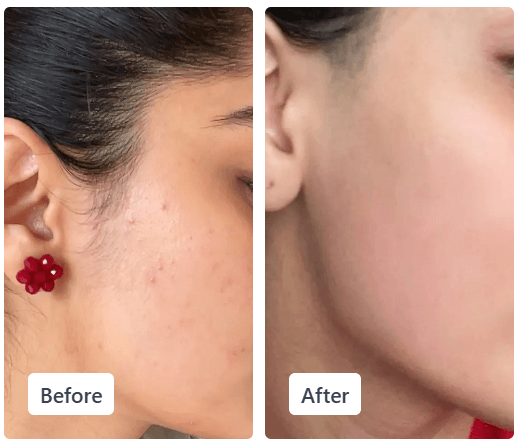
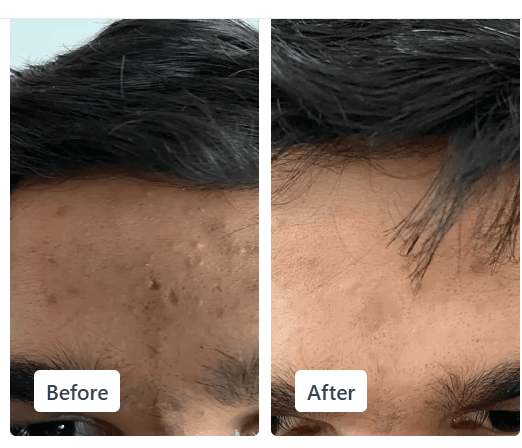
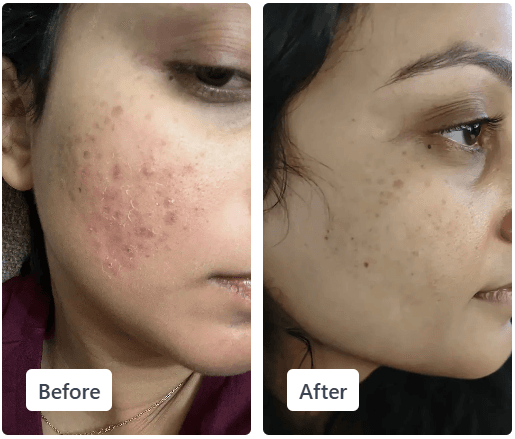
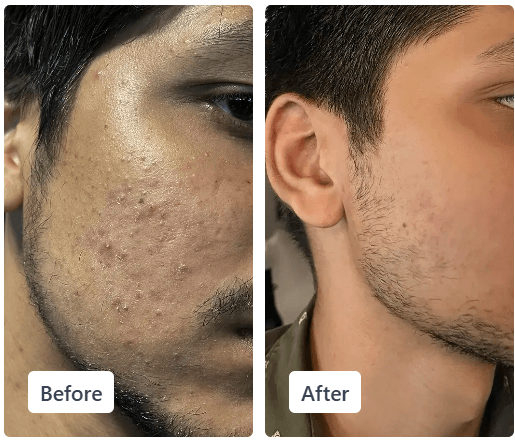
See real results, then start your own
Take the free Clear Ritual Skin Test and get a personalized routine built for your skin's unique patterns.
Why Your Skin Produces Excess Oil
Sebum production increases for several reasons. Hormonal fluctuations, particularly androgens, signal sebaceous glands to work harder. This explains why teenagers, menstruating individuals, and those with hormonal imbalances experience more breakouts. When you strip your skin with harsh cleansers, it interprets this as dehydration and compensates by producing even more oil, creating a frustrating cycle.
High-glycemic foods cause insulin spikes that also stimulate oil glands. Stress elevates cortisol, which increases inflammation throughout your body, including your skin. Even the climate matters: humid environments keep pores more open but also introduce more surface bacteria, while dry conditions trigger reactive oil production.
The Role Your Skin Barrier Plays
Your skin barrier is a protective layer made of lipids, ceramides, and proteins that keeps moisture in and irritants out. When this barrier weakens [from over-washing, harsh products, or environmental damage], several problems emerge simultaneously. Transepidermal water loss increases, making your skin dehydrated even if it looks oily. Bacteria penetrate more easily. Inflammation becomes chronic rather than occasional.
A compromised barrier also disrupts your skin's pH balance, typically around 4.7 to 5.5. This slightly acidic environment naturally inhibits harmful bacteria growth. When pH rises toward alkaline, the protective acid mantle fails, allowing acne-causing bacteria to thrive.
See real results, then start your own
Take the free Clear Ritual Skin Test and get a personalized routine built for your skin's unique patterns.
Cleansing Without Stripping
Washing your face removes excess oil, sweat, pollution particles, and cosmetic residue, all necessary for prevention. The mistake lies in how often and with what. Over-cleansing strips protective oils, triggering rebound sebum production within hours. Using products with sulfates or high pH disrupts your acid mantle and microbiome.
Cleanse twice daily at most: once in the morning to remove overnight oil production, once at night to clear the day's accumulation. Choose gentle, pH-balanced cleansers that rinse clean without leaving your skin feeling tight or squeaky. That tight feeling actually indicates barrier damage, not cleanliness.
Water temperature matters too. Hot water feels satisfying but dilates blood vessels and strips lipids faster. Lukewarm water effectively removes debris without compromising your barrier.
Natural Ingredients That Address Multiple Factors
Certain plant-based ingredients work through established mechanisms, not folk wisdom alone. Tea tree oil demonstrates antimicrobial activity against acne-causing bacteria at concentrations around five percent, though it requires dilution to avoid irritation. Green tea extract contains polyphenols that reduce sebum production and calm inflammation when applied topically.
Niacinamide, a form of vitamin B3, regulates sebum production, strengthens the skin barrier, and reduces inflammation, addressing three factors simultaneously. Azelaic acid, found naturally in grains, normalizes skin cell turnover and possesses antibacterial properties.
Aloe vera provides hydration without occlusion while delivering anti-inflammatory compounds. Witch hazel acts as a mild astringent but should be alcohol-free to avoid drying. Honey, particularly raw varieties, offers both antibacterial and wound-healing properties.
These work best when formulated properly with appropriate concentrations and complementary ingredients, not simply mixed at home.
How Diet Influences Your Skin
The connection between food and pimples operates through inflammation and hormonal pathways. High-glycemic foods [white bread, sugary snacks, processed carbohydrates] cause rapid blood sugar spikes. Your body releases insulin to manage this, which simultaneously triggers androgen production and increases inflammation markers throughout your system, including your skin.
Dairy, particularly skim milk, shows correlation with acne in some studies, possibly due to hormones naturally present in milk or proteins that stimulate insulin-like growth factor. This doesn't affect everyone equally, individual tolerance varies significantly.
Omega-3 fatty acids from fish, flaxseeds, and walnuts provide anti-inflammatory benefits that may reduce breakout severity. Zinc supports immune function and wound healing. Vitamin A influences skin cell turnover, though excessive supplementation causes problems.
Rather than strict elimination diets, notice your personal patterns. Does your skin worsen after specific foods? The response typically appears 24 to 48 hours later, not immediately.
The Impact of Touch and Friction
Every time your hands contact your face, you transfer bacteria, oils, and environmental particles to your pores. Resting your chin on your palm during work, scratching absentmindedly, or picking at existing spots introduces new bacteria while spreading existing inflammation.
Friction from phone screens, face masks, helmets, or tight clothing creates mechanical pressure that traps sweat and oil against skin. This occlusion prevents normal evaporation and debris shedding. The combination of moisture, pressure, and warmth creates ideal conditions for bacterial overgrowth.
Pillowcases accumulate oils, dead skin, hair products, and bacteria night after night. Without regular washing, you essentially press your face into this mixture for eight hours, reintroducing yesterday's debris into your pores.
Managing Stress and Sleep
Cortisol, your primary stress hormone, increases inflammation throughout your body. It also triggers sebaceous glands to produce more oil and slows wound healing, meaning existing pimples take longer to resolve. Chronic stress creates chronic inflammation, establishing an environment where breakouts occur more frequently and severely.
Sleep deprivation amplifies these effects. During deep sleep, your body repairs cellular damage, balances hormones, and regulates immune function. Insufficient sleep elevates cortisol, disrupts insulin sensitivity, and weakens your skin barrier. Studies show people sleeping less than seven hours consistently report more skin problems than those getting adequate rest.
Stress management isn't optional skincare, it's fundamental to the inflammatory processes underlying pimple formation.
Hydration and Skin Function
Dehydration affects every organ, including your skin. When cells lack water, they don't function optimally. Dead skin cells don't shed smoothly, increasing the likelihood of pore blockages. Sebaceous glands may overproduce oil attempting to compensate for surface dryness. Your skin's ability to repair and defend itself diminishes.
Drinking adequate water supports circulation, nutrient delivery, and toxin removal, all relevant to skin health. While drinking water alone won't clear pimples, chronic dehydration creates conditions that promote them.
External hydration matters equally. Using a lightweight, non-comedogenic moisturizer maintains barrier integrity even on oily skin. The misconception that oily skin doesn't need moisture leads many people to skip this step, weakening their barrier and perpetuating the oil-dry cycle.
Exercise Benefits and Precautions
Physical activity increases blood flow, delivering oxygen and nutrients to skin cells while carrying away waste products. It reduces stress hormones and improves sleep quality, both beneficial for prevention. However, exercise also creates situations that promote breakouts if not managed.
Sweat itself doesn't cause pimples, but when it mixes with oils, bacteria, and dead cells on your skin's surface, then sits there, it creates a pore-blocking mixture. Tight workout clothing traps this against your skin. Equipment like yoga mats and gym machines harbor bacteria transferred from multiple users.
Rinse your face with plain water or cleanse gently after exercising. Don't let sweat dry on your skin. Wear moisture-wicking fabrics when possible. Bring a clean towel to place between your face and shared equipment.
Sun Exposure Considerations
Sunlight initially appears to improve pimples, inflammation seems reduced, and skin looks clearer. This temporary effect occurs because UV radiation has mild antibacterial properties and causes slight thickening of the outer skin layer. However, sun damage ultimately worsens acne.
UV exposure thickens the stratum corneum irregularly, making pores more likely to clog. It generates free radicals that increase inflammation at the cellular level. Sun damage impairs skin healing and barrier function. The apparent improvement is superficial and short-lived.
Many natural acne treatments, including certain plant extracts and oils, increase photosensitivity, making sun damage more likely. If preventing pimples naturally, you still need sun protection, choose non-comedogenic, mineral-based options when possible.
What Worsens Breakouts
| Behavior | Why It Causes Problems | Better Alternative |
|---|---|---|
| Picking or popping | Spreads bacteria, damages tissue, causes scarring | Apply spot treatment, leave untouched |
| Using multiple active ingredients | Irritates barrier, increases inflammation | Introduce one ingredient at a time, wait 2 to 3 weeks |
| Skipping moisturizer on oily skin | Triggers rebound oil production | Use lightweight, non-comedogenic moisturizer |
| Applying coconut oil directly | Highly comedogenic, clogs most skin types | Choose non-comedogenic oils like jojoba or squalane |
| Exfoliating daily | Strips barrier, causes micro-tears, inflammation | Exfoliate 1 to 2 times weekly maximum |
Building a Prevention Routine
Consistency matters more than complexity. A simple routine performed twice daily outperforms an elaborate regimen used sporadically. Start with three steps: gentle cleansing, lightweight hydration, and sun protection.
Morning routine: Cleanse with lukewarm water and a gentle cleanser, apply a non-comedogenic moisturizer, finish with mineral sunscreen. Evening routine: Remove makeup or sunscreen completely, cleanse, apply treatment ingredients if using any, moisturize.
Allow your skin four to six weeks to adjust to any new routine. Initial breakouts sometimes occur as your skin rebalances, this doesn't necessarily mean the approach isn't working. True evaluation requires patience.
When Natural Prevention Isn't Enough
Some pimple patterns indicate underlying factors that natural approaches alone cannot address. Severe Cystic Acne causes deep, painful nodules that damage skin structure. Sudden adult-onset acne may signal hormonal imbalances requiring medical evaluation. Acne that doesn't respond to months of consistent, appropriate care suggests factors beyond topical management.
Persistent breakouts along the jawline and chin often relate to hormonal fluctuations. Back and chest acne may involve different bacterial strains or require different treatment approaches. Acne accompanied by other symptoms, irregular periods, unusual hair growth, weight changes, warrants medical assessment for conditions like polycystic ovary syndrome.
Dermatologists offer treatments that work through mechanisms unavailable naturally, prescription retinoids that normalize cell turnover, antibiotics for bacterial overgrowth, hormonal therapies for androgen-driven acne. These aren't failures of natural prevention but appropriate responses to specific situations.
Understanding Individual Triggers
What triggers breakouts in one person may not affect another. Some people tolerate dairy perfectly while others notice immediate worsening. Certain ingredients considered "natural" and "gentle" cause reactions in sensitive individuals. Your skin's response to stress, sleep deprivation, or dietary changes follows your unique physiology.
Identifying your personal triggers requires observation over time. Keeping a simple journal noting breakout patterns, recent food, stress levels, sleep quality, and product changes helps reveal connections. This individualized understanding proves more valuable than generic advice.
How Clear Ritual Supports Personalized Skincare Decisions
Pimples develop from complex interactions between hormones, sebum production, inflammation, skin barrier health, stress responses, sleep patterns, nutritional status, and genetic predisposition. Natural remedies and lifestyle adjustments can manage symptoms and reduce frequency, but they may not identify or address your specific underlying triggers. What works temporarily might not provide long-term stability without understanding why your skin behaves as it does. We combine the best of three worlds, Ayurveda, modern dermatology, and advanced skin science, to understand individual triggers through a structured skin assessment. This personalized approach helps identify which internal and external factors most influence your skin, allowing for more targeted prevention strategies. Understanding your unique trigger pattern supports lasting skin stability rather than temporary improvements.
See real results, then start your own
Take the free Clear Ritual Skin Test and get a personalized routine built for your skin's unique patterns.
Editorial Standards
Clear Ritual has Strict sourcing guidelines to ensure our content is accurate and current. We rely on peer-reviewed studies, academic research institutions, and medical associations. We strive to use primary sources and refrain from using tertiary references. See a mistake? Learn More about our Editorial Standards.