Best Face Wash for Pimples: What to Look For
The best face wash for pimples gently removes excess oil, dead skin cells, and bacteria without stripping your skin's protective barrier. Look for proven active ingredients like salicylic acid, benzoyl peroxide, glycolic acid, or sulfur, matched to your skin type and acne severity. A pH close to your skin's natural 4.5 to 5.5 level and gentle surfactants help maintain barrier health while these actives work effectively.
- Salicylic acid and benzoyl peroxide target clogged pores and bacteria
- Choose texture and strength based on your skin type
- Avoid harsh sulfates, fragrance, and drying alcohols
Before choosing a face wash, it helps to understand what happens beneath your skin's surface. Your pores contain sebaceous glands that produce sebum, an oily substance that normally protects and moisturizes your skin. When dead skin cells accumulate faster than they shed, they mix with excess sebum and create a plug inside the pore.
This environment becomes ideal for Cutibacterium acnes bacteria to multiply. Your immune system responds by sending white blood cells to the area, causing the redness, swelling, and pus that characterize pimples. Different types of acne form depending on whether the clogged pore remains closed (whitehead), opens to the surface (blackhead), or develops deeper inflammation (papules, pustules, or cysts).
Understanding this process explains why the right cleanser matters. You need something that addresses multiple factors: removing excess oil, clearing dead skin cells, reducing bacteria, and calming inflammation, all without triggering your skin to produce even more oil as a defense response.
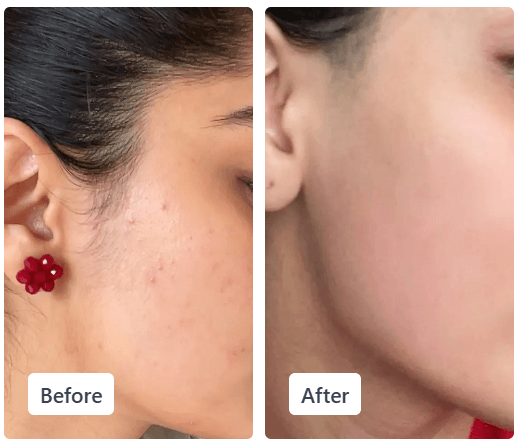
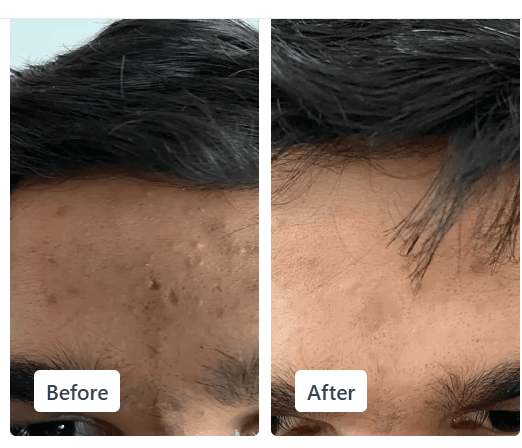
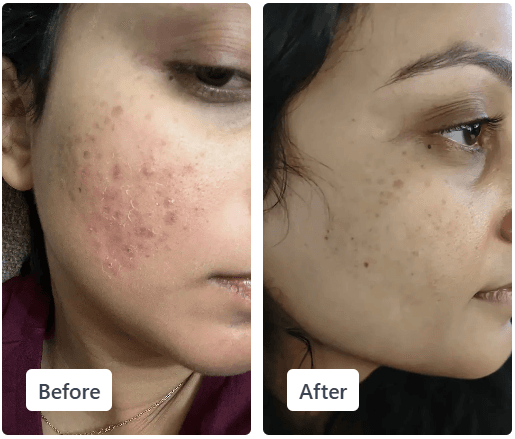
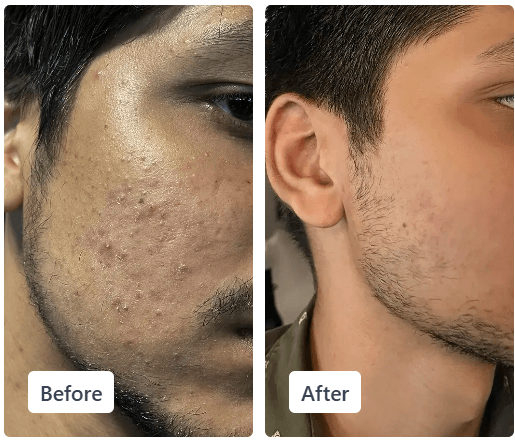
See real results, then start your own
Take the free Clear Ritual Skin Test and get a personalized routine built for your skin's unique patterns.
Why Your Skin Barrier Matters
Your skin barrier is a protective layer made of skin cells held together by lipids like ceramides and cholesterol. This barrier keeps moisture in and irritants out while regulating oil production. When you use harsh cleansers with high pH levels or strong surfactants, you strip away these protective lipids.
Stripped skin responds by producing more sebum to compensate for the loss, creating a cycle where your skin feels tight after washing but becomes oily within hours. This explains why people with acne sometimes notice more breakouts after using aggressive cleansers. The disrupted barrier also becomes more susceptible to bacteria penetration and inflammation.
The best face washes for pimples work with your skin barrier rather than against it. They remove impurities effectively while maintaining the pH balance and leaving beneficial lipids intact. This approach reduces transepidermal water loss and keeps your skin's natural defenses functioning properly.
Active Ingredients That Target Pimples
Salicylic Acid
Salicylic acid is a beta hydroxy acid that penetrates into oil-filled pores because it dissolves in sebum. Once inside, it breaks apart the bonds holding dead skin cells together, clearing the clog from within. This ingredient also reduces inflammation and has mild antibacterial properties.
Look for concentrations between 0.5% and 2% in cleansers. Higher percentages do not necessarily work better and may irritate your skin. Salicylic acid works best for blackheads, whiteheads, and mild inflammatory acne. Because it exfoliates inside the pore, it prevents new pimples from forming with consistent use.
Benzoyl Peroxide
Benzoyl peroxide kills acne-causing bacteria by releasing oxygen into the pore, creating an environment where anaerobic bacteria cannot survive. It also helps loosen dead skin cells and reduces excess oil on the skin's surface.
Face washes typically contain 2.5% to 10% benzoyl peroxide. Research shows that lower concentrations can be just as effective as higher ones while causing less dryness and irritation. This ingredient works quickly on inflammatory acne like papules and pustules but can bleach fabrics, so rinse thoroughly and use white towels.
Glycolic Acid
Glycolic acid is an alpha hydroxy acid that works on the skin's surface rather than inside pores. It dissolves the bonds between dead skin cells, promoting faster cell turnover and preventing pore blockages. This ingredient also helps fade post-acne marks by encouraging new cell growth.
Glycolic acid cleansers typically range from 5% to 10%. This ingredient can increase sun sensitivity, so morning use requires diligent sun protection. It works well for people with acne and textured skin or hyperpigmentation concerns.
Sulfur
Sulfur absorbs excess oil and promotes peeling of dead skin cells. It has antibacterial properties and causes less irritation than some other acne ingredients, making it suitable for sensitive skin. The downside is its distinctive smell, though formulations have improved.
Sulfur cleansers typically contain 3% to 10% of the ingredient. This option works well for people who cannot tolerate salicylic acid or benzoyl peroxide, or for those with both acne and rosacea.
See real results, then start your own
Take the free Clear Ritual Skin Test and get a personalized routine built for your skin's unique patterns.
What to Look For Based on Your Skin Type
| Skin Type | Cleanser Texture | Key Ingredients | What to Avoid |
|---|---|---|---|
| Oily, acne-prone | Gel or foam | Salicylic acid, benzoyl peroxide | Heavy oils, coconut oil derivatives |
| Combination with acne | Light gel or cream | Salicylic acid, niacinamide | Harsh sulfates, alcohol denat |
| Dry with acne | Cream or lotion | Glycolic acid, ceramides | Strong foaming agents, high pH |
| Sensitive with acne | Cream or milk | Sulfur, azelaic acid | Fragrances, essential oils, menthol |
Understanding Cleanser pH and Surfactants
Your skin's natural pH sits between 4.5 and 5.5, slightly acidic. This acidity helps beneficial bacteria thrive while keeping harmful bacteria in check. Many traditional soaps have a pH of 9 to 11, which disrupts this balance and weakens your skin barrier.
The best acne cleansers maintain a pH close to your skin's natural level, typically between 5 and 6. This range allows active ingredients to work effectively while supporting your skin's natural defenses. Some products list their pH on the packaging, but many do not. Generally, cleansers labeled as pH-balanced or formulated for sensitive skin pay more attention to this factor.
Surfactants are the cleaning agents in face washes. Sodium lauryl sulfate and sodium laureth sulfate create rich foam but can be harsh on skin barriers. Gentler alternatives include sodium cocoyl isethionate, cocamidopropyl betaine, and decyl glucoside. These clean effectively without stripping essential lipids.
Application Technique Matters
How you use your cleanser affects its performance. Apply the product to damp skin using lukewarm water, not hot, which can increase inflammation and stimulate oil production. Use your fingertips in gentle circular motions for 30 to 60 seconds, giving active ingredients time to work.
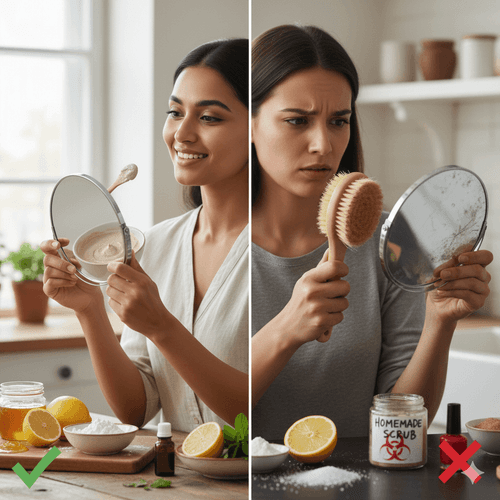
Avoid scrubbing vigorously or using rough washcloths, which create micro-tears in already inflamed skin. These small injuries allow bacteria to penetrate deeper and can spread existing pimples to nearby areas. The mechanical action of gentle massage is sufficient to loosen debris and dead cells.
Rinse thoroughly with cool to lukewarm water, ensuring no residue remains around your hairline, jawline, or neck. Pat dry with a clean towel rather than rubbing. If using an active ingredient like benzoyl peroxide or salicylic acid, wait one to two minutes after patting dry before applying other products. This allows your skin's pH to stabilize and enhances the effectiveness of treatments that follow.
Common Mistakes That Worsen Pimples
Over-Cleansing
Washing your face more than twice daily strips protective oils faster than your skin can replace them. This triggers rebound oil production and keeps your barrier in a weakened state. People with oily skin often fall into this trap, thinking more cleansing will control oil. Instead, it creates a cycle of tightness followed by excess grease.
Using Multiple Active Ingredients Too Soon
Starting with a salicylic acid cleanser, benzoyl peroxide treatment, and retinoid cream all at once overwhelms your skin. The combination causes excessive dryness, redness, and peeling, which paradoxically can worsen acne. Your damaged barrier cannot regulate oil properly or defend against bacteria.
Introduce one active ingredient at a time, using it consistently for two to three weeks before adding another. Start with your cleanser since you use it daily, then build your routine gradually.
Choosing Products Based on Foam
Rich, luxurious foam feels satisfying but often indicates harsh surfactants. These create the impressive lather that strips your skin. Effective cleansers may produce minimal foam while still cleaning thoroughly. Judge a product by how your skin feels 20 minutes after washing, not by bubble production.
Skipping Moisturizer
Some people with acne avoid moisturizer, fearing it will clog pores or make skin oilier. However, skipping this step leaves your barrier compromised after cleansing. Your skin compensates by producing more sebum, and without surface hydration, dead cells accumulate faster.
Choose a lightweight, non-comedogenic moisturizer appropriate for acne-prone skin. This supports barrier repair and actually helps regulate oil production over time.
Ingredients to Approach With Caution
Coconut Oil and Its Derivatives
Pure coconut oil has a high comedogenic rating, meaning it frequently clogs pores in acne-prone skin. Some derivatives like cocamidopropyl betaine are processed differently and generally safe, but ingredients like coconut oil itself, coconut butter, or cocoglycerides may trigger breakouts in susceptible people.
Fragrance and Essential Oils
Fragrance compounds and essential oils like lavender, peppermint, or tea tree (in high concentrations) can irritate inflamed skin. While tea tree oil has antibacterial properties, the amounts in cleansers are often too low to help and high enough to irritate. Fragrance provides no benefit and represents a common cause of contact dermatitis in acne-prone skin.
Alcohol Denat and SD Alcohol
These drying alcohols temporarily reduce oil and tighten pores but damage your barrier with repeated use. They trigger the same rebound oil production as over-cleansing. Fatty alcohols like cetyl or stearyl alcohol are different compounds that actually help moisturize and should not be confused with drying alcohols.
Physical Exfoliants
Scrubs with walnut shells, apricot kernels, or other rough particles create micro-tears in inflamed skin. These injuries spread bacteria and worsen inflammation. Chemical exfoliants like salicylic or glycolic acid achieve better results without physical damage.
Supporting Ingredients That Enhance Results
Niacinamide
This form of vitamin B3 reduces inflammation, regulates sebum production, and strengthens your skin barrier. It works well alongside acne actives without causing irritation. Concentrations of 2% to 5% in cleansers provide benefits, though higher amounts in leave-on products offer more impact.
Zinc
Zinc compounds like zinc pyrithione or zinc PCA have antibacterial and oil-absorbing properties. They reduce inflammation and help control the bacteria population on your skin's surface. Zinc is particularly helpful for people whose acne worsens with stress or hormonal fluctuations.
Ceramides
These lipids make up a significant portion of your skin barrier. Cleansers containing ceramides help replace what the washing process removes, supporting barrier integrity. While cleansers rinse off, brief contact with ceramide-rich formulas still provides some benefit.
Green Tea Extract
Polyphenols in green tea have anti-inflammatory and antioxidant properties. They reduce the redness associated with acne and protect against oxidative stress that can worsen inflammation. Green tea extract in cleansers provides mild benefits without irritation.
When to Adjust Your Approach
If your skin shows no improvement after six to eight weeks of consistent use, the product may not match your needs. However, give new cleansers adequate time to work since skin cell turnover takes approximately 28 days. Purging, where existing clogged pores surface faster, can occur with exfoliating ingredients during the first two to three weeks.
Signs your cleanser is too harsh include:
- Tightness lasting more than a few minutes after washing
- Increased oil production within an hour or two
- Redness that persists after cleansing
- Flaking or peeling unrelated to active ingredients
- Burning or stinging during or after use
Signs your cleanser may be too gentle:
- Skin feels greasy or grimy after washing
- Makeup does not fully remove
- Blackheads increase despite consistent use
- Your skin feels heavy or coated
External factors also influence how your cleanser performs. High humidity increases oil production and may require a stronger formula during summer months. Indoor heating in winter dries skin and may necessitate switching to a gentler cleanser. Stress elevates cortisol, which triggers more oil production and inflammation, sometimes requiring temporary adjustment in your routine.
The Role of Double Cleansing
Double cleansing involves using an oil-based cleanser first to dissolve sunscreen, makeup, and sebum, followed by a water-based cleanser to remove water-soluble impurities and provide active ingredients. This method originated in Korean skincare and works well for people who wear makeup or heavy sunscreen daily.
For acne-prone skin, choose a lightweight cleansing oil or micellar water for the first step. Avoid thick balms that may leave residue. The second cleanse with your acne-fighting face wash can be briefer since the first step removed most surface debris. This approach ensures thorough cleaning without harsh scrubbing or extended contact with strong actives.
Double cleansing at night makes sense when you have accumulated oil, sunscreen, and environmental pollution throughout the day. Morning cleansing can be a single step since you only need to remove overnight oil production and any treatment products applied the previous evening.
Lifestyle Factors That Affect Results
Your cleanser works as part of a larger system. Several lifestyle factors influence how effectively it manages pimples:
Poor sleep elevates cortisol and disrupts hormones that regulate oil production. Even the best cleanser cannot fully compensate for chronic sleep deprivation's effects on your skin.
High-glycemic foods cause blood sugar spikes that trigger insulin release, which stimulates oil glands and can worsen acne. A diet heavy in refined sugars and processed carbohydrates may undermine your cleansing routine's effectiveness.
Touching your face transfers bacteria from your hands and spreads existing pimples to new areas. Resting your chin on your hands, picking at blemishes, or frequently checking if a pimple is still there introduces new bacteria despite thorough cleansing.
Pillowcases collect oil, dead skin cells, and bacteria night after night. Changing them every two to three days prevents re-depositing this debris onto your freshly cleansed skin.
How Clear Ritual Supports Personalized Skincare Decisions
Clear Ritual understands that pimples are more than a surface issue. They are shaped by genetics, skin renewal cycles, environmental factors, and the products you use.
Because pimples form when hormone fluctuations, stress responses, genetic predisposition, and microbiome balance combine with clogged pores, excess oil, and bacteria, generic solutions rarely bring lasting improvement. Clear Ritual combines traditional wisdom and modern science to address the underlying causes of persistent breakouts.
The Clear Ritual Skin Test analyses your skin's unique patterns and daily influences to help identify the best routine for supporting healthy skin and reducing pimple recurrence.
See real results, then start your own
Take the free Clear Ritual Skin Test and get a personalized routine built for your skin's unique patterns.
Editorial Standards
Clear Ritual has Strict sourcing guidelines to ensure our content is accurate and current. We rely on peer-reviewed studies, academic research institutions, and medical associations. We strive to use primary sources and refrain from using tertiary references. See a mistake? Learn More about our Editorial Standards.