Open Pores: Causes, Treatment, and How to Minimise Their Appearance

Quick Answer:
Pore size is affected by excess oil production, ageing, collagen loss, sun damage, genetics, gender, dead skin, and makeup. You can significantly reduce their visible appearance through proper skincare and clinical treatments. However, open pores cannot be permanently closed, removed, or made smaller, as they are natural openings that release oil and sweat.
What Are Open Pores?
Open pores are enlarged pores present on your skin's surface; when clogged, they may lead to blackheads, whiteheads, acne, and dullness. Though they are not a medical concern, damage from sun exposure and squeezing or picking them can cause permanent sagging or scarring.
What Causes Open Pores on the Face?
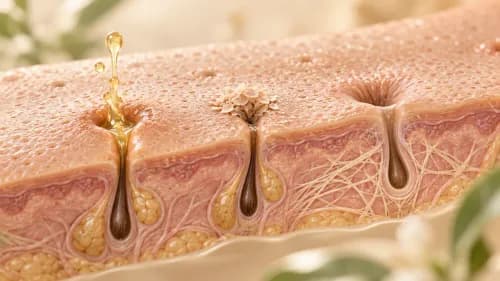
Pores don’t have muscles, so they can’t open and close like doors, and steam doesn’t open them either. They appear large when oil and debris stretch them. That's why your pores seem open.
Several things can make your pores look bigger:
- Excess oil production: When your oil glands release more oil, it rises to the top layer of your skin and gets collected in your pores. This stretches them, so they may look larger.
- Hormones: Androgens tell your oil glands to produce more oil. That’s one reason why pores look bigger during puberty and in men.
- Clogged pores and dead skin cells: Using pore-clogging products can build up oil and dead skin cells inside pores, making them more noticeable.
- Genetics and skin type: Your genes influence your pore size, and having oily skin can make pores easier to see.
- Ageing and loss of skin elasticity: As your skin loses collagen over time, pores may appear more prominent.
- Sun exposure and skin damage: Repeated UV exposure can damage collagen and affect your skin's firmness, making pores more noticeable.
These factors can overlap, so your approach should be according to what is contributing to your pore appearance.
Types of Open Pores on the Face
Open pores don't have a universally accepted medical type. You can still sort them into patterns, based on where they appear, how they look, and what affects them.
- Round pores around your nose and forehead may be more noticeable when your skin produces excess oil, especially if you have oily or combination skin.
- Enlarged pores on your cheeks can be due to oil production, acne, the natural size of your hair follicles, or use of skincare and makeup products that clog your pores.
- Pores can appear more prominent with ageing as changes in skin elasticity make them look bigger.
How Can You Reduce Open Pores on the Face?
You cannot permanently shrink your pores, but you can make them less noticeable with a consistent skincare routine.
| Steps to follow | Why it helps |
|---|---|
| Follow a consistent skincare routine | Using a mild cleanser and a fragrance-free moisturiser that won’t clog pores helps maintain your skin barrier. |
| Use ingredients that help minimise pore appearance | Introducing one active at a time, such as salicylic acid, retinoids, or niacinamide, into your routine helps manage oil and clogged pores. Patch-test first, since these can cause dryness or peeling at the start. |
| Protect your skin from sun exposure. | Using a broad-spectrum sunscreen with SPF 30 or higher blocks the UVA and UVB rays that break down collagen, so your pores are less likely to look bigger over time. It reduces the chances of sun damage that can affect your skin's firmness over time. |
| Avoid products and habits that can irritate your skin. | Avoid using physical scrubs and rough cleansing brushes. Ask your dermatologist about gentle acid exfoliants, like salicylic acid, to help keep pores clear. Don’t squeeze or pick at pores. |
Note: Avoid topical (the one applied to your skin) retinoids during pregnancy or when trying to conceive. Planning a pregnancy? Ask your doctor first.
Open Pores Treatment Options
If your pores remain prominent despite consistent skincare, a dermatologist can help you choose better options that suit your skin while targeting your concerns.
Salicylic Acid for Clogged Pores
Topical salicylic acid, a beta-hydroxy acid (BHA), can help clear pore blockages and improve the appearance of oily, congested skin. If you have sensitive skin or are a beginner, start with a 0.5% to 2% concentration. Combine it with soothing and hydrating serums to minimise irritation. Follow with a moisturiser to protect your skin barrier.
Retinoids for Skin Texture
Retinoids are vitamin A-based ingredients that speed up skin renewal and help rebuild collagen. They may improve clogged pores and some textural concerns. Your dermatologist can help you choose an appropriate formulation and strength. A dermatologist can prescribe a stronger version if you need one.
If you prefer an over-the-counter (OTC) retinoid, start with 0.05% retinaldehyde or 0.1% retinol, two to three nights a week. Use it with a barrier-supporting serum that has ceramides. Then apply a pea-sized amount of retinol and seal it with a moisturiser. This way, you can minimise irritation, skin dryness, or flaking. Wear sunscreen the next morning.
Niacinamide for Excess Oil
Niacinamide is a form of Vitamin B3 that may help manage oiliness and support the skin barrier. Its benefits depend on the formulation and your individual skin concerns. Add one new product at a time so you can spot what irritates your skin.
Chemical Peels for Clogged Pores
A chemical peel uses an acid, like salicylic or glycolic acid, to lift off the top layer of dead skin. It can ease clogged pores and may make pores look slightly smaller. Follow your dermatologist’s aftercare advice during treatment to avoid complications like dark spots and scarring more likely if you have a medium to deep skin tone.
Laser Treatments and Other Dermatological Procedures
Some laser and radiofrequency (heat-based) treatments may make pores look smaller in some people. The studies so far are small, and results can fade. They can need multiple sessions, cost a lot, and cause side effects, so discuss the expected benefits and risks with a qualified dermatologist.
Tip: Wear sunscreen every day and reapply as your dermatologist advises as skin is more sensitive to sun after peels and lasers.
Open Pores Treatment at Home
You can care for your pores at home, whether or not you've had professional treatment.
Cleanse Your Face Gently
Wash your face with a gentle cleanser, twice a day, and again after you sweat or wear makeup. Skip the scrubbing. It irritates your skin and won’t clear your pores.
Use a Clay Mask for Excess Oil
A clay mask may temporarily absorb excess surface oil. Use it once or twice a week, or as the label says and stop using it if your skin becomes irritated or very dry.
Moisturise Your Skin Regularly
All skin types need a moisturiser, so choose a lightweight moisturiser that won’t clog pores to keep your skin barrier healthy.
Apply Sunscreen Every Day
Apply sunscreen daily at least 15 minutes before sun exposure and reapply every two hours if you spend time outdoors during the day or after swimming and sweating. If you stay indoors and sit away from windows or direct sunlight, you may not need reapplication.
Clear Ritual’s Perspective on Open Pores
Visible pores are normal and do not usually require medical treatment. Your skin needs care that suits its current needs and habits you can maintain.
At Clear Ritual, we know pores don’t change overnight, and our approach begins with understanding your skin. The Clear Ritual Skin Test helps you explore your concerns and build a more personalised routine. We help you make informed choices and feel confident in your skin.
Understand What Your Skin Needs
Take the Clear Ritual Skin Test to identify your skin type, concerns, and potential triggers before building your routine.
Take the Free Skin Test
Frequently Asked Questions
Q. How to close open pores on the face permanently?
A. No. Pores are natural openings in your skin. The right skincare and professional treatments may make them less noticeable, but they can’t permanently close them.
Q. How can you reduce open pores on the face?
A. You cannot permanently close pores, but you can naturally minimise their appearance with a gentle cleansing and moisturising routine. Use sunscreen daily and avoid squeezing or scrubbing; this can support your skin without harsh home remedies.
Q. Which treatment is best for open pores?
A. Pores cannot be permanently closed, but their appearance can be significantly minimised through targeted skincare, active ingredients, and professional procedures. A dermatologist can recommend suitable options for your skin.
Q. How long does open pores treatment take to show results?
A. Initial improvement from open pores treatment appears within 2 to 4 weeks, while full and optimal results take 3 to 6 months. The timeline varies with the product, treatment, and underlying concern.
Q. Do open pores indicate oily skin?
A. Not always. Oily skin can make pores more noticeable, but genetics, follicle characteristics, acne, and changes in skin elasticity can also contribute.
References
- The American Academy of Dermatology: What can treat large facial pores?
- Lee SJ, Seok J, Jeong SY, Park KY, Li K, Seo SJ. Facial Pores: Definition, Causes, and Treatment Options. Dermatol Surg. 2016;42(3):277-285. doi:10.1097/DSS.0000000000000657
- Dong J, Lanoue J, Goldenberg G. Enlarged facial pores: an update on treatments. Cutis. 2016 Jul;98(1):33-6. PMID: 27529707.
- DermNet New Zealand. Enlarged pores (March 2017)
Editorial Standards
Clear Ritual has Strict sourcing guidelines to ensure our content is accurate and current. We rely on peer-reviewed studies, academic research institutions, and medical associations. We strive to use primary sources and refrain from using tertiary references. See a mistake? Learn More about our Editorial Standards.
Related Articles
Open Pores Kyu Hote Hai: Complete Guide - Karan, Upchar aur Best Practices
Published 21 September 2026
घर पर Open Pores का इलाज: कारण, Routine और Safe Care
Published 21 September 2026
Acne and Diet: What’s the Real Link Between Food and Breakouts?
Published 21 July 2026

Acne Caused by Makeup: Understanding Acne Cosmetica
Published 17 July 2026