Microbiome & Blackheads: How Skin Bacteria Influence Pore Health
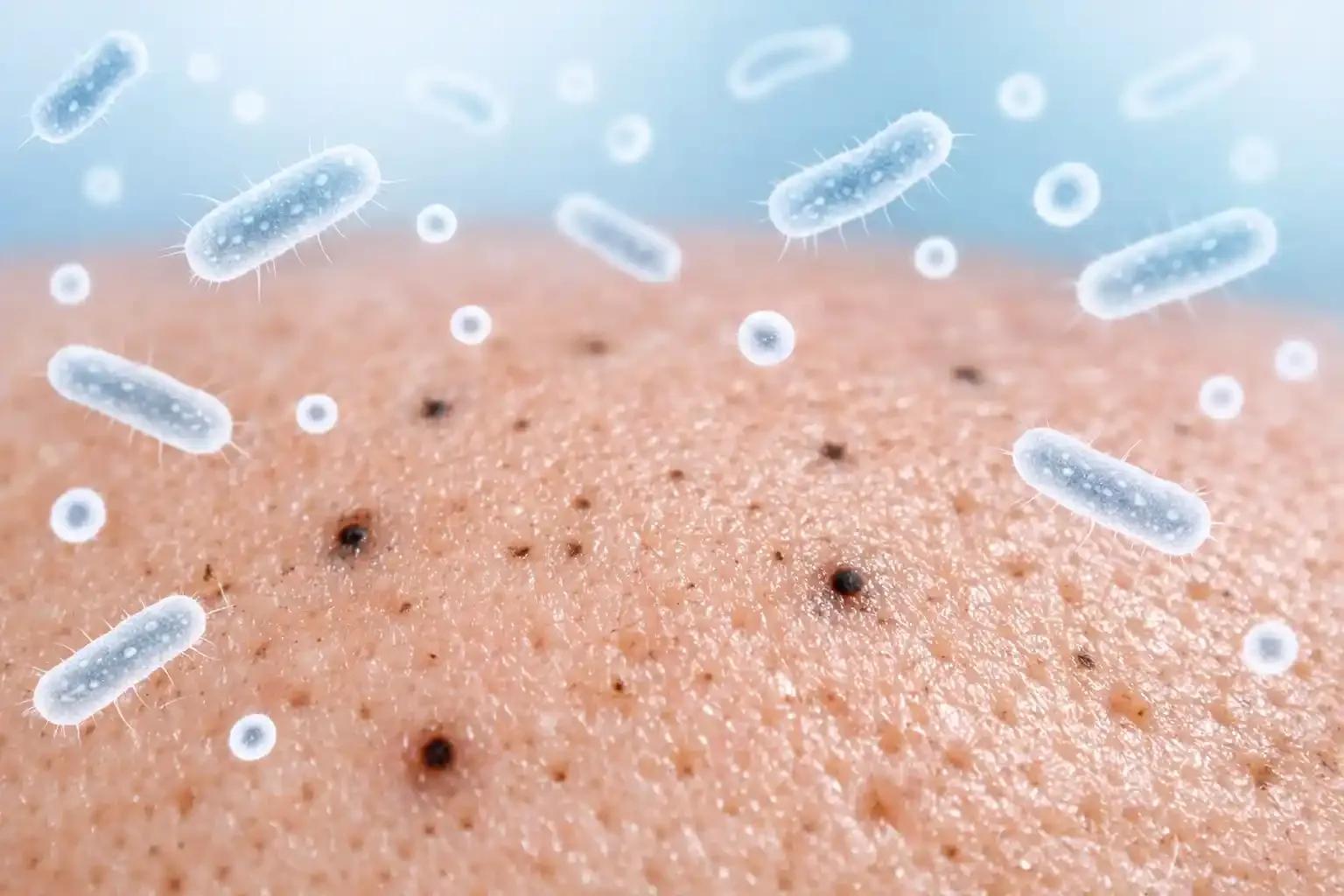
Blackheads are not just caused by dirt or clogged pores full of oil, they are closely tied to your skin's microbiome balance. When beneficial bacteria like C. acnes and S. epidermidis are disrupted through over-cleansing, harsh products, or lifestyle factors, harmful bacterial overgrowth and inflammation can follow, leading to clogged pores and blackheads. Supporting a balanced microbiome through gentle, probiotic-friendly skincare helps maintain clearer pores naturally.
- Blackheads form from sebum, dead skin cells, and microbial imbalance, not simply dirt
- A diverse, balanced microbiome tends to mean fewer breakouts
- Over-cleansing and harsh products can disrupt beneficial bacteria and worsen blackheads
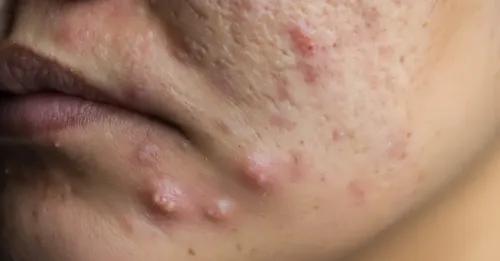
Blackheads (or open comedones) form when excess oil (sebum), dead skin cells, and impurities clog your pores. When this trapped material oxidizes upon exposure to air, it turns dark, giving blackheads their characteristic look.
A common misconception is that bacteria like Cutibacterium acnes (formerly Propionibacterium acnes) cause blackheads. In reality, not all C. acnes strains are harmful. Some help regulate oil and maintain balance, the issue begins when the microbial diversity shifts, leading to dysbiosis (imbalance).
| Factor | Description | Impact on Pores |
|---|---|---|
| Excess sebum | Overproduction of oil | Clogs pores |
| Dead skin buildup | Improper exfoliation | Traps oil and bacteria |
| Microbial imbalance | Overgrowth of C. acnes strains | Inflammation, blackheads |
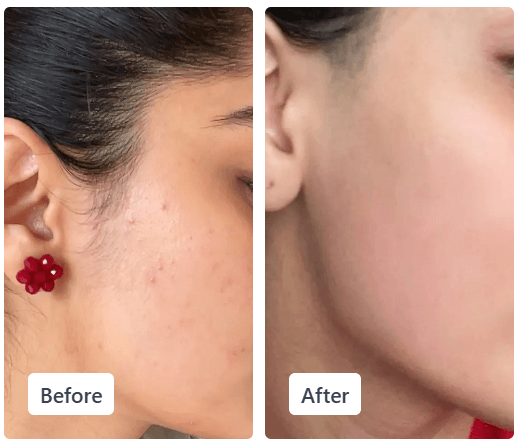
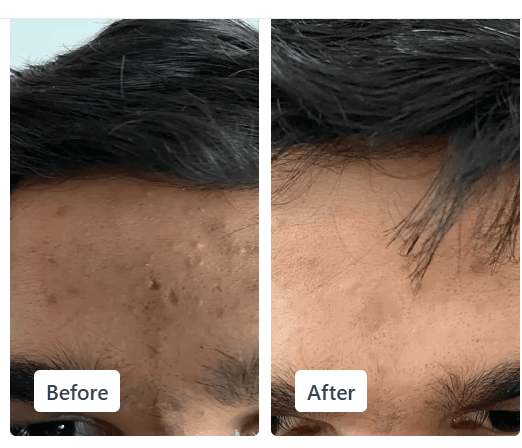
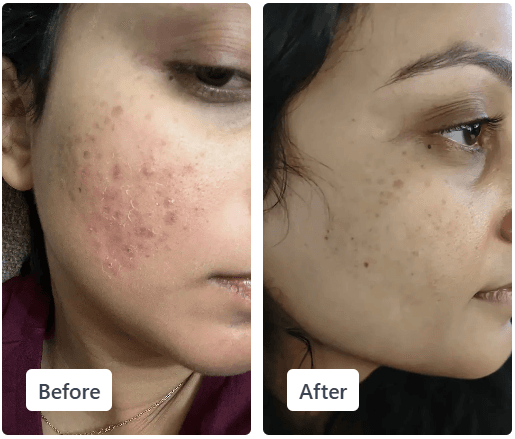
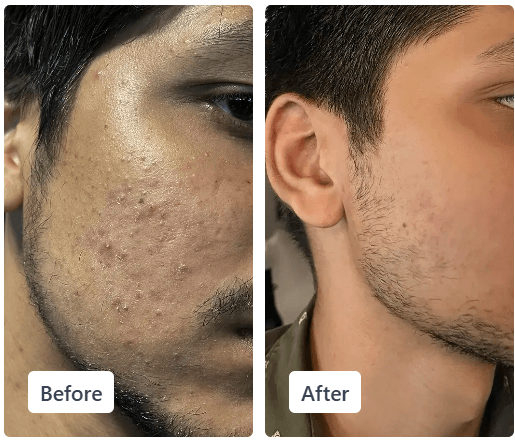
See real results, then start your own
Take the free Clear Ritual Skin Test and get a personalized routine built for your skin's unique patterns.
The Skin Microbiome Explained, Your Skin's Invisible Ecosystem
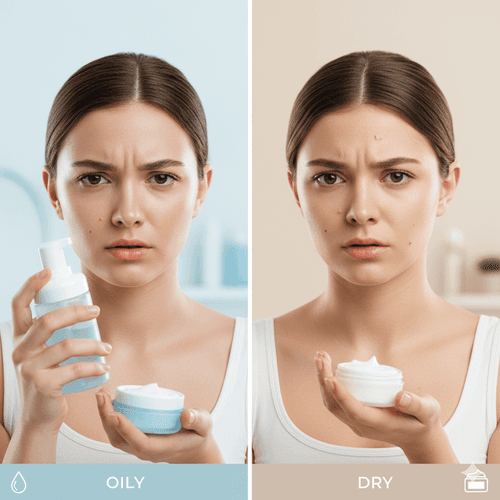
Your skin has multiple zones, oily (like your T-zone), dry, and moist areas, each hosting unique microbial communities. The key bacterial species include:
-
Cutibacterium acnes: regulates oil and maintains pH balance.
-
Staphylococcus epidermidis: supports the skin barrier and fights inflammation.
-
Corynebacterium: found in moist areas, helping maintain equilibrium.
A healthy microbiome has diverse "good" bacteria that prevent the overgrowth of inflammatory microbes. As dermatologist Dr. Whitney Bowe explains, "A balanced microbiome keeps the skin barrier strong and less prone to acne or irritation."
How an Imbalanced Microbiome Leads to Blackheads
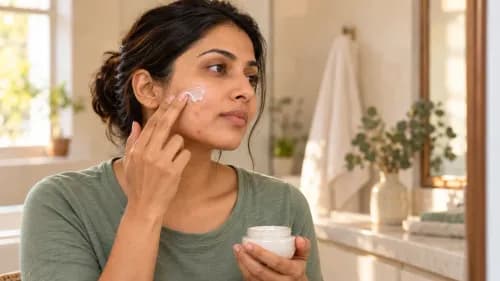
An overzealous skincare routine can unintentionally disrupt your microbiome. Over-cleansing or over-exfoliating strips away essential oils and beneficial microbes. This triggers:
-
Microbiome disruption → loss of protective bacteria
-
Barrier damage → increased water loss, oil rebound
-
Bacterial overgrowth → inflammation and clogged pores
Even a simple change in your cleanser's pH can tilt this balance. Research shows that people with diverse skin microbiomes tend to have fewer acne lesions and blackheads compared to those with depleted microbial diversity.
See real results, then start your own
Take the free Clear Ritual Skin Test and get a personalized routine built for your skin's unique patterns.
Factors That Affect Your Skin Microbiome
1. Skincare Habits
-
Overuse of antibacterial cleansers can destroy beneficial microbes.
-
Switch to microbiome-friendly products enriched with prebiotics, probiotics, and postbiotics.
-
Avoid alcohol-heavy toners and harsh scrubs.
2. Diet & Lifestyle
Your gut and skin microbiomes are connected, an unhealthy gut often manifests as acne-prone skin.
-
Include fermented foods (curd, kimchi, kefir) and omega-3s to nurture good bacteria.
-
Chronic stress and sleep deprivation can disrupt both gut and skin microbial balance.
3. Environmental Influences
Pollution, humidity, and makeup residue can alter your skin's microbial makeup. Always double-cleanse gently and protect your skin with barrier-repairing moisturizers.
Microbiome-Friendly Skincare Tips for Blackhead Prevention
✅ Do's
-
Use microbiome-safe cleansers with mild surfactants.
-
Incorporate probiotic or prebiotic serums to encourage balance.
-
Keep your skin hydrated with ceramides and humectants.
-
Opt for chemical exfoliants (like salicylic acid) instead of harsh physical scrubs.
❌ Don'ts
-
Avoid over-cleansing or exfoliating more than twice a week.
-
Skip high-pH cleansers that strip your acid mantle.
-
Don't use antibacterial wipes unless medically necessary.
Myth vs Fact, What Science Really Says About Bacteria and Blackheads
| Myth | Fact |
|---|---|
| All bacteria cause acne. | Some bacteria actually protect skin from inflammation. |
| Stronger cleansers mean fewer blackheads. | Harsh cleansers destroy beneficial microbes and weaken your barrier. |
| Probiotic skincare is just a trend. | Studies confirm probiotics restore microbial balance and support clear skin. |
Comparing Blackhead Treatments, Conventional vs Microbiome-Safe
| Treatment Type | Pros | Cons | Microbiome Impact |
|---|---|---|---|
| Benzoyl Peroxide | Fast results | Can dry out skin | Disruptive |
| Salicylic Acid | Unclogs pores effectively | Mild irritation possible | Neutral |
| Probiotic Serum | Restores microbial balance | Takes longer to show results | Supportive |
While traditional treatments can clear pores temporarily, microbiome-safe solutions help sustain results without disrupting skin health.
Expert Insights, What Dermatologists Say About Microbiome Care
According to dermatologists, future skincare innovation will revolve around maintaining the microbiome, not stripping it. Research shows that probiotic skincare can help balance oil production, reduce inflammation, and strengthen the barrier.
Emerging trends include:
-
Live bacteria skincare formulations
-
Postbiotic creams that mimic healthy skin flora
-
Personalized microbiome analysis for acne-prone individuals
As Dr. Bowe notes, "The goal isn't to kill bacteria, it's to cultivate the right ones."
How Clear Ritual Supports Personalized Skincare Decisions
Clear Ritual understands that blackhead formation is more than a surface issue. It is shaped by genetics, skin renewal cycles, environmental factors, and the products you use.
Because blackheads form when excess sebum, dead skin cells, and microbial imbalance combine to clog pores, generic solutions rarely bring lasting improvement. Clear Ritual combines traditional wisdom and modern science to address the underlying causes of blackheads.
The Clear Ritual Skin Test analyses your skin's unique patterns and daily influences to help identify the best routine for supporting healthy skin and reducing blackhead recurrence.
See real results, then start your own
Take the free Clear Ritual Skin Test and get a personalized routine built for your skin's unique patterns.
Conclusion
Your skin isn't a battlefield, it's an ecosystem. Blackheads aren't just oil plugs but signs that your skin's microbiome may be out of balance. By embracing gentle, microbiome-friendly habits and products, you can support healthy bacteria, protect your barrier, and achieve naturally clearer skin.
Frequently Asked Questions
Can probiotics help reduce blackheads?
Yes. Topical probiotics support beneficial bacteria, reducing inflammation and balancing oil production.
How can I tell if my skin microbiome is imbalanced?
Signs include redness, dryness, sensitivity, or frequent breakouts despite good hygiene.
Are blackheads caused by bacteria or oil?
Both play a role, excess oil clogs pores, and bacterial imbalance triggers inflammation.
Do antibiotics damage the skin microbiome?
Long-term use can disrupt microbial diversity, so it's best used only under medical supervision.
What are the best microbiome-safe ingredients for oily skin?
Look for niacinamide, salicylic acid, ceramides, and probiotics like Lactobacillus ferment.
Editorial Standards
Clear Ritual has Strict sourcing guidelines to ensure our content is accurate and current. We rely on peer-reviewed studies, academic research institutions, and medical associations. We strive to use primary sources and refrain from using tertiary references. See a mistake? Learn More about our Editorial Standards.