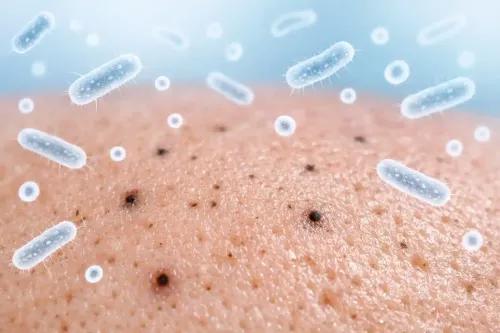
Why Small Bumps Appear on Forehead
Small bumps on the forehead form when excess sebum, dead skin cells, and bacteria clog pores, a process worsened by the forehead's high density of sebaceous glands. Common triggers include hormonal shifts, friction from hats or hair, buildup from cosmetics and hair products, barrier disruption from over-cleansing or exfoliation, and dietary factors. Addressing these root causes rather than just symptoms is key to lasting improvement.
- Forehead bumps develop from pore congestion involving oil, dead cells, and bacteria
- The forehead produces more sebum due to higher sebaceous gland density
- Hormones, friction, cosmetics, and barrier disruption all contribute
What Are These Small Bumps?
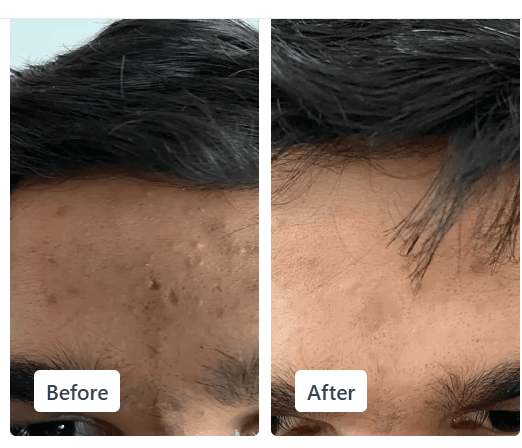
The small bumps you notice across your forehead represent different stages of pore congestion. Most commonly, these appear as closed comedones (whiteheads), small flesh-colored papules, or tiny raised texture that feels rough to touch. Unlike larger inflammatory acne, these bumps often sit beneath the skin's surface without forming visible pus or dramatic redness.
Your forehead contains one of the highest concentrations of sebaceous glands on your face. Each follicle connects to an oil gland that continuously produces sebum to keep skin protected and moisturized. When this system experiences disruption, the result shows up as persistent texture.
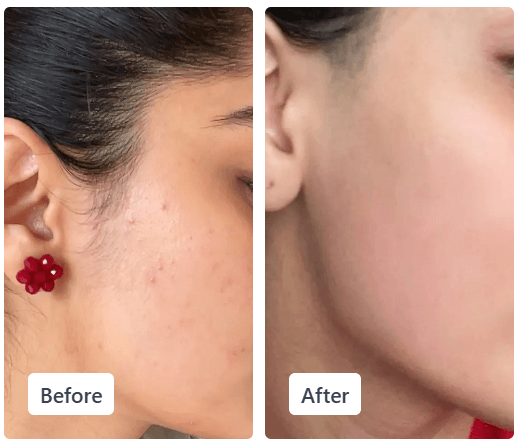
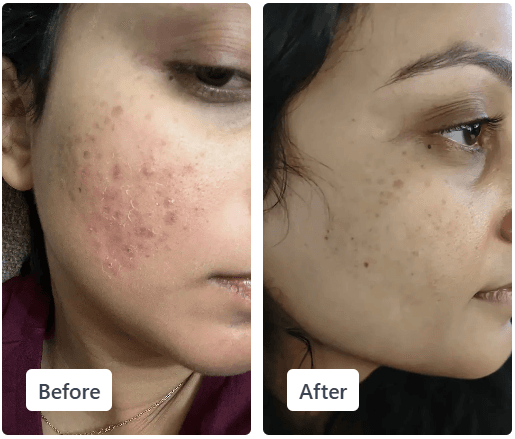
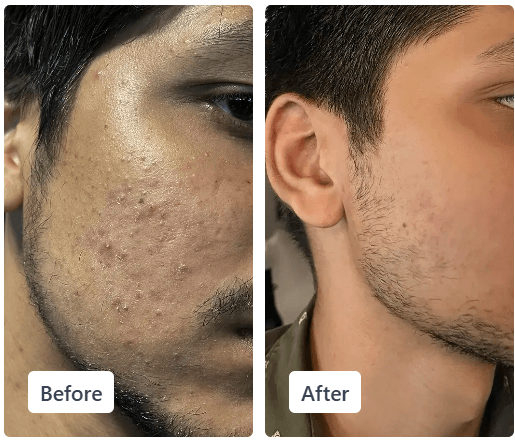
See real results, then start your own
Take the free Clear Ritual Skin Test and get a personalized routine built for your skin's unique patterns.
What Happens Beneath the Skin
Understanding the formation process helps explain why these bumps persist. Inside each hair follicle, your skin constantly sheds dead cells. Normally, these cells travel upward and exit through the pore opening. Sebum flows along this same pathway, coating the skin surface with protective lipids.
Problems begin when the follicle lining produces cells faster than they can exit. Dead cells accumulate inside the narrow channel, mixing with sebum to form a soft plug. This plug partially or completely blocks the pore opening. Behind this blockage, oil production continues, creating pressure and swelling within the follicle wall.
The trapped environment becomes ideal for bacteria naturally present on skin, particularly Cutibacterium acnes. These organisms metabolize the trapped sebum, producing inflammatory byproducts. Your immune system responds by sending white blood cells to the area, triggering mild inflammation. This cascade explains why bumps persist even when they don't appear obviously infected.
Why Your Forehead Specifically
The forehead sits within the T-zone, an area extending from your forehead down through your nose. This region produces significantly more sebum than your cheeks or jawline due to larger and more numerous oil glands. Higher oil production means greater likelihood of pore congestion when other contributing factors enter the picture.
The forehead's flat surface also makes it vulnerable to occlusion. Hats, headbands, helmets, and hair products create a barrier that traps heat, sweat, and oils against the skin. This occlusive environment prevents natural evaporation and increases moisture buildup inside pores.
Hair contact represents another significant factor. Whether through bangs, loose strands, or hair touching your forehead during sleep, this friction transfers oils, styling products, and dirt directly onto skin throughout the day. Each contact point can introduce pore-clogging substances while mechanically irritating the follicle opening.
See real results, then start your own
Take the free Clear Ritual Skin Test and get a personalized routine built for your skin's unique patterns.
Common Triggers That Worsen Bumps
Barrier Disruption Patterns
Your skin barrier functions as a selective membrane controlling water loss and substance entry. When this barrier weakens, several problematic changes occur simultaneously. Transepidermal water loss increases, triggering compensatory sebum production. The skin becomes more reactive to environmental irritants. Inflammatory signaling intensifies even from minor triggers.
Over-cleansing strips away the lipid layer that maintains barrier integrity. Many people notice bumps worsening after implementing harsh cleansing routines, believing aggressive washing will "deep clean" pores. Instead, damaged barriers lead to rebound oil production and increased sensitivity.
Similarly, excessive exfoliation [whether physical scrubs or chemical acids used too frequently] removes the protective outer layers faster than skin can regenerate them. The compromised surface becomes more prone to bacterial colonization and inflammation.
Hormonal Fluctuations
Androgens, particularly testosterone and its derivative DHT, directly stimulate sebaceous glands to enlarge and produce more oil. During puberty, monthly menstrual cycles, or periods of stress, androgen levels fluctuate, creating waves of increased sebum production.
Cortisol, your primary stress hormone, also influences skin behavior. Elevated cortisol triggers inflammation throughout the body, including within hair follicles. It disrupts the normal skin cell turnover rhythm and can weaken barrier function. Chronic stress creates a sustained environment where bumps form more easily and persist longer.
Sleep deprivation compounds these hormonal effects. During deep sleep, your body regulates cortisol levels and performs tissue repair. Insufficient sleep prevents proper hormone balancing and reduces skin regeneration capacity.
Cosmetic and Product Accumulation
Many skincare products, makeup formulations, and hair care items contain ingredients that accumulate inside pores over time. Heavy oils, silicones, and waxy substances create a film on the skin surface. While these ingredients provide desirable texture and appearance benefits, they can prevent proper sebum flow and dead cell shedding.
Foundation and concealer applied to the forehead often gets reapplied throughout the day without proper cleansing in between. Each layer adds to the occlusive burden. Even products labeled "non-comedogenic" can cause issues in individuals with highly reactive skin or when used in combination with other occlusive items.
Hair products present a particularly challenging source of pore congestion. Conditioners, styling creams, gels, and sprays containing heavy silicones, oils, or polymers migrate from hair onto forehead skin through contact and transfer. Sulfate-free shampoos, while gentler on hair, sometimes leave more residue that can contribute to forehead bumps.
Dietary and Inflammatory Factors
What you consume influences skin behavior through multiple pathways. High glycemic foods [refined carbohydrates and sugars] cause rapid blood glucose spikes. Your body responds by releasing insulin, which increases androgen production and sebaceous gland activity. This creates an internal environment favoring excess oil production.
Dairy products, particularly skim milk, contain hormones and bioactive molecules that may influence human hormone levels and inflammatory responses. Some individuals notice clear correlations between dairy consumption and forehead bump severity, though responses vary significantly between people.
Chronic low-grade inflammation from dietary patterns, gut microbiome imbalance, or food sensitivities can manifest in skin. Inflammatory molecules circulating through your bloodstream affect follicle behavior and immune responses within the skin.
Dehydration concentrates sebum, making it thicker and more likely to form plugs inside pores. Adequate water intake helps maintain proper sebum consistency and supports cellular functions throughout skin layers.
Understanding Inflammation's Role
Even small, non-painful bumps involve inflammatory processes. When pores become blocked, your immune system detects the abnormal accumulation of materials inside the follicle. Immune cells migrate to the area and release signaling molecules called cytokines and chemokines.
These inflammatory messengers serve protective purposes, they help contain potential infections and promote healing. However, sustained low-level inflammation keeps bumps present. The follicle wall remains swollen, the pore opening stays narrowed, and the cycle continues.
This explains why bumps often persist in the same locations. Once a follicle experiences inflammation, it becomes primed to react more strongly to future triggers. The area develops a kind of inflammatory memory, making it vulnerable to recurrent congestion.
Skin Microbiome Balance
Your skin surface hosts millions of bacteria, fungi, and other microorganisms forming a complex ecosystem. In balanced conditions, this microbiome protects against harmful pathogens and supports barrier function. Disruptions to this balance contribute to bump formation.
Cutibacterium acnes naturally lives in sebaceous follicles. In healthy conditions, it exists peacefully. When follicles become blocked and oxygen-depleted, certain C. acnes strains proliferate rapidly. They produce enzymes and metabolic byproducts that trigger inflammation and break down sebum into irritating fatty acids.
Aggressive antibacterial products can worsen the situation by eliminating beneficial microbes that normally keep problematic strains in check. The resulting imbalance allows opportunistic organisms to dominate, perpetuating inflammation.
What Helps Address the Issue
Gentle Barrier Support
Maintaining intact barrier function prevents many triggers from affecting your skin. This means cleansing thoroughly but gently, removing dirt, oil, and products without stripping protective lipids. Lukewarm water works better than hot water, which disrupts lipid layers.
Choose cleansers formulated with mild surfactants rather than harsh sulfates. After cleansing, applying hydrating ingredients that support the barrier helps maintain proper moisture balance. When your barrier functions optimally, it better regulates sebum production and resists inflammatory triggers.
Promoting Healthy Cell Turnover
Helping dead cells shed properly prevents the accumulation that forms plugs inside pores. Gentle exfoliation, whether through mild acids or enzyme-based products, encourages this natural process without causing barrier damage.
The key lies in moderation. Exfoliating once or twice weekly often provides benefits, while daily aggressive exfoliation causes harm. Your skin needs time to regenerate between treatments.
Reducing Occlusion and Contact
Simple habit changes significantly impact forehead congestion. Washing hair regularly prevents oil and product buildup that transfers to skin. Keeping hair off your forehead, especially during sleep and exercise, reduces friction and transfer.
Cleaning items that contact your forehead, hats, headbands, phone screens, pillowcases, removes accumulated oils and bacteria. During workouts, using a clean headband or towel to manage sweat prevents it from sitting on skin and mixing with surface oils.
Addressing Internal Factors
Managing stress through consistent practices supports hormone regulation and reduces cortisol-driven inflammation. Prioritizing adequate sleep allows your body to perform necessary repair processes and hormone balancing.
Dietary adjustments, reducing high glycemic foods, identifying personal trigger foods, staying hydrated, help create an internal environment less conducive to excess sebum production and inflammation.
When Professional Evaluation Helps
Most small forehead bumps respond to consistent gentle care and trigger management. However, certain situations warrant professional dermatology consultation:
-
Bumps suddenly worsen or spread rapidly despite consistent care
-
Pain, significant swelling, or large cystic formations develop
-
Texture changes persist beyond three months of appropriate management
-
Scarring or dark marks begin forming
-
You notice patterns connecting bumps to specific products but cannot identify the culprit
-
The condition affects your emotional wellbeing or confidence
Dermatologists can determine whether bumps result from standard congestion or represent another condition requiring different management. They access treatment options beyond over-the-counter products and can create targeted plans addressing your specific situation.
Comparing Different Bump Types
| Bump Characteristic | Closed Comedones | Fungal Acne | Inflammatory Papules | Milia |
|---|---|---|---|---|
| Appearance | Small, flesh-colored, uniform | Tiny, itchy, clustered | Red, tender, varying sizes | Hard, white, pearl-like |
| Location Pattern | Scattered across forehead | Dense clusters, hairline | Random distribution | Around eyes, cheeks, forehead |
| Touch Sensation | Slightly rough texture | Mild itching, uniform | Painful when pressed | Very firm, no pain |
| Response to Moisture | Often worsens with occlusion | Worsens with humidity/sweat | Variable response | No change |
Understanding Long-Term Patterns
Forehead bumps often follow cyclical patterns reflecting hormonal fluctuations, seasonal changes, and lifestyle periods. Tracking when bumps worsen helps identify your personal triggers. Many people notice correlations with menstrual cycles, stress periods, dietary changes, or product switches.
Your skin continues changing throughout life as hormone levels shift, environmental exposures accumulate, and aging affects cellular processes. Approaches that work during one life phase may need adjustment later. Successful long-term management requires flexibility and ongoing attention to how your skin responds to various factors.
Patience matters significantly. Skin cell turnover cycles last approximately 28 days, meaning visible improvements often require consistent effort over several weeks. Bumps that took time to develop need time to resolve, even when you've eliminated contributing triggers.
How Clear Ritual Supports Personalized Skincare Decisions
Clear Ritual understands that forehead bumps are more than a surface issue. They are shaped by genetics, hormone patterns, skin barrier function, and the products and habits you use daily.
Because forehead bumps form when excess sebum, dead skin cells, and bacteria become trapped inside narrowed pores, generic solutions rarely bring lasting improvement. Clear Ritual combines Ayurvedic principles, modern dermatology, and advanced skin science to understand individual trigger patterns through a comprehensive skin assessment, addressing the underlying causes of forehead congestion rather than just surface symptoms.
The Clear Ritual Skin Test analyses your skin's unique patterns and daily influences to help identify the best routine for supporting healthy skin and reducing forehead bump recurrence.
See real results, then start your own
Take the free Clear Ritual Skin Test and get a personalized routine built for your skin's unique patterns.
Conclusion
Small bumps on the forehead result from a complex interplay of pore congestion, sebum production, hormonal shifts, barrier health, and daily habi
Editorial Standards
Clear Ritual has Strict sourcing guidelines to ensure our content is accurate and current. We rely on peer-reviewed studies, academic research institutions, and medical associations. We strive to use primary sources and refrain from using tertiary references. See a mistake? Learn More about our Editorial Standards.