Arm Acne: Causes, Symptoms, Treatment, and Prevention
Quick Answer:
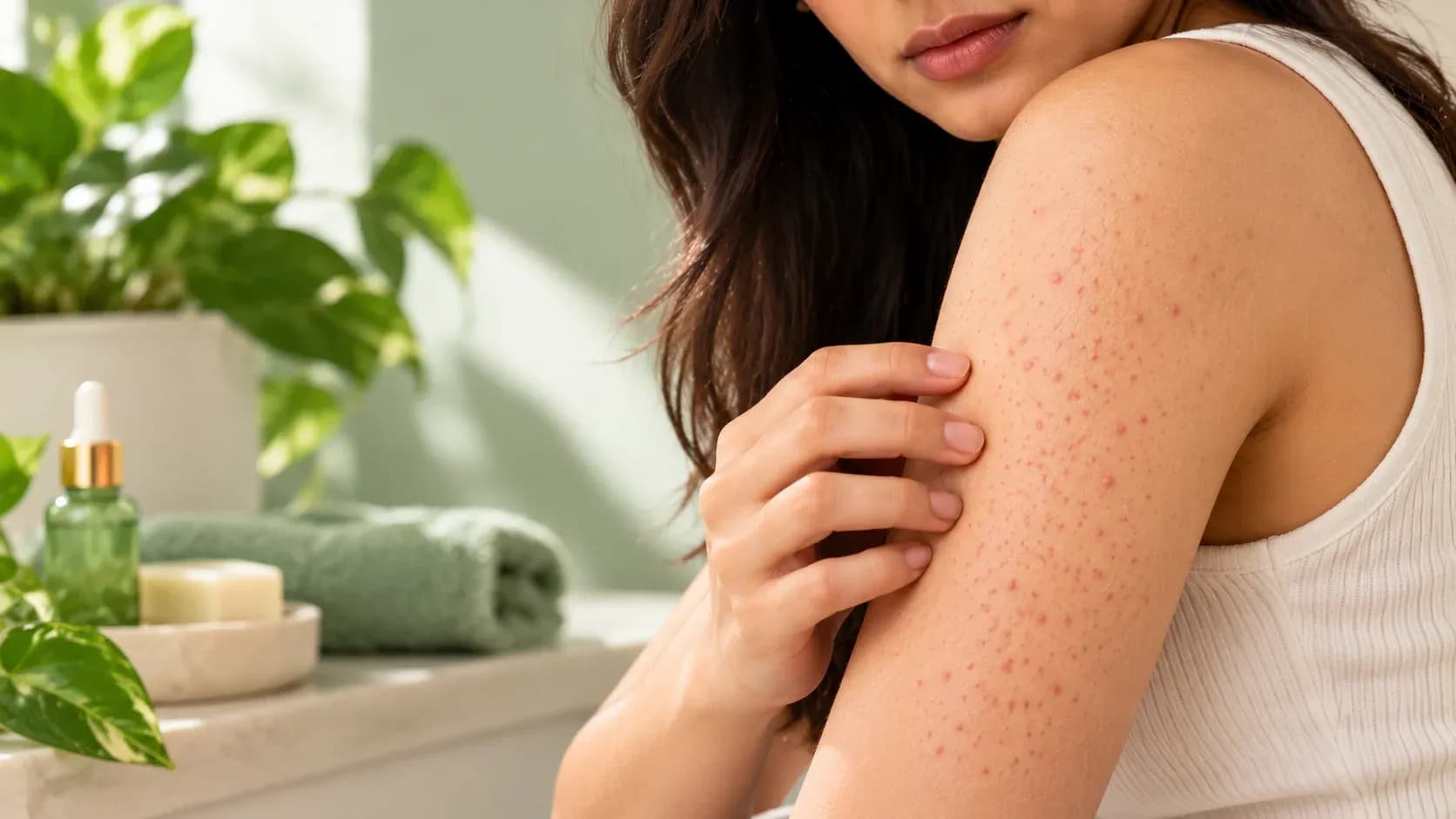
Arm acne develops when pores or hair follicles on the upper arms or forearms become clogged with excess oil, dead skin cells, and bacteria, producing red pimples, whiteheads, or blackheads. It affects an estimated 9.4% of people globally. Not every arm bump is acne: keratosis pilaris and folliculitis are separate conditions that look similar but require different treatments.
What Is Arm Acne?
Arm acne is a skin condition in which hair follicles or pores on the upper arms or forearms become blocked with excess oil, dead skin cells, and bacteria, leading to red pimples, whiteheads, or inflamed bumps.
Body acne, including the arms, affects an estimated 9.4% of people globally. While arm acne is less common than facial acne, it is not rare: and it is not a sign of poor hygiene.
Three conditions are commonly confused with one another:
- Arm acne: clogged or inflamed pores; responds to salicylic acid, benzoyl peroxide, or adapalene
- Keratosis pilaris (KP): a harmless keratin build-up that creates rough, sandpaper-like bumps; responds to lactic acid or urea, not standard acne treatments
- Folliculitis: inflamed hair follicles triggered by bacteria, sweat, or friction; may require antibacterial or antifungal treatment
Identifying which condition you have before selecting a treatment is the single most important step. Treating keratosis pilaris with benzoyl peroxide, for example, will not clear it and may further irritate the skin.
According to the Clear Ritual skin care team, managing arm acne effectively starts with understanding the underlying cause of your bumps rather than reaching for the first acne product available.
What Causes Arm Acne?
Arm acne develops when pores or hair follicles on the arms become blocked with excess oil, dead skin cells, and bacteria. Several internal and external factors can increase the likelihood of this occurring.
Common causes of arm acne include:
- Excess oil and clogged pores: elevated sebum production traps dead skin cells and bacteria inside the follicle, triggering a breakout
- Sweat and friction: tight clothing, backpacks, or sports equipment trap sweat against the skin and irritate hair follicles
- Hormonal changes: fluctuations during puberty, menstruation, pregnancy, menopause, or conditions such as PCOS can increase oil production, making arm acne more likely, particularly in females
- Hair and body care products: oily or comedogenic formulations can transfer to the arms and block pores
- Genetics: a family history of acne or acne-prone skin increases individual risk
Sweat that is not washed off promptly, combined with friction from tight clothing, is among the most common and correctable triggers of arm acne. The Clear Ritual skin care team consistently identifies these lifestyle factors as the primary reason topical routines fail to deliver results.
How Does Arm Acne Form? The Mechanism Explained
Arm acne forms through the same biological process as facial acne. The upper arms are particularly vulnerable because the skin there is thicker, harder to exfoliate, and routinely exposed to friction, sweat, and comedogenic products.
The formation process, step by step:
- Excess sebum accumulates. Sebaceous glands attached to hair follicles on the arms produce oil. When oil production increases: due to hormones, heat, or sweat: excess sebum builds up inside the follicle.
- Dead skin cells fail to shed. Normally, dead skin cells exfoliate naturally. When shedding is disrupted by friction, dry skin, or the thicker skin typical of the upper arms, cells accumulate and combine with sebum to create a plug.
- The follicle becomes blocked. This plug: called a comedo: closes the pore. If it remains beneath the surface, it forms a whitehead. If it oxidises at the surface, it becomes a blackhead.
- Bacteria trigger inflammation. Cutibacterium acnes (formerly P. acnes), a naturally occurring skin bacterium, multiplies within the blocked follicle. The immune system responds by sending white blood cells, causing the redness, swelling, and pain of an inflamed pimple.
- Post-inflammatory marks may follow. After the pimple resolves, excess melanin production can leave a dark spot: post-inflammatory hyperpigmentation: particularly in people with deeper skin tones.
Arm acne is driven by the same C. acnes bacteria and comedone-formation process as facial acne. The location changes, but the underlying mechanism does not.
What Are the Symptoms of Arm Acne?
Arm acne symptoms typically develop when pores or hair follicles become clogged or inflamed on the upper arms or forearms.
Common signs of arm acne include:
- Whiteheads and blackheads: form when pores become clogged with oil and dead skin cells
- Red pimples: develop when hair follicles become inflamed
- Tender bumps: feel sore or painful when touched
- Post-acne marks: leave dark or red spots after healing, known as post-inflammatory hyperpigmentation or post-inflammatory erythema
Important distinctions:
- Keratosis pilaris typically causes rough, tiny, sandpaper-like bumps without inflamed pimples and is usually not tender
- Folliculitis causes inflamed bumps around individual hair follicles, often associated with bacteria, sweat, or friction, and can be painful or itchy
Both keratosis pilaris and folliculitis can resemble arm acne but require different treatments. If you are unsure which condition you have, the comparison table below can help clarify.
Arm Acne vs Keratosis Pilaris vs Folliculitis: How to Tell the Difference
The most important step before starting any treatment is confirming which condition you actually have. Treating keratosis pilaris with an acne product will not clear it, and may cause additional irritation.
| Feature | Arm Acne | Keratosis Pilaris | Folliculitis |
|---|---|---|---|
| Appearance | Red pimples, whiteheads, blackheads | Tiny, rough, flesh-coloured or red bumps | Red, inflamed bumps around hair follicles |
| Texture | Soft or firm; may have a visible head | Sandpaper-like, dry | Swollen; may contain pus |
| Location | Upper arms, forearms, shoulders | Outer upper arms, thighs, cheeks | Anywhere hair grows: arms, legs, trunk |
| Main cause | Clogged pores and bacteria | Keratin build-up in follicles | Bacteria (S. aureus), fungi, or friction |
| Tenderness | Often tender or sore | Usually not tender | Can be painful or itchy |
| Best treatment | Salicylic acid, benzoyl peroxide, adapalene | Lactic acid, urea, gentle exfoliation | Antibacterial wash; topical antibiotic if bacterial |
| Worsens with | Sweat, friction, comedogenic products | Cold, dry weather; genetic tendency | Heat, sweating, shaving, tight clothing |
Can you have arm acne and keratosis pilaris at the same time? Yes. Both conditions can occur simultaneously on the upper arms. If some bumps are rough and flesh-coloured while others are red and inflamed, you may need to use different products for different bump types. This is a strong reason to consult a dermatologist before building a routine.
Does keratosis pilaris ever go away on its own? Keratosis pilaris often improves with age: many people find it fades significantly after their mid-twenties. It tends to worsen in winter when skin is drier. Unlike acne, it is a structural skin condition driven by a genetic tendency to overproduce keratin, so antibacterial treatments have no effect on it.
How to Treat Arm Acne: Active Ingredients That Work
The best arm acne treatment depends on the severity and type of breakout. Most mild to moderate cases improve with ingredients that unclog pores, reduce acne-causing bacteria, control inflammation, and help prevent new breakouts.
The following ingredients are supported by the American Academy of Dermatology (AAD) guidelines for acne management:
| Ingredient | Recommended Strength | How It Helps |
|---|---|---|
| Salicylic acid | 0.5–2% | Unclogs pores and removes excess oil |
| Benzoyl peroxide | 2.5–5% | Reduces acne-causing bacteria and inflammation |
| Adapalene | 0.1% | Prevents clogged pores and new breakouts |
| Azelaic acid | 10–20% | Reduces acne and post-acne marks |
| Niacinamide | 2–5% | Calms inflammation and supports the skin barrier |
| Lactic acid | Varies | Softens keratin build-up; better for KP than acne |
| Urea | Varies | Smooths rough skin; better for KP than acne |
Important notes on specific ingredients:
- Adapalene can cause dryness, irritation, and peeling: particularly when first used or applied over larger areas such as the arms. Start with a thin layer on alternate nights, increase use gradually as tolerated, and follow with a non-comedogenic moisturiser.
- Lactic acid and urea work better for keratosis pilaris than for acne, as they target keratin build-up rather than bacteria or clogged pores.
- Introduce one active ingredient at a time and always perform a patch test before regular use.
- If acne is severe, persistent, or causing scarring, consult a dermatologist before starting treatment.
The Clear Ritual skin care approach recommends building a routine around a single active ingredient first, confirming tolerance, and layering only when skin is stable.
How to Get Rid of Arm Acne: A Step-by-Step Routine
Most mild to moderate arm acne responds well to a consistent, targeted routine. The steps below apply to both upper arm acne and forearm acne.
- Identify the type of bump you have. Use the comparison table above. If bumps feel like sandpaper, start with a lactic acid or urea product, not a standard acne wash.
- Cleanse the area once or twice daily. Use a gentle, non-comedogenic body wash or one formulated with 2% salicylic acid. Apply with your hands or a soft cloth: not a loofah, which can spread bacteria and worsen irritation. Rinse thoroughly.
- Apply an active ingredient after cleansing. Introduce one active at a time:
- Salicylic acid (0.5–2%) for blackheads and clogged pores: apply as a toner, serum, or leave-on lotion
- Benzoyl peroxide (2.5–5%) for inflamed red pimples: leave on briefly before rinsing, or use as an overnight spot treatment
- Adapalene 0.1% for persistent breakouts: apply a thin layer on alternate nights initially; expect some dryness in the first 2–4 weeks
- Moisturise with a non-comedogenic formula. Skipping moisturiser leads to compensatory oil production. Choose a lightweight, fragrance-free lotion without heavy oils or pore-blocking silicones.
- Address lifestyle triggers. Shower within 30 minutes of exercise. Switch to loose, breathable clothing in areas where you break out. Check your body lotion and any hair products that may drip onto your arms: if they contain coconut oil, shea butter, or heavy emollients, consider switching to lighter formulas.
- Be consistent and patient. Arm acne rarely clears within days. Allow at least 6–8 weeks per active ingredient before assessing results.
What not to do when treating arm acne:
- Do not scrub active pimples with a physical exfoliant: this spreads bacteria and worsens inflammation
- Do not apply high-concentration facial exfoliating acids (above 10% AHA) across large body areas
- Do not pick or squeeze pimples: this increases the risk of scarring and post-inflammatory hyperpigmentation
- Do not stop treatment as soon as the skin clears: continue for at least 4 additional weeks to prevent relapse
How Long Does Arm Acne Take to Clear? A Realistic Timeline
One of the most common reasons arm acne treatment fails is stopping too early. The following timeline reflects what most people can realistically expect with a consistent routine.
| Timeframe | What Typically Happens |
|---|---|
| Week 1–2 | Skin may feel drier or slightly more irritated as new actives begin working. This is normal and usually settles. |
| Week 3–4 | Existing pimples begin to flatten and reduce in redness. New breakouts may slow. Some increased shedding of dead skin cells is common. |
| Month 2 | Noticeable reduction in active pimples for most people. Post-acne marks may still be visible: these take longer than the acne itself to fade. |
| Month 3 | Most people with mild to moderate arm acne see significant clearing. Adapalene users typically see the clearest improvement by this point, based on the 2016 JAAD guidelines. |
| Month 4–6 | Post-inflammatory marks begin to fade. Continuing treatment during this phase helps prevent relapse. |
| 6 months+ | Maintenance phase. Some people can reduce treatment frequency; others with persistently acne-prone skin may need to continue indefinitely. |
Results vary based on the severity of breakouts, consistency of routine, and whether underlying causes: hormonal, dietary, or friction-related: have been addressed.
People with hormonal arm acne linked to PCOS, menstrual cycles, or puberty may see slower improvement from topical treatments alone. In these cases, a dermatologist consultation about systemic options is advisable.
Azelaic acid (10–20%) and niacinamide (2–5%) are useful throughout treatment for reducing post-acne marks and calming inflammation, even after active pimples have resolved.
How to Prevent Arm Acne
While arm acne cannot always be fully prevented, keeping pores clear, reducing friction, and following a consistent skincare routine can significantly lower the risk of future breakouts.
Preventive habits that can help:
- Cleanse after exercise: remove sweat, oil, and bacteria from the skin within 30 minutes of physical activity
- Exfoliate gently: use a chemical exfoliant (such as salicylic acid) rather than a physical scrub to prevent dead skin cells from accumulating in follicles
- Avoid tight clothing: reduce friction and irritation in areas prone to breakouts by choosing loose, breathable fabrics
- Check your body and hair products: select non-comedogenic formulations and avoid heavy emollients like coconut oil or shea butter on breakout-prone areas
- Treat breakouts early: address new pimples before they become more inflamed, widespread, or develop into deeper lesions
- Moisturise consistently: a healthy skin barrier reduces the risk of clogged pores and compensatory oil production
The Clear Ritual approach to arm acne prevention focuses on addressing the factors maintaining breakouts: not just treating the symptoms: so that skin can remain clearer over time.
Who Should See a Doctor About Arm Acne?
Most mild arm acne responds to over-the-counter treatment within 8–12 weeks. Certain situations, however, call for professional support.
See a dermatologist if:
- Arm acne has not improved after 12 weeks of consistent OTC treatment
- Breakouts are deep, painful, or cystic: nodular acne beneath the skin surface
- Acne is causing permanent or worsening scars
- You suspect the underlying cause is hormonal: irregular periods, PCOS, or recent hormonal changes: since topical treatments alone may not be sufficient
- You are unsure whether you have acne, keratosis pilaris, or folliculitis
- You are pregnant or breastfeeding, as some active ingredients are not suitable during these stages
What a dermatologist may recommend:
- Prescription-strength topical retinoids (tretinoin) for severe or persistent arm acne
- Oral antibiotics for inflamed, widespread breakouts
- Hormonal therapy for females when arm acne is driven by elevated androgen levels
- Combination therapy targeting both the skin surface and the root cause simultaneously
If self-treating, choose one active ingredient at a time, patch-test before full application, and allow each product at least 6–8 weeks before judging its effectiveness. If bumps worsen, become painful, or leave scars, consult a dermatologist.
Conclusion
Arm acne can cause clogged pores, red pimples, and lingering marks, but not every bump on the arm is acne. Keratosis pilaris and folliculitis may look similar and need different care. Identify the type of bump, use a gentle routine, introduce one suitable treatment at a time, and reduce friction and sweat buildup. If symptoms persist, worsen, or scar, seek a dermatologist's assessment.
Understand What Your Skin Needs
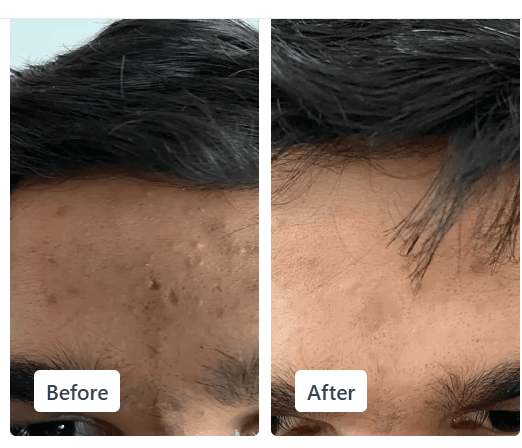
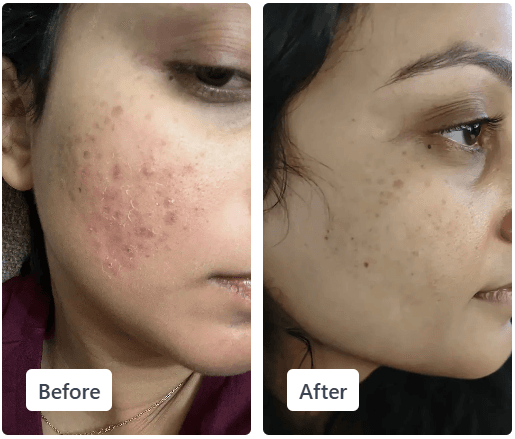
Take the Clear Ritual Skin Test to identify your skin type, concerns, and potential triggers before building your routine.
Take the Free Skin Test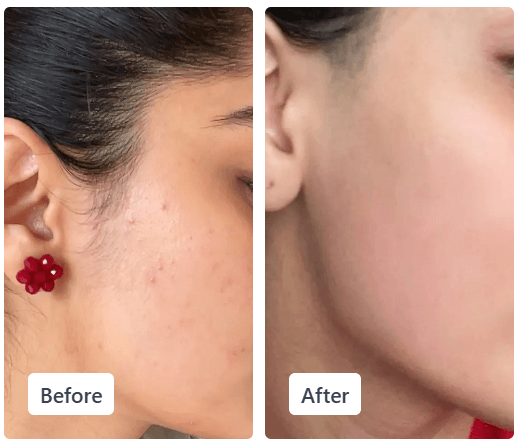
Frequently Asked Questions
Q. What causes acne on the arms?
A. Arm acne develops when hair follicles become clogged with oil and dead skin cells. Hormonal changes, friction, sweat, and some body care products can contribute to breakouts.
Q. Is arm acne the same as keratosis pilaris?
A. No. Arm acne may include inflamed pimples, blackheads, and whiteheads. Keratosis pilaris usually causes small, rough bumps from keratin buildup and often responds better to moisturisers containing urea or lactic acid.
Q. How can I treat mild arm acne at home?
A. Cleanse gently, avoid friction, use a non-comedogenic moisturiser, and introduce one suitable acne treatment such as benzoyl peroxide or salicylic acid gradually. Avoid picking or harsh scrubbing.
Q. How long does arm acne take to clear?
A. Improvement often takes several weeks of consistent treatment. Allow around 6–8 weeks to assess a routine, and consult a dermatologist if acne persists or causes scarring.
Q. When should I see a dermatologist for bumps on my arms?
A. Seek advice if bumps are deep, painful, spreading, leaving scars, or not improving after consistent care, or if you are unsure whether they are acne, keratosis pilaris, or folliculitis.
References
- American Academy of Dermatology. Acne clinical guideline.
- American Academy of Dermatology. Keratosis pilaris overview.
- American Academy of Dermatology. Folliculitis guidance.
Disclaimer: This article is for general educational purposes and does not replace medical advice, diagnosis, or treatment. Consult a qualified clinician for persistent, painful, or worsening symptoms.
Editorial Standards
Clear Ritual has Strict sourcing guidelines to ensure our content is accurate and current. We rely on peer-reviewed studies, academic research institutions, and medical associations. We strive to use primary sources and refrain from using tertiary references. See a mistake? Learn More about our Editorial Standards.
Related Articles
Leg Acne: Causes, Types, Treatment & How to Get Rid of It
Published 11 September 2026

Acne on the Temples: Causes, Types, and How to Clear It
Published 16 September 2026
Eyebrow Acne: Causes, Triggers, Treatment and Prevention
Published 11 September 2026

Acne Around the Mouth: Causes, Triggers and Treatment Options
Published 16 July 2026