Leg Acne: Causes, Types, Treatment & How to Get Rid of It

Leg acne often develops when friction, trapped sweat, shaving irritation, and dead skin cells block hair follicles. Start by removing the trigger, changing out of sweaty clothing promptly, cleansing gently, and using a 1–2% salicylic acid product two to three times weekly. Seek dermatological advice for painful, spreading, cystic, or persistent bumps.
Leg acne forms when hair follicles on the thighs, calves, or knees become blocked by friction, sweat, and dead skin cells - not poor hygiene. It responds to different treatment than facial acne, and most cases improve meaningfully within two to six weeks once the right triggers are addressed.
What Is Leg Acne?
Leg acne is a type of follicular acne that develops when hair follicles on the thighs, calves, and knees become clogged with sebum, dead skin cells, and bacteria. Unlike facial acne, leg acne is primarily driven by mechanical stressors - friction from clothing, pressure from prolonged sitting, and sweat trapped under tight fabric - rather than hormonal oil production alone.
Leg acne can appear as:
- Small red bumps or inflamed pustules along the thighs or shins
- Whiteheads clustered on the calves or knees
- Deep, tender lumps on the backs of the thighs - where fabric presses longest
- Flat, itchy bumps during or after exercise (sweat pimples)
The skin on legs differs from facial skin in two key ways: follicles are larger and more widely spaced, and they face continuous mechanical stress from movement, sitting, and fabric contact that facial pores rarely experience. This combination creates a specific environment for breakouts that requires a targeted treatment approach.
Getting pimples on your legs typically means one or more follicles have been blocked long enough for Cutibacterium acnes bacteria to multiply and trigger inflammation. It does not indicate that skin is unclean. In some cases, the condition may be folliculitis or keratosis pilaris rather than acne - see the comparison table below.
According to The Clear Ritual's skin science team, identifying whether leg acne is mechanical, hormonal, or microbiome-related is the critical first step before selecting a treatment strategy.
What Are the Types of Leg Acne?
Not all bumps on legs are the same. The type of breakout points directly to the trigger that needs addressing.
Whiteheads and blackheads on legs These are closed or open comedones - follicles packed with sebum and dead cells but not yet infected. They appear most often on the thighs and calves in areas where clothing creates sustained pressure. They are not painful, but left untreated they can become inflamed. Best addressed with regular chemical exfoliation (salicylic acid 1–2%) and looser clothing.
Inflamed pimples and pustules When a blocked follicle becomes infected with Cutibacterium acnes, it produces a red, tender bump - sometimes with a visible white or yellow centre. These are the most common form of leg acne. Most common locations: inner thighs (from leg-on-leg friction), backs of thighs (from sitting), and shins (from shaving).
Sweat pimples on legs (miliaria) Sweat pimples are technically miliaria - a blockage of sweat ducts rather than hair follicles. They appear as small, flat, itchy bumps during or immediately after exercise in hot, humid conditions. Key difference from acne: miliaria disappears within hours; acne lesions persist for days or weeks.
Cystic acne on thighs Deep, painful nodules under the skin with no visible head indicate cystic acne. These develop when a follicle ruptures beneath the surface and triggers a large immune response. Cystic leg acne is the most likely to scar. Common trigger: severe hormonal fluctuations combined with mechanical occlusion from compression wear. Dermatologist evaluation is typically required.
Acne on thighs specifically Thigh acne has a distinct profile. The inner thighs are a high-friction zone where skin contacts skin during walking, while outer thighs face sustained pressure from sitting. A 2020 review in the Journal of the European Academy of Dermatology and Venereology confirmed that occlusive clothing and friction are primary triggers for limb acne in physically active individuals [1].
Leg Acne vs. Folliculitis vs. Keratosis Pilaris: How to Tell the Difference
Confusing these three conditions leads to the wrong treatment approach entirely. The comparison below clarifies the key distinctions.
| Feature | Leg Acne | Folliculitis | Keratosis Pilaris |
|---|---|---|---|
| What it is | Blocked follicle + bacterial infection | Bacterial or fungal infection of the follicle, often deeper | Keratin plugs blocking follicle openings - no bacterial involvement |
| Appearance | Red bumps, whiteheads, pustules, or cysts | Red, pus-filled bumps clustered around follicles | Small, rough, skin-coloured or slightly red bumps - like permanent goosebumps |
| Location on legs | Thighs, shins, calves - varies with trigger | Typically follows hair patterns; inner thighs and shins common | Upper arms, thighs, cheeks - consistent pattern |
| Pain level | Mild to moderate depending on depth | Often more painful; may feel hot to touch | Usually painless; rough texture only |
| Common triggers | Friction, sweat, poor post-exercise hygiene, shaving | Shaving, hot-tub exposure, tight clothing, immune suppression | Genetic; worsens with dry skin and low humidity |
| Does it itch? | Sometimes | Often | Often, especially in winter |
| Responds to salicylic acid? | Yes - good first-line treatment | Partially - deeper infections need antibacterials | No - needs urea or lactic acid to dissolve keratin plugs |
| When to see a doctor | If no improvement in 6 weeks, or cystic | Immediately if spreading, hot, or producing pus | If itching is severe or doesn't improve with moisturising |
Practical test: Press a bump gently. Leg acne bumps have a defined centre or feel like a blocked pore. Folliculitis bumps are more tender and appear at the exact root of a hair shaft. Keratosis pilaris bumps feel rough and consistent - like permanent sandpaper - and do not change with friction or sweat.
What Causes Leg Acne? The Real Triggers Explained
Leg acne is rarely caused by one thing. It develops when multiple triggers overlap - and that overlap is exactly what makes it persistent. The Clear Ritual's assessment approach examines each of these factors individually before recommending a treatment path.
The seven most common causes of pimples on legs:
- Friction from clothing - Tight jeans, leggings, and compression shorts repeatedly damage follicle openings, triggering excess cell shedding directly into the follicle
- Sweat trapped under fabric - Trapped sweat softens follicle walls through maceration, accelerating dead-cell accumulation; the longer sweat sits on skin, the higher the bacterial load
- Shaving irritation - A razor blade can push skin cells and bacteria into open follicles; dull blades and shaving against hair growth significantly increase this risk
- Post-exercise hygiene delay - Remaining in sweat-saturated workout clothes for more than 30 minutes gives Cutibacterium acnes the warm, moist environment it needs to multiply rapidly
- Hormonal sebum changes - Androgens stimulate sebaceous glands throughout the body; during menstrual cycles, pregnancy, or high-stress periods, increased sebum on legs makes follicle blockages more likely
- Disrupted skin barrier - Harsh soaps or over-exfoliation strip protective lipids from leg skin, triggering reactive oil production that increases follicle blockage risk
- Extended sitting - Prolonged pressure from chairs and car seats compresses follicles on the backs of thighs, restricting normal sebum expulsion
What causes acne on thighs specifically? Thigh acne is almost always driven by mechanical factors. The inner thigh generates constant skin-on-skin friction during walking, while the outer thigh sits under sustained pressure from sitting. This combination - friction plus occlusion - explains why thigh acne is often the most persistent zone on the leg.
Why do legs break out suddenly? Sudden leg breakouts usually point to a recent change in one or more of the following: a new workout routine, a wardrobe change to tighter or synthetic fabric, a new razor or depilatory product, a hormonal shift, or a seasonal change that increases sweat-trapping. Identifying what changed in the four to six weeks before the breakout began typically reveals the trigger.
How Does Leg Acne Form? The Follicle Mechanism
Leg acne forms through the same biological mechanism as facial acne, but with mechanical forces playing a larger role in initiating the process.
Sebaceous glands on the legs produce sebum that travels up the hair follicle to coat and protect the skin surface. When something interrupts this normal flow - friction, pressure, or occlusion - dead skin cells accumulate inside the follicle faster than they are expelled. The accumulated debris mixes with sebum, forming a plug that seals the follicle opening.
Once sealed, the follicle becomes oxygen-deprived. Cutibacterium acnes bacteria, which thrive in this anaerobic environment, feed on trapped sebum and release inflammatory compounds as waste products. The immune system's response to these compounds causes the redness, swelling, and tenderness recognised as acne.
On legs, this process frequently affects multiple adjacent follicles simultaneously - because the triggering factors (friction, sweat, occlusion) impact broad areas rather than isolated pores.
Sweat and maceration: Sweat itself does not cause acne, but when it cannot evaporate due to occlusive clothing, it softens the follicle lining through a process called maceration. This softening accelerates dead-cell shedding into the follicle. Research from the Journal of Investigative Dermatology demonstrates that C. acnes bacterial density on skin increases significantly within 30 minutes of sustained sweating in occluded environments [3].
Skin barrier disruption: The skin barrier functions like a brick-and-mortar structure - corneocytes embedded in a lipid matrix. When this barrier is compromised through over-washing, harsh products, or environmental stress, transepidermal water loss increases. Dehydrated skin compensates by producing more oil, which contributes to further follicle blockages.
Who Gets Leg Acne?
Leg acne can affect people across a wide range of ages and skin types, but certain groups are more susceptible.
Leg acne is more likely to develop in:
- Physically active individuals - Regular gym-goers, runners, and cyclists who wear compression or tight athletic wear and sweat frequently
- People who sit for extended periods - Office workers, drivers, and students who compress thigh follicles for hours daily
- People who shave their legs regularly - Particularly those using dull blades, shaving against the grain, or shaving without adequate lubrication
- Individuals with hormonal fluctuations - During menstrual cycles, pregnancy, or high-stress periods when androgen activity elevates sebum production
- Those with naturally dry skin - Skin that produces excess oil to compensate for dehydration is more prone to follicle blockages
- People in humid climates or summer months - Higher ambient humidity increases sweat-trapping and maceration risk
A 2019 study in Experimental Dermatology confirmed that sebaceous gland activity on the legs is regulated by the same androgen pathways as facial sebaceous glands, though at lower baseline activity [4]. This explains why hormonal fluctuations can exacerbate leg acne during otherwise stable periods.
How to Get Rid of Leg Acne: A Step-by-Step Treatment Guide
Effective leg acne treatment follows a specific sequence. Skipping steps - or starting with the wrong one - extends clearing time significantly. The Clear Ritual recommends this structured approach.
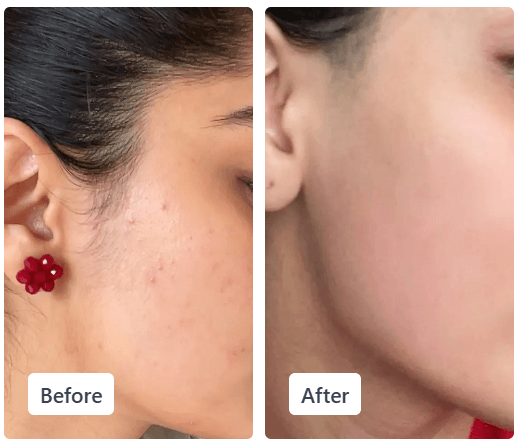
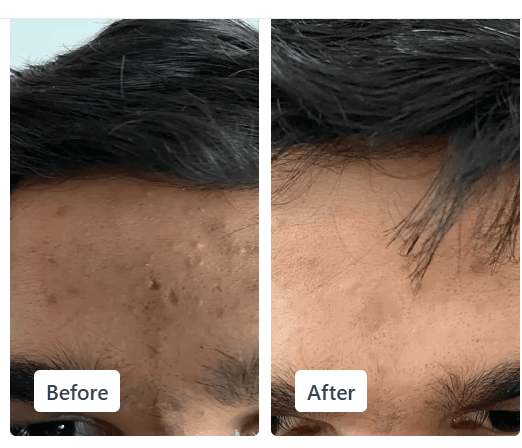
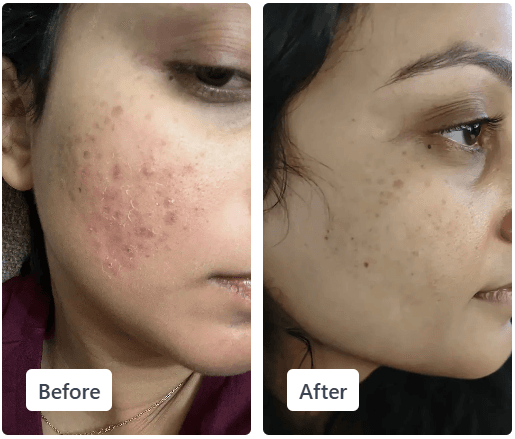
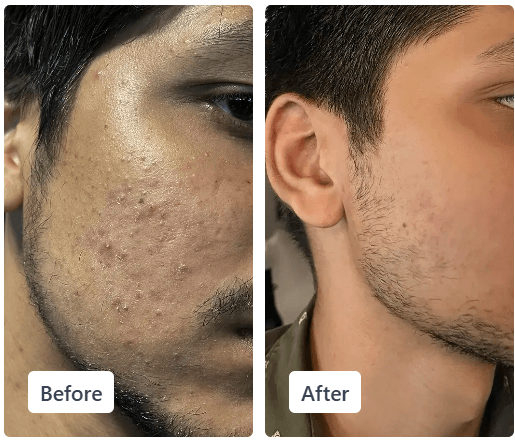
Understand what may be triggering your leg breakouts
Take the free Clear Ritual Skin Test to identify patterns linked to friction, sweat, shaving, clogged follicles, and other acne concerns, then get a routine suited to your skin.
Step 1: Remove the trigger first (Week 1) Before applying any product, change what caused the blockage. Switch to looser, breathable fabrics. Extend shaving intervals to at least five days. Commit to changing out of workout clothes within 30 minutes of finishing exercise. This single step reduces new breakout formation by removing the primary mechanical driver.
Step 2: Cleanse gently with a pH-balanced body wash (Week 1 onward) Use lukewarm water - not hot - and a gentle, fragrance-free body wash. Harsh soaps disrupt the skin microbiome and strip protective lipids, triggering reactive sebum production. A pH-balanced cleanser (around pH 5–5.5) preserves the beneficial bacteria that naturally suppress Cutibacterium acnes.
Step 3: Apply a chemical exfoliant 2–3 times weekly (Weeks 1–4) Salicylic acid (1–2%) is the most effective ingredient for leg acne. It is oil-soluble, meaning it penetrates into the follicle itself to dissolve the mixture of sebum and dead cells causing the blockage - something physical scrubbing cannot do. Apply to dry skin after cleansing. A leave-on lotion formulation is more practical than a rinse-off wash for consistent dosing.
Ingredient note: Benzoyl peroxide (2.5–5%) is effective against C. acnes bacteria but can bleach clothing and bed linen. If using benzoyl peroxide for leg acne, allow it to fully absorb before dressing.
Step 4: Moisturise daily (Week 1 onward) Dehydrated leg skin over-produces sebum to compensate for moisture loss. A lightweight, non-comedogenic moisturiser with ceramides or niacinamide supports the skin barrier and reduces this reactive cycle. Apply while skin is still slightly damp after cleansing.
Step 5: Address hair removal technique (Weeks 2–3) Use a sharp blade (replace after 5–7 uses), generous lubrication, and shave in the direction of hair growth only. Allow at least five days between sessions. If ingrown hairs are contributing, consider switching to trimming or discussing laser hair removal with a dermatologist.
Step 6: Evaluate prescription options if no improvement by Week 6 If consistent application of Steps 1–5 shows no meaningful reduction in new breakouts after six weeks, dermatologist evaluation is warranted. Prescription topical or oral antibiotics, topical retinoids, or hormonal therapy may be appropriate depending on the underlying cause.
Best Ingredients for Leg Acne: Quick Reference
| Ingredient | What it does | Concentration to look for |
|---|---|---|
| Salicylic acid for body acne | Unclogs follicles, reduces inflammation | 1–2% |
| Benzoyl peroxide | Kills C. acnes bacteria | 2.5–5% |
| Niacinamide for acne | Regulates sebum, reduces redness | 4–10% |
| Glycolic acid | Exfoliates dead skin cells at surface | 5–10% |
| Tea tree oil | Antibacterial, anti-inflammatory | 5% (diluted) |
| Ceramides | Repairs skin barrier | Concentration varies |
A 2021 randomised controlled trial in the Journal of Drugs in Dermatology found that 2% salicylic acid body wash applied daily reduced inflammatory body acne lesions by 47% over 12 weeks compared to a vehicle control [2]. Salicylic acid's lipophilic structure allows it to penetrate sebum-filled follicles - the mechanism that makes it more effective on body skin than water-soluble ingredients.
What to Expect: Leg Acne Clearing Timeline
Most people with mild to moderate leg acne see meaningful improvement within four to six weeks of consistent treatment. Progress is measured in fewer new breakouts, not overnight clearing.
Days 1–7: Trigger removal Switching fabric, extending shaving intervals, and improving post-exercise hygiene stops new breakouts forming. Existing breakouts do not clear yet - but no new clusters should appear in areas where triggers have been addressed.
Weeks 2–4: Active clearing begins With salicylic acid applied two to three times per week, existing comedones and mild pustules typically begin to flatten and fade. Some skin dryness in the first two weeks is normal and settles as skin adjusts.
Weeks 4–6: Inflammation resolution Most inflamed pustules and non-cystic bumps resolve within this window. Post-inflammatory hyperpigmentation (dark spots) may remain after active lesions heal - these typically take two to four additional months to fade.
Weeks 6–12: Cystic lesion resolution Deep cysts and nodular breakouts take four to twelve weeks to fully resolve. If cystic leg acne has not responded meaningfully by week six, dermatologist evaluation is the appropriate next step - not an indication that home treatment has failed.
Frequently Asked Questions
What is the fastest way to get rid of leg acne?
Remove likely friction and sweat triggers first, cleanse gently, and use a 1–2% salicylic acid product consistently. Most mild cases need several weeks rather than clearing overnight.
Why do I suddenly have pimples on my legs?
A sudden breakout can follow tighter clothing, increased exercise or sweating, a new shaving method, a depilatory product, hormonal changes, or hot and humid weather.
Is leg acne the same as folliculitis?
No. Both can affect hair follicles, but folliculitis is often an infection centred around individual hairs and may itch, hurt, feel hot, or spread. A clinician should assess painful or worsening bumps.
Can salicylic acid help leg acne?
Yes. Salicylic acid is oil-soluble and can help clear sebum and dead skin cells from blocked follicles. A 1–2% product used two to three times weekly is a common starting approach.
When should I see a dermatologist for pimples on my legs?
Seek medical advice if bumps are deep, cystic, spreading, hot, very painful, producing significant pus, leaving scars, or not improving after about six weeks of consistent care.
Editorial Standards
Clear Ritual has Strict sourcing guidelines to ensure our content is accurate and current. We rely on peer-reviewed studies, academic research institutions, and medical associations. We strive to use primary sources and refrain from using tertiary references. See a mistake? Learn More about our Editorial Standards.
Related Articles
Acne on the Temples: Causes, Types, and How to Clear It
Published 16 September 2026
Eyebrow Acne: Causes, Triggers, Treatment and Prevention
Published 11 September 2026

Acne Around the Mouth: Causes, Triggers and Treatment Options
Published 16 July 2026
Pimple in the Ear: Causes, Treatment and When to See a Doctor
Published 11 September 2026
