Azelaic Acid for Skin: Benefits, Uses, and Side Effects
Quick Answer:
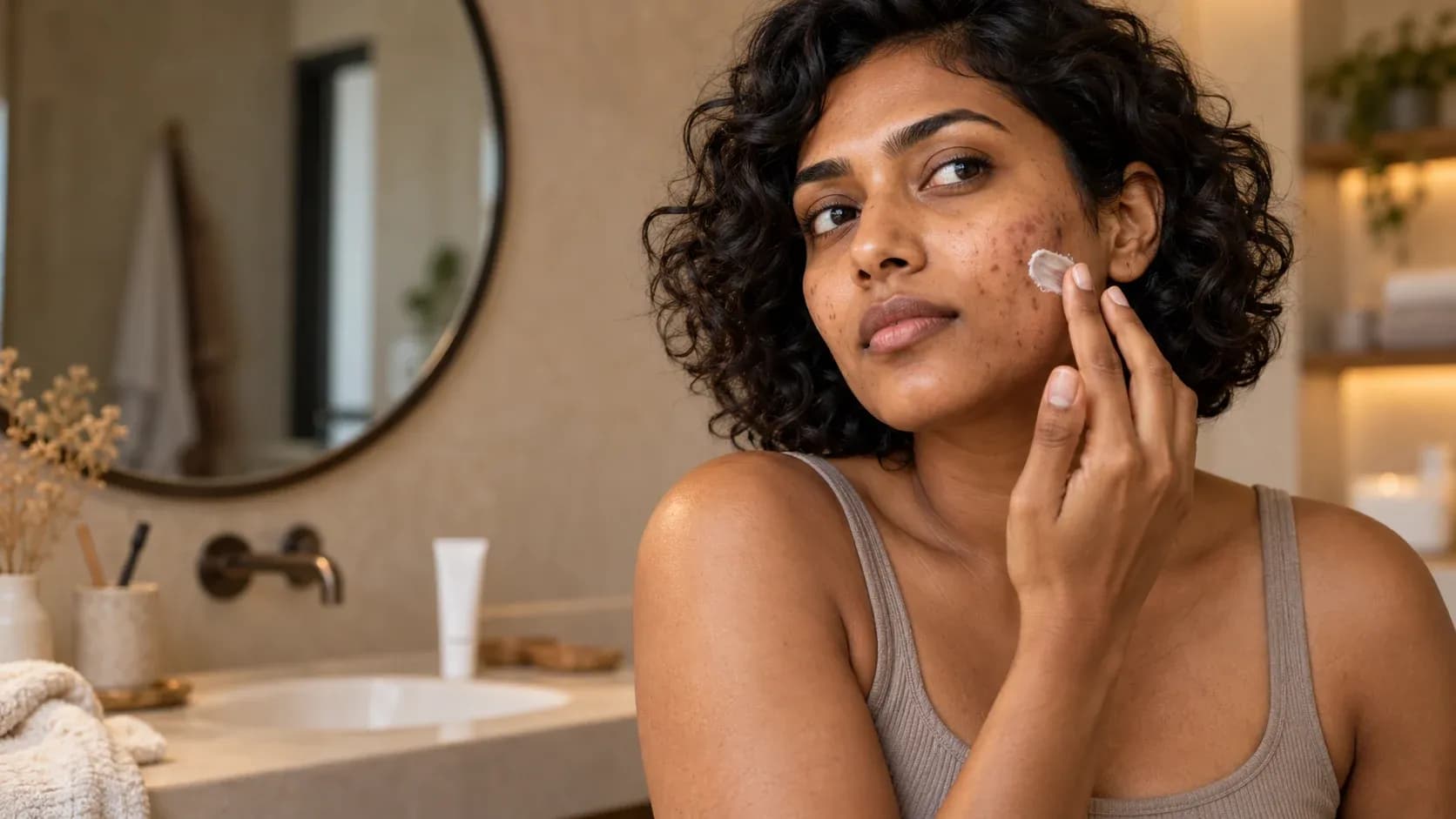
Azelaic acid is a topical ingredient with antioxidant and antimicrobial properties. It can help calm inflammation, manage acne and rosacea bumps, and gradually fade post-acne marks by slowing pigment production.
It is commonly used on the face. Start gradually and follow your product or dermatologist’s directions. A dermatologist can advise you if you have a diagnosed skin condition or persistent irritation.
Azelaic acid is available in creams, gels and serums. Product strengths and results timelines vary, so follow the product directions and seek dermatology advice for persistent or diagnosed skin concerns.
What Is Azelaic Acid?
Azelaic acid is found in grains such as wheat, barley and rye. A yeast that lives on your skin, called Malassezia, also makes small amounts. The azelaic acid used in skincare products is made in a lab.
You can find azelaic acid in creams, gels and serums. Over-the-counter (OTC) products are lower in strength and usually contain about 10%. Prescription creams and gels contain 15% and 20%. Acne often starts to improve in four to eight weeks, while dark marks can take longer.
If you are comparing formulas, this overview of skincare ingredients for acne-prone skin may help you understand how different actives fit into a routine.
Is Azelaic Acid Good for Acne?
Yes, azelaic acid can help manage mild to moderate acne, including inflamed spots and clogged pores. It has antibacterial, anti-inflammatory and keratolytic properties. Keratolytic ingredients soften and loosen the outer layer of dead skin cells, which can help address several factors involved in breakouts. Azelaic acid does not reduce oil production.
Give it at least four weeks before judging the results. Acne often looks better by week eight. You can learn how to fade post-acne marks, which may take three to six months. The timeline can vary depending on your skin concern, product and consistency.
How to Use Azelaic Acid
Start two or three times a week, in the morning or evening. If your doctor prescribed it, follow their schedule, which is usually twice a day.
You can also follow the directions on your specific product, as application frequency and concentration vary. Here are simple steps for adding azelaic acid to your skincare routine:
Step 1: Cleanse your skin
- Wash your face with a gentle cleanser to remove dirt, excess oil and sunscreen.
- Pat your skin dry rather than rubbing it, especially if you experience redness or sensitivity.
- Wait a few minutes after drying so damp skin is less likely to sting.
Step 2: Apply azelaic acid
- Apply a thin, even layer to the affected areas.
- Avoid your eyes, lips and the inside of your nose, and wash your hands afterwards.
- If your skin is sensitive, begin with a lower-strength product and build up slowly as your skin settles.
Step 3: Follow with moisturiser
- Apply a moisturiser for acne-prone skin can support your skin barrier and ease dryness or irritation.
- If your skin is very sensitive, ask a dermatologist whether applying moisturiser first is suitable for you.
Note: If your product is a gel moisturiser that already contains azelaic acid, you can apply it to clean skin. A serum or treatment gel is not a moisturiser, so you still need one on top.
Step 4: Apply sunscreen in the morning
- Finish your morning routine with a broad-spectrum sunscreen (one that blocks UVA and UVB) of SPF 30 or higher.
- Azelaic acid does not usually make your skin more sensitive to the sun. Sunscreen still matters because sunlight can darken existing marks and damage skin.
Tip: Using more will not clear your skin faster. It may only raise your chance of irritation.
Azelaic Acid Uses for Skin
You can use azelaic acid for several skin concerns. A cosmetic product may not be enough for a diagnosed condition such as rosacea. The table below describes some common uses:
| Use | How it helps |
|---|---|
| Managing acne | It calms inflammation, reduces acne-causing bacteria and helps stop dead skin cells from clogging pores. |
| Reducing rosacea bumps and pimples | A 15% prescription gel is used to treat the red bumps and pimples of mild to moderate rosacea. It is less proven for flushing and redness. Talk to a dermatologist before starting it. |
| Fading post-acne marks | Azelaic acid slows tyrosinase, an enzyme the skin uses to make melanin, the pigment that gives skin its colour. With regular use, the brown marks left by pimples may fade over time. |
| Supporting melasma treatment | Melasma causes grey-brown patches, usually on the cheeks, forehead and upper lip. Azelaic acid may help fade them by slowing pigment production. Sun can worsen melasma, so wear sunscreen daily and see a dermatologist for a full plan. |
Azelaic Acid Benefits
If you want one ingredient for breakouts and the dark marks they leave, azelaic acid may be a suitable option. Here are some potential benefits:
- Often well tolerated: Most people tolerate it well. It tends to cause less peeling and dryness than retinoids, although some stinging in the first few weeks is common.
- May fade dark spots: It works mainly on overactive pigment cells, so it does not lighten the rest of your skin. Rarely, people may notice paler patches. Tell your doctor if this happens.
- Can be used during the day: Unlike retinoids, azelaic acid does not usually make skin burn easily in the sun. You can read more about retinoids used for acne treatment. You still need sunscreen.
- Often considered during pregnancy: Doctors generally consider azelaic acid safe during pregnancy and breastfeeding. Check with your own doctor first.
- Easy to layer: Apply it before moisturiser and sunscreen, so it does not add an extra step.
Azelaic Acid Side Effects
Most people tolerate azelaic acid well when they follow the directions. Some irritation may occur in the first few weeks. Possible side effects include:
- Mild stinging or burning after application.
- Itching or tingling.
- Dryness or tightness.
- Redness, irritation or peeling.
Stinging and dryness usually ease within a few weeks. If they do not, stop using the product and see a dermatologist.
Note: Patch-test on your inner forearm for 24 hours before first use. Rare signs of allergy, such as hives, swelling or trouble breathing, mean you should stop using the product and seek medical help.
Common Mistakes When Using Azelaic Acid
Azelaic acid is often well tolerated, but a few habits can cause irritation. Avoid these mistakes:
| Common mistake | Why to avoid it | What to do instead |
|---|---|---|
| Starting with frequent applications | Using azelaic acid too often at first may cause stinging, dryness or redness. | Introduce it gradually if your product instructions allow, and increase frequency as your skin tolerates it. |
| Combining too many active ingredients | Mixing azelaic acid with retinoids, AHAs, salicylic acid or benzoyl peroxide can irritate skin, especially in the first few weeks. Read about salicylic acid and acne breakouts and benzoyl peroxide treatments for acne before combining actives. | Add one new active at a time, check with your dermatologist before combining ingredients, and monitor your skin’s response. |
| Skipping moisturiser | Without adequate moisturising, your skin may become dry or irritated and more likely to sting or peel. | Choose a moisturiser suited to your skin type to help support your skin barrier. |
| Expecting pigmentation to fade quickly | Post-acne marks and other forms of pigmentation can take several weeks or months to improve. | Use it consistently as directed and apply broad-spectrum sunscreen daily. Follow one routine for about three months before judging it. |
| Applying it to irritated or broken skin | Azelaic acid may worsen stinging and discomfort on damaged or severely irritated skin. | Wait until your skin heals before applying it, and see a doctor if irritation continues. |
Clear Ritual’s Perspective on Azelaic Acid
Azelaic acid can help with acne, post-acne marks and uneven skin tone. Acne can also be influenced by factors such as stress, diet or hormones, and a cream only treats the skin’s surface. That is why Clear Ritual looks at both.
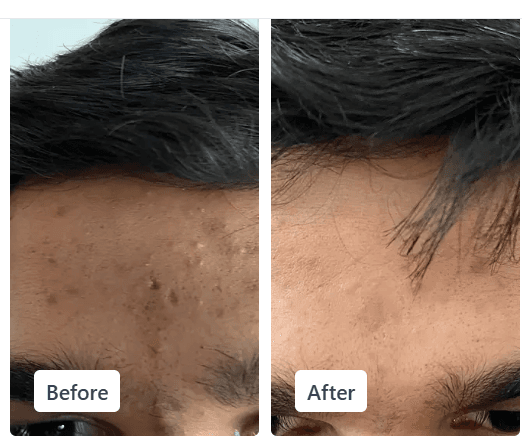
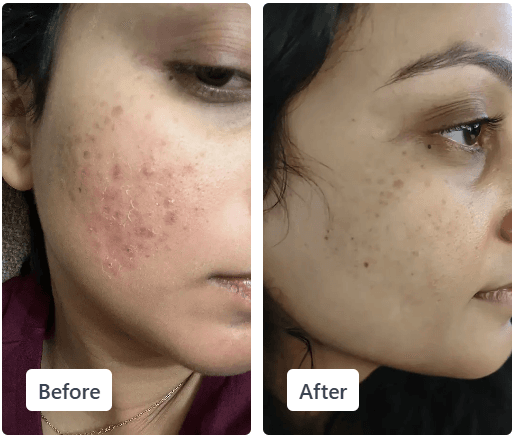
Take the Clear Ritual Skin Test to uncover your acne triggers and get a plan made for you. If your results indicate dullness, uneven skin tone or blocked pores, you may receive Clear Ritual’s Anti Acne Gel, a prescription formula added to your treatment plan. We believe in caring for your skin without piling on products.
If your acne is painful, cystic or leaving scars, or if redness will not go away, see a dermatologist directly.
Understand What Your Skin Needs
Take the Clear Ritual Skin Test to identify your skin concerns and explore a plan for your routine.
Take the Free Skin Test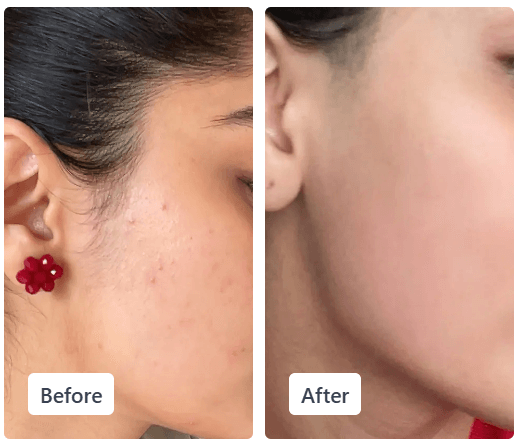
Frequently Asked Questions
Q. What does azelaic acid do?
A. It fights acne-causing bacteria, calms inflammation and redness, targets pigmentation and dark spots, and helps unclog pores. It is often considered gentler than strong alpha-hydroxy acids (AHAs).
Q. Can azelaic acid be used daily?
A. Yes, azelaic acid can be used daily, but start slowly by introducing it two to three times a week. Once your skin tolerates it well, you may increase use to once daily, in the morning or evening, following your product or doctor’s directions.
Q. Can you use azelaic acid for pigmentation?
A. Consistent use for three to six months may help reduce pigmentation, melasma and post-inflammatory dark spots. Results vary, and daily sunscreen is important.
Q. Can you use azelaic acid cream on your face?
A. Yes, azelaic acid can be used on the face. Choose a product that suits your skin and follow its directions. A dermatologist can help you select a formulation, especially if you have sensitive skin or a diagnosed skin condition.
Q. What are the benefits of using an azelaic acid serum?
A. An azelaic acid serum may help with blackheads, whiteheads and clogged pores, fade post-inflammatory hyperpigmentation (PIH), and soothe redness.
References
- Putra IB, Jusuf NK, Dewi NK. Skin Changes and Safety Profile of Topical Products During Pregnancy. J Clin Aesthet Dermatol. 2022 Feb;15(2):49-57. PMID: 35309882; PMCID: PMC8884185.
- American Academy of Dermatology (AAD). Is any acne treatment safe to use during pregnancy?
- Feng X, Shang J, Gu Z, Gong J, Chen Y, Liu Y. Azelaic Acid: Mechanisms of Action and Clinical Applications. Clin Cosmet Investig Dermatol. 2024 Oct 22;17:2359-2371. doi: 10.2147/CCID.S485237. PMID: 39464747; PMCID: PMC11512533.
- Sauer N, Oślizło M, Brzostek M, Wolska J, Lubaszka K, Karłowicz-Bodalska K. The multiple uses of azelaic acid in dermatology: mechanism of action, preparations, and potential therapeutic applications. Postępy Dermatol Alergol. 2023 Dec;40(6):716-724. Epub 2024 Jan 8. doi: 10.5114/ada.2023.133955. PMID: 38282869; PMCID: PMC10809820.
- Medscape: Management of acne vulgaris.
- American College of Obstetricians & Gynaecologists. Skin Conditions During Pregnancy. Last reviewed November 2025.
- DermNet: Azelaic acid, uses and application.
Disclaimer: This article is for general information only and is not a substitute for diagnosis or treatment from a qualified dermatologist. Follow your product label and your clinician’s advice, especially during pregnancy, breastfeeding, or when treating a diagnosed skin condition.
Editorial Standards
Clear Ritual has Strict sourcing guidelines to ensure our content is accurate and current. We rely on peer-reviewed studies, academic research institutions, and medical associations. We strive to use primary sources and refrain from using tertiary references. See a mistake? Learn More about our Editorial Standards.
Related Articles
Acne Around the Mouth: Causes, Triggers and Treatment Options
Published 16 July 2026
Acne Breakout: Why It Happens All at Once and How to Calm It
Published 8 August 2026
Acne on Cheeks: Causes, Treatment & What Actually Works
Published 17 July 2026
Acne During Menopause: Why Breakouts Start Later in Life
Published 16 July 2026